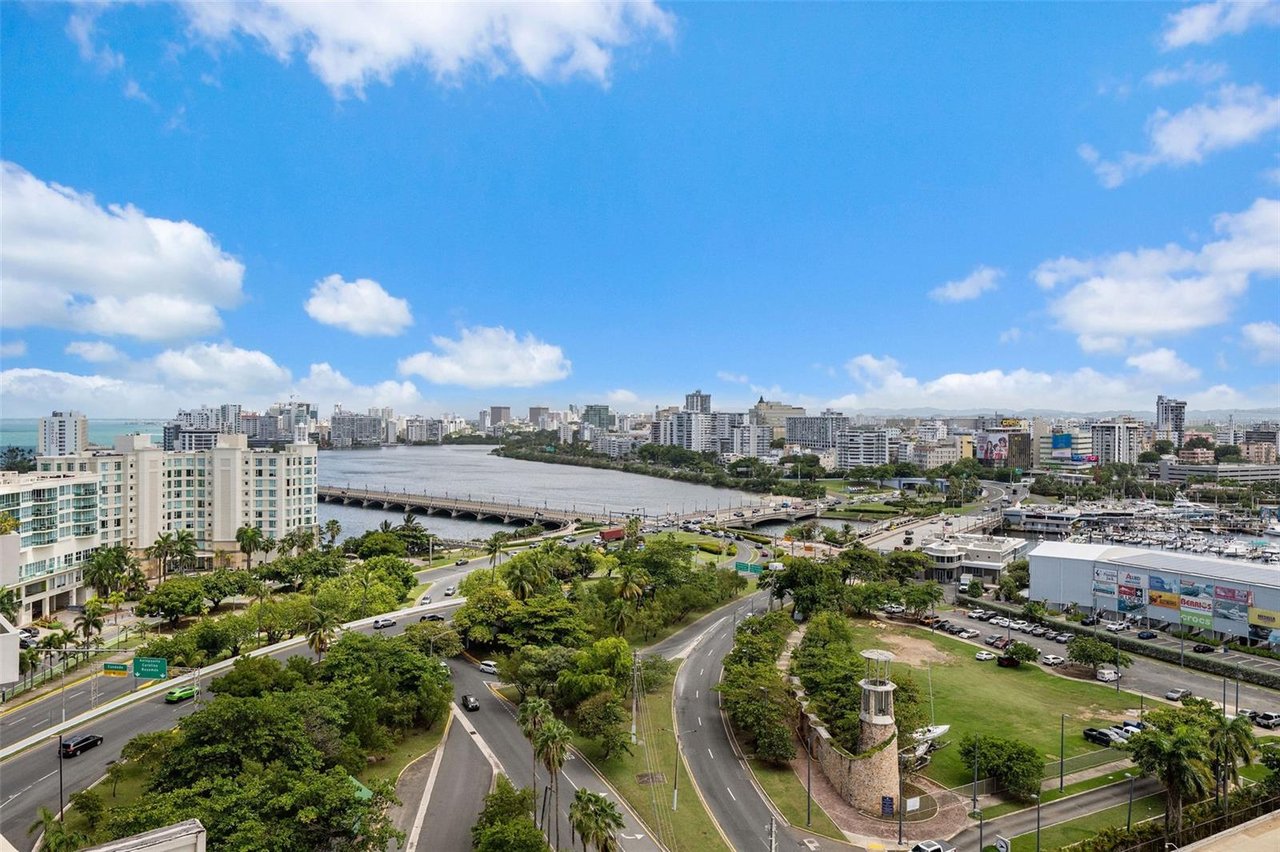
Living in Miramar, Puerto Rico: Real Estate, Historic Homes & Luxury Condos
Miramar · Puerto Rico Real Estate · Luxury Real Estate · Neighborhood Guides Lizvette Robles September 28, 2026
Miramar · Puerto Rico Real Estate · Luxury Real Estate · Neighborhood Guides Lizvette Robles September 28, 2026
Miramar occupies an unusual position within San Juan real estate. It is close to Condado, Old San Juan, Santurce and the Convention District, yet it maintains a residential identity that feels distinctly different from each of them. Its real estate reflects that contrast.
Within Miramar, buyers can encounter: historic single-family homes, established condominium buildings, larger traditional apartments, architecturally significant residences, and a new generation of luxury development.
That last category is becoming increasingly important. Projects such as OPUS Miramar are introducing large-format new construction and multimillion-dollar residences into an area historically known for architecture, established homes and a more residential urban environment. For buyers, this means Miramar should no longer be viewed simply as an alternative to Condado.
It is becoming a luxury market with multiple property segments of its own.
Miramar is an urban neighborhood of San Juan positioned between the Condado Lagoon, San Juan Bay and the surrounding Santurce/Convention District area. Its central location provides access to several of metropolitan San Juan's most important destinations. Depending on the exact property, residents can be relatively close to: Condado, Old San Juan, Santurce, Distrito T-Mobile, Puerto Rico Convention Center, Club Náutico, Isla Grande Airport, and the broader San Juan business community.
The Puerto Rico Convention Center District Authority is headquartered at 100 Convention Boulevard in Miramar and was established to develop and operate the surrounding district as a business, tourism and entertainment destination. For buyers, this means Miramar combines a residential neighborhood with access to one of San Juan's major evolving urban districts.
Miramar's architectural identity is not simply a marketing concept. Puerto Rico formally declared Miramar a Historic Zone of Puerto Rico through Law 3 of March 15, 2005, with the purpose of protecting its architectural and historical integrity and its urban identity. The protected area was later expanded by Law 69 of 2010.
The law describes a neighborhood whose development included large residences dating to the late 19th and early 20th centuries, particularly along what became Ponce de León Avenue. It also recognizes the area's distinctive scale, streets and architectural character. That history continues to influence Miramar real estate today.
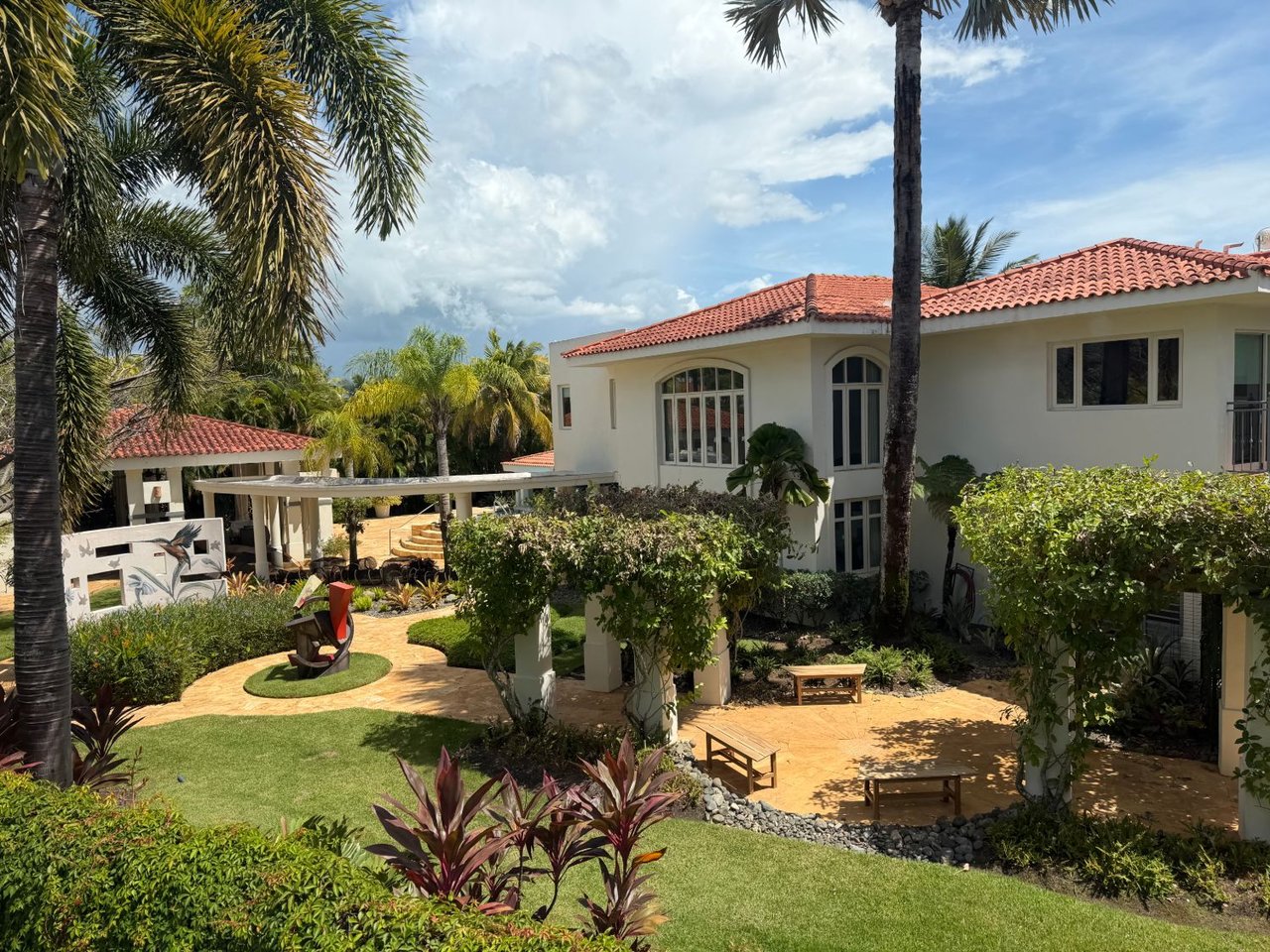
Historic designation can create something increasingly difficult to reproduce: architectural scarcity. In Miramar, buyers may find properties with: original architectural details, distinctive façades, traditional proportions, gardens, high ceilings, and residential layouts that differ substantially from modern condominium construction.
But preservation also creates responsibility. A buyer considering a historic property should understand that renovations or exterior alterations may involve additional regulatory considerations. The correct due diligence therefore extends beyond: “Can I renovate this?”
It should include: “What am I permitted to change?” For certain buyers, preservation is part of the appeal. For others, it may make new construction a better fit.
This may be the most important concept for buyers to understand. Miramar contains fundamentally different property types. A historic single-family residence is not the same market as: a traditional condominium, a renovated luxury apartment, or a multimillion-dollar new-development residence.
They may be located only a few blocks apart. That does not make them comparable. The Miramar market should therefore be segmented according to the property and buyer, not simply the neighborhood name.
Historic residences are one of Miramar's most distinctive property categories. These homes can offer characteristics rarely found in newer San Juan condominiums: private land, architectural identity, gardens, multiple living areas, private entrances, and a true single-family urban lifestyle.
For a relocation buyer who says: “I want to live in San Juan, but I don't want a condominium,” Miramar deserves serious consideration. Inventory, however, can be limited.
And two historic residences may differ dramatically in condition.
A beautiful façade does not tell you the condition of the property. Buyers should investigate: roof condition, electrical systems, plumbing, structural condition, windows and storm protection, drainage, air-conditioning systems, insurance, property boundaries, and renovation restrictions.
Older properties may also have been modified over multiple generations. Understanding what is original, what has been legally altered and what still requires modernization can be critical. See Buying a Historic Home in Miramar: What Buyers Should Know.
Miramar also has an established condominium market. This inventory can appeal to buyers who want: central San Juan access without necessarily wanting: a historic house or the more active beach/hotel environment of Condado. Established Miramar condominiums vary significantly in: age, size, parking, views, condition, generator infrastructure, HOA structure, and amenities.
Some residences may offer substantial interior square footage compared with newer urban condominium construction. But older buildings also require careful financial and physical due diligence.
One reason certain buyers consider Miramar is space. A relocation buyer moving from a larger residence may discover that many new urban luxury condominiums are smaller than expected. Established Miramar inventory can sometimes provide larger traditional layouts.
That does not automatically make an older property more valuable. But it can make it more functional for: families, full-time residents, buyers with home offices, or people moving from larger homes.
The right comparison is therefore not simply: new vs. old. It is: Which residence better supports the buyer's actual life?
Miramar's real estate story is evolving. New development is introducing a product category that historically had limited representation in the neighborhood: large-format contemporary luxury condominiums with extensive amenities and services. The most visible current example is OPUS Miramar.
Construction of OPUS officially began in April 2026, with an investment reported at approximately $80 million. At groundbreaking, nearly 40% of the residences were reported to already have buyers, although that figure represents a historical milestone rather than current availability. This creates an important shift.
Miramar buyers can now compare: historic architecture, against, established condominium inventory, against and new luxury construction.
Those are three very different markets.
OPUS is one of the most important new residential developments to watch in Miramar. The project introduces a limited collection of large luxury residences in the Convention District environment, with an emphasis on: large floor plans, multiple parking spaces, private terraces and verandas, concierge and valet, fitness and pool amenities, backup infrastructure, and contemporary construction.
OPUS matters because it expands the type of buyer Miramar can attract. Historically, someone wanting a brand-new, highly amenitized multimillion-dollar residence might have focused heavily on Condado. That buyer now has another San Juan alternative.
This distinction is important. Historic Miramar and the newer Convention District environment should not automatically be treated as the same residential experience. Traditional Miramar is defined heavily by: historic streets, established residences, architecture, and neighborhood character.
The Convention District has a more contemporary development environment connected to: business, hospitality, entertainment, events, and new construction.
The Puerto Rico government describes the Convention District's mission as positioning the area as a destination for business, tourism and entertainment. OPUS sits at the intersection of those two stories. For buyers, exact location matters.
This will be one of the most important comparisons for relocation buyers. The neighborhoods are close. Their lifestyles are not identical.
direct beach access
Atlantic and lagoon waterfront inventory, a dense restaurant and hotel environment, high-rise condominium living, more visible luxury new construction, and an active coastal lifestyle.
a more residential urban environment
Historic architecture, the possibility of single-family ownership, established condominiums, proximity to the Convention District, and less emphasis on beach tourism.
Neither is universally better. They solve different lifestyle needs.
This is one of the biggest analytical mistakes buyers can make. The two neighborhoods contain different housing stock. Suppose a buyer compares: a renovated historic Miramar home, a traditional Miramar condominium, a new OPUS residence, and a direct-oceanfront Condado apartment.
Those properties may have completely different: land components, construction ages, amenities, views, parking, ownership structures, and buyer pools.
Price per square foot alone cannot resolve those differences. Miramar should be analyzed as its own market.
New development makes the comparison even more interesting. Condado buyers can currently consider projects such as: Vanderbilt Residences and The ICON. Miramar now introduces OPUS into that competitive set.
But these projects are not interchangeable. Vanderbilt emphasizes direct oceanfront positioning and a significant amenity program. The ICON offers boutique new construction approximately one block from Condado Beach.
OPUS offers substantially sized residences within the Miramar/Convention District environment. The correct comparison depends on what the buyer values.
This principle applies just as strongly in Miramar as it does in Condado. The right comparable isn't necessarily the closest property. It's the property competing for the same buyer.
A buyer seeking: a historic home with a garden does not necessarily care what a new condominium nearby costs per square foot. Likewise, a buyer seeking: 3,000 square feet of new construction, multiple parking spaces, concierge and a pool may compare OPUS against new luxury inventory outside Miramar. Geography matters.
Buyer competition matters more.
Miramar can support a highly urban lifestyle. Depending on the exact residence, buyers may have access to: restaurants, cafés, cultural institutions, professional services, Convention District destinations, and nearby Santurce and Condado.
But walkability should always be evaluated from the exact property. Miramar is not a resort compound. And it is not a single commercial corridor. The experience can change materially from one street to another.
For relocation buyers, walking the neighborhood before purchasing is particularly important.
Miramar's architecture changes how the neighborhood feels. The historic-zone legislation specifically identifies numerous structures of architectural importance and notes the area's distinctive scale and community identity. That creates something different from a neighborhood composed primarily of modern towers.
Walking Miramar can mean moving between: historic residences, traditional apartment buildings, mature landscaping, commercial corridors, and newer development.
For some buyers, that variety is one of the neighborhood's strongest advantages.
Miramar can appeal to buyers who enjoy Condado but do not necessarily want to live directly in its busiest areas. That buyer may still want access to: Condado restaurants, the beach, Ashford Avenue, medical services, and the lagoon.
But at home, they may prefer a more residential environment. That makes Miramar particularly relevant for full-time residents. The buyer remains close to Condado without purchasing the Condado lifestyle itself.
Miramar's central position also makes Old San Juan an important part of its broader lifestyle equation. For buyers who regularly visit: restaurants, government offices, cultural destinations, historic sites, or businesses, in Old San Juan, Miramar can provide convenient metropolitan positioning. Again, traffic matters. A map does not tell the full story. But Miramar's location places it between several of San Juan's most important urban districts.
The development of the Convention District has added another dimension to Miramar's location. The district was created to support business, tourism and entertainment activity around the Puerto Rico Convention Center. For residents, nearby destinations can include: Puerto Rico Convention Center, Distrito T-Mobile, hotels, restaurants, entertainment, and business events.
This is especially relevant to professionals, executives and buyers who regularly participate in events or business activity in San Juan.
For certain buyers, Miramar's proximity to Club Náutico de San Juan and the marina environment may be meaningful. This does not make every Miramar residence a marina property. But boating access can become part of the lifestyle comparison for a specific buyer.
OPUS, for example, explicitly highlights proximity to Club Náutico as part of its location positioning. For a boating-oriented buyer, that may carry more weight than direct beach access.
Miramar may be particularly compelling as a primary-residence market. Full-time residents often prioritize: space, parking, storage, daily access, privacy, schools, work commute, and neighborhood character, more heavily than seasonal buyers. Miramar's combination of houses, established apartments and new development provides multiple ways to solve those needs. This is one reason the neighborhood deserves to be analyzed separately from Puerto Rico's resort and second-home markets.
Families may appreciate the ability to remain within central San Juan while evaluating larger residences and a more residential street environment. But family buyers should look beyond bedroom count. Important questions include: Where is school? What does the morning commute look like? How many parking spaces do we need? Where will children play? Do we need storage? Do we prefer a house or condominium? How important is walkability?
The neighborhood decision should be built around the family's routine.
For relocation buyers, Miramar often becomes more interesting after they spend time in Puerto Rico. At first, many buyers know: Condado, Dorado and Perhaps Old San Juan.
Miramar may emerge later in the search. That can happen when the buyer realizes they want: central San Juan access but a more residential environment. Or they want: urban living but more architectural character.
Or: new luxury construction but not necessarily direct beach living. Miramar can solve those combinations.
Miramar can also be considered by buyers relocating to Puerto Rico under Act 60. But the real estate decision and tax strategy should be analyzed separately. Act 60 does not make one neighborhood inherently better than another.
The buyer should first determine: Where do I actually want my Puerto Rico home to be? Then coordinate the purchase with qualified tax and legal advisors to ensure compliance with the applicable decree and residency requirements. For some Act 60 buyers, Condado's beach-city environment will be the stronger fit.
For others, Miramar's residential character and central location may work better.
This may be Miramar's defining buyer decision.
land
Privacy, architectural identity, private outdoor space, more ownership control, and a unique property that may be difficult to reproduce.
security
Common maintenance, easier lock-and-leave ownership, building systems, and potentially amenities.
Neither is inherently superior. They represent different ownership models.
Miramar buyers now face this question too.
modern systems
New finishes, contemporary layouts, amenities, multiple parking spaces, and less immediate renovation work.
established building operations
Known HOA history, existing neighborhood context, larger traditional layouts, or historic architecture that new construction cannot reproduce.
The buyer should compare the complete product rather than assuming new construction automatically represents better value.
The purchase price is only part of the equation. Condominium buyers should evaluate: HOA, insurance, property taxes, utilities, reserves, assessments, parking, and maintenance.
Historic-home buyers should evaluate a different set of expenses: roof, exterior maintenance, landscaping, generator, water systems, insurance, security, and ongoing property maintenance.
A house with no HOA is not a house with no operating expenses. The correct comparison is: total cost of ownership.
Insurance deserves particular attention in Puerto Rico real estate. For condominiums, buyers should understand: master insurance, individual unit coverage, deductibles, and assessment exposure.
For standalone homes, the owner may carry a broader responsibility for the structure. Insurance terms vary by property. Buyers should obtain property-specific information rather than assuming that all Miramar residences have the same risk or cost profile.
This is another area where relocation buyers should ask detailed questions. A listing that says: “generator” does not tell you enough. Ask: Does it power the entire residence? Only common areas? Elevators and necessary systems? Air conditioning?
The same applies to water storage. For a historic house, the infrastructure may belong entirely to the owner. For a condominium, it may be shared. The ownership experience can be very different.
Miramar is an urban neighborhood. Parking therefore matters. A historic residence with multiple secure parking spaces may compete very differently from a similar house with limited parking.
Likewise, a large condominium with: two, three or four spaces may appeal to a different buyer from one with a single space. New developments such as OPUS make parking part of their luxury proposition. Do not treat parking as a footnote.
In urban luxury real estate, it can materially affect functionality.
Several forces are now overlapping: architectural scarcity, limited historic-home inventory, central San Juan location, Convention District development, new luxury construction, and continued relocation demand for urban Puerto Rico.
But these factors will not affect every property equally. New construction may establish one pricing segment. Historic homes may operate in another. Traditional condominiums may form another.
This is why neighborhood-wide averages can become increasingly less useful as the market becomes more segmented.
This deserves its own analysis. Rather than publishing broad San Juan numbers and labeling them Miramar, the market should be filtered carefully to identify properties actually competing within Miramar. The future Miramar Market Report should examine: closed sales, closed volume, median price, price per square foot, cash vs. financed transactions, $1M+ activity, historic homes vs. condominiums, and new-development positioning.
The due-diligence process should change depending on the property.
Review the HOA, financials, reserves, insurance, assessments, condominium documents, parking, generator, water infrastructure and planned capital projects.
Review structural condition, roof, electrical and plumbing systems, insurance, permits, boundaries, renovation history and applicable historic-zone requirements.
Review the purchase agreement, deposits, delivery provisions, floor plans, specifications, substitutions, projected HOA, parking, warranties, punch-list process and condominium documents. The neighborhood may be the same. The risk profile is not.
Before purchasing in Miramar, ask: Is the property inside the protected historic zone? Is this residence competing with historic homes, resale condos or new construction? What is the true interior square footage? What parking is included? What renovations are needed? Are there restrictions affecting those renovations? What does insurance cost? What backup power and water systems exist? What are the ongoing ownership costs? What properties are actually comparable? What future development exists nearby? Who is the likely future buyer for this property?
These questions provide much more information than simply asking: “What's the average price per square foot in Miramar?”
Yes. Puerto Rico formally declared Miramar a Historic Zone in 2005 to protect its architectural, historical and urban identity, and the protected area was later expanded.
Yes. Unlike Condado's predominantly condominium-based inventory, Miramar includes historic and traditional single-family residences.
Yes. Miramar includes established condominium inventory, and projects such as OPUS are adding a new category of luxury new construction.
Yes. Construction began in April 2026. The project was reported as an approximately $80 million development.
Not necessarily. Property types differ substantially between the two neighborhoods, making broad price comparisons potentially misleading.
Parts of Miramar can support a highly walkable urban lifestyle, but the experience depends on the exact property and the destinations important to the buyer.
Yes. The neighborhoods are adjacent within metropolitan San Juan, but they provide different residential experiences.
Miramar is not primarily a beach neighborhood like Condado. Buyers specifically prioritizing direct Atlantic beach access will generally find more options in Condado.
It can be particularly compelling for buyers who value central San Juan access, residential character, architecture and multiple housing types.
Yes, particularly for buyers seeking an urban Puerto Rico lifestyle without necessarily wanting the more active beach/hotel environment associated with Condado.
That depends on the buyer. New construction offers a different combination of systems, amenities and finishes, while resale and historic properties may offer architecture, space or locations that cannot be replicated.
Miramar's strength is not that it offers a cheaper version of another San Juan neighborhood. Its strength is that it offers something different. Historic architecture.
Urban residential character.
Central San Juan access, established condominiums and single-family homes.
And now: new luxury development. That combination makes Miramar increasingly difficult to describe with one price, one property type or one comparable set. A historic home and an OPUS residence may both be luxury properties in Miramar.
But they are not the same product. They do not necessarily compete for the same buyer. And they should not automatically be valued using the same evidence.
Same neighborhood. Different products. Different buyers. Different comparables. That is the framework buyers should use when evaluating Miramar.
At InvEstate Puerto Rico, we help buyers evaluate Miramar real estate within the context of the broader San Juan and Puerto Rico luxury market. That means comparing: historic homes, established condominiums, new developments, ownership costs, property condition, location, market evidence, and the alternatives competing for the same buyer.
Whether you are considering OPUS Miramar, a historic residence, an established condominium or comparing Miramar with Condado, the objective is not simply to find a property. It is to identify the property that makes sense within the market, and for the way you actually plan to live.
Related reading: OPUS Miramar: What Buyers Should Know · Condado vs. Miramar: Where Should You Live in San Juan? · Living in Condado, Puerto Rico (2026): Walkability, Healthcare Access & Urban Luxury Lifestyle · Relocating to Condado, Puerto Rico: A Buyer’s Guide.
Antonio Cartagena, Broker Lic. C-13471 · Lizvette Robles, Lic. 23765 · (787) 717-6443
Stay up to date on the latest real estate trends.

Act 60, the 1 January 2027 deadline, and the three IRS tests the decree does not cover.

255 sales closed above $1 million between January and October 2026. $597.7 million, and eight of every ten inside five municipalities.
LUXURY CONDO
What 2,524 closed sales show, and the two 2026 rule changes that decide what a bank will finance.
What $1,477,000 buys on Puerto Rico's west coast, how it compares to closed sales above $1 million in Rincon and Boqueron, and what the $142 million Aguadilla airport … Read more

Condado · Buyer Guides · New Developments · Luxury Real Estate
What is still available, how to read the square footage, and what the project does not publish.

LUXURY CONDO
Fannie Mae and Freddie Mac raise the minimum condo reserve requirement to 15%. Puerto Rico law requires 5% - and lets buildings stop contributing altogether.
We connect discerning buyers and sellers with the island’s most exclusive real estate opportunities. Our expertise and network ensure seamless transactions for both relocation under Act 60 and the sale of distinguished estates. We combine discretion, strategy, and global reach to represent your interests with excellence.