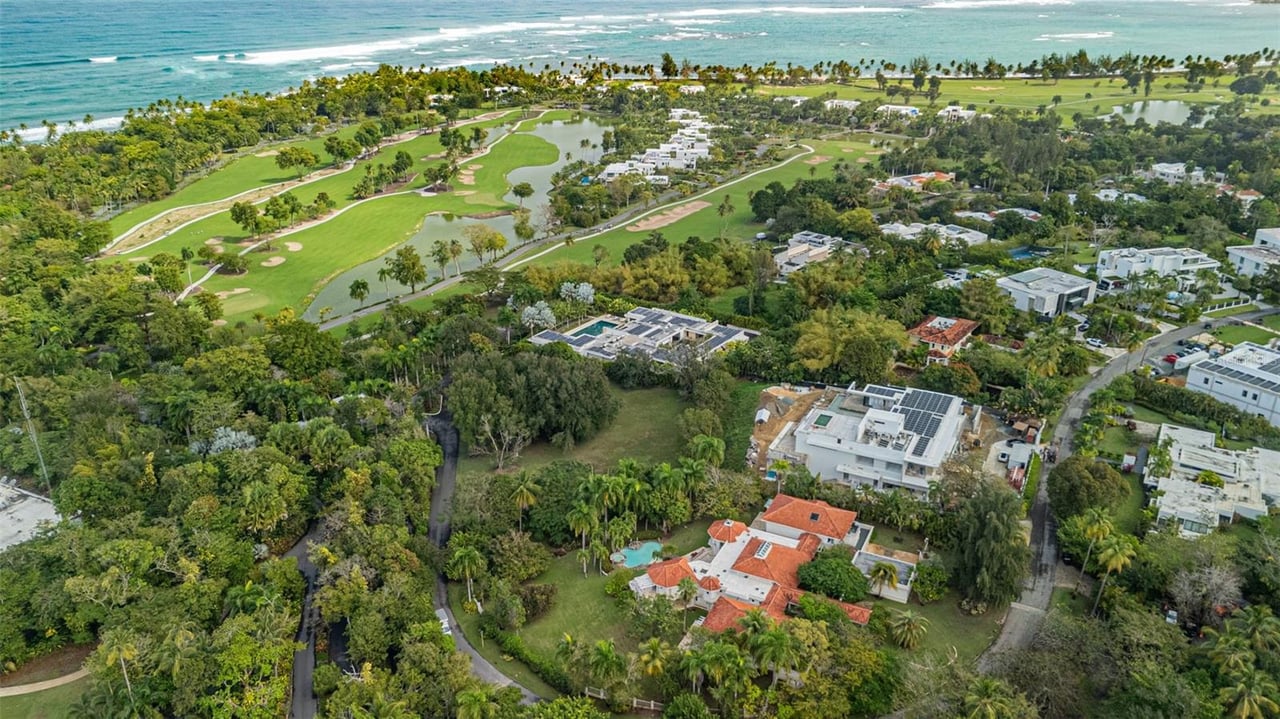
How to Sell Land or Vacant Lots in Puerto Rico: What Owners Need to Know
Sellers Guide, Land, Puerto Rico Real Estate Lizvette Robles July 27, 2026
Sellers Guide, Land, Puerto Rico Real Estate Lizvette Robles July 27, 2026
Selling land in Puerto Rico is not a smaller version of selling a house, it is a genuinely different transaction. A vacant lot has no kitchen to stage or roof to inspect, but it carries its own set of questions that determine its value and marketability: how it is classified, what can be built on it, whether it is properly segregated, and how a buyer will finance and develop it. Owners who treat raw land like a simplified home sale often leave value on the table or stall in due diligence. Owners who understand what land buyers actually evaluate sell faster and for more.
This guide explains what owners need to know to sell land or vacant lots in Puerto Rico. It is informational rather than legal advice, and the specifics for any parcel, particularly segregation, zoning, and permitting, should be confirmed with a Puerto Rico notary, surveyor, and the relevant planning authorities. Segregation and Title: Is the Lot Actually Its Own Parcel?
The first question with any land sale is deceptively basic: is the lot a properly segregated, independent parcel with its own registry identity and clear title? In Puerto Rico, land is often divided from larger tracts through a formal segregation process, and a lot that has not been properly segregated, or whose segregation was never fully recorded, cannot be cleanly sold as an independent parcel. An owner intending to sell a portion of a larger holding may need to complete segregation first, which involves a surveyor, the appropriate permits, and recording in the Property Registry.
Title clarity is equally fundamental and, with land, sometimes murkier than with built property. Inherited land, family-held tracts, and long-untouched parcels are particularly prone to title gaps, unresolved successions, or unclear boundaries. Resolving these before listing is necessary, because a land buyer's attorney will scrutinize title closely and any ambiguity stops the deal. The single most valuable preparation step for selling land is confirming that the parcel is properly segregated, clearly titled, and accurately bounded.
Zoning and Use Classification: What Can Actually Be Built
A vacant lot's value is driven almost entirely by what can be done with it, and that is governed by its zoning and land-use classification. Puerto Rico's planning framework classifies land for residential, commercial, agricultural, rustic, or other uses, and those classifications, along with the applicable zoning, determine what a buyer can build and at what density. A lot zoned and classified for residential development is a fundamentally different asset than one classified as agricultural or rustic, even if they sit side by side.
For sellers, understanding and being able to document the parcel's classification is central to pricing and marketing it honestly. Overstating development potential is one of the fastest ways to lose a serious buyer once their due diligence reveals the real classification. Conversely, a clearly documented, development-ready classification is a powerful selling point. Where a parcel's potential depends on a classification change or variance, that is a complex, uncertain process that should be represented cautiously, not as a given.
Buildability: The Physical and Infrastructure Realities Beyond the legal classification, land buyers evaluate whether and how easily the lot can actually be built on. Terrain and slope, soil and drainage, flood zone designation, access to the parcel, and proximity to utilities, water, electricity, sewer, all bear directly on development cost and therefore on value. A beautiful but steep, remote parcel far from utility connections carries development costs that a flat, serviced lot does not, and sophisticated buyers price that difference precisely.
Flood zone status deserves particular attention for land, since it affects both what can be built and the construction requirements that apply. A seller who can provide clear information on access, utilities, terrain, and flood designation removes uncertainty that would otherwise make buyers cautious or drive down offers. Anticipating these questions is part of presenting land well.
Who Buys Land, and How They Pay for It
Land buyers are a distinct pool from home buyers, and understanding them shapes the sale. They include individuals planning to build a custom home, often the very buyers researching what it costs to build on the island, developers, and investors holding land for appreciation. Their financing is also different: lending on raw land is generally harder and carries different terms than a mortgage on a built home, so a meaningful share of land transactions are cash or involve specialized financing. This affects both the buyer pool and the negotiation, and a seller who understands it sets realistic expectations from the start.
Marketing land also differs from marketing a home. The story is about potential, the view, the setting, the buildable envelope, the lifestyle the finished home could offer, supported by the hard documentation that lets a buyer evaluate feasibility. Strong land marketing combines aspiration with the concrete facts that let a serious buyer move forward: survey, classification, access, utilities, and flood status.
Pricing Land Correctly
Pricing raw land is harder than pricing a home, because comparable sales are thinner and each parcel's classification, buildability, and location create more variation. A credible price rests on genuine comparable land sales in the area, adjusted for the parcel's specific classification, buildability, and development costs, not on a price-per-acre rule of thumb or on what the owner hopes to get. The same discipline that governs luxury home pricing applies: the market sets the value, and an aspirational price simply means the parcel sits while better-priced land sells around it.
Sell Your Land With the Right Preparation
Selling land or vacant lots in Puerto Rico rewards owners who do the groundwork: confirming segregation and clear title, documenting zoning and use classification, clarifying buildability and infrastructure, and pricing against real comparable land sales. At InvEstate Puerto Rico, we help landowners prepare and position parcels for the buyers who are actually looking, verifying the documentation that closes deals, marketing the genuine potential, and pricing on real data. If you own land or a vacant lot you are ready to sell, contact us, and we will help you bring it to market the right way.
Frequently Asked Questions How is selling land in Puerto Rico different from selling a house? Land sales hinge on different factors: whether the lot is properly segregated with clear title, its zoning and land-use classification, its buildability and infrastructure access, and a distinct buyer pool that often pays cash or uses specialized financing rather than a standard mortgage. There is no structure to inspect, but feasibility and classification questions take center stage.
What is segregation and why does it matter for selling land? Segregation is the formal process of dividing land from a larger tract into an independent, recorded parcel with its own registry identity. A lot that is not properly segregated and recorded cannot be cleanly sold as an independent parcel. Owners selling a portion of a larger holding may need to complete segregation first, involving a surveyor, permits, and recording in the Property Registry.
How does zoning affect the value of my lot in Puerto Rico? Significantly. A parcel's zoning and land-use classification, residential, commercial, agricultural, rustic, and so on, determine what can be built and at what density, which drives value. A development-ready residential lot is worth far more than an agricultural or rustic parcel nearby. Documenting the true classification is necessary to pricing and marketing the land honestly.
What do land buyers in Puerto Rico look for? Clear title and proper segregation, a favorable and documented use classification, buildability (terrain, drainage, flood zone), access to the parcel, and proximity to utilities like water, electricity, and sewer. Because these factors drive development cost, buyers price them precisely. Sellers who document them clearly remove uncertainty and attract stronger offers.
Is it harder to finance land in Puerto Rico? Generally, yes. Lending on raw land is typically more difficult and carries different terms than a mortgage on a built home, so many land transactions are cash or involve specialized financing. This shapes the buyer pool and the negotiation, and sellers should set expectations accordingly.
How do I price vacant land in Puerto Rico? Base the price on genuine comparable land sales in the area, adjusted for the parcel's specific classification, buildability, and development costs, not a generic price-per-acre figure or an aspirational target. Comparable land sales are thinner and parcels vary widely, so credible, data-grounded pricing is even more important than with homes.
Bring Your Land to Market the Right Way InvEstate Puerto Rico helps landowners prepare, position, and price parcels for serious buyers, verifying segregation and title, documenting classification and buildability, and marketing genuine potential on real data. Contact us to sell your land or vacant lot with the right foundation.
https://investatepr.com/blog/due-diligence-when-buying-property-in-puerto-rico-a-complete-guide
Stay up to date on the latest real estate trends.
Condado · Relocation · Buyer Guides · Puerto Rico Real Estate
What Buyers Should Know About Walkability, Schools, Healthcare, Condos, Transportation and Choosing the Right Property Before Moving to Condado

Act 13-2026 gives you a deadline to see the building rules. Act 157-2026 moves disputes out of DACO and into the courts.
Condado · Buyer Guides · Luxury Real Estate · Puerto Rico Real Estate
How Views, Exposure, Location, Noise, Walkability and Resale Position Differ Across Condado’s Two Waterfronts
Condado · Buyer Guides · Puerto Rico Real Estate · Luxury Real Estate
HOA Fees, Insurance, Property Taxes, Assessments and the Expenses Buyers Should Understand Before Purchasing in Condado

LUXURY COMMUNITIES
44 residences from $1.2M between Garden Hills and San Patricio. What $818 per square foot means if you are buying, and what it changes if you already own in the area.

LUXURY COMMUNITIES
Forty Stellar MLS closed sales across eight communities, from $136 to $3,110 per square foot, what sellers actually accept, and what the maintenance fee adds.
LUXURY COMMUNITIES
Condado and Isla Verde in San Juan, West Beach and Costa Dorada in Dorado, and Bahía Beach, Rio Mar and Coco Beach in Río Grande: closed-sale prices, buildings, fees a… Read more
Condado · Buyer Guides · New Developments · Luxury Real Estate
How to Compare Pricing, Amenities, HOA Costs, Market Evidence and Long-Term Value Before Buying a Condo in Condado
We connect discerning buyers and sellers with the island’s most exclusive real estate opportunities. Our expertise and network ensure seamless transactions for both relocation under Act 60 and the sale of distinguished estates. We combine discretion, strategy, and global reach to represent your interests with excellence.