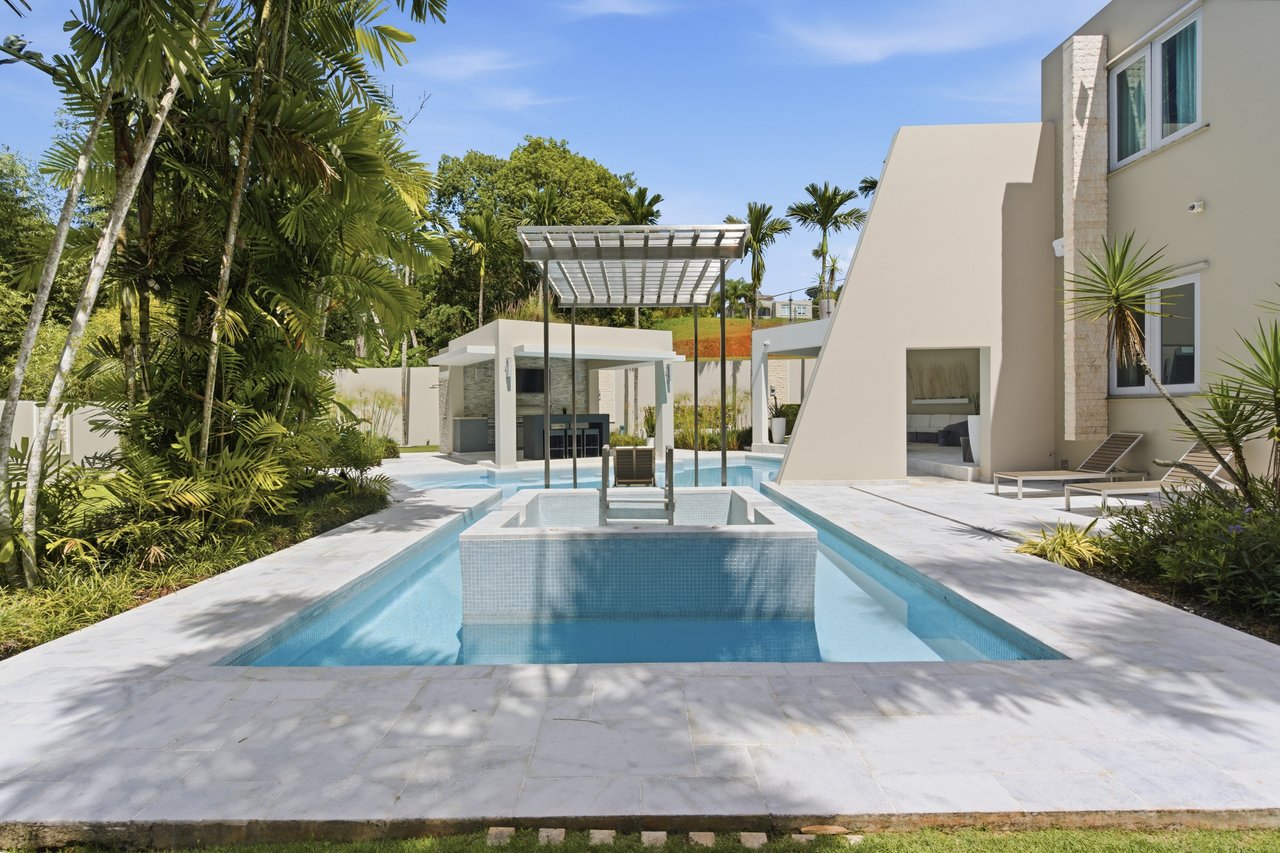
Due Diligence When Buying Property in Puerto Rico: A Complete Guide
Real Estate Advisory, Capital Allocation, Puerto Rico Due Diligence Lizvette Robles May 29, 2026
Real Estate Advisory, Capital Allocation, Puerto Rico Due Diligence Lizvette Robles May 29, 2026
Advisory, Due Diligence Due diligence when buying property in Puerto Rico is not optional, and it is not a formality. It is the phase of the acquisition that determines whether what you are buying matches what you think you are buying. The documentation framework is specific to Puerto Rico, the issues that surface are predictable, and the consequences of discovering problems after closing rather than before are serious enough that no informed buyer should proceed without a complete process in place.
This guide covers what a thorough due diligence process looks like in Puerto Rico, where buyers most commonly encounter problems, and how to structure the process so that material risks are understood before you are emotionally committed to a specific property. Ready to evaluate a property in Puerto Rico? Contact InvEstate Puerto Rico before you commit, we coordinate the full due diligence process for every acquisition. [Contact Us →]
Why Due Diligence in Puerto Rico Requires Local Expertise The Puerto Rico property registry operates independently of physical reality. Legal ownership, boundaries, and encumbrances are defined by what is recorded at the Registro de la Propiedad, not by what is built on the land, not by what a seller represents, and not by what comparable markets would lead a buyer to assume.
This distinction matters because the gap between physical reality and documented reality is more common in Puerto Rico than in most U.S. mainland markets. Structures built without permits, registry descriptions that predate physical improvements, and title encumbrances that are not disclosed upfront are regular features of this market, not exceptional cases. A buyer arriving from the mainland with mainland assumptions will encounter issues that a locally experienced advisory team would have identified and resolved before they became problems.
"In Puerto Rico, due diligence is not a formality. It is the most important phase of the acquisition."
The Complete Due Diligence Checklist for Puerto Rico Property
Title Study (Estudio de Título) Conducted by a Puerto Rico notary attorney, the title study traces the full ownership history of the property, identifies all liens and encumbrances of record, and confirms that the seller has clear legal authority to transfer ownership. No transaction should proceed without a clean title study. This is the foundation of every acquisition, and conducting it early, before emotional attachment to a specific property deepens, is the single most important structural decision a buyer can make.
Property Registry Record The registry record defines what is legally owned, boundaries, legal description, and registered ownership. Cross-referencing the registry record against the physical property is necessary. Discrepancies between the two are common in Puerto Rico and must be resolved before closing. Lenders require alignment between the registry and the physical asset as a condition of financing, and unresolved discrepancies are among the most frequent causes of delayed or failed closings in this market.
Deed (Escritura) The legal instrument transferring ownership must align precisely with registry data. Inconsistencies between the deed and the registry create title defects that directly affect the new owner's ability to finance, insure, or resell the property. Reviewing the deed as part of due diligence, not at closing, gives buyers time to identify and resolve issues without negotiating from a position of attachment.
CRIM Certification Confirms property tax status and all outstanding balances owed to the Centro de Recaudación de Ingresos Municipales. Unpaid property taxes in Puerto Rico can transfer with the property to the new owner. This verification is non-negotiable regardless of purchase price or property type.
Construction and Use Permits Confirms that all structures on the property were built with proper authorization and comply with applicable zoning and use regulations. Unpermitted construction is the single most common documentation issue in the Puerto Rico market and creates direct complications for financing and insurance placement. Properties at every price point, including luxury assets in established markets such as Condado, Dorado, and Guaynabo, regularly include structures, additions, or improvements that were never permitted. Buyers who assume that a high purchase price correlates with clean documentation consistently encounter this issue.
Survey (Plano de Mensura) Defines physical boundaries and lot dimensions and confirms alignment with the registry description. A current survey is particularly important for coastal properties, rural land, and large estate parcels where boundary discrepancies are most likely. For any property where the physical boundaries are not immediately obvious or where the registry description is older, a fresh survey is necessary before closing.
The Issues That Surface Most Often Unpermitted construction is the single most common documentation issue in Puerto Rico real estate. It appears at every price point and in every market, from entry-level residential properties to multi-million dollar luxury estates. Buyers who assume that a sophisticated seller, a known address, or an established neighborhood guarantees clean permit documentation are consistently surprised. It does not. Permit verification is always required.
Registry discrepancies, where the legal description does not match the physical property, are the second most common issue and the most disruptive to financing. Resolving discrepancies after a purchase agreement is executed creates delays and, in some cases, prevents closing entirely. The time to identify a registry discrepancy is before you are in contract, not after.
Title encumbrances discovered late in the process, liens, claims, or restrictions not disclosed upfront, are less frequent but more consequential when they appear. A thorough title study conducted early in the process eliminates this risk entirely. The cost of a title study is negligible relative to the cost of discovering an encumbrance after closing.
For a full picture of what to budget for the acquisition beyond the purchase price, including attorney fees, title insurance, and transfer costs, see our guide to [Closing Costs in Puerto Rico, link when published]. When to Begin Due Diligence
The correct answer is before you are emotionally committed to a specific property. Buyers who begin due diligence after executing a purchase agreement are negotiating from a position of attachment. Issues discovered at that stage are harder to price accurately, harder to walk away from, and more disruptive to the transaction timeline.
The buyers who navigate this market most effectively engage their advisory team and begin preliminary documentation review before making an offer. By the time they execute a purchase agreement, the material risks are already understood. This approach does not slow the process, it protects it.
For buyers financing their acquisition, understanding the documentation requirements lenders will impose is equally important before entering contract. See our complete guide to [Getting a Mortgage in Puerto Rico] for a full breakdown of what lenders require and where buyers encounter friction.
Evaluating a property in Puerto Rico and want to know what you're actually buying? InvEstate Puerto Rico coordinates the full due diligence process, title, permits, registry, and survey, for every acquisition we advise on. [Contact us before you commit →]
Frequently Asked Questions
How long does due diligence take in Puerto Rico? A complete due diligence process typically takes two to four weeks for a property with clean documentation, a current title study, aligned registry record, verified permits, and no outstanding tax obligations. Properties with permit issues, title discrepancies, or registry inconsistencies take longer, and the resolution timeline depends on the nature of the issue and the cooperation of the relevant agencies. CRIM certifications and permit verifications in particular can involve government processing times that are outside the buyer's control. Building a realistic timeline into the purchase agreement is necessary, and working with an advisor who has managed these processes repeatedly is the most reliable way to avoid timeline surprises.
Who conducts due diligence in Puerto Rico? A notary attorney licensed in Puerto Rico handles title and registry review, this is not a role that can be filled by a mainland attorney unfamiliar with Puerto Rico's civil law system or registry framework. Permit and use certification verification involves the relevant municipal and state agencies, and a qualified real estate advisor coordinates the full process, identifies issues that require resolution, and ensures that nothing material is missed. Buyers who attempt to manage due diligence independently, without local legal counsel and an experienced advisory team, consistently discover that the process is more complex than anticipated and that the consequences of gaps are more serious than expected.
What happens if due diligence reveals a problem? The buyer has three options: require the seller to resolve the issue before closing, negotiate a price adjustment that accounts for the documented risk, or withdraw from the transaction. Which option is appropriate depends on the nature and severity of the issue, the seller's willingness to cooperate, and the buyer's risk tolerance. A permit issue that can be resolved through the relevant agency is a different category of problem than a title encumbrance with disputed ownership. Having experienced advisory representation at this stage is necessary, it is the difference between a problem that gets resolved and one that ends a transaction or, worse, transfers to the new owner.
Is due diligence required by lenders in Puerto Rico? Yes. Lenders require a clean title study, aligned registry documentation, and verified permit status as conditions of financing. In practice, most lenders will not issue a commitment letter, and certainly will not fund, without confirmation that the documentation is clean. Buyers purchasing in cash have more flexibility in timing but face the same documentation risks on resale, refinancing, and insurance placement. Skipping due diligence on a cash purchase is not a savings, it is a deferred liability.
What is the Registro de la Propiedad and why does it matter? The Registro de la Propiedad is Puerto Rico's official property registry, the legal record of ownership, boundaries, liens, and encumbrances for all real property on the island. What is recorded in the registry is what is legally owned, regardless of physical reality. If a structure is built but not registered, it does not exist legally. If a boundary differs from what is registered, the registry governs. Understanding this distinction is the foundation of due diligence in Puerto Rico, and it is the reason that local expertise, both legal and advisory, is not optional in this market.
How is due diligence different in Puerto Rico compared to the U.S. mainland? The core logic is the same, verify what you are buying before you commit. The differences are in the specific documentation framework, the frequency with which issues surface, and the legal system governing the process. Puerto Rico operates under a civil law system, not the common law framework of the U.S. mainland, which affects how title is established, how encumbrances are recorded, and how disputes are resolved. The frequency of unpermitted construction and registry discrepancies is also meaningfully higher in Puerto Rico than in most mainland markets. Buyers arriving with mainland assumptions consistently find the process more complex than expected.
Ready to Evaluate a Property in Puerto Rico? InvEstate Puerto Rico guides buyers through a complete due diligence process, from title and registry review to permit verification and survey analysis, ensuring every acquisition decision is grounded in validated documentation. We coordinate the full process so that by the time our clients execute a purchase agreement, the material risks are already understood.
If you are evaluating a property in Puerto Rico, contact our team before you commit.
Stay up to date on the latest real estate trends.
Condado · Relocation · Buyer Guides · Puerto Rico Real Estate
What Buyers Should Know About Walkability, Schools, Healthcare, Condos, Transportation and Choosing the Right Property Before Moving to Condado

Act 13-2026 gives you a deadline to see the building rules. Act 157-2026 moves disputes out of DACO and into the courts.
Condado · Buyer Guides · Luxury Real Estate · Puerto Rico Real Estate
How Views, Exposure, Location, Noise, Walkability and Resale Position Differ Across Condado’s Two Waterfronts
Condado · Buyer Guides · Puerto Rico Real Estate · Luxury Real Estate
HOA Fees, Insurance, Property Taxes, Assessments and the Expenses Buyers Should Understand Before Purchasing in Condado

LUXURY COMMUNITIES
44 residences from $1.2M between Garden Hills and San Patricio. What $818 per square foot means if you are buying, and what it changes if you already own in the area.

LUXURY COMMUNITIES
Forty Stellar MLS closed sales across eight communities, from $136 to $3,110 per square foot, what sellers actually accept, and what the maintenance fee adds.
LUXURY COMMUNITIES
Condado and Isla Verde in San Juan, West Beach and Costa Dorada in Dorado, and Bahía Beach, Rio Mar and Coco Beach in Río Grande: closed-sale prices, buildings, fees a… Read more
Condado · Buyer Guides · New Developments · Luxury Real Estate
How to Compare Pricing, Amenities, HOA Costs, Market Evidence and Long-Term Value Before Buying a Condo in Condado

Condado · New Developments · Luxury Real Estate · Buyer Guides
A Buyer’s Guide to 1120 Ashford Avenue, New Construction, Pricing and How The ICON Fits Into Condado’s Changing Luxury Market
We connect discerning buyers and sellers with the island’s most exclusive real estate opportunities. Our expertise and network ensure seamless transactions for both relocation under Act 60 and the sale of distinguished estates. We combine discretion, strategy, and global reach to represent your interests with excellence.