
Puerto Rico Home Insurance for Luxury Properties: What Buyers Need to Know in 2026
Puerto Rico Real Estate Lizvette Robles April 6, 2026
Puerto Rico Real Estate Lizvette Robles April 6, 2026
Home insurance in Puerto Rico works differently from a mainland policy, and the difference is not a detail. Hurricane exposure, flood zones and the specific building you buy decide what you pay and what you are actually covered for. Before purchasing a luxury property here, a buyer needs to understand four things: windstorm coverage, flood insurance, the deductibles attached to each, and, in a condominium, exactly what the master policy does and does not include. Get those four right and you know the true cost of ownership. Get them wrong and you find out after the first storm.
We have sold homes in Dorado, Condado, Guaynabo and Río Grande for twenty years, and we have watched insurance move from a line item to a decision factor. This is how we walk buyers through it.
When buyers ask about home insurance in Puerto Rico they usually want four answers at once: how expensive is it, what does it actually cover, is hurricane damage included, and how does it change the cost of owning the property. Insurance here is not simply a requirement imposed by a lender. It is one of the main components of risk in the purchase.
Premiums vary widely by location and property type. Coastal and oceanfront properties carry higher premiums, windstorm coverage is the single biggest factor in the price, flood insurance may be required depending on the zone, and condominium buildings usually carry a master policy that covers part, but not all, of what an owner assumes. Insurance in Puerto Rico is not standardized. It is property-specific and priced on risk.
The island’s location introduces variables that most mainland markets do not have to price: hurricane exposure, coastal conditions, flood zones, and the structure and age of the building itself. That is why we tell buyers that insurance here is not just protection. It is part of the investment decision.
Windstorm, or hurricane, coverage pays for damage caused by hurricanes and strong storms, but the deductibles are often higher than buyers expect and the coverage limits vary from policy to policy. Flood insurance is typically a separate policy, required in certain zones and strongly recommended in others. Property, or hazard, insurance covers damage to the structure and in some cases the contents. Liability coverage protects the owner against claims arising from accidents on the property. A buyer needs to see all four in writing before treating a premium quote as the real number.
This is where most confusion starts. In a condominium the building usually carries a master insurance policy, the buyer insures the interior under a walls-in policy, and the association’s structure determines where one ends and the other begins. In a single-family home the owner is responsible for everything: structure, exterior and liability. The two situations produce very different premiums and very different exposure, and a buyer comparing a condo with a house is not comparing like with like until both policies are on the table.
Premiums are not random. Five variables move them. Location, because oceanfront and inland are priced very differently. Elevation and flood zone, because properties in flood-prone areas need additional coverage. Construction type, because concrete structures typically perform better than wood. Property value, because higher-value homes require higher coverage limits. And building age and condition, because older properties tend to carry higher premiums.
Sophisticated buyers do not wait until closing to think about insurance. They get estimated premiums before making an offer. They look for coverage gaps, because what is excluded matters as much as what is included. They read the deductibles, especially the ones tied to hurricane claims. In a condominium they read the master policy to understand what the association actually covers. And they ask about long-term cost stability, meaning where premiums have been trending and where they are likely to go.
The three assumptions we correct most often are that insurance will cost about what it costs on the mainland, that every policy covers the same risks, and that the HOA covers more than it really does. In Puerto Rico insurance has to be understood before the purchase, not after it. Skipping that step leads to unexpected costs, insufficient coverage, or a wrong assumption about whether the property is affordable to hold.
Insurance directly affects total cost of ownership, financing eligibility, the long-term holding strategy and how attractive the property will be at resale. In some cases it decides whether a property makes sense at all. That is not a reason to avoid coastal property; it is a reason to know the number before you fall in love with the view.
Insurance is becoming a more central part of the buyer’s analysis. Buyers are asking more detailed questions, lenders are paying closer attention to coverage, and risk awareness is rising across the market. It is no longer an afterthought at closing. It is part of the acquisition strategy.
Understanding home insurance in Puerto Rico is not about finding the cheapest policy. It is about understanding risk, because in this market location drives cost, structure drives coverage and assumptions create exposure. The buyers who make the best decisions are the ones who understand insurance before they commit.
Yes when financing a property, and strongly recommended even in cash transactions.
Yes, but typically under windstorm coverage with its own, often higher, deductibles.
No. Flood insurance is usually a separate policy and may be required depending on the location.
No. HOA policies typically cover the building structure, not the interior of the unit.
Costs vary widely depending on location, property type and risk exposure, which is why the quote should come before the offer.
For the full picture of ownership costs, including taxes, closing and structure, start with our Puerto Rico buyer guide. And if you are looking at a specific property, tell us which one: we will tell you what its insurance conversation is going to sound like before you make an offer.
Antonio Cartagena, Broker Lic. C-13471 · Lizvette Robles, Lic. 23765 · (787) 717-6443
Stay up to date on the latest real estate trends.

LUXURY COMMUNITIES
44 residences from $1.2M between Garden Hills and San Patricio. What $818 per square foot means if you are buying, and what it changes if you already own in the area.

LUXURY COMMUNITIES
Forty Stellar MLS closed sales across eight communities, from $136 to $3,110 per square foot, what sellers actually accept, and what the maintenance fee adds.
LUXURY COMMUNITIES
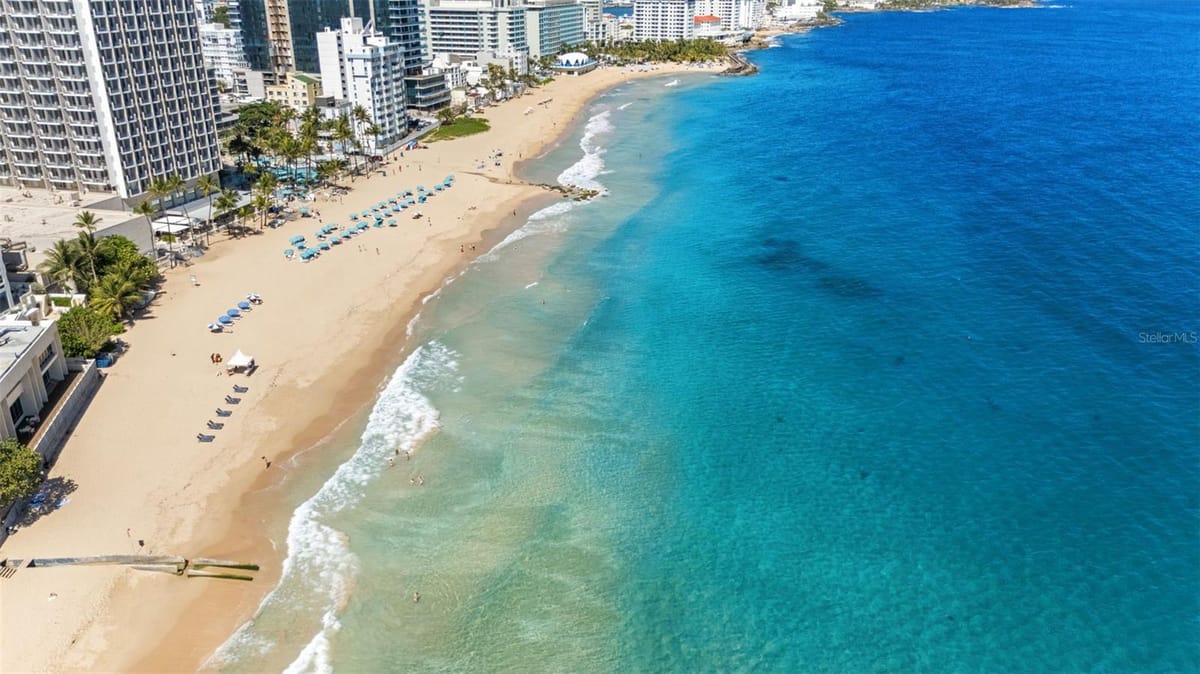
Condado and Isla Verde in San Juan, West Beach and Costa Dorada in Dorado, and Bahía Beach, Rio Mar and Coco Beach in Río Grande: closed-sale prices, buildings, fees a… Read more
Condado · Buyer Guides · New Developments · Luxury Real Estate
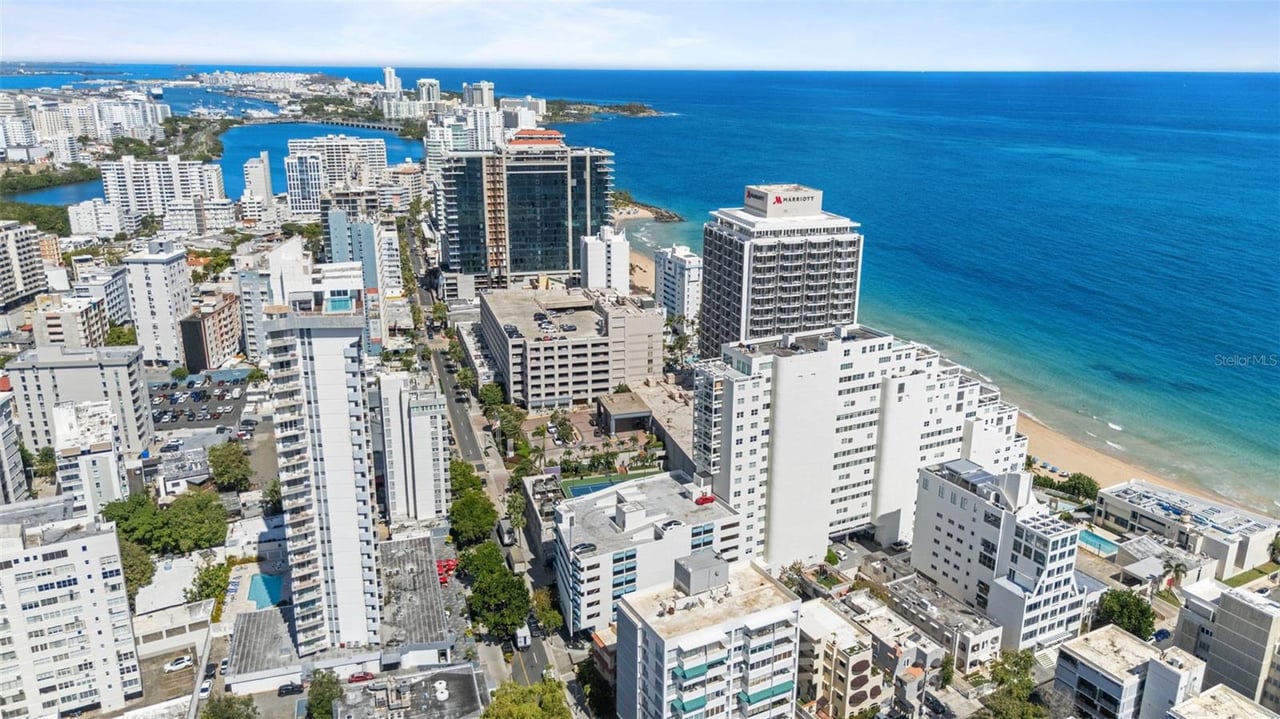
How to Compare Pricing, Amenities, HOA Costs, Market Evidence and Long-Term Value Before Buying a Condo in Condado

Condado · New Developments · Luxury Real Estate · Buyer Guides
A Buyer’s Guide to 1120 Ashford Avenue, New Construction, Pricing and How The ICON Fits Into Condado’s Changing Luxury Market

Condado, New Developments, Luxury Real Estate, Buyer Guides
A Buyer’s Guide to Condado’s New Oceanfront Luxury Development, Amenities, Pricing and Market Position

MARKET ANALYSIS
60 Closed Sales, $73.9M in Volume — and a New Generation of Luxury Development Is Reshaping Condado
Puerto Rico Buying Guides
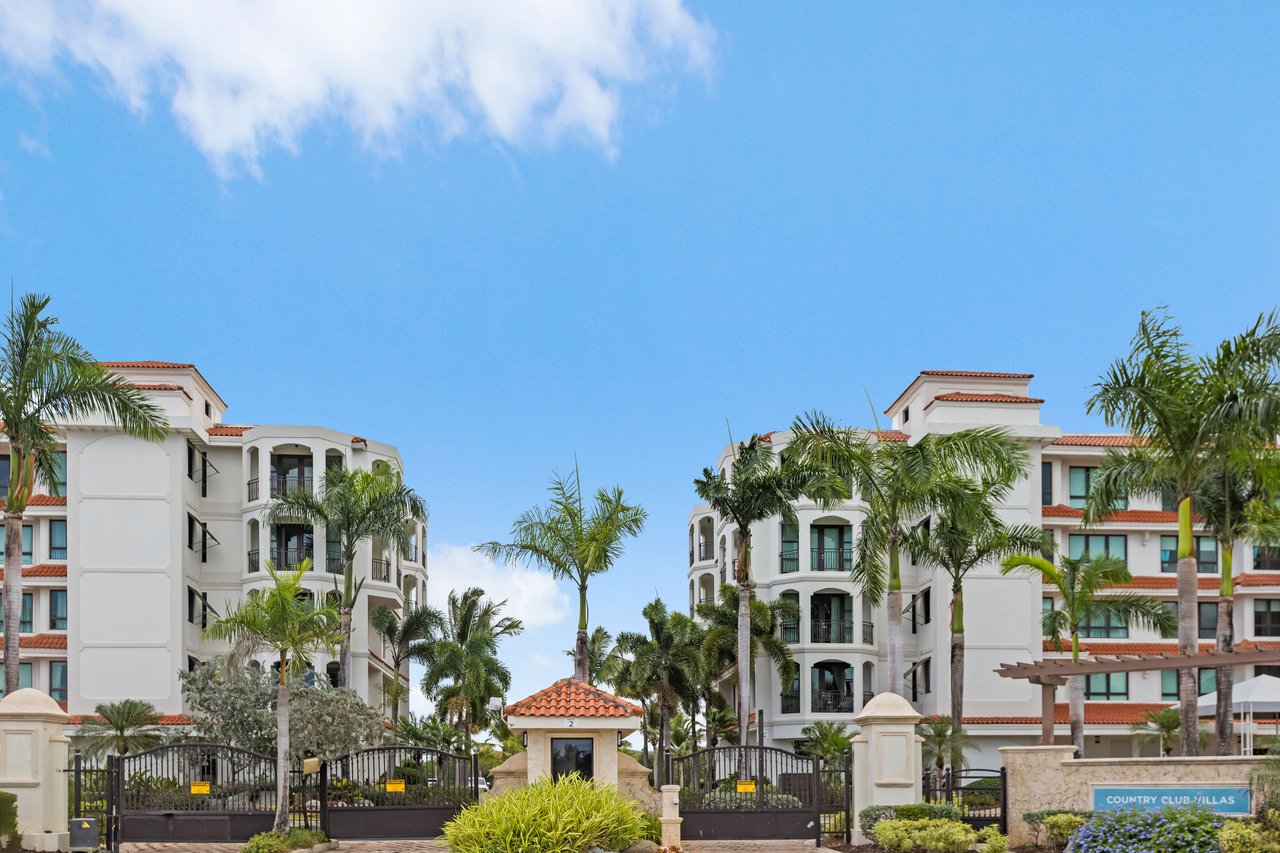
HOA structures, insurance, backup infrastructure, rental restrictions, resort privileges and comparable sales can matter as much as the view. Here’s what buyers should… Read more
Puerto Rico Buying Guides
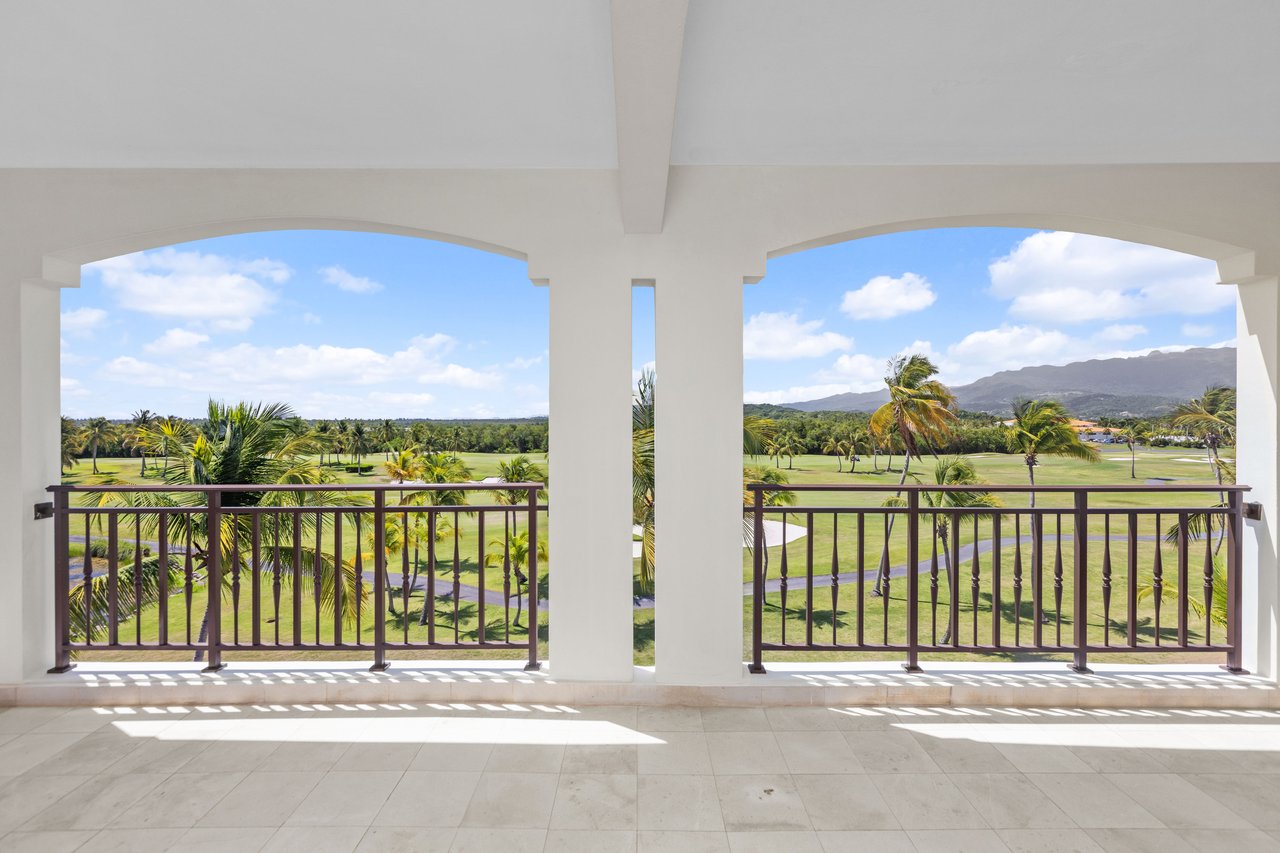
Ocean views may command attention, but golf-front properties can offer space, privacy and a different ownership experience. Here’s how buyers should compare beachfront… Read more
We connect discerning buyers and sellers with the island’s most exclusive real estate opportunities. Our expertise and network ensure seamless transactions for both relocation under Act 60 and the sale of distinguished estates. We combine discretion, strategy, and global reach to represent your interests with excellence.