
Puerto Rico Real Estate Market Outlook: What Buyers and Sellers Should Expect in the Second Half of 2026
Market Reports, Buyers Guide, Sellers Guide, Puerto Rico Real Estate Lizvette Robles June 6, 2026
Market Reports, Buyers Guide, Sellers Guide, Puerto Rico Real Estate Lizvette Robles June 6, 2026
In the second half of 2026, Puerto Rico's luxury tier is still appreciating and still a seller's market, while the mid-market has moved toward balance. Q1 2026 data shows properties above $1 million in Dorado Beach, Condado and select Guaynabo communities appreciating 6 to 14 percent year over year, with Dorado Beach's median price per square foot at $820, up 14 percent. Below $500,000, appreciation has moderated, inventory has grown and buyers have more leverage than at any point in the past three years. Supply at the top remains structurally constrained, financing is stable, and the December 31, 2026 Act 60 deadline is compressing relocation buyers' timelines.
The market entered 2026 in a position that would have been difficult to predict five years ago: supply constrained at the top tier, luxury appreciation outpacing most U.S. coastal markets, and a buyer pool increasingly defined by deliberate, long-term relocation rather than speculation. As the second half of the year begins, the picture has become more nuanced, and more consequential to read correctly whether you are buying, selling or evaluating your position. This report draws on Stellar MLS transaction data, current inventory trends and the policy environment shaping demand across Puerto Rico's primary markets.
The single most important thing to understand about Puerto Rico real estate in 2026 is that there is no single market. Dorado Beach, Condado, Old San Juan, Guaynabo, Bayamón and the secondary island markets each operate under different supply, demand and buyer-profile dynamics. Treating the island as one market produces decisions that make sense in theory and fail in practice.
The luxury corridor, meaning properties above $1 million in Dorado, Condado and select Guaynabo communities, continues to operate in a structurally different environment from the broader mid-market. Q1 2026 data shows continued appreciation of 6 to 14 percent year over year in the luxury segment depending on the specific market, while appreciation below the $500,000 threshold has moderated. The implications are significant: the strategy for buying or selling a $2 million residence in Dorado has almost nothing in common with the strategy for a $350,000 property in Bayamón.
The defining structural dynamic of the luxury market in 2026 is supply, and specifically the persistent lack of it. New construction deliveries island-wide are expected to reach approximately 420 units in 2026, and luxury inventory remains historically constrained. Permit activity is expected to increase slightly but stay below pre-pandemic levels, as high construction costs, labor constraints and permitting bottlenecks continue to limit the pace of new supply. That is unlikely to resolve in the near term.
For buyers, waiting for more luxury inventory to appear is not a reliable strategy. The conditions that create scarcity are not cyclical. They are endemic to how development works on an island with geographic limits, a complex permitting process and a construction ecosystem that has not recovered to full capacity since Maria.
Dorado Beach continues to define the upper end of the residential market. The median price per square foot in the resort corridor reached $820 in early 2026, up 14 percent year over year. The community has approximately 1,100 residential units and turnover is low. Available inventory is routinely accessed through direct broker relationships rather than public MLS portals, which means buyers without representation in this specific market frequently miss opportunities before they ever reach a listing.
The appreciation trajectory in Dorado Beach and select coastal enclaves has begun to rival Miami, the Hamptons and Malibu, not in absolute price but in rate of change. For buyers entering at this level, the supply constraint is not temporary. It is structural to how the community was designed and how it is governed.
Below the luxury threshold the market has moved toward balance. Increased listings in 2025 gave buyers more options and more negotiating leverage than they had in 2023 or 2024, and that trend is expected to continue through 2026 with active inventory rising across all price points below $500,000.
For buyers in this segment, the second half of 2026 offers a more favorable entry than any point in the past three years. Rental yields have also improved meaningfully, averaging 7.09 percent island-wide in Q1 2026, up from 5.26 percent the prior year, which makes income-producing properties in this range more attractive to investors who found yields compressed during the 2022 to 2024 appreciation cycle.
Mortgage rates are expected to hold within a stable range through the rest of 2026. They are unlikely to return to the lows of 2020 and 2021, but stabilization supports planning across all buyer segments. For luxury buyers, many of whom purchase in cash or with significant down payments, rate conditions are less determinative than for mid-market buyers, but the stable environment removes a meaningful source of uncertainty from timing decisions.
By mid-2025, the total volume of residential mortgage loans held by Puerto Rico's financial institutions reached approximately $11.35 billion, a 4.8 percent increase year over year. The mortgage market remains well below its 2014 peak, reflecting both the growing share of cash transactions in the luxury segment and demographic shifts in the broader market.
The regulatory changes introduced under Act 38-2026 have created a specific urgency that is now visible in transaction activity. The introduction of a 4 percent tax on passive investment income for new Act 60 Resident Investor decree applicants after December 31, 2026 has effectively created a two-tier system, and it has accelerated the timelines of buyers who had been evaluating Puerto Rico for 12 to 18 months without moving to contract.
For sellers of properties aligned with the Act 60 buyer profile, meaning primary residences in Dorado, Condado and Guaynabo at price points consistent with relocation budgets, the second half of 2026 is a specific and time-limited window. The buyers most motivated to close before December 31 are also the buyers most willing to move at or near asking price on well-positioned properties. That dynamic is not permanent. It ends when the deadline passes. The details of the change are on our Act 60 tax incentives page.
The second half of 2026 offers sellers of luxury properties in prime markets a favorable combination of Act 60 urgency, stable financing and continued supply constraints. Properties with clean title documentation, modern infrastructure and strong lifestyle positioning will command premiums. Properties that lack those characteristics, regardless of price, will face longer absorption in a market that has become more discerning about quality.
The Act 60 buyer making a relocation decision is not making a purely lifestyle choice. They are making a compliance-driven decision with a legal and financial structure attached to it, and the marketing, pricing and transaction approach for reaching and converting that buyer has to reflect it.
For buyers evaluating a purchase in the luxury corridor, the Act 60 deadline creates a clear incentive to move from evaluation to action. Beyond the tax implications, the structural supply constraints in Dorado, Condado and Guaynabo mean better inventory is not reliably coming. The properties that meet the criteria on location, legal cleanliness, infrastructure and lifestyle positioning are the properties available now.
For buyers in the mid-market the environment is more patient. More inventory, more leverage and improving affordability make the second half of 2026 a reasonable moment to move deliberately rather than urgently. The discipline that matters in this segment is pricing and due diligence, not speed.
In the luxury segment, meaning properties above $1 million in Dorado Beach, Condado and Guaynabo, yes. Q1 2026 data shows appreciation of 6 to 14 percent year over year depending on location and product type. In the mid-market below $500,000, appreciation has moderated and the market has shifted toward balance.
It depends on the segment. The luxury tier above $1 million remains a seller's market, driven by structural inventory constraints and Act 60-driven urgency. The mid-market below $500,000 has shifted toward balance, with more active listings and more buyer negotiating leverage than in recent years.
The December 31, 2026 deadline to lock in the 0% rate under Act 60 is accelerating buyer timelines. Prospective relocators who had been evaluating Puerto Rico for 12 to 18 months are moving more quickly to contract, particularly for primary residences in Dorado, Condado and Guaynabo. That urgency is expected to sustain elevated demand in the Act 60 price range through the end of the year.
Luxury inventory remains historically constrained. New construction completions island-wide are expected to reach approximately 420 units in 2026. In communities like Dorado Beach, with roughly 1,100 total residential units and low turnover, available inventory is extremely limited and is often accessed through direct broker relationships rather than public MLS portals.
Average rental yields island-wide reached 7.09 percent in Q1 2026, up from 5.26 percent the prior year. Yields vary significantly by location and property type. In San Juan, gross rental yields for apartments range from approximately 3.49 to 5.2 percent. Coastal resort markets and short-term rentals in high-demand areas can produce materially different results.
Properties with modern infrastructure, renewable energy systems, hurricane-resistant construction, legally clean titles and locations inside established luxury communities are commanding the strongest premiums. Buyers in 2026 are prioritizing functionality, documentation quality and infrastructure resilience as much as aesthetics and location.
For sellers of luxury properties in Dorado, Condado, Old San Juan and select Guaynabo communities, yes. Act 60 urgency, stable financing and continued supply constraints create a favorable environment for well-positioned properties through the end of 2026. Properties in secondary markets or below the luxury threshold face a more balanced environment that demands stronger pricing discipline and marketing.
In appreciation rate, Dorado Beach is beginning to track alongside Miami, the Hamptons and Malibu, not in absolute price but in year-over-year rate of change. The combination of supply constraints, Act 60 demand and U.S. jurisdictional certainty is producing appreciation dynamics that serious investors are paying attention to.
The second half of 2026 rewards buyers and sellers who are informed, prepared and working with advisors who understand both the financial dynamics and the human reality of a relocation decision. We track conditions across Dorado, Río Grande, Condado, Old San Juan and Guaynabo on an ongoing basis. If you are evaluating a purchase or a sale, tell us your target area and we will give you a current, accurate picture of what the market looks like there, whether you are buying, selling or still deciding.
Antonio Cartagena, Broker Lic. C-13471 · Lizvette Robles, Lic. 23765 · (787) 717-6443
Stay up to date on the latest real estate trends.
Condado · Relocation · Buyer Guides · Puerto Rico Real Estate
What Buyers Should Know About Walkability, Schools, Healthcare, Condos, Transportation and Choosing the Right Property Before Moving to Condado
Act 13-2026 gives you a deadline to see the building rules. Act 157-2026 moves disputes out of DACO and into the courts.
Condado · Buyer Guides · Luxury Real Estate · Puerto Rico Real Estate
How Views, Exposure, Location, Noise, Walkability and Resale Position Differ Across Condado’s Two Waterfronts
Condado · Buyer Guides · Puerto Rico Real Estate · Luxury Real Estate
HOA Fees, Insurance, Property Taxes, Assessments and the Expenses Buyers Should Understand Before Purchasing in Condado

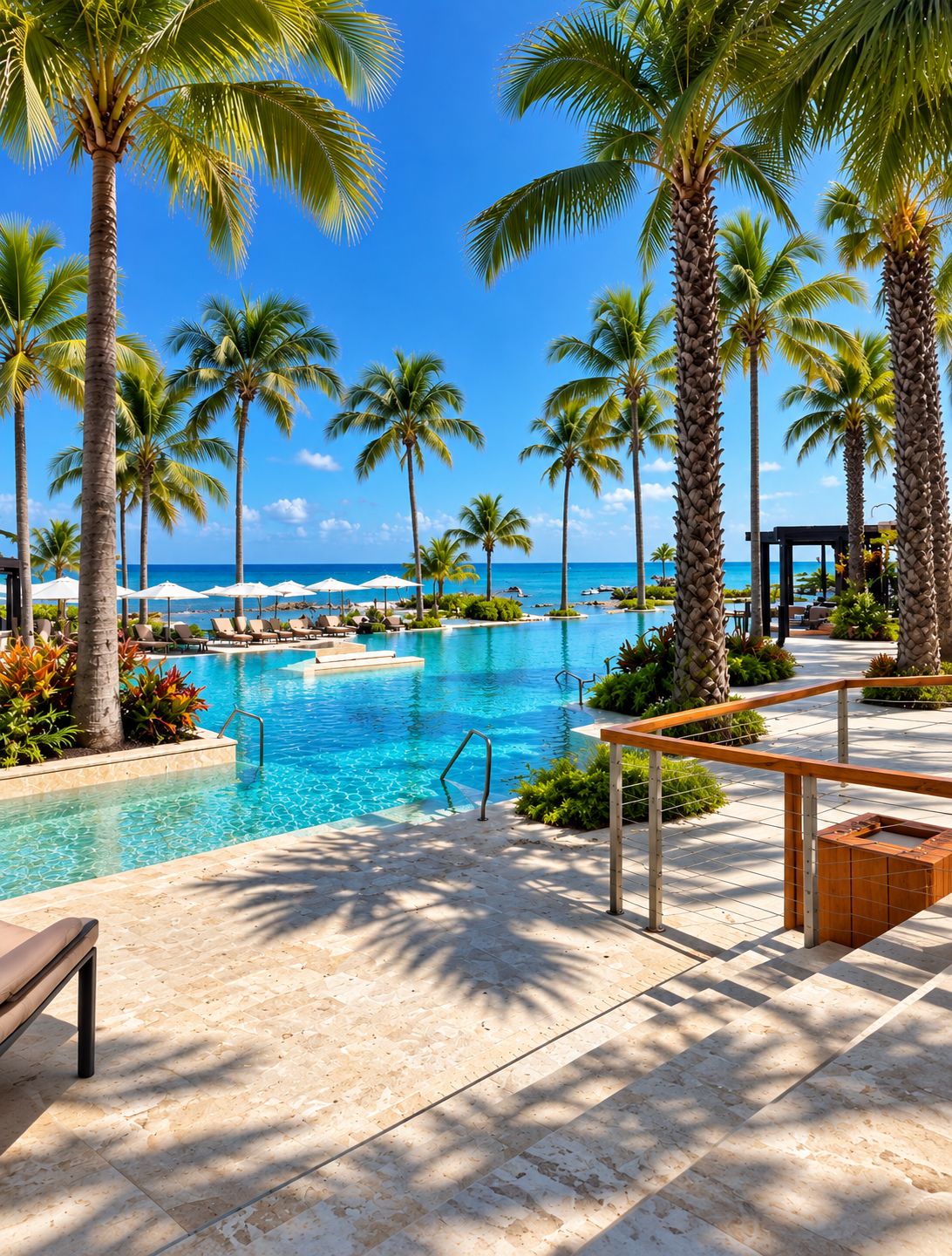
LUXURY COMMUNITIES
44 residences from $1.2M between Garden Hills and San Patricio. What $818 per square foot means if you are buying, and what it changes if you already own in the area.
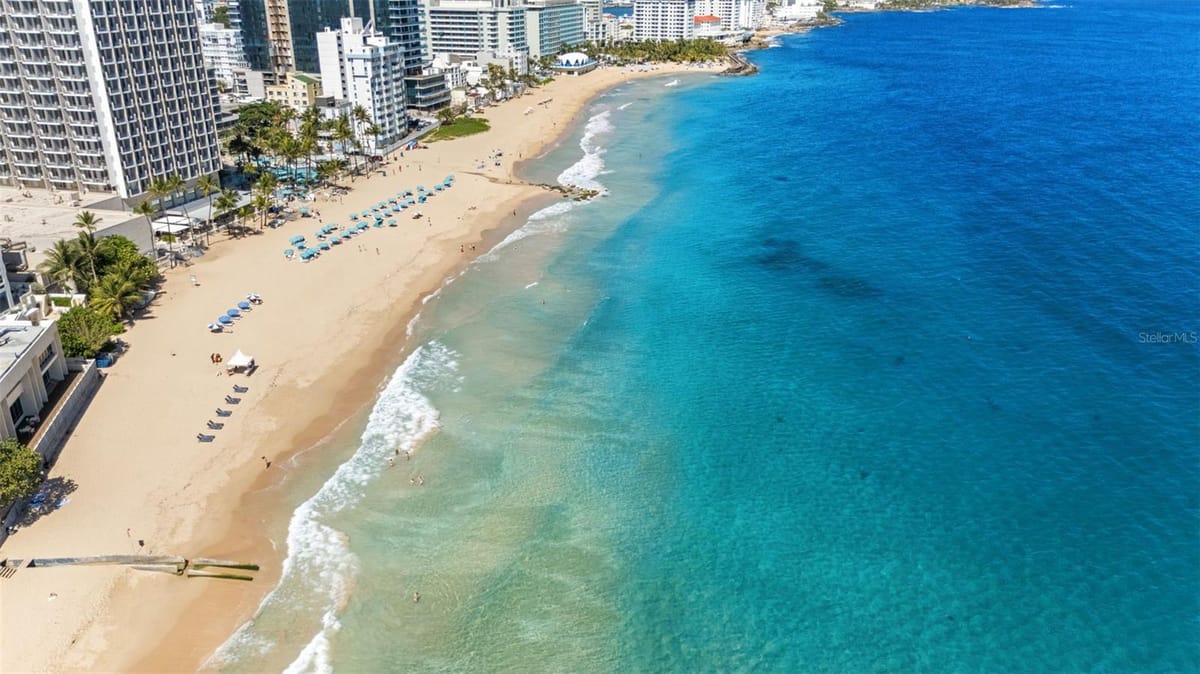
LUXURY COMMUNITIES
Forty Stellar MLS closed sales across eight communities, from $136 to $3,110 per square foot, what sellers actually accept, and what the maintenance fee adds.
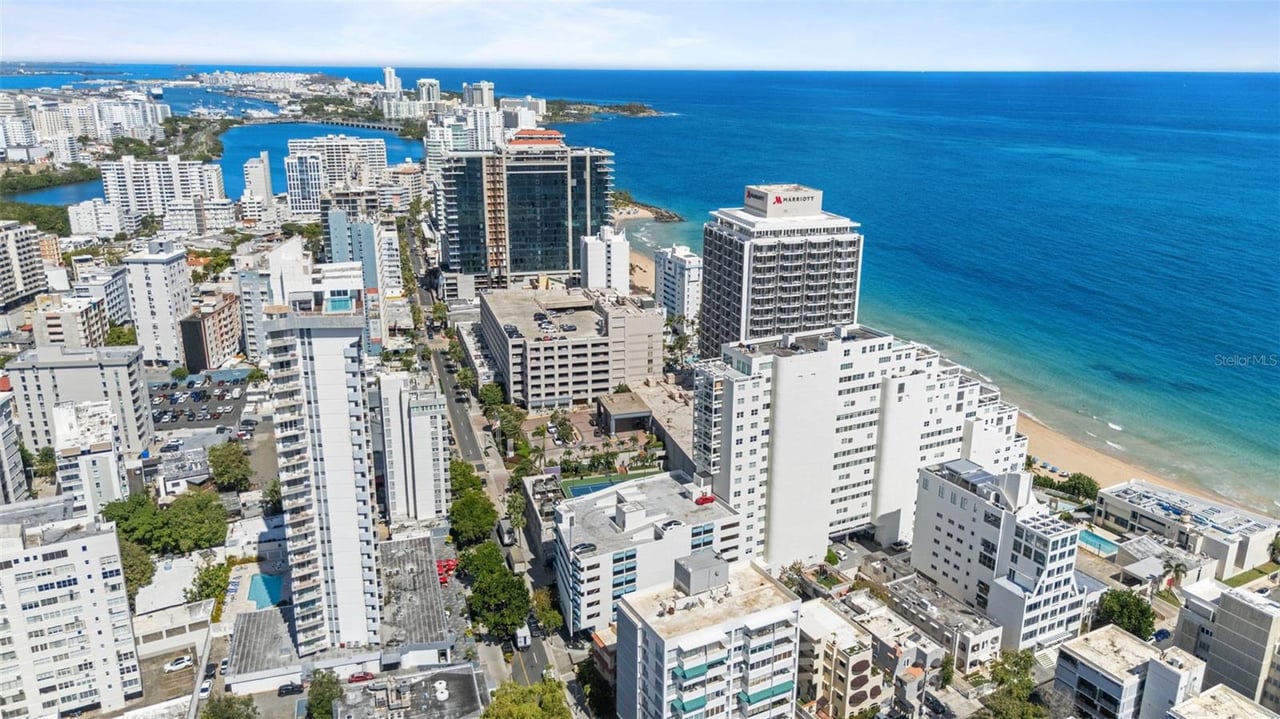
LUXURY COMMUNITIES
Condado and Isla Verde in San Juan, West Beach and Costa Dorada in Dorado, and Bahía Beach, Rio Mar and Coco Beach in Río Grande: closed-sale prices, buildings, fees a… Read more
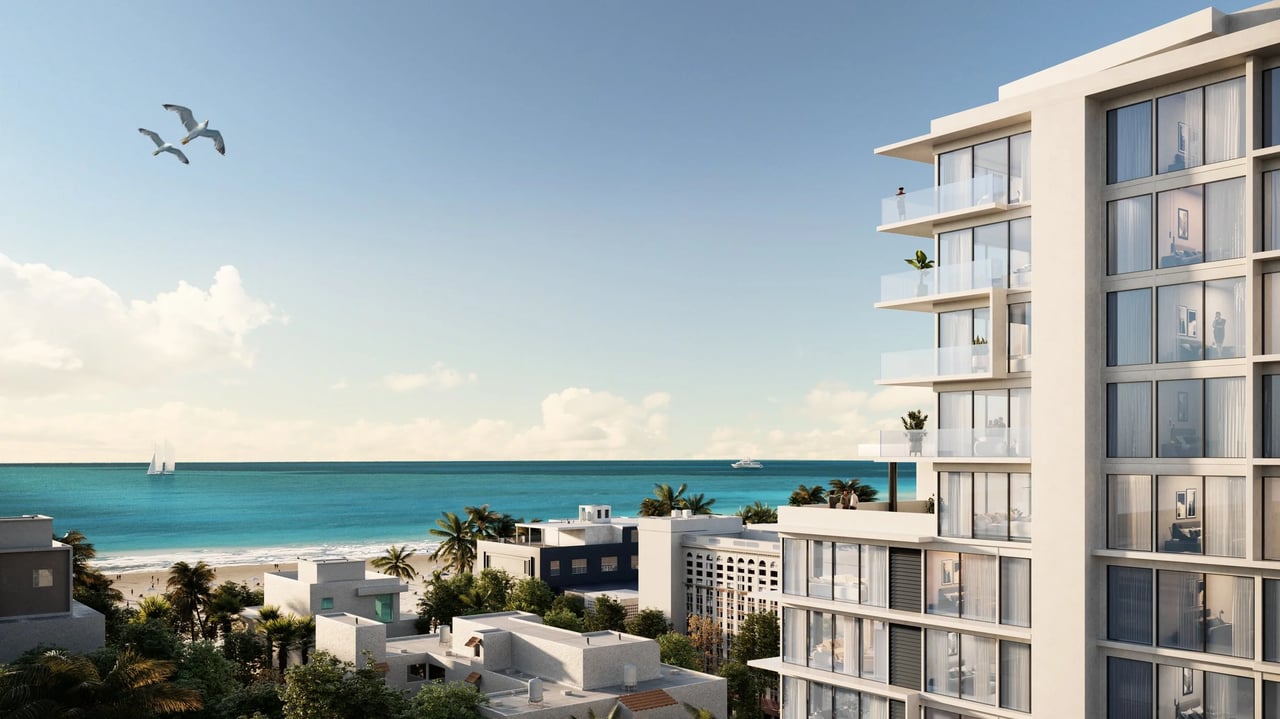
Condado · Buyer Guides · New Developments · Luxury Real Estate
How to Compare Pricing, Amenities, HOA Costs, Market Evidence and Long-Term Value Before Buying a Condo in Condado
Condado · New Developments · Luxury Real Estate · Buyer Guides
A Buyer’s Guide to 1120 Ashford Avenue, New Construction, Pricing and How The ICON Fits Into Condado’s Changing Luxury Market
We connect discerning buyers and sellers with the island’s most exclusive real estate opportunities. Our expertise and network ensure seamless transactions for both relocation under Act 60 and the sale of distinguished estates. We combine discretion, strategy, and global reach to represent your interests with excellence.