Closing Costs When Buying Property in Puerto Rico: What to Budget For
Buyers Guide, Financing, Puerto Rico Real Estate Lizvette Robles June 2, 2026
Buyers Guide, Financing, Puerto Rico Real Estate Lizvette Robles June 2, 2026
Closing costs are one of the most consistently underestimated parts of buying property in Puerto Rico. Buyers who budget carefully for their down payment often arrive at the closing table surprised by the additional fees required to transfer ownership and record the transaction. This guide breaks down exactly what to expect, and why Puerto Rico's closing process differs from what most mainland buyers are used to.
How Puerto Rico Closing Works Differently
The first thing buyers need to understand is that Puerto Rico operates under a civil law system rooted in Spanish legal tradition, not the common law framework used in most U.S. states. Title companies are far less prevalent here than on the mainland. Instead, a Puerto Rico Notary Public, who is also a licensed attorney, executes all property transfers, prepares and formalizes the public deed, verifies the legality of the transfer, ensures compliance with registry requirements, and oversees the recording of the transaction.
This notarial structure affects both the cost and the process of closing. Buyers cannot simply rely on the systems and assumptions they bring from a mainland transaction. What Buyers Should Budget
The total closing cost figure depends significantly on whether the purchase is cash or financed. Most buyers should anticipate approximately 1 to 3 percent of the purchase price for cash transactions, and approximately 3 to 5 percent, potentially more, when financing is involved. For luxury properties with higher valuations, complex financing structures, or resort community obligations, the total can exceed these ranges.
For cash closings, budgeting 3 to 6 percent is prudent, while financed closings typically run 5 to 8 percent once HOA capital contributions and lender fees are factored in. Notary fees, title work, and stamp and registry charges usually create the biggest variability in the final number. Here is a breakdown of the primary cost categories: Notary Fees
In Puerto Rico, the notary public is a licensed attorney involved in every real estate transaction. Their role is to ensure the legality of the documents, prepare the deed, and register it with the Property Registry. Fees generally range from 1 to 2 percent of the purchase price depending on the complexity of the transaction.
Stamp Tax and Government Charges The stamp tax applies to the actual purchase price, not the assessed value, which makes it particularly impactful for luxury properties that trade above their assessed figures. Government charges are non-negotiable and must be factored into the buyer's closing budget from the start. Title Search and Title Insurance
Title review can surface easements, restrictions, liens, HOA balances, or record inconsistencies that must be cleared before closing. Title search and insurance planning typically ranges from $2,000 to $8,000 depending on coverage limits and property value.
It is worth noting that unlike the mainland, title insurance in Puerto Rico is optional rather than standard, but that does not mean buyers should overlook it. Given the complexity of some property records on the island, title insurance is a meaningful form of protection that experienced buyers increasingly include. Lender and Bank Fees (Financed Purchases)
Buyers financing their purchase should also account for bank fees, which may include origination fees generally ranging from 0.5 to 1 percent of the loan amount, credit report fees, and other administrative charges. CRIM Prorations
CRIM, the Centro de Recaudación de Ingresos Municipales, administers property taxes in Puerto Rico. At closing, property taxes are typically prorated between buyer and seller based on the closing date. One of the most common surprises sellers and buyers encounter is outdated CRIM records or assessment discrepancies that surface late in the transaction. Buyers should request a CRIM status verification early in the due diligence process to avoid delays.
HOA and Community Fees For buyers purchasing in gated communities, resort developments, or condominium buildings, particularly relevant in Dorado, Condado, and select Guaynabo communities, HOA capital contributions can represent a meaningful additional cost at closing. These are specific to each development and should be confirmed directly with the HOA or property manager before finalizing the purchase agreement. Who Pays What
Who pays which closing costs in Puerto Rico is often set by custom or negotiated in the contract. Sellers typically bear the real estate commission and their own notary and legal fees, while buyers cover their financing costs, title work, government charges, and their share of CRIM prorations. In competitive markets, these allocations can shift as part of offer negotiations, understanding the full picture gives buyers a stronger negotiating position.
The Luxury Market Distinction For buyers entering the Puerto Rico luxury market, properties in Dorado Beach, Condado, Old San Juan, or Guaynabo's premier communities, closing costs carry additional complexity. Resort community obligations, complex ownership structures, and higher transaction values all interact with the fee calculations above. Many luxury transactions also carry added legal, government-filing, and due-diligence requirements that can surprise even experienced buyers.
Retaining a dedicated real estate attorney on the buyer's side, separate from the notary, is common practice at this price point and adds an important layer of contract review and title risk assessment before committing to a closing date. Frequently Asked Questions How much are closing costs in Puerto Rico?
It depends on whether you are paying cash or financing. Cash buyers should budget between 3 and 6 percent of the purchase price. Financed buyers should plan for 5 to 8 percent. Luxury properties with complex structures or resort community obligations can exceed these ranges.
Who pays closing costs in Puerto Rico, buyer or seller? Both parties pay different costs. Sellers generally cover the real estate commission and their own legal fees. Buyers cover title work, government charges, notary fees on their side, lender costs if financing, and their share of the CRIM property tax proration. Allocation is negotiable and is often addressed in the purchase agreement.
Do I need a lawyer to close on a property in Puerto Rico? Puerto Rico requires a licensed notary attorney to formalize every property transfer. However, the notary represents the transaction, not the buyer specifically. For luxury or complex purchases, retaining a separate buyer's attorney for contract review and title risk assessment is strongly advisable.
Is title insurance required in Puerto Rico? No. Unlike most mainland U.S. markets, title insurance in Puerto Rico is optional. That said, given the complexity of some property records on the island, experienced buyers, particularly those purchasing luxury or older properties, increasingly include it as a protective measure.
What is CRIM and why does it affect closing? CRIM is the Centro de Recaudación de Ingresos Municipales, the agency that administers property taxes in Puerto Rico. At closing, taxes are prorated between buyer and seller based on the closing date. Outdated CRIM records or assessment discrepancies are one of the most common causes of last-minute closing delays. Verifying CRIM status early in due diligence is necessary.
Can closing costs be negotiated in Puerto Rico? Yes, in part. Who pays which costs is often determined by negotiation between buyer and seller. Government taxes and notary fees are fixed by law, but items like title insurance, legal representation costs, and certain administrative fees can be structured as part of the offer.
What extra closing costs should luxury buyers expect in Puerto Rico? Luxury transactions in markets like Dorado Beach, Condado, and Guaynabo may include HOA capital contributions, resort community fees, higher title insurance amounts, and more extensive legal due diligence. Buyers should request a full cost projection from their agent before making an offer.
Work With Experts Who Know the Numbers The difference between a buyer who budgets accurately and one who is caught off guard at closing almost always comes down to who they worked with at the start. At InvEstate Puerto Rico, we walk every client through a realistic cost projection before they make an offer, so there are no surprises on signing day. If you are preparing to purchase property in Puerto Rico and want a clear picture of what closing will actually cost you, contact us directly. We are here to make sure you go to the table fully prepared.
Stay up to date on the latest real estate trends.

Act 60, the 1 January 2027 deadline, and the three IRS tests the decree does not cover.
255 sales closed above $1 million between January and October 2026. $597.7 million, and eight of every ten inside five municipalities.
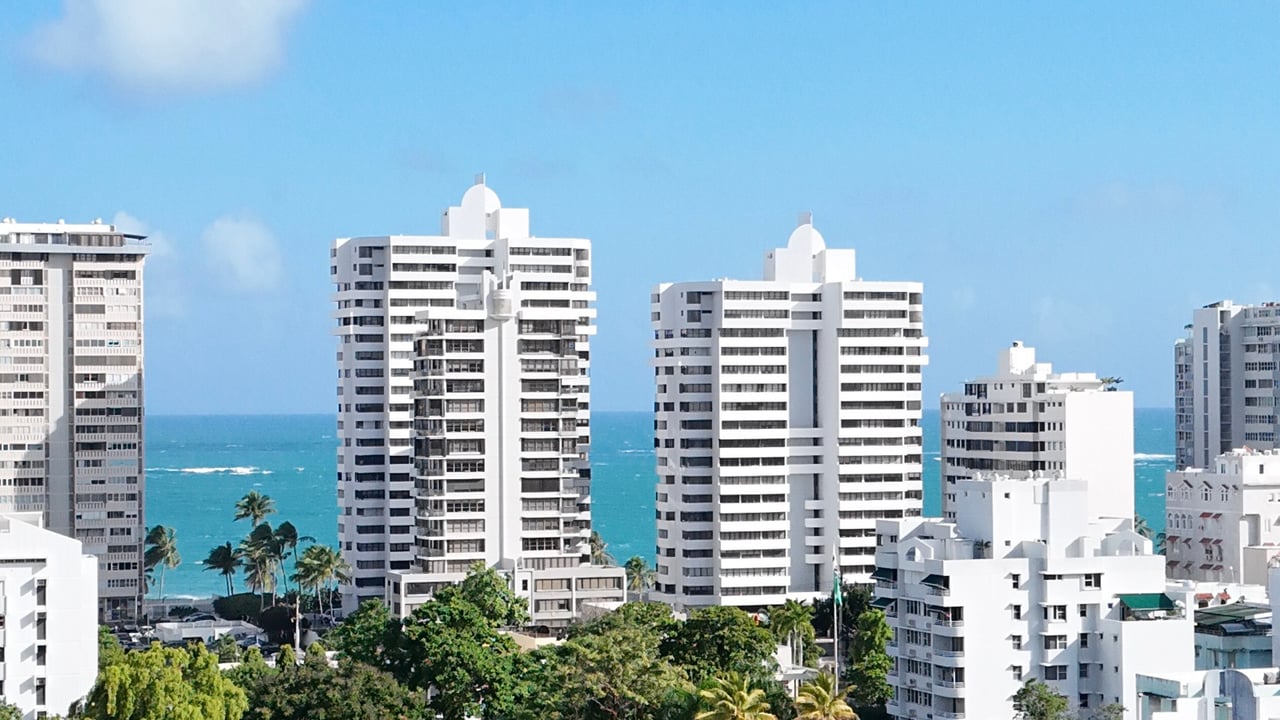
LUXURY CONDO
What 2,524 closed sales show, and the two 2026 rule changes that decide what a bank will finance.
What $1,477,000 buys on Puerto Rico's west coast, how it compares to closed sales above $1 million in Rincon and Boqueron, and what the $142 million Aguadilla airport … Read more
Condado · Buyer Guides · New Developments · Luxury Real Estate
What is still available, how to read the square footage, and what the project does not publish.
LUXURY CONDO
Fannie Mae and Freddie Mac raise the minimum condo reserve requirement to 15%. Puerto Rico law requires 5% - and lets buildings stop contributing altogether.
We connect discerning buyers and sellers with the island’s most exclusive real estate opportunities. Our expertise and network ensure seamless transactions for both relocation under Act 60 and the sale of distinguished estates. We combine discretion, strategy, and global reach to represent your interests with excellence.