Capital Gains Tax When Selling Property in Puerto Rico: What Sellers Need to Know
Sellers Guide, Taxes, Puerto Rico Real Estate, Act 60 Lizvette Robles June 3, 2026
Sellers Guide, Taxes, Puerto Rico Real Estate, Act 60 Lizvette Robles June 3, 2026
Capital gains on property sold in Puerto Rico are taxed at a flat 15 percent when the property was held for more than one year, and as ordinary income at progressive rates up to approximately 33 percent when held for less. Non-resident U.S. sellers face a 15 percent withholding on the gross sale price at closing, and foreign nationals 25 percent. Two exceptions change the picture: Law 180-2025 exempts the gain on a qualifying primary residence held two of the last five years, and Act 60 decree holders may pay 0 percent on appreciation accrued after establishing residency, with the terms for new applicants changing after December 31, 2026. Which rule applies depends on residency, holding period, use and decree status, and it should be settled before you list, not at the closing table.
For many property owners in Puerto Rico, the question of capital gains tax surfaces late, often after a listing agreement is already signed. Understanding your tax position before you sell is not just prudent planning; in the current regulatory environment it can be the difference between a well-structured transaction and an unexpected bill at closing. This guide covers the standard rules, who may qualify for exemptions, what Law 180-2025 introduced for primary residence sellers, and what the 2026 changes to Act 60 mean for investors and relocators.
Puerto Rico taxes capital gains based on how long the seller has held the asset. Long-term capital gains, on assets held for more than one year, are taxed at a flat 15 percent. Short-term gains on assets held for less than one year are treated as ordinary income and taxed at progressive rates that can reach approximately 33 percent. The gain is calculated as the difference between the selling price and the property's adjusted cost basis: the original purchase price plus major improvements, transaction costs incurred at purchase and legal fees, minus any depreciation claimed if the property was used for rental or business. Sellers who invested significantly in renovations over the years often find their taxable gain considerably lower than the raw appreciation suggests.
Sellers who are not bona fide residents of Puerto Rico face an additional layer of compliance. If you are not a resident and are selling property here, the buyer may be required to withhold 15 percent of the gross sales price for tax purposes. The withholding applies regardless of the actual gain realized and is separate from any eventual filing obligation. Foreign nationals generally face a 25 percent withholding rate on Puerto Rico-source long-term capital gains. Non-resident sellers should work with a Puerto Rico tax attorney well before closing to understand how the withholding interacts with their overall tax position.
One of the most meaningful recent changes to residential real estate taxation in Puerto Rico is Law 180-2025, which allows eligible homeowners to exclude the capital gain from the sale of their primary residence, provided specific statutory requirements are met. Historically, gains on residential sales here were taxable; this law introduces a significant exception for owner-occupied homes. To qualify, the property must have been the seller's primary residence for at least two of the last five years immediately preceding the sale, and qualification is not automatic. It requires documentation and careful review of the property's use history. Critically, individuals receiving Act 60 incentives are excluded, and sellers with active decrees need to evaluate their situation under a different framework entirely. We cover the eligibility rules in full in our Law 180-2025 guide.
For sellers and investors operating under Act 60 the picture is more favorable, more nuanced and, in 2026, time-sensitive. Individuals who qualify as bona fide residents with an Act 60 decree may pay a 0 percent Puerto Rico tax rate on qualifying capital gains, but only on appreciation that occurs after establishing residency. Assets owned before becoming a resident are treated differently: if sold within 10 years of relocating, the gain is generally taxed at 15 percent, and if sold after 10 years but before 2036, at 5 percent.
The most significant development for Act 60 in 2026 is Act 38-2026. It extends the Individual Resident Investor program through December 31, 2055, but imposes a 4 percent income tax on dividends, interest and certain capital gains for investors who submit decree applications after December 31, 2026. Investors who apply for and obtain their decree on or before that date retain the current structure: capital gains realized after becoming a Puerto Rico resident are generally subject to 0 percent Puerto Rico tax if recognized before January 1, 2036. For anyone considering an Act 60 relocation with a real estate component, the deadline is not abstract. It directly affects the rate that will apply to future gains. The current terms are on our Act 60 tax incentives page.
The most common mistake sellers make is treating capital gains as an afterthought. In Puerto Rico, the tax implications of a sale depend on residency status, how long the property was held, how it was used, whether Act 60 is in play and whether Law 180 eligibility has been verified. None of those questions should be answered at the closing table. Sellers who understand their position before listing can time the transaction strategically, price with full knowledge of net proceeds and avoid the kind of surprises that erode equity built over years. We guide clients through the full picture, including connecting them with experienced tax counsel when the situation calls for it, and our guide to the hidden costs of selling in Puerto Rico covers the other line items between sale price and net.
Long-term capital gains, on property held for more than one year, are taxed at a flat 15 percent. Short-term gains are taxed as ordinary income at rates up to approximately 33 percent.
Potentially, under Law 180-2025. If the property was your primary residence for at least two of the last five years you may qualify for an exemption. Qualification is not automatic and must be verified and documented. Sellers with active Act 60 decrees are excluded.
The buyer is generally required to withhold 15 percent of the gross sales price at closing for non-resident U.S. sellers. Foreign nationals face a 25 percent withholding rate. The withholding is applied to the gross sale price, not only the gain, and is reconciled through a subsequent tax filing.
Capital gain is the selling price minus the adjusted cost basis. The adjusted cost basis includes the original purchase price, major improvements and transaction costs from the original purchase, minus any depreciation taken if the property was used as a rental or for business.
Act 60 provides a 0 percent rate on capital gains accrued after establishing bona fide residency, but only on appreciation that occurs after relocation. Gains on property purchased before moving to Puerto Rico are taxed at 15 percent if sold within 10 years and 5 percent if sold after 10 years. Real estate located on the U.S. mainland does not qualify for the 0 percent treatment.
Act 38-2026 extended the Individual Resident Investor program through 2055 but introduced a 4 percent tax on capital gains, dividends and interest for applicants who file after December 31, 2026. Individuals with decrees obtained before that date keep the original 0 percent structure through 2035.
Yes, especially if the property has appreciated significantly, if you are a non-resident, if Act 60 is involved or if the property was used as a rental. The intersection of Puerto Rico tax law, U.S. federal obligations and Act 60 compliance requires professional guidance specific to your situation.
Selling property in Puerto Rico involves more than a listing price and a closing date. The tax implications are real, and the rules changed meaningfully in the past year. We work with sellers across the luxury market, from Condado and Old San Juan to Dorado and Guaynabo, and we make sure every client goes into a transaction with clarity rather than surprises. Tell us about the property and how long you have owned it, and we will show you what a sale would actually net.
Antonio Cartagena, Broker Lic. C-13471 · Lizvette Robles, Lic. 23765 · (787) 717-6443
Stay up to date on the latest real estate trends.
Condado · Buyer Guides · Puerto Rico Real Estate · Luxury Real Estate
HOA Fees, Insurance, Property Taxes, Assessments and the Expenses Buyers Should Understand Before Purchasing in Condado

LUXURY COMMUNITIES
44 residences from $1.2M between Garden Hills and San Patricio. What $818 per square foot means if you are buying, and what it changes if you already own in the area.
LUXURY COMMUNITIES
Forty Stellar MLS closed sales across eight communities, from $136 to $3,110 per square foot, what sellers actually accept, and what the maintenance fee adds.
LUXURY COMMUNITIES
Condado and Isla Verde in San Juan, West Beach and Costa Dorada in Dorado, and Bahía Beach, Rio Mar and Coco Beach in Río Grande: closed-sale prices, buildings, fees a… Read more
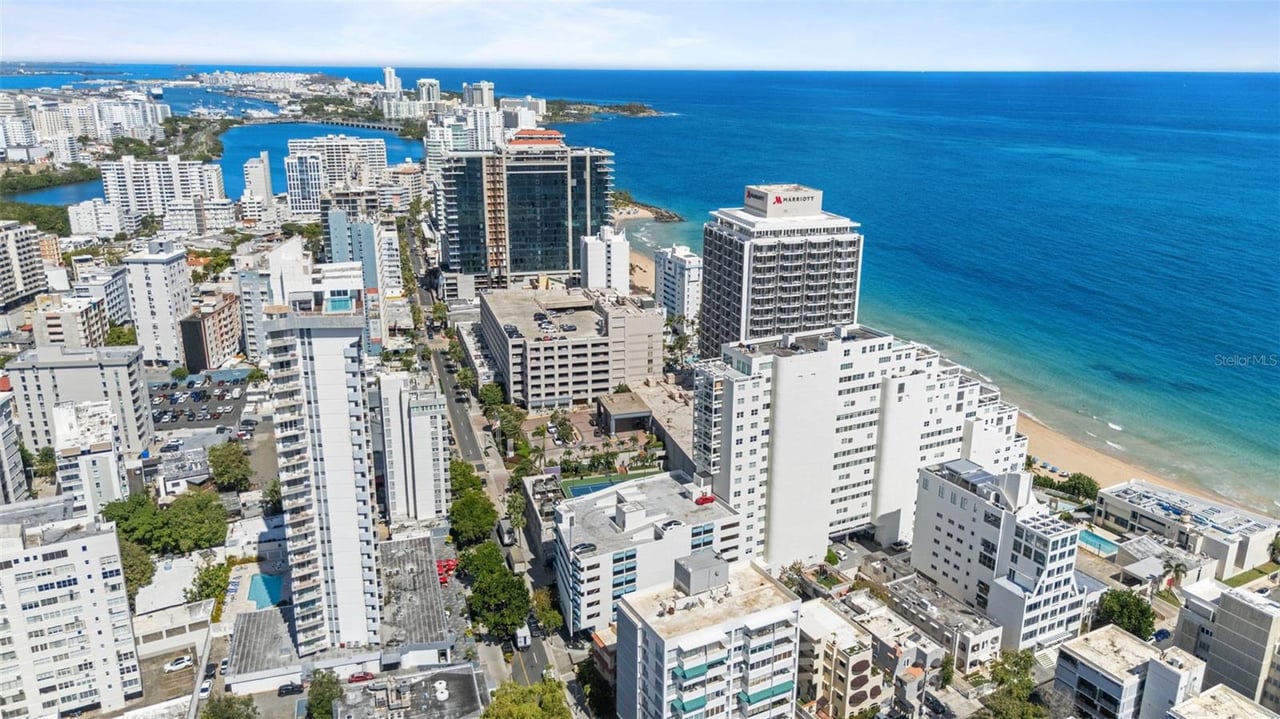
Condado · Buyer Guides · New Developments · Luxury Real Estate
How to Compare Pricing, Amenities, HOA Costs, Market Evidence and Long-Term Value Before Buying a Condo in Condado
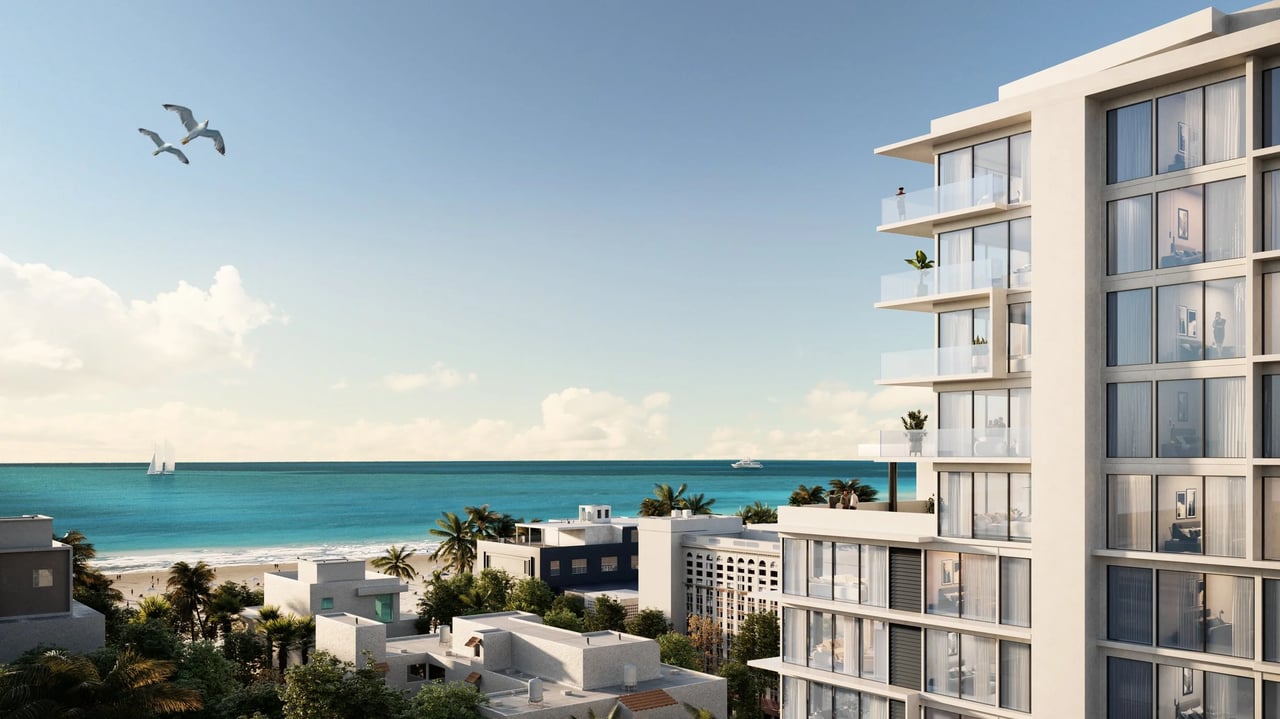
Condado · New Developments · Luxury Real Estate · Buyer Guides
A Buyer’s Guide to 1120 Ashford Avenue, New Construction, Pricing and How The ICON Fits Into Condado’s Changing Luxury Market
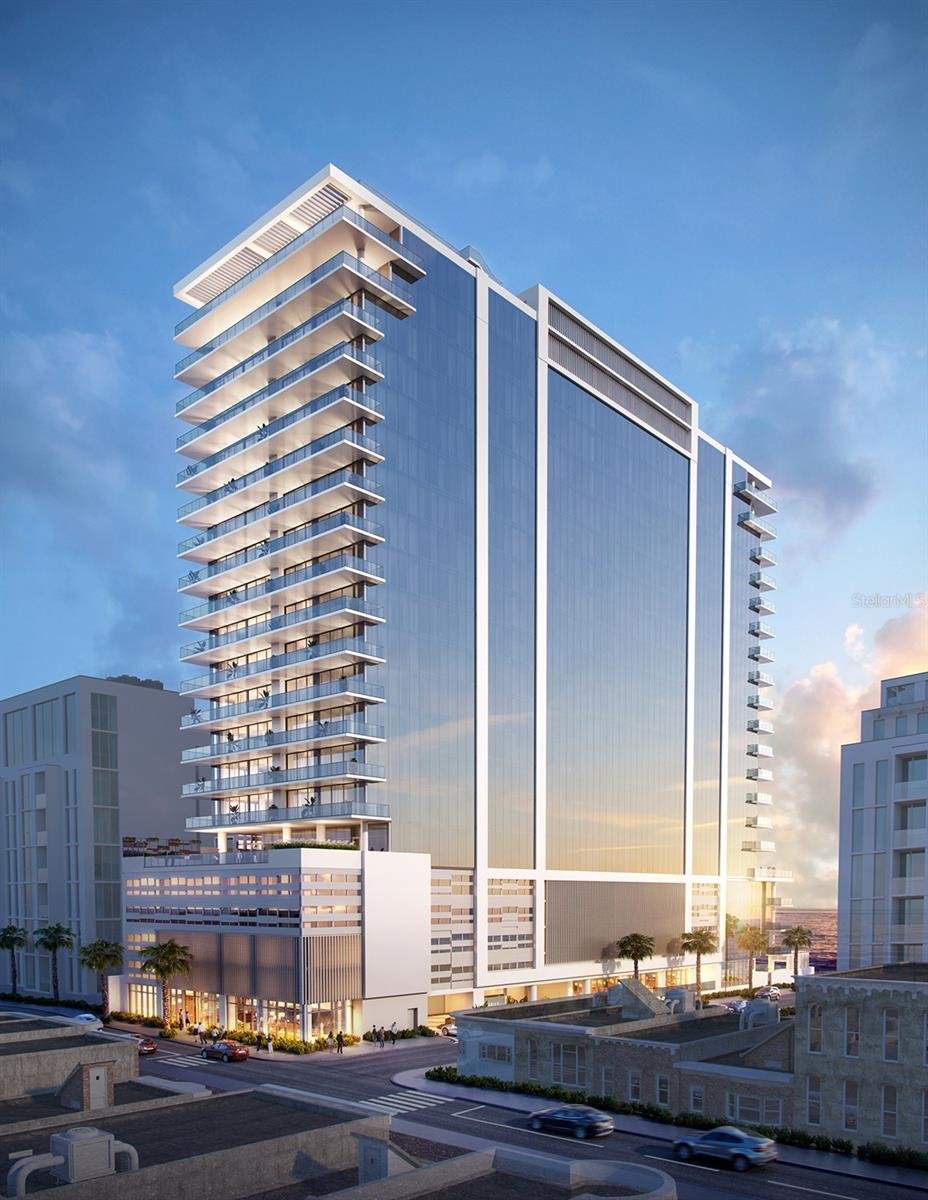
Condado, New Developments, Luxury Real Estate, Buyer Guides
A Buyer’s Guide to Condado’s New Oceanfront Luxury Development, Amenities, Pricing and Market Position

MARKET ANALYSIS
60 Closed Sales, $73.9M in Volume — and a New Generation of Luxury Development Is Reshaping Condado
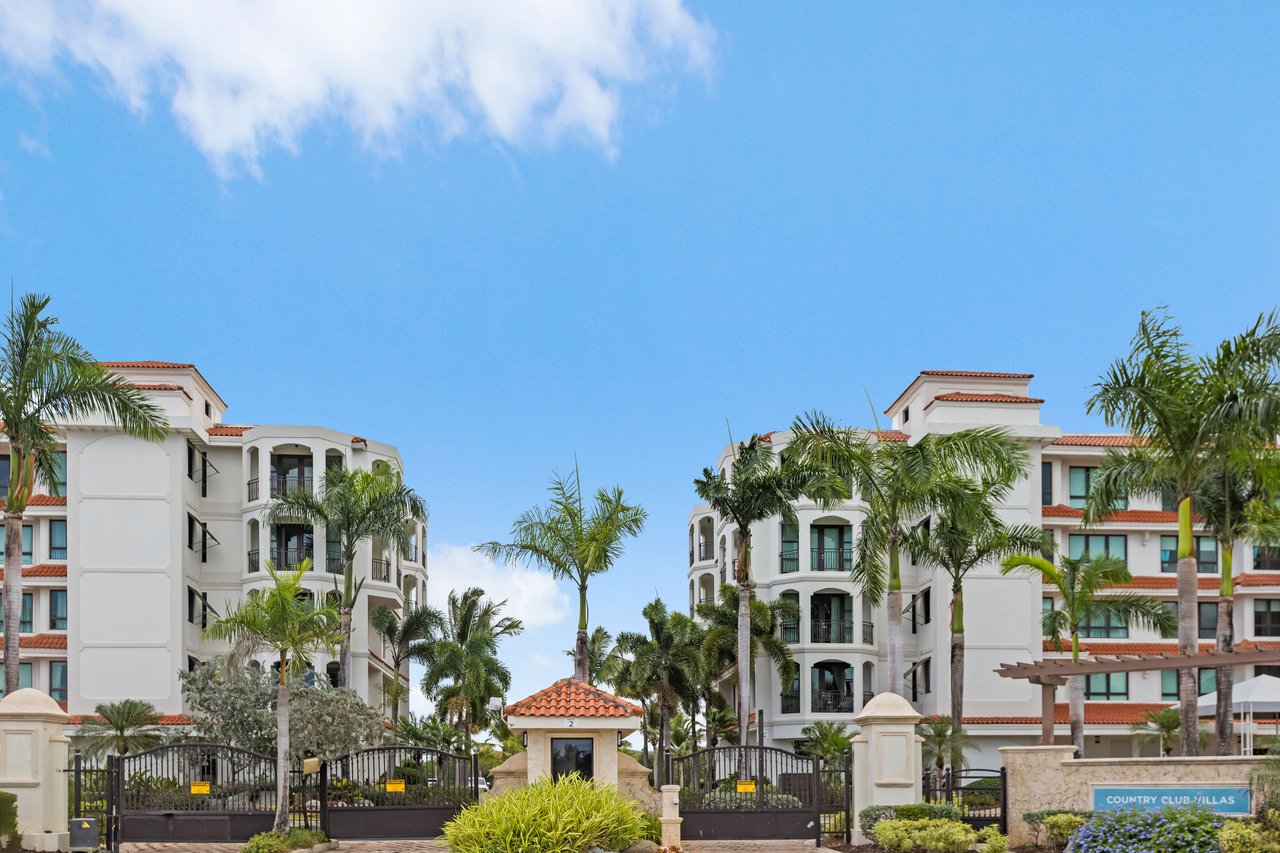
Puerto Rico Buying Guides
HOA structures, insurance, backup infrastructure, rental restrictions, resort privileges and comparable sales can matter as much as the view. Here’s what buyers should… Read more
We connect discerning buyers and sellers with the island’s most exclusive real estate opportunities. Our expertise and network ensure seamless transactions for both relocation under Act 60 and the sale of distinguished estates. We combine discretion, strategy, and global reach to represent your interests with excellence.