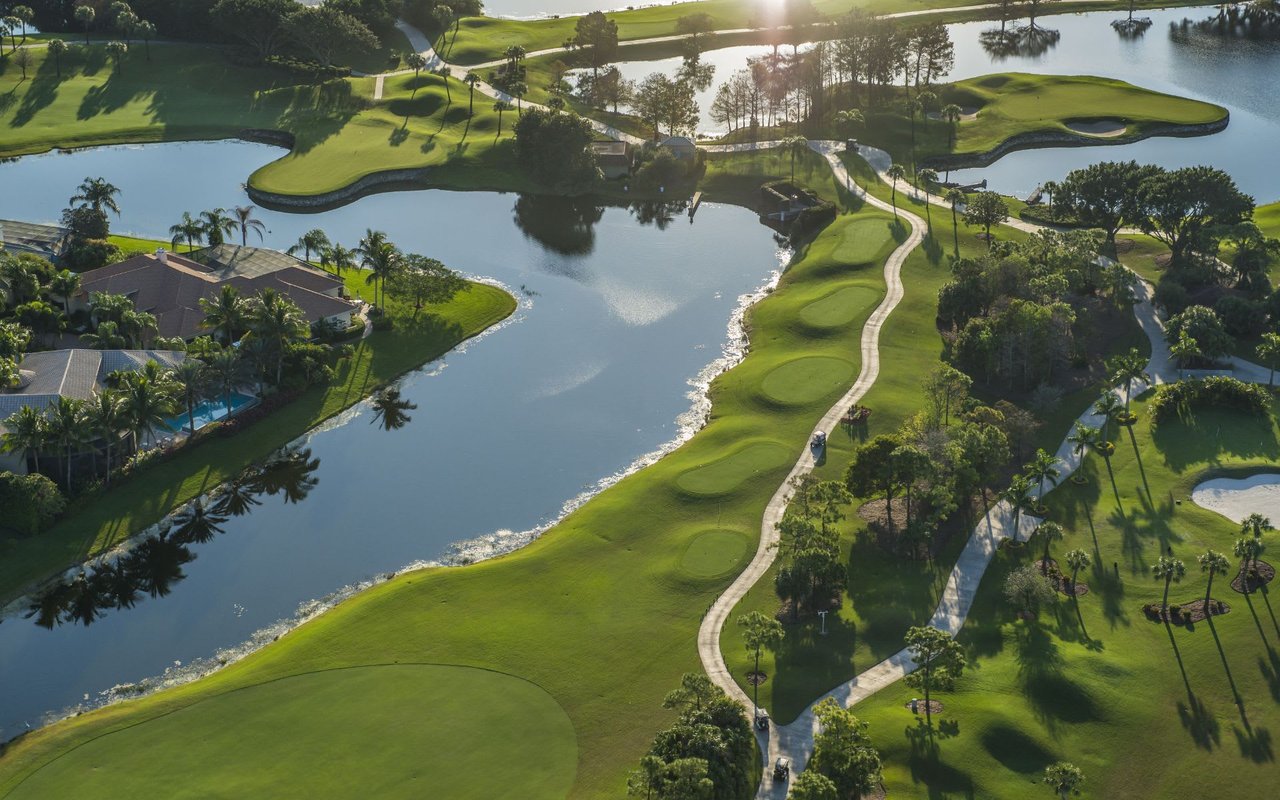
Getting a Mortgage in Puerto Rico: What Buyers Actually Need to Know
Buyers Guide, Financing, Puerto Rico Real Estate Lizvette Robles June 1, 2026
Buyers Guide, Financing, Puerto Rico Real Estate Lizvette Robles June 1, 2026
One of the first questions buyers ask when evaluating property in Puerto Rico is whether financing is even available, particularly if they are coming from the mainland or from abroad. The short answer is yes. The longer answer is that getting a mortgage in Puerto Rico follows U.S. mortgage standards in most respects, but with enough local nuances that going in without preparation consistently costs buyers time, money, and deals.
Ready to start your property search? Contact InvEstate Puerto Rico directly, we connect buyers with vetted lenders who know this market. [Contact Us →] Puerto Rico Follows U.S. Mortgage Standards, With Important Local Differences
Because Puerto Rico is a U.S. territory, the same federally backed loan programs available on the mainland apply here. Fannie Mae, FHA, VA, and USDA financing are all accessible to qualified buyers, and U.S. citizens face no foreign buyer restrictions, no special permits, and no residency requirements to purchase property and obtain financing.
What differs is how local lenders apply those standards in practice. Banks and credit unions in Puerto Rico tend to apply stricter lending overlays on government and conventional loan products, and most local institutions do not offer non-QM or non-traditional loan structures. For buyers with non-traditional income, entrepreneurs, investors, recently relocated Act 60 beneficiaries whose income documentation looks different than a W-2 employee's, the local banking landscape is often more limiting than expected. Understanding this before entering contract is not optional; it is the difference between a smooth closing and a failed transaction.
What Home Loan Types Are Available in Puerto Rico FHA loans are among the most commonly used products for first-time buyers and those with moderate credit profiles. They allow a minimum credit score of 500 to 580 depending on down payment size, with down payments as low as 3.5%, and private mortgage insurance is required when the buyer puts down less than 20%.
Conventional loans through Fannie Mae and Freddie Mac are the standard for second-home purchases and buyers with stronger financial profiles. In Puerto Rico, conventional loans generally require a minimum down payment of 5%, slightly higher than the 3% floor seen on the mainland, because private mortgage insurance providers on the island tend to require larger down payments as a condition of coverage.
VA loans remain available to eligible veterans and active military with no down payment required and no private mortgage insurance obligation. USDA loans are structured similarly for qualifying rural areas, also with zero down payment requirements.
For luxury buyers and those purchasing at higher price points, jumbo loans and portfolio products become the relevant instruments. Banco Popular, FirstBank, Oriental Bank, Santander, and Scotiabank all offer specialized mortgage products for high-net-worth buyers, typically requiring a down payment of 20 to 30 percent, comprehensive financial documentation, and a detailed property appraisal. Credit Score and Debt-to-Income Requirements
For most conventional home loans in Puerto Rico, a minimum credit score of 620 is required. Buyers with higher scores and lower debt levels will qualify for better terms. As on the mainland, maintaining the highest possible credit score and the lowest possible debt-to-income ratio is the most direct path to favorable mortgage pricing.
Most lenders in Puerto Rico apply a maximum debt-to-income ratio of 43%, though some will accept higher ratios under specific conditions. Buyers should pull credit reports from all three federal reporting agencies, Experian, Equifax, and TransUnion, at least two months before applying, to identify and correct any errors before underwriting begins. Surprises discovered during underwriting are among the most common reasons transactions delay or fall apart.
Local Bank or U.S.-Based Lender, Which Is Right for You This is one of the most consequential practical decisions buyers face, and the answer depends on the buyer's specific situation. Banco Popular and FirstBank are strong local options with deep familiarity with Puerto Rico's real estate market and legal framework. National lenders like Wells Fargo and platforms like Rocket Mortgage offer competitive rates and may feel more familiar to buyers arriving from the mainland.
The critical caveat: most U.S.-based banks do not lend in Puerto Rico. Buyers who assume their existing banking relationship will carry over frequently discover this limitation after they are already in contract, at precisely the moment when discovering it is most disruptive. Confirming lender availability before making an offer is not a formality; it is a prerequisite.
Working with a U.S.-based lender is possible when that lender is specifically experienced with Puerto Rico's legal requirements and real estate market. The distinction matters because Puerto Rico operates under a civil law registry system that differs meaningfully from the common law title systems most mainland lenders are accustomed to. Lenders without local experience in this market create friction at closing that experienced local lenders avoid entirely.
Thinking about financing your purchase in Puerto Rico? Our advisors at InvEstate Puerto Rico have vetted lender relationships across every buyer profile. [Get in touch before you make an offer →]
What Non-Residents and International Buyers Should Expect For buyers who are not yet residents of Puerto Rico, lenders apply additional scrutiny. Non-residents may be required to provide a larger down payment and are typically offered a higher interest rate than resident buyers, reflecting the lender's assessment of risk.
Foreign nationals face additional documentation requirements related to visa status and the absence of a local credit history. Local banks in Puerto Rico may require more extensive documentation from foreign buyers, while international banks operating on the island may offer products that are more familiar to investors accustomed to cross-border transactions.
For Act 60 buyers in the early stages of relocation, those who have not yet established full bona fide residency, working with a lender that has specific experience with this buyer profile makes a meaningful difference in how the process unfolds. The documentation and income presentation for an Act 60 buyer is distinct from a standard purchase, and lenders who encounter this profile regularly handle it more efficiently than those who do not. For a deeper look at how Act 60 status affects the purchase process, see our guide to [Act 60 Individual Investors vs. Export Services, link when published].
Rate Locking and What to Watch For Buyers should expect some complexity when attempting to lock a mortgage rate with a Puerto Rico lender. Rates can shift between the initial quote and closing, and the terms are not always communicated with the same clarity that buyers arriving from the mainland are accustomed to. Having a local real estate attorney review all mortgage documentation before signing is strongly advisable and standard practice among sophisticated buyers in this market.
Title records and property documentation in Puerto Rico can be less organized than on the mainland, and working with local legal counsel experienced in Puerto Rican real estate law is necessary to avoid delays or complications at closing. For a full breakdown of what to budget beyond the purchase price, see our guide to [Closing Costs in Puerto Rico, link when published]. The Role of Your Real Estate Advisor
A knowledgeable real estate advisor in Puerto Rico is not simply useful during the property search, they are a functional part of the financing process. The right advisor connects buyers with vetted lenders who have direct experience with their specific buyer profile, whether that is a mainland U.S. buyer, an Act 60 relocator, or an international investor. That connection, made early in the process, consistently reduces friction and prevents the surprises that derail transactions.
Frequently Asked Questions
Can U.S. citizens get a mortgage in Puerto Rico? Yes. Puerto Rico is a U.S. territory, so U.S. citizens have access to the same federally backed loan programs available on the mainland, including FHA, VA, conventional, and USDA financing, without foreign buyer restrictions or special permits.
What credit score is needed to buy a home in Puerto Rico? For most conventional loans in Puerto Rico, a minimum credit score of 620 is required. FHA loans may be available with scores as low as 500 to 580 depending on the down payment. Higher scores consistently produce better rates and terms.
Can foreigners or non-residents get a mortgage in Puerto Rico? Yes, but with additional requirements. Non-residents typically face larger down payment requirements and higher interest rates. Foreign nationals must provide documentation related to visa status and may need to work with institutions that have experience with international buyers.
Do most U.S. banks lend in Puerto Rico? No. Most U.S.-based banks do not lend in Puerto Rico. Buyers should confirm lender availability before making an offer to avoid discovering this limitation after entering contract.
What banks offer mortgages in Puerto Rico? Major local lenders include Banco Popular, FirstBank, Oriental Bank, Santander, and Scotiabank. Each offers products ranging from conventional and FHA loans to jumbo and portfolio products for high-net-worth buyers. National lenders with a specific Puerto Rico presence also operate in the market.
What down payment is required to buy property in Puerto Rico? It depends on the loan type. FHA loans allow as little as 3.5% down. Conventional loans in Puerto Rico typically require a minimum of 5%. Jumbo and portfolio loans for luxury properties generally require 20 to 30 percent down.
Can Act 60 buyers get a mortgage in Puerto Rico? Yes, but buyers in the early stages of relocation, before full residency is established, should work with lenders experienced with the Act 60 buyer profile. Income documentation and residency status look different for Act 60 buyers than for standard W-2 borrowers, and lender familiarity with this profile significantly affects how smoothly the process moves.
Is it required to have a local attorney for a mortgage in Puerto Rico? It is not legally required, but it is strongly advisable. Puerto Rico operates under a civil law registry system, and having a local attorney review mortgage documentation and title records before closing protects buyers from issues that are common in this market and not always surfaced by lenders.
Ready to Start Your Property Search in Puerto Rico? At InvEstate Puerto Rico, we work with buyers across every profile, mainland U.S. buyers, Act 60 relocators, and international investors, and we understand which lenders perform well for which situations. We make sure our clients enter the mortgage process prepared, not surprised.
If you are considering purchasing property in Puerto Rico and want guidance on financing options before you begin your search, contact us directly. Getting the financing piece right from the beginning changes everything that follows.
Stay up to date on the latest real estate trends.

Act 60, the 1 January 2027 deadline, and the three IRS tests the decree does not cover.

255 sales closed above $1 million between January and October 2026. $597.7 million, and eight of every ten inside five municipalities.
LUXURY CONDO
What 2,524 closed sales show, and the two 2026 rule changes that decide what a bank will finance.
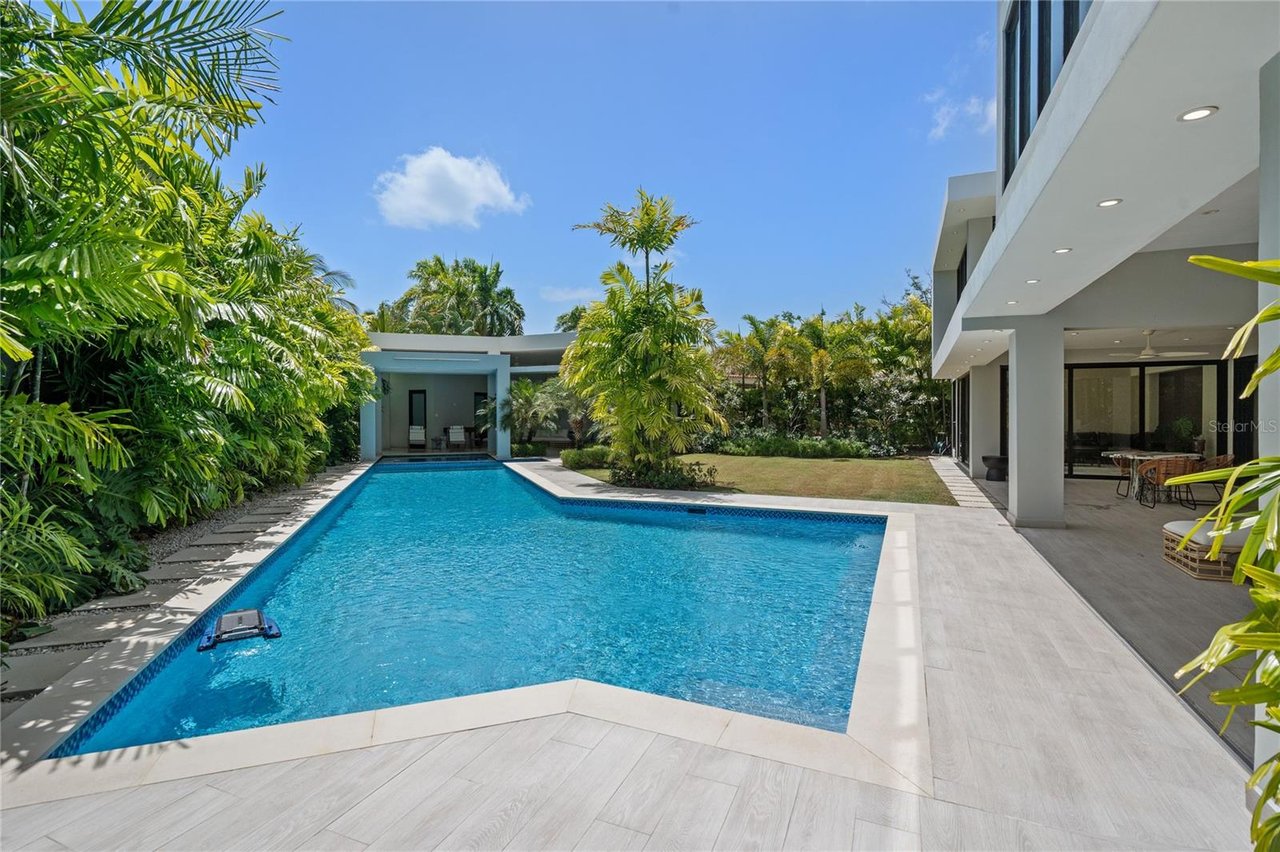
What $1,477,000 buys on Puerto Rico's west coast, how it compares to closed sales above $1 million in Rincon and Boqueron, and what the $142 million Aguadilla airport … Read more

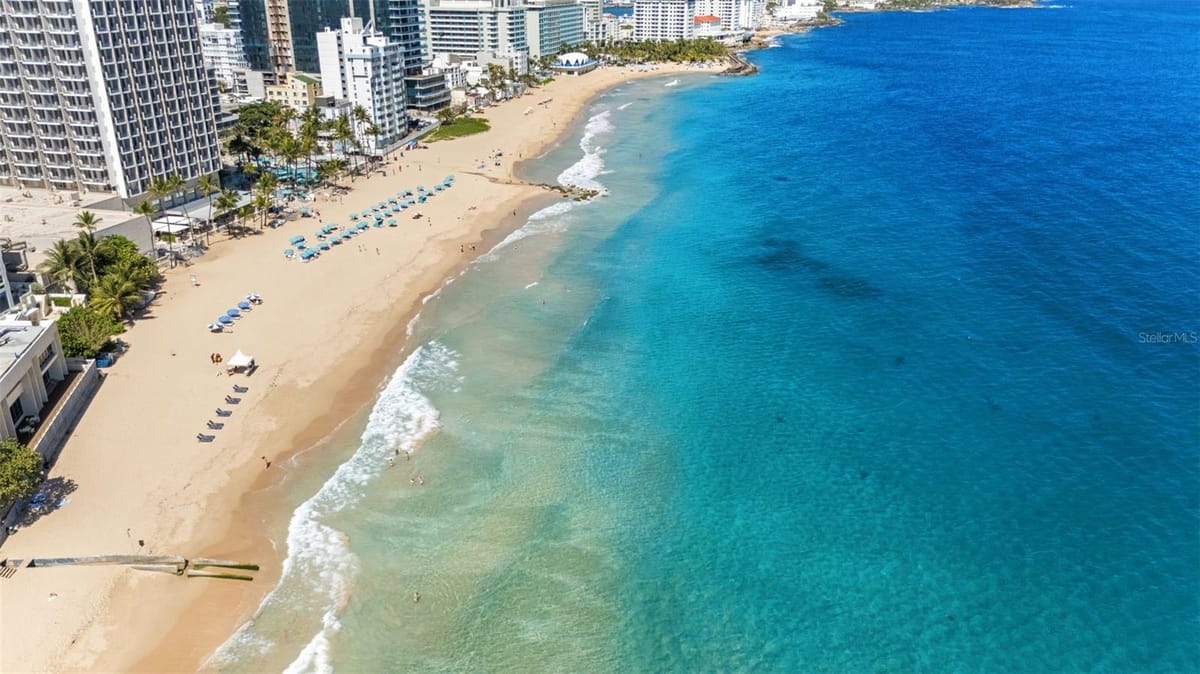
Condado · Buyer Guides · New Developments · Luxury Real Estate
What is still available, how to read the square footage, and what the project does not publish.
LUXURY CONDO
Fannie Mae and Freddie Mac raise the minimum condo reserve requirement to 15%. Puerto Rico law requires 5% - and lets buildings stop contributing altogether.
We connect discerning buyers and sellers with the island’s most exclusive real estate opportunities. Our expertise and network ensure seamless transactions for both relocation under Act 60 and the sale of distinguished estates. We combine discretion, strategy, and global reach to represent your interests with excellence.