
Retiring in Puerto Rico: What High-Net-Worth Retirees Need to Know About Real Estate and Tax
Buyers Guide, Act 60, Relocation, Puerto Rico Real Estate Lizvette Robles June 8, 2026
Buyers Guide, Act 60, Relocation, Puerto Rico Real Estate Lizvette Robles June 8, 2026
Retiring in Puerto Rico makes the most financial sense for high-net-worth retirees who live on investment income rather than wages, pensions or pre-tax retirement accounts. Under Act 60's Individual Investor decree, Puerto Rico-sourced capital gains, dividends and interest accrued after bona fide residency are taxed at 0 percent for decree holders who apply on or before December 31, 2026, and at 4 percent for applicants after that date. Social Security continues uninterrupted and is generally not taxed by Puerto Rico, Medicare is valid island-wide, and decree holders must buy and occupy a primary residence within two years. Pension distributions and IRA and 401(k) withdrawals, by contrast, are taxed by Puerto Rico at rates up to 33 percent, which is why the composition of your income decides whether the move works.
Puerto Rico has become one of the most strategically compelling retirement destinations available to U.S. citizens, not despite being part of the United States but precisely because of it. No passport, no visa, no currency exchange, no foreign legal or banking system to learn. And for retirees with significant portfolios, a tax structure that is difficult to replicate anywhere else under U.S. jurisdiction. But retirement here is not a tax play dressed up in a beach lifestyle. For high-net-worth retirees it is a deliberate financial and life decision that rewards careful planning and penalizes assumptions. This guide covers what you actually need to know about taxes, real estate, healthcare, Social Security and what changed in 2026.
Not every retiree benefits equally from a Puerto Rico relocation. The financial case is strongest for retirees who no longer rely on W-2 wages and instead live primarily on investment income: capital gains from stock or real estate disposals, dividend distributions and bond interest. For a retiree in that position, the difference between mainland tax treatment and Puerto Rico's Act 60 structure is not marginal. It is transformative. For high earners the annual tax savings can range from $200,000 to $1 million or more, and compounded over a 20- or 30-year retirement that represents generational wealth, available inside the U.S. legal system, without expatriation, foreign accounts or giving up the protections of U.S. citizenship.
Act 60's Individual Investor decree, Chapter 2, provides a preferential tax rate on Puerto Rico-sourced capital gains, dividends and interest accrued after establishing bona fide residency. For decree holders who applied before December 31, 2026, that rate is 0 percent. For new applicants after that date it is 4 percent, still substantially lower than U.S. federal capital gains rates, which can reach 20 percent or more for high-income earners.
What Act 60 does not cover matters just as much. Social Security benefits are fully exempt from Puerto Rico's income tax. Pension distributions and IRA and 401(k) withdrawals from mainland retirement accounts, however, are subject to Puerto Rico income tax at rates up to 33 percent. Retirees with significant pre-tax balances need to plan carefully around that distinction; the tax efficiency of an Act 60 relocation depends on the composition of the retiree's income, and the calculation looks very different for someone living on portfolio returns than for someone drawing primarily from a traditional pension or 401(k). Working with a Puerto Rico-specialized tax advisor before relocating is not optional at this income level. It is the foundation of the entire financial case.
For retirees who have been thinking about Puerto Rico without committing, the end of 2026 is a meaningful inflection point. Applications submitted on or before December 31, 2026 qualify for the 0 percent rate on qualifying investment income. Applications submitted after that date fall under the 4 percent rate introduced by Act 38-2026. The difference compounds over a long retirement. On $500,000 in annual investment income it is $20,000 per year, $200,000 over a decade and $400,000 over 20 years, before accounting for the growth of the capital itself. Act 60 has also been extended through 2055, so retirees relocating today are locking in long-term planning certainty rather than making a short-term bet. The current terms are on our Act 60 tax incentives page.
One of the most practical concerns retirees raise is what happens to Social Security. The answer is straightforward: Puerto Rico is a U.S. territory, and benefits continue without interruption when you relocate. They are generally not taxed by Puerto Rico, though U.S. federal tax rules on Social Security income still apply depending on total income. The administrative step is simple: notify the Social Security Administration of your address change promptly after relocating so direct deposit continues. The process is no different from a move between states.
Medicare is valid throughout Puerto Rico just as it is anywhere in the United States. Private insurance is also available and typically significantly less expensive than on the mainland, with lower co-pays and access to comparable care. The nuance is coverage depth. Federal funding for Medicare Advantage plans in Puerto Rico runs roughly 41 percent lower than the U.S. average in 2026, which has led some local providers to limit services. Many high-net-worth retirees address this by pairing Medicare with supplemental private insurance from established local providers, Triple-S and MCS being the two most widely used, to secure comprehensive access to specialists and top-tier facilities.
Puerto Rico's healthcare infrastructure is substantial: more than 90 hospitals island-wide, extensive clinic and pharmacy coverage, and facilities in and around San Juan that meet U.S. standards for quality and specialization. Facilities outside the major urban centers can be more limited, which makes location an important component of retirement planning for health-conscious buyers.
For high-net-worth retirees the location decision usually resolves around a few distinct profiles. Dorado and Dorado Beach are the premier resort-community option: 24-hour security, world-class amenities, proximity to the Ritz-Carlton Reserve and an established community of Act 60 residents and international buyers. For retirees prioritizing privacy, lifestyle and long-term real estate value, Dorado has become the market of choice. The trade-off is supply. Dorado Beach commands some of the highest price-per-square-foot values in the Caribbean, and available inventory is tightly constrained and often accessed through direct broker relationships rather than public listings.
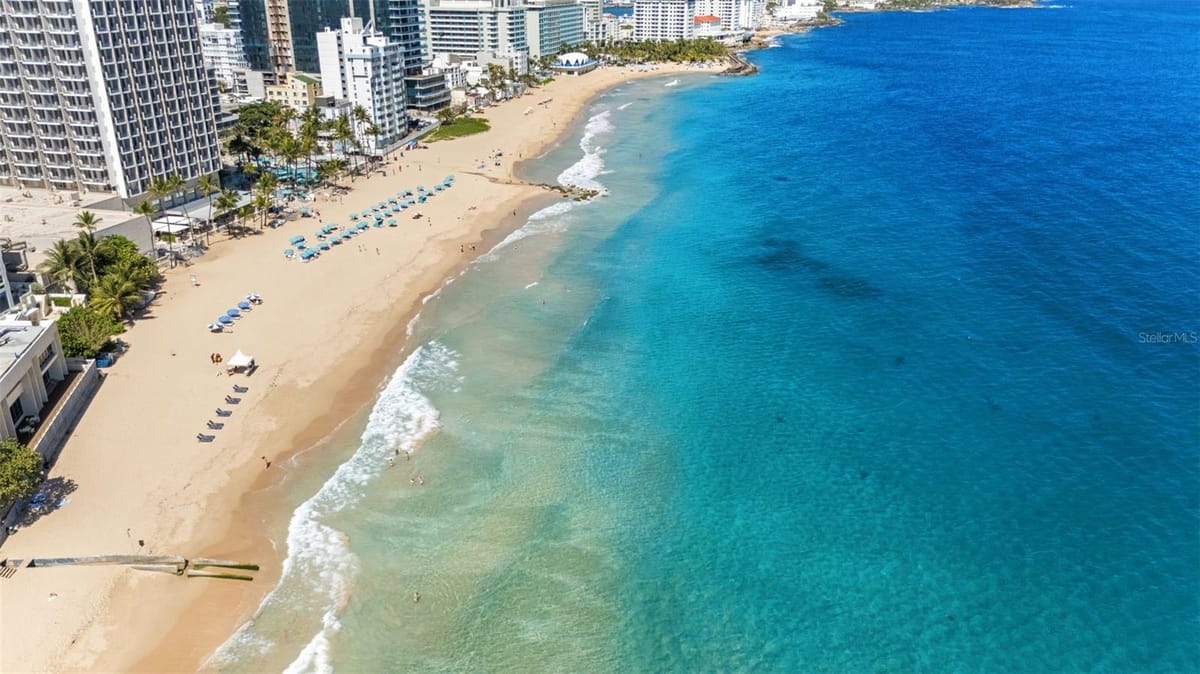
Condado and Miramar in San Juan offer the energy of an urban environment with walkable access to restaurants, cultural institutions and the island's best medical facilities, which matters to retirees who weigh healthcare access alongside lifestyle. Old San Juan offers a historically unique environment inside a UNESCO-recognized colonial district, steps from the ocean, with properties that hold value on absolute scarcity. Guaynabo appeals to retirees who prefer a quieter residential environment with strong proximity to private healthcare, top-tier schools and major commercial infrastructure. Our neighborhood guides compare them in detail.
For retirees obtaining an Individual Investor decree, real estate is not only a lifestyle decision. It is a compliance requirement. Decree holders must purchase and occupy a primary residence in Puerto Rico within two years of receiving the decree, and renting indefinitely is not compatible with maintaining compliance under current rules. That makes property selection inseparable from the compliance process. The home must be a genuine primary residence, and documentation of use, occupancy and connection to Puerto Rico must be consistent with the residency requirements the IRS scrutinizes actively. Title clarity, legal documentation and community selection all carry compliance implications that do not arise in a typical second-home purchase on the mainland.
Act 60 is not designed for, and does not benefit, every retiree equally. The program is explicitly structured for individuals with substantial passive investment income who are willing to make a genuine, full-time residency commitment. Retirees whose income comes primarily from traditional pensions or pre-tax retirement accounts will find the tax picture less favorable. Retirees who plan to spend most of their time on the mainland and treat Puerto Rico as a part-time convenience face significant IRS audit risk, because the agency monitors Act 60 compliance actively. The program rewards genuine relocation. Those who commit fully, establishing Puerto Rico as their authentic center of life rather than a tax address with an occasional visit, tend to find both the financial and the lifestyle outcomes compelling. Those who do not create legal and financial exposure that can cost more than the original savings.
For retirees with substantial investment income, meaning capital gains, dividends and interest, Puerto Rico offers a legally structured tax advantage under Act 60 that is difficult to replicate anywhere within the U.S. legal framework. Combined with Medicare and Social Security continuity and a high-quality lifestyle in premier communities, it is a compelling option for the right financial profile. The case is strongest for retirees with significant passive income who are prepared to make a genuine, full-time residency commitment.
Yes. The Individual Investor decree is designed for individuals, including retirees, who relocate to Puerto Rico with qualifying investment income. It applies to capital gains, dividends and interest accrued after establishing bona fide residency. It does not apply to pension distributions or IRA and 401(k) withdrawals, which remain subject to Puerto Rico income tax at rates up to 33 percent.
Yes. Social Security benefits continue without interruption. As a U.S. territory, Puerto Rico processes benefits identically to any state. Benefits are generally not taxed by Puerto Rico, though U.S. federal tax rules on Social Security income still apply depending on total income.
Yes. Medicare is accepted throughout Puerto Rico. Federal funding for Medicare Advantage plans is lower than the mainland average, which affects provider availability for some plans, so many retirees supplement Medicare with local private insurance from providers such as Triple-S or MCS to secure comprehensive specialist access.
Yes. Individual Investor decree holders are required to purchase a primary residence in Puerto Rico within two years of receiving the decree. Renting indefinitely is not compatible with maintaining compliance under current rules.
Applications submitted on or before December 31, 2026 qualify for the 0 percent rate on qualifying capital gains, dividends and interest. Applications filed after that date are subject to a 4 percent rate. For retirees with significant annual investment income, the deadline is financially consequential and should be evaluated before year-end.
Dorado Beach is the premier resort community for luxury retirement, with privacy, security and world-class amenities. Condado and Miramar in San Juan offer an urban lifestyle with strong healthcare access. Old San Juan provides a unique historic environment. Guaynabo appeals to retirees prioritizing residential infrastructure and convenience. The right choice depends on lifestyle priorities, healthcare needs and real estate budget.
Pension distributions and IRA and 401(k) withdrawals from mainland retirement accounts are subject to Puerto Rico income tax at rates up to 33 percent. That is a critical planning consideration for retirees whose income comes primarily from pre-tax accounts rather than investment portfolios. Consult a Puerto Rico-specialized tax advisor before making the relocation decision.
Puerto Rico offers one of the most compelling retirement environments available to U.S. citizens, but only for those who approach the decision with full information and professional guidance. The tax efficiency, the lifestyle and the long-term planning certainty are real. So are the compliance requirements and the discipline they demand. We work with high-net-worth retirees at every stage, from initial market orientation to property acquisition, community selection and coordination with tax and legal counsel. Tell us how your income is structured and where you want to live, and we will show you what a well-structured Puerto Rico retirement actually looks like for your situation.
Antonio Cartagena, Broker Lic. C-13471 · Lizvette Robles, Lic. 23765 · (787) 717-6443
If Act 60 is part of the plan, read this next: IRS scrutiny of Act 60 and real estate — why timing and structure matter more than the asset.
Stay up to date on the latest real estate trends.
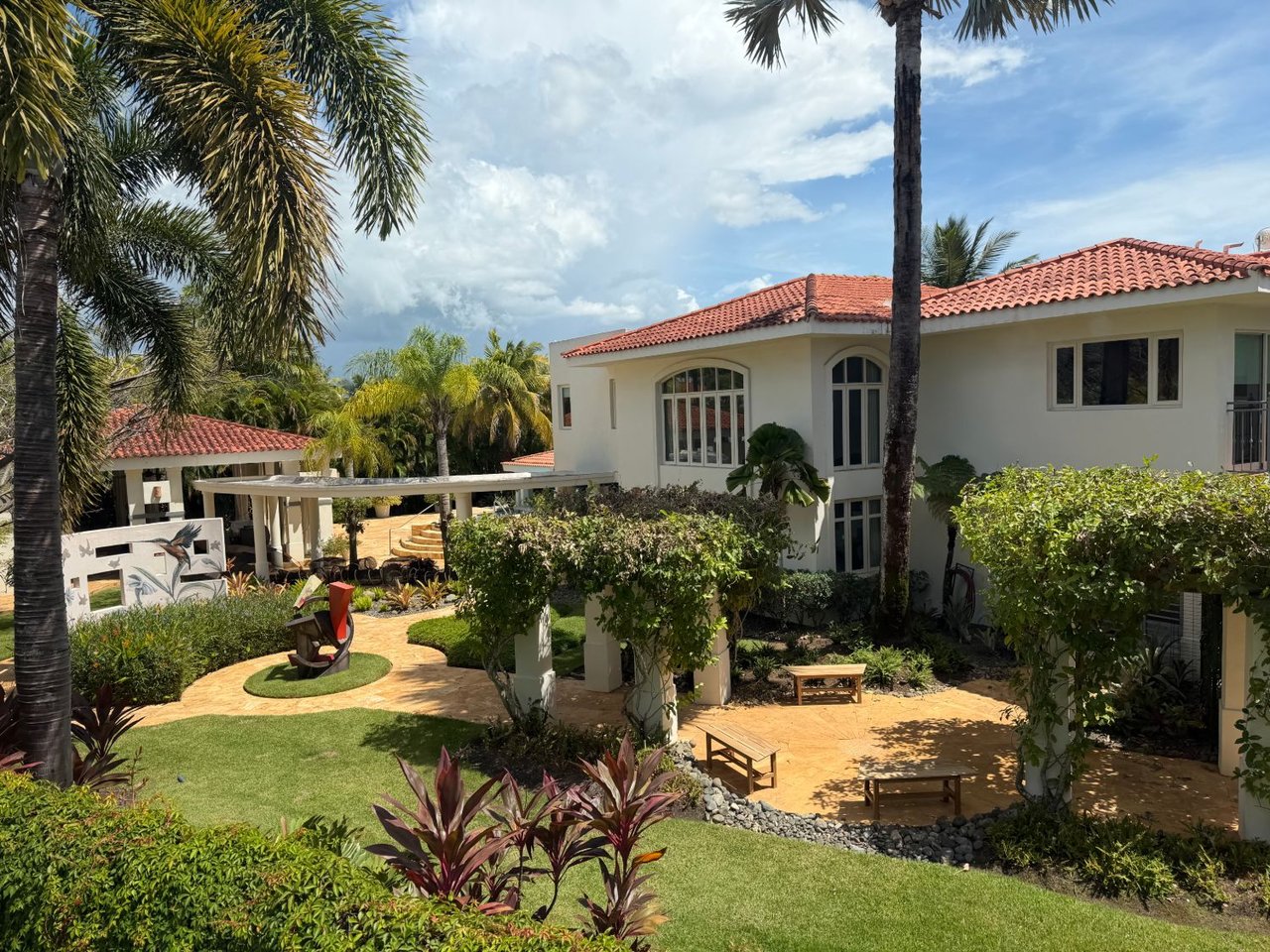

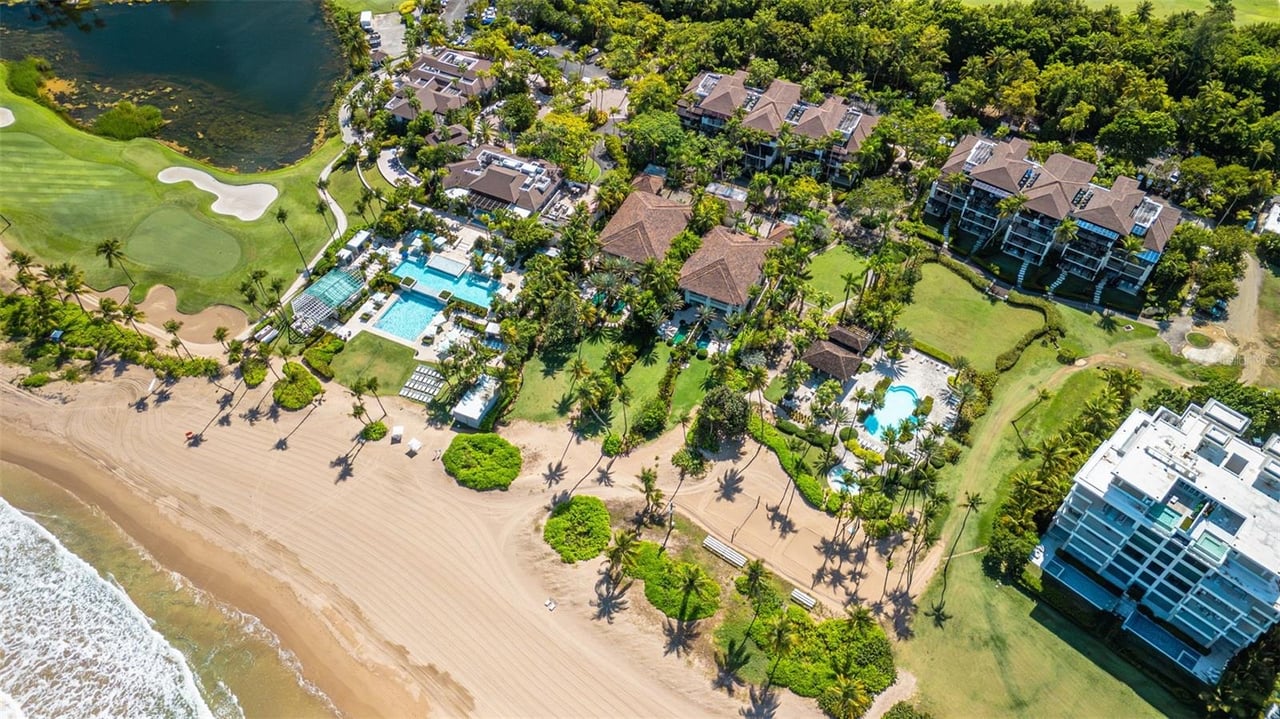
Act 60, the 1 January 2027 deadline, and the three IRS tests the decree does not cover.

255 sales closed above $1 million between January and October 2026. $597.7 million, and eight of every ten inside five municipalities.
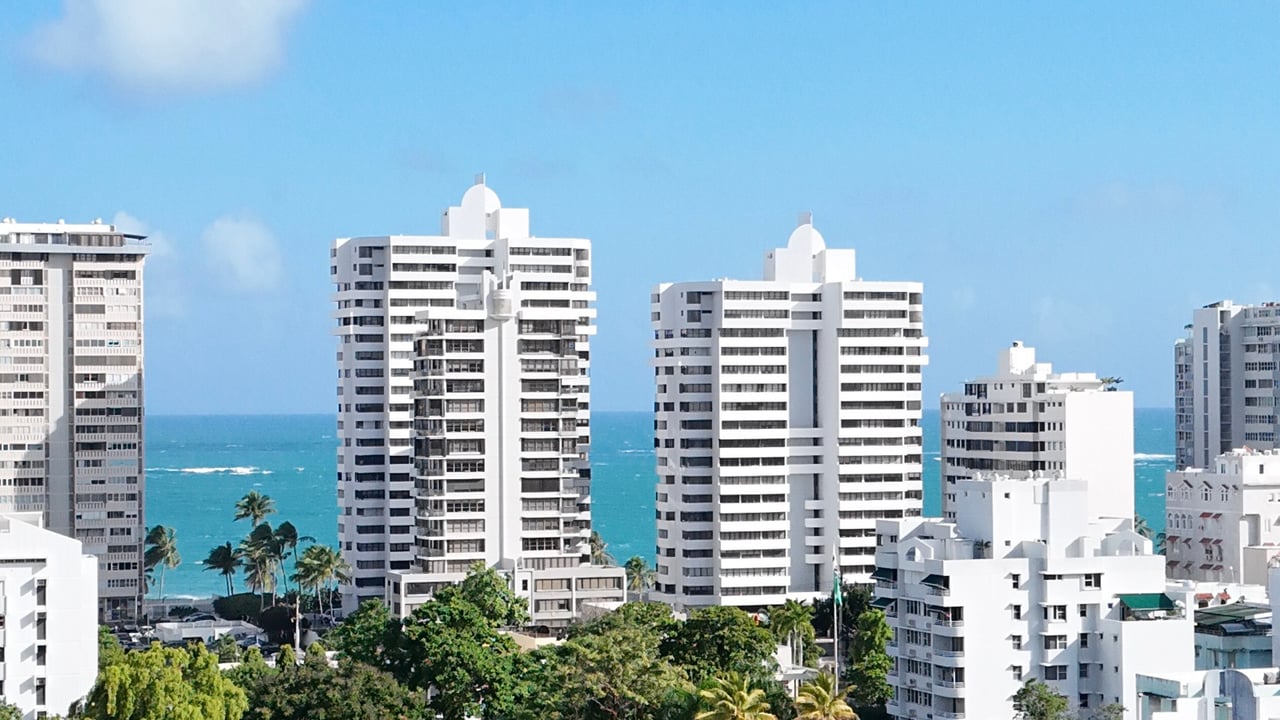
LUXURY CONDO
What 2,524 closed sales show, and the two 2026 rule changes that decide what a bank will finance.
What $1,477,000 buys on Puerto Rico's west coast, how it compares to closed sales above $1 million in Rincon and Boqueron, and what the $142 million Aguadilla airport … Read more

Condado · Buyer Guides · New Developments · Luxury Real Estate
What is still available, how to read the square footage, and what the project does not publish.
LUXURY CONDO
Fannie Mae and Freddie Mac raise the minimum condo reserve requirement to 15%. Puerto Rico law requires 5% - and lets buildings stop contributing altogether.
We connect discerning buyers and sellers with the island’s most exclusive real estate opportunities. Our expertise and network ensure seamless transactions for both relocation under Act 60 and the sale of distinguished estates. We combine discretion, strategy, and global reach to represent your interests with excellence.