
Puerto Rico Changed Its Condominium Law Twice in 2026. Here Is What It Means for Your Purchase.
Lizvette Robles September 23, 2026
Lizvette Robles September 23, 2026
If you are buying a condominium in Puerto Rico, or you already own one, the rules changed under you this year. Twice. Neither change made much noise, and neither is on most brokers' websites, but both affect what you can demand before you sign and what happens when something goes wrong in your building.
Here is what actually changed.
Act 13-2026 amended Article 13 of the Condominium Act, Act 129-2020. The managing agent, or in their absence the president or secretary of the board, must deliver a copy of the condominium regulations within no more than five business days. That obligation runs to two people: a licensed real estate broker with a documented sales assignment, and a prospective buyer who requests it with legitimate interest. The broker has to be authorised under Act 10-1994 and identify themselves with license number, photo identification and contact details.
The regulations are not a formality. That document is where you find out whether short-term rental is permitted, what the pet rules are, what the board can decide without you, and what you are actually buying into. Before this amendment, getting a copy could take weeks or never happen at all, and buyers routinely closed without reading it.
One honest caveat: reporting on the amendment notes that no penalty for non-compliance is specified. So in practice the deadline is only as good as the person invoking it, properly and on time. That is part of what you are hiring a broker to do.
Act 157-2026 was signed on 1 August 2026. It gives the Court of First Instance exclusive jurisdiction over condominium controversies and creates Specialised Chambers for them in each judicial region, reducing DACO's administrative role on matters the legislature considered civil in nature. It takes effect 90 days after signing, which puts it at the end of October 2026.
If you already have a complaint filed with DACO, there is a transition: a party can request that it be moved to the court within 30 days, and DACO decides the transfer within 15.
The same act carries changes most owners will feel indirectly. Councils must set minimum education requirements before hiring a managing agent. Municipalities take on administrative functions for condominium recycling areas. And a condominium registry is created through the Digital Real Estate Registry.
Ask for the regulations in writing, early, and start the clock. Then read them against the rest of the file: the reserve study, the last two years of HOA financials, the board minutes and the master insurance policy. The minutes in particular are where the real history lives, and where you find out whether the building has a pattern of unresolved disputes.
That last point matters more from November. A building with a history of complaints is now headed to a different forum, with different timelines and different costs. Ask what is pending before you make an offer, not after you close.
If you have a live DACO complaint, talk to your attorney about the 30-day transfer window rather than letting the default happen to you. If you sit on a board, the new education requirement for hiring a managing agent is a change to your process, not a suggestion. And if you are thinking about selling, the five-day rule now applies to you as the owner side of the transaction.
Both amendments push in the same direction: more disclosure, earlier, and a more formal venue when things break down. That is good for buyers who do their work and uncomfortable for buildings that have been managing on goodwill and silence.
It also raises the value of working with someone who knows which documents to ask for and how to ask. The law gives you a right. It does not fill it in for you.
This is general information from a real estate broker, not legal advice. Act 13-2026 and Act 157-2026 apply differently depending on the building, the transaction and the facts. Consult a qualified Puerto Rico attorney on your specific situation.
If you are evaluating a condominium in Puerto Rico, we will pull what has actually closed in that building, request the regulations and the financials, and tell you what we find. Our full guide to luxury condos for sale in Puerto Rico covers the rest of the due diligence.
Antonio Cartagena, Broker Lic. C-13471, closing in Puerto Rico since 2005. Lizvette Robles, Lic. 23765. Call (787) 717-6443.
Stay up to date on the latest real estate trends.
High-End Market Insights
Four homes closed above a million dollars in the twelve months to 7 October 2026. The highest was $1,300,000.

Auberge runs the hotel. Juniper Capital and Capital United own the land. What a buyer should know before the first homes break ground.

Act 60, the 1 January 2027 deadline, and the three IRS tests the decree does not cover.

255 sales closed above $1 million between January and October 2026. $597.7 million, and eight of every ten inside five municipalities.
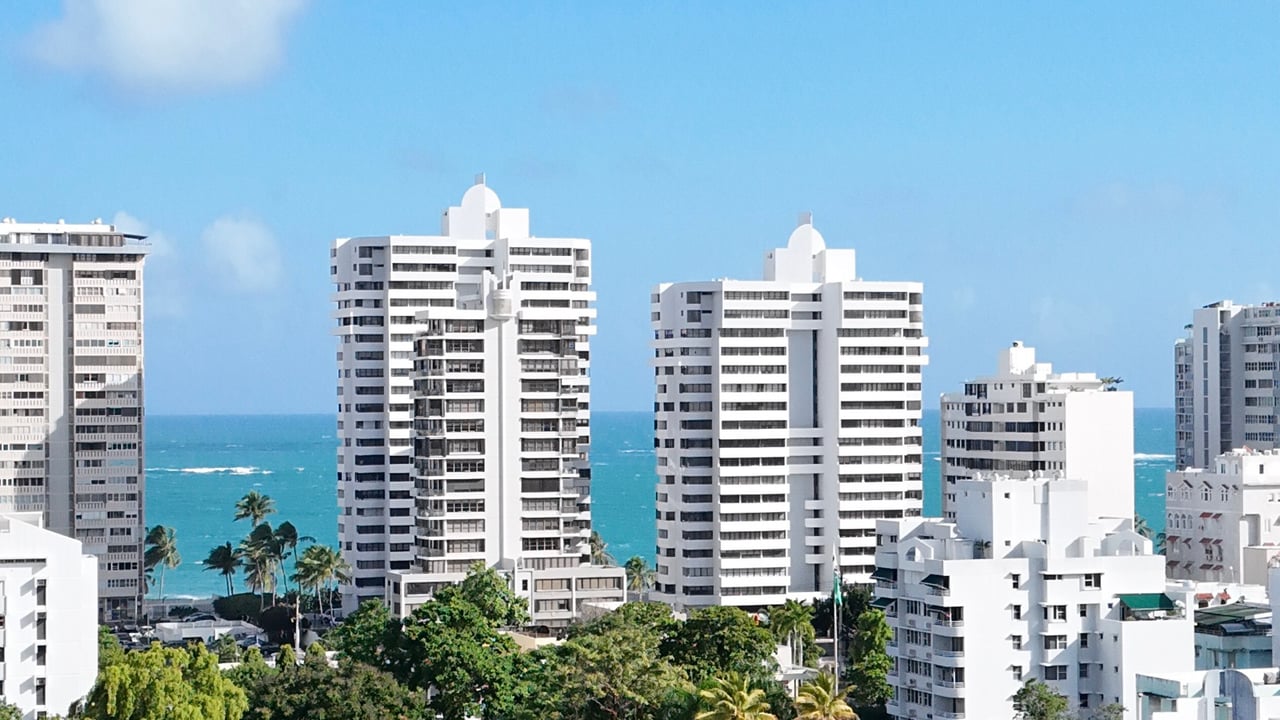
LUXURY CONDO
What 2,524 closed sales show, and the two 2026 rule changes that decide what a bank will finance.
What $1,477,000 buys on Puerto Rico's west coast, how it compares to closed sales above $1 million in Rincon and Boqueron, and what the $142 million Aguadilla airport … Read more
We connect discerning buyers and sellers with the island’s most exclusive real estate opportunities. Our expertise and network ensure seamless transactions for both relocation under Act 60 and the sale of distinguished estates. We combine discretion, strategy, and global reach to represent your interests with excellence.