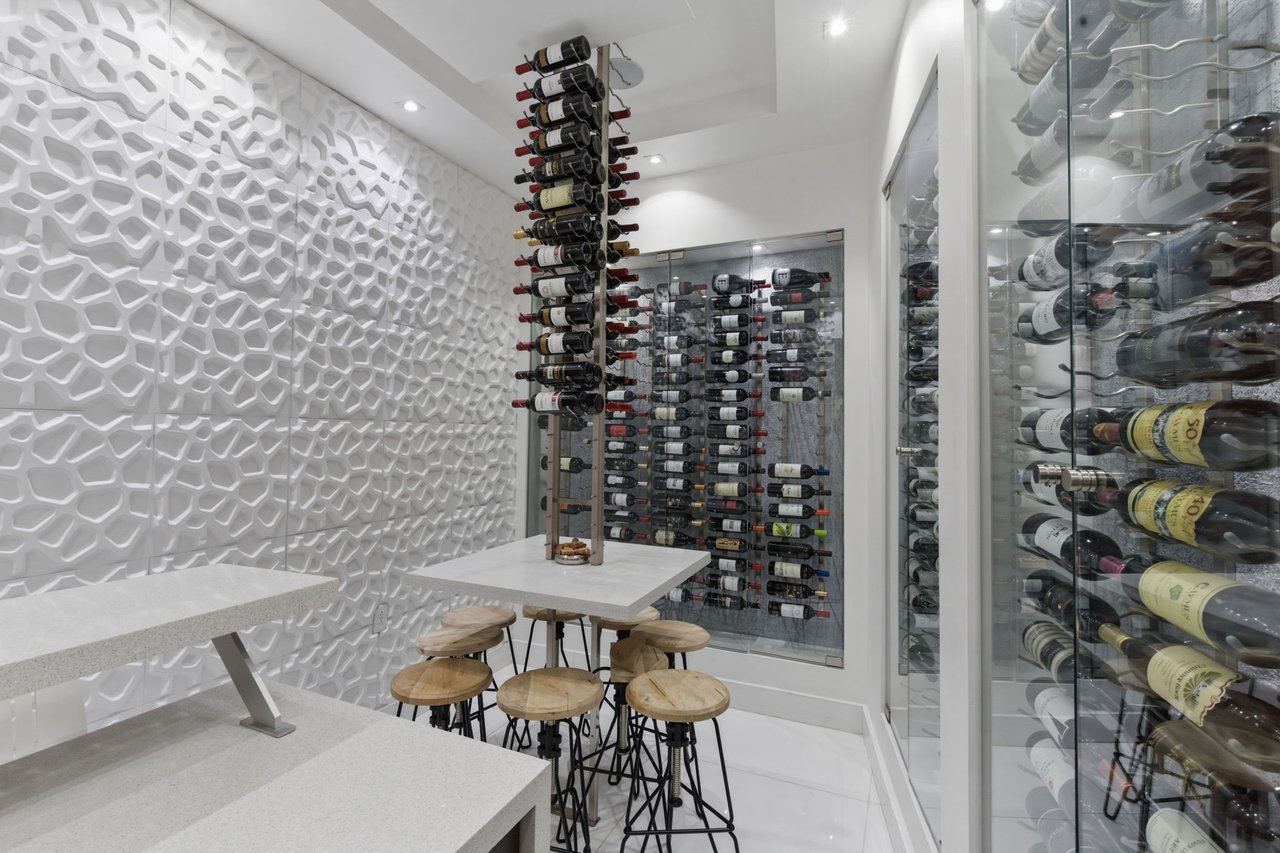
Bringing Your Art, Wine, and Collections to Puerto Rico
Luxury Market Lizvette Robles August 8, 2026
Luxury Market Lizvette Robles August 8, 2026
For buyers relocating with a serious art collection, a wine cellar built over decades, or any significant collectible holdings, the real estate purchase is only part of the move. What happens to the collection, how it travels, how it's protected once it arrives, and whether the new home can actually accommodate it properly, deserves the same planning as the property search itself. This is an area where Puerto Rico's climate and logistics genuinely differ from what most mainland collectors are used to, and getting it right protects assets that are often irreplaceable.
Puerto Rico's tropical humidity is the single biggest factor collectors underestimate. Fine art, especially works on canvas or paper, can be damaged by fluctuating humidity far more easily than by temperature alone, warping, mold, and canvas degradation accelerate in conditions that would be entirely stable in a climate-controlled mainland home but require active management here. Wine collections face a similar challenge: consistent cellar temperature is achievable, but humidity control and vibration management need more deliberate engineering in a tropical environment than in most US wine regions.
This isn't a reason to avoid relocating a collection to Puerto Rico, many serious collectors do so successfully, but it does mean the home itself, or a dedicated storage solution, needs to be evaluated specifically for this purpose, not assumed to be adequate simply because it's beautiful and secure.
Buyers relocating meaningful art or wine holdings should look specifically at whether a property has, or can accommodate, dedicated climate-controlled space, a proper wine cellar with humidity and temperature regulation, or gallery-appropriate walls and lighting away from direct sun exposure and exterior-facing humidity. Homes built or renovated in the last several years are more likely to have anticipated this than older properties, though custom retrofits are common and achievable with the right contractor experience.
Backup power matters here in a way it might not for other buyers, a multi-day outage without generator support can cause real damage to a wine collection or push humidity-sensitive art outside safe ranges, which ties this consideration directly back to the resilience features worth evaluating in any Puerto Rico purchase.
Because Puerto Rico is part of US customs territory, moving personal property, including art and wine, from the mainland does not involve the international customs process a move from, say, Europe or Asia would require. This is a genuine advantage relative to other relocation destinations collectors might consider. That said, high-value items still warrant proper documentation: updated appraisals for insurance purposes, condition reports completed before transit, and professional fine art or wine shippers experienced specifically with tropical destination handling, since standard moving companies don't always have the climate-control equipment transit requires.
Collectors moving items originally acquired internationally should keep prior import documentation accessible, as it may be relevant for insurance or eventual resale, even though the Puerto Rico leg of the move itself doesn't trigger new customs requirements.
A collection's existing insurance policy may need updating simply due to the change in location and climate risk profile, insurers often price fine art and wine coverage based partly on storage conditions and geographic risk factors including hurricane exposure. Buyers should loop in their insurance broker early in the relocation process, not after the collection has already arrived, since some policies require updated appraisals or storage verification before coverage transfers cleanly to a new address.
Relocating a meaningful collection to Puerto Rico is entirely achievable, and many collectors do it without incident, but it rewards the same upfront planning that protects any other significant asset. Evaluating a property's climate control and backup power specifically for this purpose, before the moving trucks are booked, is what separates a smooth transition from a costly and avoidable loss.
This article is educational and does not constitute insurance, tax, or shipping advice. Work with fine art and wine relocation specialists and your insurance broker to plan a collection's move to Puerto Rico. Relocating with a significant art or wine collection? [Contact InvEstate Puerto Rico], we help buyers find properties equipped to protect what they're bringing with them.
About InvEstate PR InvEstate PR specializes in luxury residential real estate across Puerto Rico's most prestigious markets. Our team serves both local sellers and international buyers, with deep expertise in Act 60 relocations and premium property transactions.
Is Puerto Rico's climate a problem for fine art collections? It can be if not properly managed. Tropical humidity accelerates warping, mold, and canvas degradation more than temperature alone. Properties need dedicated climate-controlled space, and backup power during outages, to protect a serious art collection long-term.
Do I need to go through customs to bring my art or wine collection to Puerto Rico? No new international customs process applies, since Puerto Rico is part of US customs territory. Moving from the mainland is treated similarly to an interstate move, though professional documentation like appraisals and condition reports is still recommended for high-value items.
Does my art or wine insurance transfer automatically to a Puerto Rico address? Not always automatically. Insurers often price coverage based on storage conditions and geographic risk factors, including hurricane exposure, so an updated appraisal or storage verification may be required before coverage transfers cleanly.
Can I retrofit a Puerto Rico home for a wine cellar or gallery space? Yes, this is common and achievable with contractors experienced in climate-controlled retrofits. Buyers relocating a serious collection should evaluate this as part of the property search, since not all homes have existing infrastructure suited to this purpose.
Stay up to date on the latest real estate trends.
Condado · Buyer Guides · Puerto Rico Real Estate · Luxury Real Estate
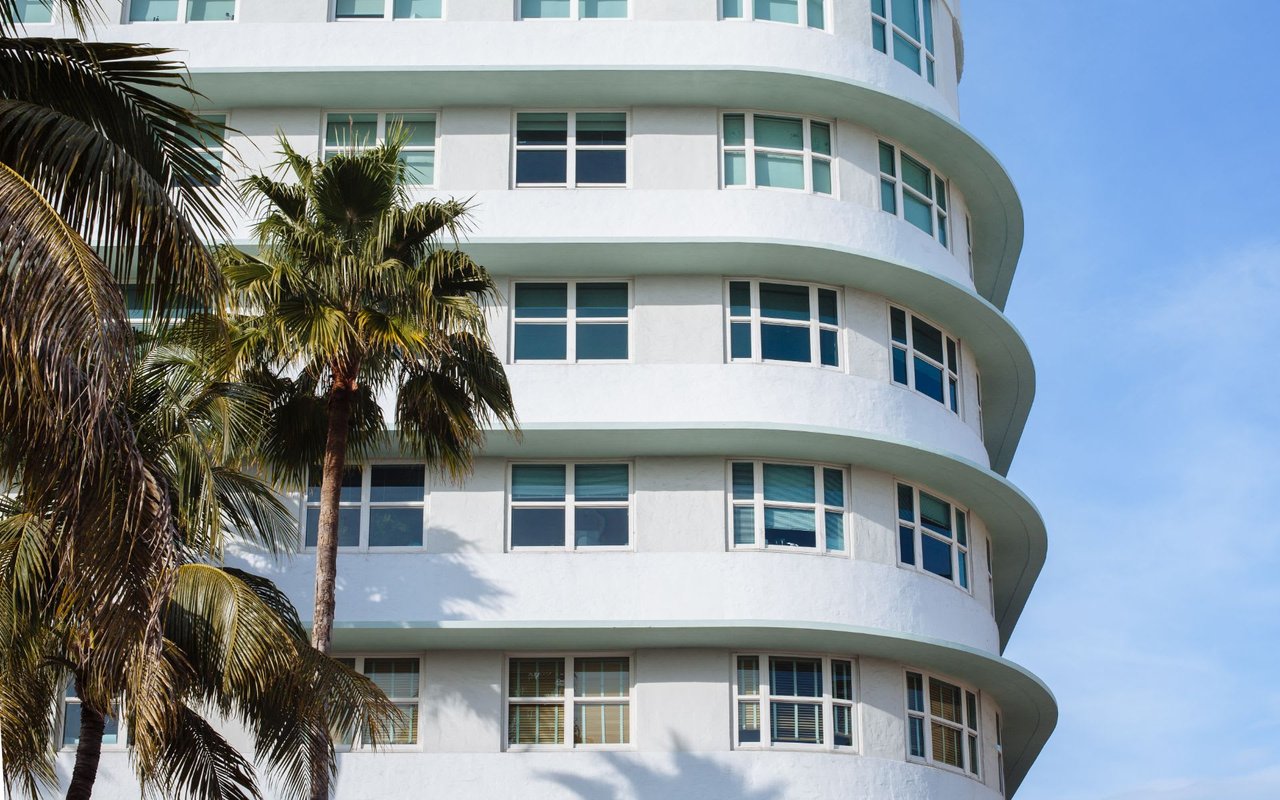
HOA Fees, Insurance, Property Taxes, Assessments and the Expenses Buyers Should Understand Before Purchasing in Condado

LUXURY COMMUNITIES
44 residences from $1.2M between Garden Hills and San Patricio. What $818 per square foot means if you are buying, and what it changes if you already own in the area.
LUXURY COMMUNITIES
Forty Stellar MLS closed sales across eight communities, from $136 to $3,110 per square foot, what sellers actually accept, and what the maintenance fee adds.
LUXURY COMMUNITIES
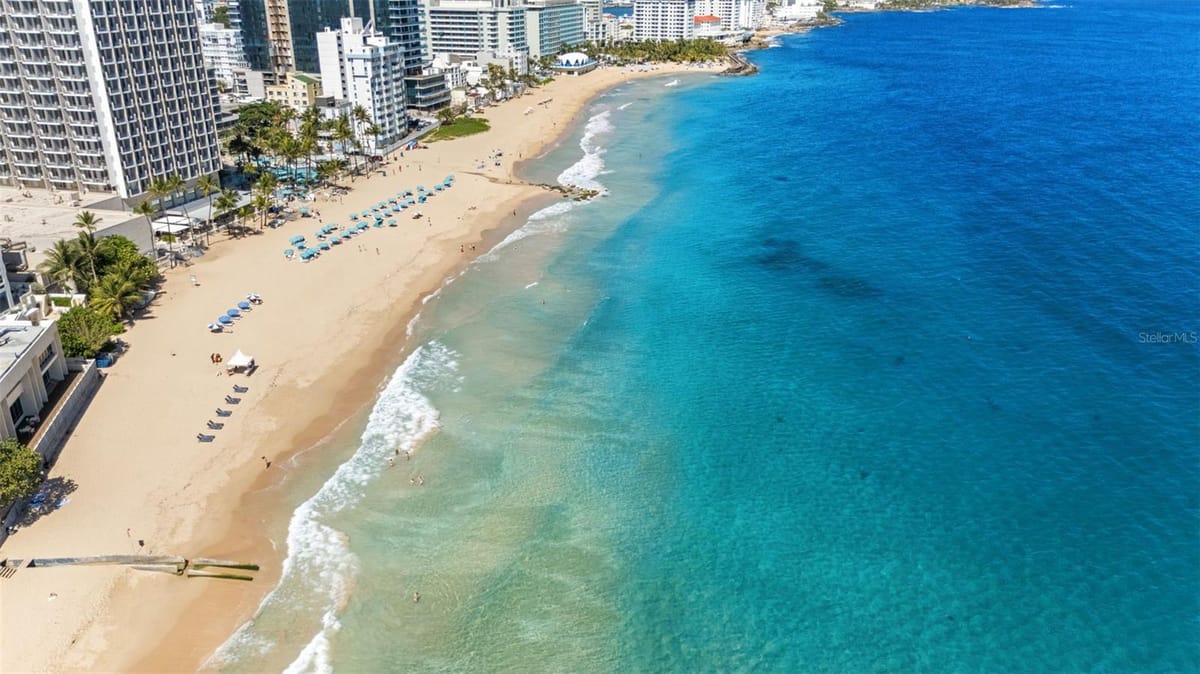
Condado and Isla Verde in San Juan, West Beach and Costa Dorada in Dorado, and Bahía Beach, Rio Mar and Coco Beach in Río Grande: closed-sale prices, buildings, fees a… Read more
Condado · Buyer Guides · New Developments · Luxury Real Estate
How to Compare Pricing, Amenities, HOA Costs, Market Evidence and Long-Term Value Before Buying a Condo in Condado

Condado · New Developments · Luxury Real Estate · Buyer Guides
A Buyer’s Guide to 1120 Ashford Avenue, New Construction, Pricing and How The ICON Fits Into Condado’s Changing Luxury Market

Condado, New Developments, Luxury Real Estate, Buyer Guides
A Buyer’s Guide to Condado’s New Oceanfront Luxury Development, Amenities, Pricing and Market Position

MARKET ANALYSIS
60 Closed Sales, $73.9M in Volume — and a New Generation of Luxury Development Is Reshaping Condado
Puerto Rico Buying Guides
HOA structures, insurance, backup infrastructure, rental restrictions, resort privileges and comparable sales can matter as much as the view. Here’s what buyers should… Read more
We connect discerning buyers and sellers with the island’s most exclusive real estate opportunities. Our expertise and network ensure seamless transactions for both relocation under Act 60 and the sale of distinguished estates. We combine discretion, strategy, and global reach to represent your interests with excellence.