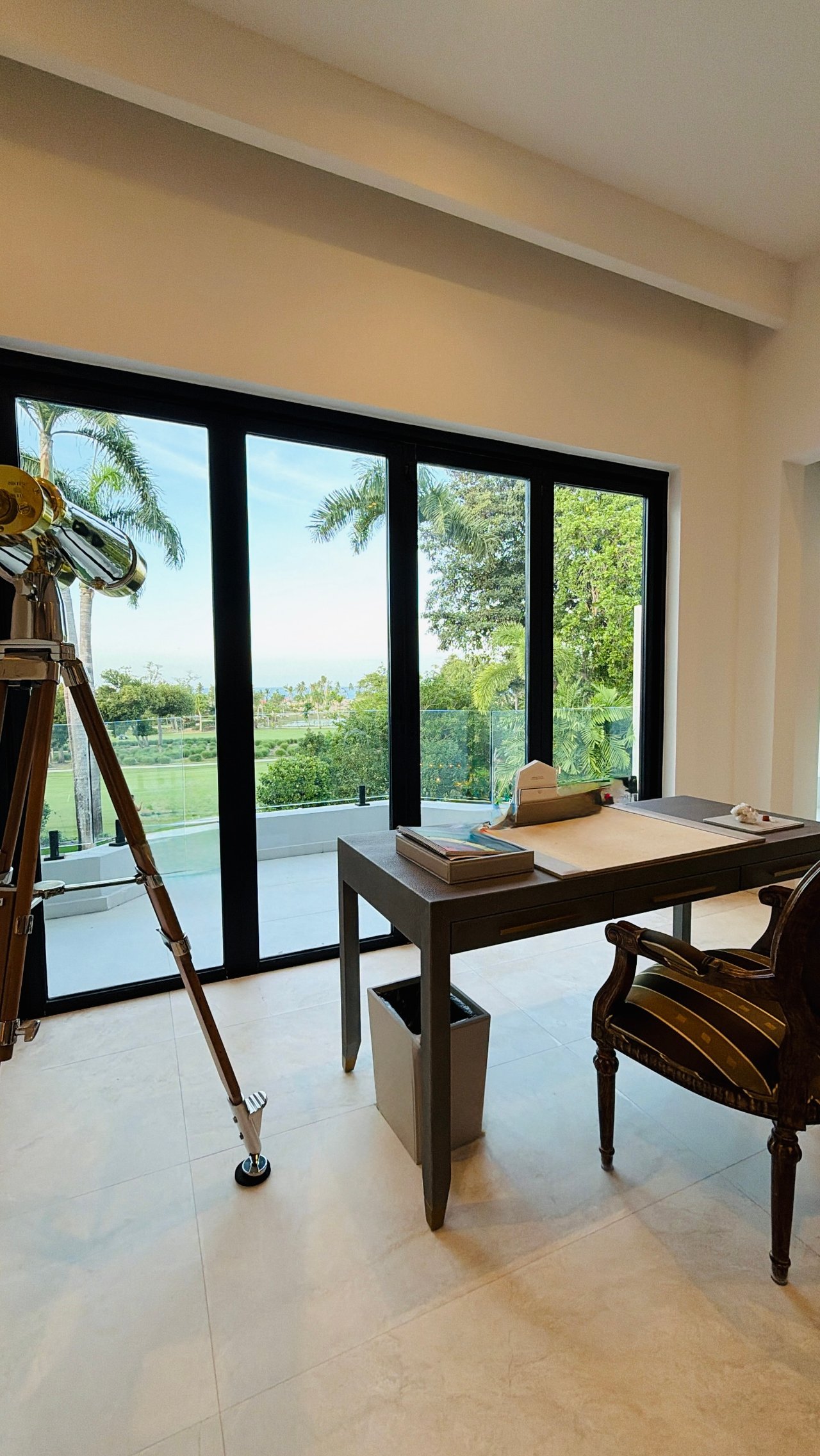
Trusts & Estate Planning for US Buyers of PR Property
Estate Planning, Act 60, Buyer Guides Lizvette Robles July 28, 2026
Estate Planning, Act 60, Buyer Guides Lizvette Robles July 28, 2026
For most mainland buyers, the hardest questions about a Puerto Rico purchase have nothing to do with the property itself. They surface later, usually from a CPA or estate attorney back home: How should title be held? What happens to this asset if something happens to you? Does Puerto Rico's legal system even recognize the trust you already have?
These aren't edge cases. They come up in nearly every transaction above $1.5M, and especially for Act 60 relocators who are restructuring their financial lives at the same time they're buying real estate. Getting the ownership question right before closing is far easier, and far cheaper, than fixing it afterward.
Puerto Rico operates under a civil law system with roots in Spanish law, layered with US federal jurisdiction. That hybrid creates real differences from mainland real estate practice, and the one that surprises buyers most is forced heirship.
Under Puerto Rico's Civil Code, a portion of an estate, the legítima is generally reserved for children and, in some cases, a surviving spouse, regardless of what a will says. A mainland-style will that leaves everything to one heir, or nothing to another, may not fully control how Puerto Rico real property passes on death. This is one of the most common gaps our buyers' mainland attorneys haven't encountered before, simply because it doesn't exist in most US states.
The way title is held at closing has direct consequences for how, or whether, that rule applies.
Personal name. The simplest path, and often the right one for a primary residence purchased outright. It's also the structure most exposed to forced heirship rules and to US probate if the buyer has other US-based assets.
A trust. Revocable living trusts are common in mainland estate planning, but not every trust structure translates cleanly to Puerto Rico property. Whether a given trust is recognized, and how it interacts with forced heirship, depends on the trust's jurisdiction and drafting, which is why this is a conversation for a Puerto Rico estate attorney, not an assumption carried over from a mainland plan.
An LLC or corporate entity. Common for investment properties, second homes, or buyers prioritizing privacy and liability separation. Entity ownership can also simplify eventual transfer of the asset without a full probate process, though it introduces its own tax and reporting considerations, particularly for Act 60 decree holders, where the entity structure can intersect with decree compliance.
There is no universal right answer. The correct structure depends on the buyer's broader estate plan, marital status, other US holdings, and long-term intent for the property, sell, hold, or pass down. What this means for Act 60 buyers specifically.
Act 60 decree holders are already restructuring residency, tax status, and often business entities as part of relocation. Property ownership decisions made in isolation from that broader plan tend to create friction later, a trust that jeopardizes bona fide residency documentation, or an LLC structure that complicates the two-year property-use requirement under the Individual Investor decree. The buyers who avoid this friction are the ones who loop in their CPA and a Puerto Rico-licensed estate attorney before signing a purchase agreement, not after.
Ownership structure isn't a closing-day formality, it's a decision that outlives the transaction. The buyers who get the best outcomes treat it as part of the purchase strategy from the first property tour, not a detail to sort out with the title company the week before closing. This article is educational and does not constitute legal or tax advice. Every buyer's situation is different, speak with a Puerto Rico-licensed estate attorney and your CPA before making ownership decisions.
Ready to start the conversation about your Puerto Rico purchase? [Contact InvEstate Puerto Rico] to connect with our network of trusted local attorneys and CPAs as part of your buying strategy.
Does a US trust automatically work for property I buy in Puerto Rico? Not automatically. Recognition depends on how the trust is structured and drafted, and Puerto Rico's legal framework differs from mainland US trust law. A Puerto Rico estate attorney should review any existing trust before it's used to hold local real property.
What is forced heirship and does it affect my Puerto Rico home? Forced heirship is a Puerto Rico Civil Code rule reserving a portion of an estate for children and, in some cases, a spouse, regardless of what a will states. It can affect how Puerto Rico real property passes on death, even if a mainland will says otherwise.
Should I buy Puerto Rico property through an LLC? It depends on your goals. LLCs are common for investment properties and can simplify transfer and add privacy, but they carry tax and reporting implications, especially for Act 60 decree holders, where entity structure can intersect with decree requirements.
Do I need a separate will for my Puerto Rico property? In many cases, yes, or at minimum a Puerto Rico-specific addendum to an existing will. This is a question for a Puerto Rico-licensed estate attorney, since local property may not be fully governed by an out-of-state will.
About InvEstate PR
InvEstate PR specializes in luxury residential real estate across Puerto Rico's most prestigious markets. Our team serves both local sellers and international buyers, with deep expertise in Act 60 relocations and premium property transactions.
Stay up to date on the latest real estate trends.

Condado · Relocation · Buyer Guides · Puerto Rico Real Estate
What Buyers Should Know About Walkability, Schools, Healthcare, Condos, Transportation and Choosing the Right Property Before Moving to Condado

Act 13-2026 gives you a deadline to see the building rules. Act 157-2026 moves disputes out of DACO and into the courts.
Condado · Buyer Guides · Luxury Real Estate · Puerto Rico Real Estate
How Views, Exposure, Location, Noise, Walkability and Resale Position Differ Across Condado’s Two Waterfronts
Condado · Buyer Guides · Puerto Rico Real Estate · Luxury Real Estate
HOA Fees, Insurance, Property Taxes, Assessments and the Expenses Buyers Should Understand Before Purchasing in Condado

LUXURY COMMUNITIES
44 residences from $1.2M between Garden Hills and San Patricio. What $818 per square foot means if you are buying, and what it changes if you already own in the area.

LUXURY COMMUNITIES
Forty Stellar MLS closed sales across eight communities, from $136 to $3,110 per square foot, what sellers actually accept, and what the maintenance fee adds.
LUXURY COMMUNITIES
Condado and Isla Verde in San Juan, West Beach and Costa Dorada in Dorado, and Bahía Beach, Rio Mar and Coco Beach in Río Grande: closed-sale prices, buildings, fees a… Read more
Condado · Buyer Guides · New Developments · Luxury Real Estate
How to Compare Pricing, Amenities, HOA Costs, Market Evidence and Long-Term Value Before Buying a Condo in Condado
We connect discerning buyers and sellers with the island’s most exclusive real estate opportunities. Our expertise and network ensure seamless transactions for both relocation under Act 60 and the sale of distinguished estates. We combine discretion, strategy, and global reach to represent your interests with excellence.