
Leaving Act 60: What Happens to Your Puerto Rico Property
Luxury Real Estate Puerto Rico Lizvette Robles August 4, 2026
Luxury Real Estate Puerto Rico Lizvette Robles August 4, 2026
Almost every Act 60 buyer plans to stay in Puerto Rico indefinitely when they sign their decree. Life doesn't always follow that plan. Careers change, family circumstances shift, or a buyer simply decides after a few years that Puerto Rico isn't the long-term fit they expected. It's a quiet question we hear more often than public conversation about Act 60 would suggest: if I leave the program, what actually happens to the home I bought?
This deserves a direct answer, because the property consequences of leaving Act 60 are frequently misunderstood, and understanding them before you buy shapes decisions that are much harder to unwind after the fact.
Leaving Act 60, whether by choice or by failing to meet the decree's ongoing requirements, does not mean losing ownership of the property. The home remains the owner's asset, fully theirs to keep, sell, or rent, exactly as it would be for any property owner in Puerto Rico. What changes is the tax treatment tied to the decree, the capital gains exemptions, the reduced tax rates on qualifying income, and other decree-specific benefits stop applying once residency and decree compliance end.
This is the distinction that gets lost in casual conversation about Act 60: the real estate decision and the tax decision are related, but they are not the same decision, and losing the second doesn't undo the first.
Individual Investor decree holders are generally required to purchase Puerto Rico real property within a set window of establishing residency, and that property has historically been tied to demonstrating genuine bona fide residency, not simply held as a formality. Buyers who purchase specifically to satisfy this requirement, without genuine intent to reside, put themselves in a more exposed position if their residency status is ever questioned, since the property requirement exists to demonstrate real commitment to the island, not to check a compliance box.
For buyers who later leave the program, this history matters primarily in retrospect: it's part of what regulators would examine if compliance during the decree period is ever scrutinized, even after the decree itself has ended.
If a former decree holder decides to sell their Puerto Rico property after leaving Act 60, the transaction proceeds through a standard sale process, but the tax treatment of any capital gain reverts to whatever framework applies to a non-decree seller at the time of sale, which can be meaningfully less favorable than the exemptions available to active, compliant decree holders. This is a material financial difference worth understanding at the time of purchase, not discovering at the time of sale.
Sellers in this position should work closely with a CPA experienced in Act 60 specifically, since the calculation depends on factors including how long the property was held, how long the seller maintained active decree status, and current capital gains rules at the time of the transaction.
None of this is a reason to avoid Act 60 or to buy defensively. It's a reason to buy with clear eyes about what the real estate purchase is actually accomplishing, a genuine home in a place the buyer intends to build a life, which happens to also satisfy a decree requirement, rather than a transaction structured purely around tax optimization with residency treated as a technicality.
Buyers who approach the purchase this way tend to make better real estate decisions regardless of what happens with their decree status down the road, because they're evaluating the property on its own merits as a place to actually live, not solely as a compliance instrument.
Property ownership in Puerto Rico survives an Act 60 decree, even when the decree doesn't. The tax advantages are real and meaningful while the decree is active and in good standing, but the property itself is a separate, durable asset, one that should be evaluated as a genuine real estate decision, with the tax benefits understood as exactly that: a benefit, not the foundation the whole purchase rests on.
This article is educational and does not constitute legal or tax advice. Act 60 compliance and its property implications should be discussed directly with a CPA and attorney experienced in Puerto Rico incentive programs. Buying under Act 60 and want to make sure your real estate decision holds up regardless of what the future looks like? [Contact InvEstate Puerto Rico], we help buyers choose properties that work as genuine homes first.
About InvEstate PR InvEstate PR specializes in luxury residential real estate across Puerto Rico's most prestigious markets. Our team serves both local sellers and international buyers, with deep expertise in Act 60 relocations and premium property transactions.
If I leave the Act 60 program, do I lose my Puerto Rico property? No. The property remains fully owned by you and can be kept, sold, or rented as with any other real estate. What changes is the tax treatment, the decree-specific benefits, such as capital gains exemptions, no longer apply once residency and compliance end.
Does selling property after leaving Act 60 have different tax consequences? Generally, yes. Capital gains treatment for a sale after leaving the program typically reverts to standard, non-decree rules, which can be less favorable than the exemptions available to active, compliant decree holders. This should be reviewed with a CPA experienced in Act 60.
Do I have to keep my Act 60 property forever to keep the tax benefits? The tax benefits are tied to maintaining active decree compliance, including bona fide residency, not to holding the property indefinitely on its own. Once decree status ends, the associated tax advantages generally end with it, regardless of whether the property is kept.
Should I buy Puerto Rico property purely to satisfy the Act 60 requirement? This is generally not advisable. Buying with genuine intent to reside, rather than purely as a compliance formality, better protects a buyer if residency status is ever reviewed, and typically results in a better real estate decision overall.
More on this: our full guide to Act 60 real estate in Puerto Rico — where Act 60 families actually buy, what they buy, and how the purchase works.
Stay up to date on the latest real estate trends.


Condado · Relocation · Buyer Guides · Puerto Rico Real Estate
What Buyers Should Know About Walkability, Schools, Healthcare, Condos, Transportation and Choosing the Right Property Before Moving to Condado

Act 13-2026 gives you a deadline to see the building rules. Act 157-2026 moves disputes out of DACO and into the courts.
Condado · Buyer Guides · Luxury Real Estate · Puerto Rico Real Estate
How Views, Exposure, Location, Noise, Walkability and Resale Position Differ Across Condado’s Two Waterfronts
Condado · Buyer Guides · Puerto Rico Real Estate · Luxury Real Estate
HOA Fees, Insurance, Property Taxes, Assessments and the Expenses Buyers Should Understand Before Purchasing in Condado

LUXURY COMMUNITIES
44 residences from $1.2M between Garden Hills and San Patricio. What $818 per square foot means if you are buying, and what it changes if you already own in the area.

LUXURY COMMUNITIES
Forty Stellar MLS closed sales across eight communities, from $136 to $3,110 per square foot, what sellers actually accept, and what the maintenance fee adds.

LUXURY COMMUNITIES
Condado and Isla Verde in San Juan, West Beach and Costa Dorada in Dorado, and Bahía Beach, Rio Mar and Coco Beach in Río Grande: closed-sale prices, buildings, fees a… Read more
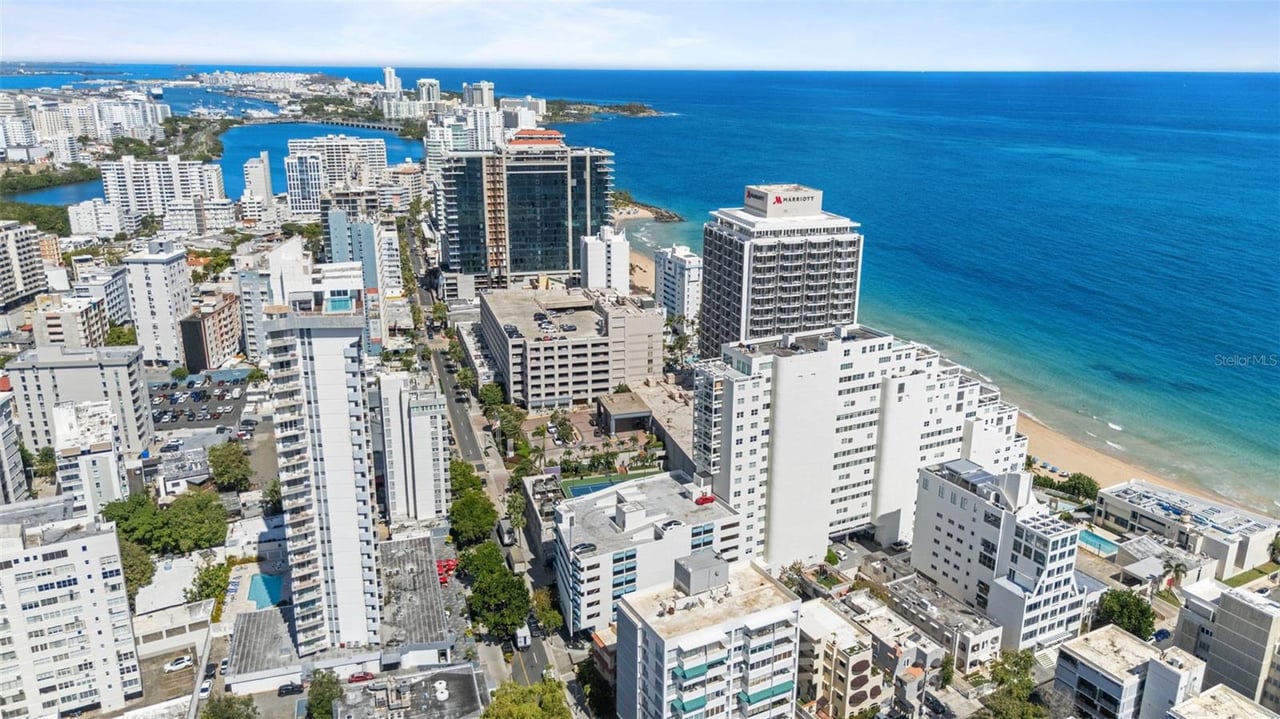
Condado · Buyer Guides · New Developments · Luxury Real Estate
How to Compare Pricing, Amenities, HOA Costs, Market Evidence and Long-Term Value Before Buying a Condo in Condado
We connect discerning buyers and sellers with the island’s most exclusive real estate opportunities. Our expertise and network ensure seamless transactions for both relocation under Act 60 and the sale of distinguished estates. We combine discretion, strategy, and global reach to represent your interests with excellence.