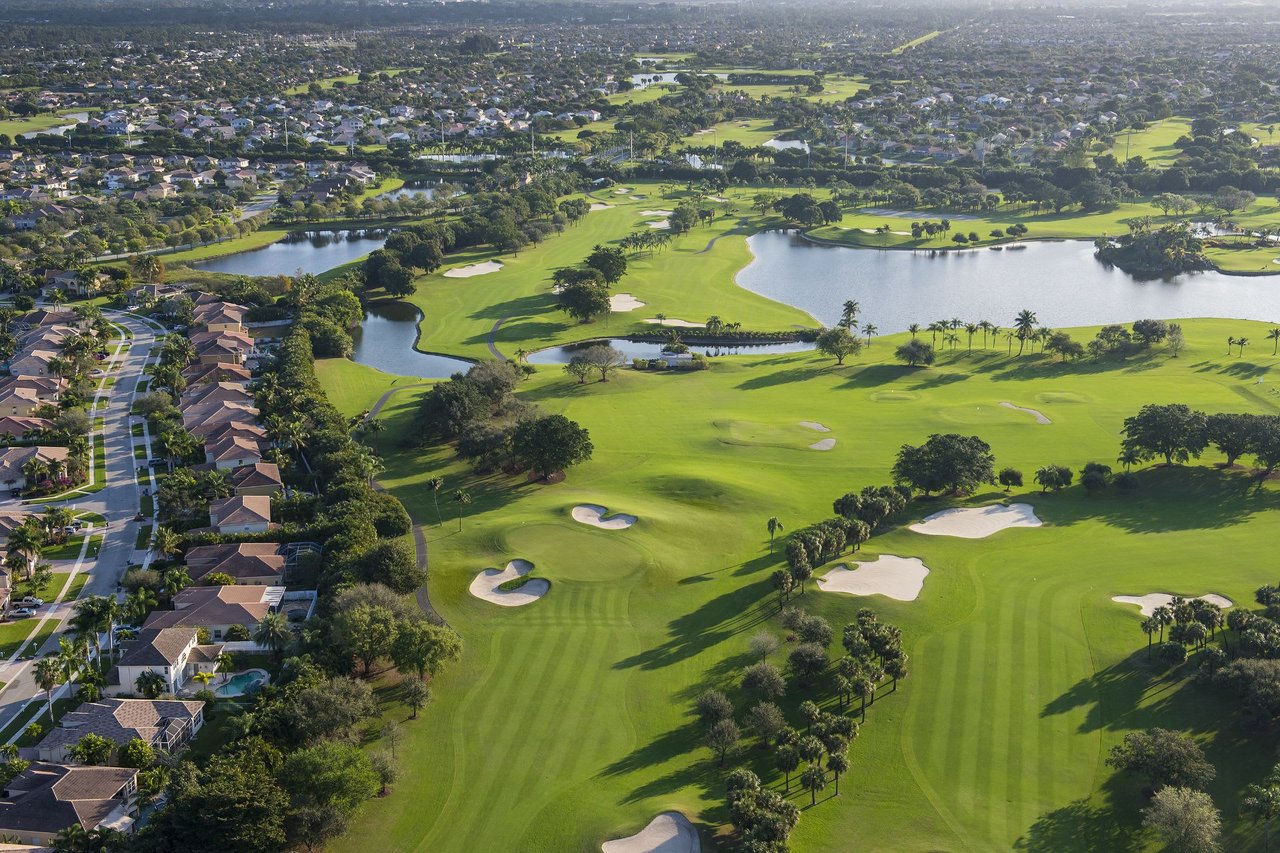
What the Act 60 Community Actually Looks Like in 2026
Act 60 Relocation, Puerto Rico Real Estate, Luxury Real Estate, Buyers Guide Lizvette Robles June 20, 2026
Act 60 Relocation, Puerto Rico Real Estate, Luxury Real Estate, Buyers Guide Lizvette Robles June 20, 2026
The Act 60 community in Puerto Rico is one of the most written-about and least accurately described phenomena in U.S. tax and real estate media. The promotional version, sun, tax savings, founders living their best lives in Dorado, is everywhere. The more complete picture, which serious buyers need before making a relocation decision, is harder to find. This guide provides that complete picture: who is actually in the community, what compliance actually requires, where IRS scrutiny is concentrated, and what the social and professional landscape looks like for someone entering it in 2026.
Who Is Actually in the Act 60 Community The Act 60 individual investor community in Puerto Rico has evolved significantly since the program's predecessor, Act 22, began attracting early adopters in the early 2010s. What started as a relatively small group of pioneer relocators has become a mature and demographically diverse community concentrated primarily in Dorado Beach, Condado, and Guaynabo.
The community's largest constituent group is investors and portfolio managers, individuals managing substantial holdings in public equities, private equity, venture capital, and digital assets who relocated to Puerto Rico to access the zero percent capital gains structure on appreciation generated after establishing residency. This group includes hedge fund managers, family office principals, and independent investors who have structured their financial lives around the program's core benefit and built genuine lives on the island around that structure.
The second significant group is technology founders and operators. Puerto Rico has attracted entrepreneurs who sold businesses, are running companies remotely, or are building new ventures from the island. The combination of Act 60's export services provisions, which offer qualifying businesses a 4 percent corporate tax rate, and the individual investor capital gains benefits has made Puerto Rico particularly attractive to founders who are simultaneously running businesses and managing personal investment portfolios. The technology and crypto communities in particular have a dense presence in San Juan and Condado, anchored by events, co-working spaces, and social networks that function in English.
The third group, growing substantially in 2025 and 2026 ahead of the December 31 deadline, is families and professionals completing relocations that they have been planning for months or years. These are not speculative or opportunistic moves. They are deliberate, well-advised relocations by people who have done the financial modeling, engaged tax counsel, and made the decision to build their primary life in Puerto Rico before the program's terms change. The demand shows in the 2026 closed sales: in our Stellar MLS analysis, Dorado closed 57 sales at a $1.2 million median with 33 of 57 paid in cash, and Condado closed 60 sales at a $925,000 median with 40 of 60 in cash. Cash-heavy, relocation-driven markets like these are where Act 60 buyers concentrate.
What Compliance Actually Requires in 2026 The Act 60 individual investor program is not passive and it is not simple. Buyers who enter the community in 2026 need to understand its compliance requirements with precision, because the consequences of non-compliance range from loss of decree to IRS enforcement action.
The foundational requirement is bona fide residency, which the IRS evaluates through three tests: physical presence, tax home, and closer connection. Physical presence requires spending at least 183 days per year in Puerto Rico, a requirement that must be tracked and documented with the rigor of a compliance process rather than estimated casually. Tax home requires that Puerto Rico be the primary place of business or professional activity. The closer connection test evaluates which jurisdiction the individual has stronger ties to across a range of factors including family location, driver's license, voter registration, banking relationships, and social connections.
Bona fide residency requires more than paperwork. The IRS has made clear through recent guidance and enforcement actions that it scrutinizes Act 60 claims aggressively, particularly in the cryptocurrency and digital asset sector where the sourcing of gains before and after residency establishment is a frequent area of dispute. The requirement that gains be sourced to Puerto Rico, and not simply re-characterized as Puerto Rican after the fact, has been reinforced repeatedly through IRS guidance. Taxpayers cannot move to Puerto Rico and immediately sell assets with large pre-move appreciation and expect those gains to be treated as Puerto Rico-sourced.
Charitable contributions are a formal compliance requirement that has increased in 2026. Act 60 decree holders are required to make annual charitable contributions of $15,000, up from $10,000 previously, to qualifying Puerto Rico-based nonprofit organizations. Annual compliance reporting is required in May of each year. The purchase of a primary residence within two years of decree issuance is a firm requirement for individual investor decree holders, not a suggestion, buyers who fail to acquire qualifying property within this window risk losing their decree.
The IRS Scrutiny Environment
Buyers considering Act 60 in 2026 need to understand that the IRS enforcement environment is more active than it was in the program's earlier years. The agency has signaled through multiple guidance documents, including CCM 202538025 and AM 2024-005, that it will aggressively police Act 60 claims, particularly those involving cryptocurrency and large pre-move capital gains. Congressional attention to the program has intensified scrutiny of high-profile decree holders, and the legal and documentation requirements that decree holders must meet to defend their positions have become correspondingly more demanding.
This does not mean the program is not viable, for buyers who establish genuine bona fide residency, document their physical presence rigorously, source income correctly, and maintain full compliance with Puerto Rico's reporting and charitable requirements, Act 60 provides exactly the tax structure it promises. It does mean that the buyer who approaches Act 60 as a paper exercise rather than a genuine relocation, who maintains primary life on the mainland while technically satisfying the minimum day count, is taking on significant compliance risk that a properly implemented relocation does not carry.
The distinction matters for real estate decisions. Buyers who are genuinely relocating, establishing Puerto Rico as their primary life, their tax home, their community, are well-positioned. Buyers who are attempting to maintain a mainland life while paper-qualifying for Act 60 benefits are the ones who face IRS scrutiny. The best protection is the same as the best version of the lifestyle: actually living here.
The Charitable Contribution Ecosystem
The $15,000 annual charitable contribution requirement is worth understanding beyond its compliance function, because it has created a meaningful philanthropic ecosystem around the Act 60 community. Organizations such as the 20/22 Act Society, based in Dorado, have channeled this mandatory charitable capital into nonprofit organizations across the island, supporting a range of causes from education and disaster relief to community development. The requirement has also produced a network of qualifying nonprofits that Act 60 decree holders can support, and the Act 60 community's philanthropic footprint on the island, while a subject of ongoing debate about its adequacy relative to the tax benefits the program delivers, is real and growing.
For buyers who are evaluating Act 60 not just as a tax structure but as a framework for building a meaningful connection to Puerto Rico and its community, the charitable contribution requirement is a starting point rather than a ceiling. Many Act 60 residents give substantially more than the minimum and describe their engagement with the island's nonprofit and civic sector as one of the more rewarding dimensions of the relocation. What the Community Offers Someone Arriving in 2026
For a buyer entering the Act 60 community in 2026, ahead of the December 31 deadline that closes the zero percent capital gains structure for new applicants, the market they are entering is the most developed and socially sophisticated version of the community that has ever existed.
The professional networks are real. The social infrastructure in Dorado and Condado is established. The schools, the beach clubs, the investor events, and the community organizations that support Act 60 residents have been built and refined over more than a decade of sustained migration. A buyer arriving in 2026 is joining a mature community, not pioneering one.
The compliance environment is also more demanding than it was in the early years of the program. Buyers who enter with proper legal and tax counsel, genuine relocation intent, and the documentation practices that bona fide residency requires will find that the program delivers exactly what it promises. Those who enter with shortcuts will find an IRS that is paying close attention.
At InvEstate Puerto Rico, we work with buyers who are serious about Act 60, which means we work with buyers who are serious about building a life here, not just acquiring a decree. If you want to understand what that process looks like on the real estate side, and what the right property in the right community means for your Act 60 compliance positioning, contact us directly. Frequently Asked Questions Who qualifies for Act 60 individual investor benefits in Puerto Rico?
Act 60 individual investor benefits are available to individuals who become bona fide residents of Puerto Rico and have not been residents of Puerto Rico for at least six years prior to relocating. Qualification requires satisfying the physical presence test (generally 183 days per year in Puerto Rico), the tax home test, and the closer connection test. Buyers should engage a qualified Puerto Rico tax attorney before applying to ensure their specific situation meets all requirements.
What are the charitable contribution requirements for Act 60 decree holders in 2026? Act 60 decree holders are required to make annual charitable contributions of $15,000, increased from $10,000 in prior years, to qualifying Puerto Rico-based nonprofit organizations. This requirement must be met annually to maintain compliance with the decree. Buyers should verify the current amount and qualifying organization criteria with their Act 60 attorney, as these terms are subject to legislative change.
Is the IRS scrutinizing Act 60 claims more aggressively in 2026?
Yes. The IRS has issued multiple guidance documents, including CCM 202538025 and AM 2024-005, signaling aggressive enforcement of Act 60 claims, particularly those involving cryptocurrency and large pre-move capital gains. The agency has made clear that bona fide residency requires genuine physical presence, a Puerto Rico tax home, and a real closer connection to the island, not a paper exercise. Buyers with proper documentation and genuine relocation intent are well-positioned; those attempting to maintain a primary mainland life while paper-qualifying face significant compliance risk.
Do I need to buy a home to qualify for Act 60? Yes, within two years of decree issuance. Act 60 individual investor decree holders are required to purchase a primary residence in Puerto Rico within two years of obtaining their decree. Failure to meet this deadline risks loss of the decree. Buyers should factor this timeline into their property search and ensure the property they acquire qualifies as a primary residence under the decree's terms.
What type of person is in the Act 60 community in Puerto Rico in 2026?
The Act 60 community includes investors managing portfolios and capital gains positions, technology founders operating businesses remotely or under the export services provisions, cryptocurrency and digital asset investors, hedge fund and family office principals, and families completing deliberate long-term relocations. The community is concentrated primarily in Dorado Beach, Condado, and Guaynabo, and has matured into one of the most professionally dense networks of high-net-worth individuals in any U.S. jurisdiction.
What is the December 31, 2026 deadline and why does it matter?
December 31, 2026 is the deadline for applying under the current Act 60 Individual Resident Investor structure, which offers a zero percent Puerto Rico tax rate on qualifying capital gains accrued after establishing residency. Applicants who obtain their decree before this date are grandfathered into the zero percent structure through 2035. Applicants after this date face a 4 percent rate under Act 38-2026. For buyers who qualify and are seriously evaluating Act 60, this deadline is not abstract, it directly determines the tax rate that will apply to future appreciation for the life of their decree.
We keep the whole picture in one place: Act 60 real estate in Puerto Rico, from timeline to closing.
Stay up to date on the latest real estate trends.
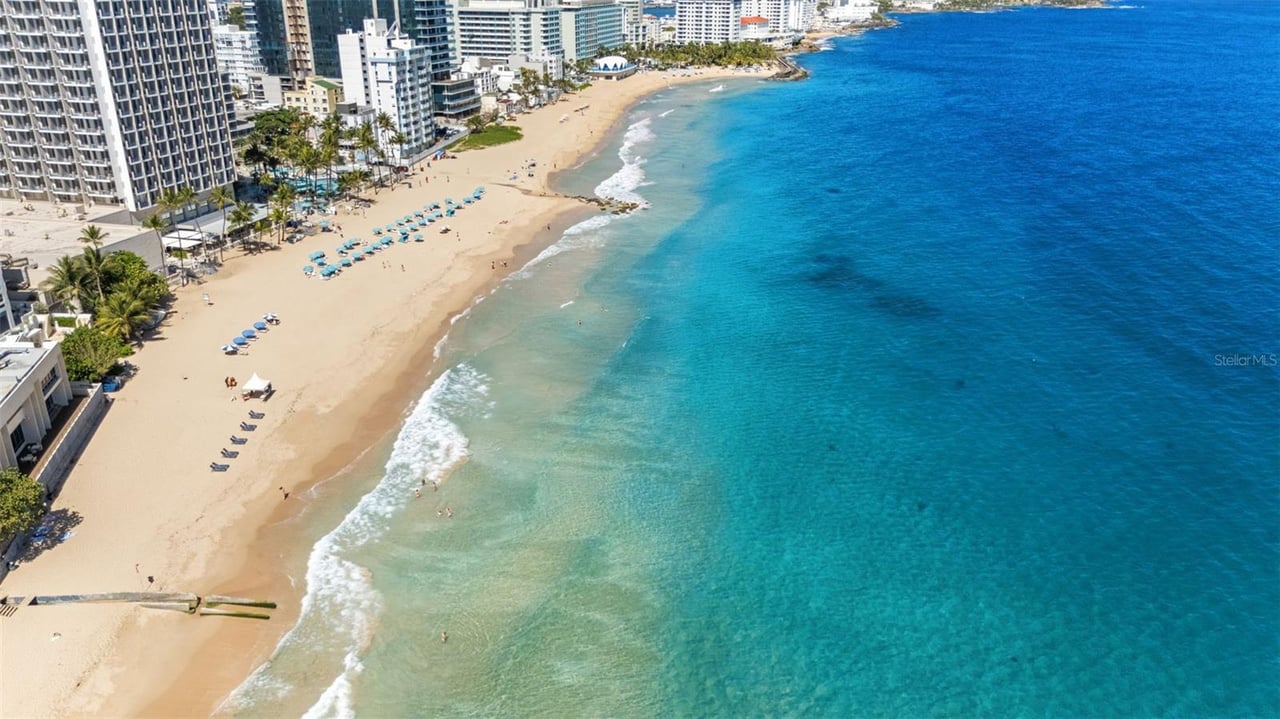
Condado · Relocation · Buyer Guides · Puerto Rico Real Estate
What Buyers Should Know About Walkability, Schools, Healthcare, Condos, Transportation and Choosing the Right Property Before Moving to Condado

Act 13-2026 gives you a deadline to see the building rules. Act 157-2026 moves disputes out of DACO and into the courts.
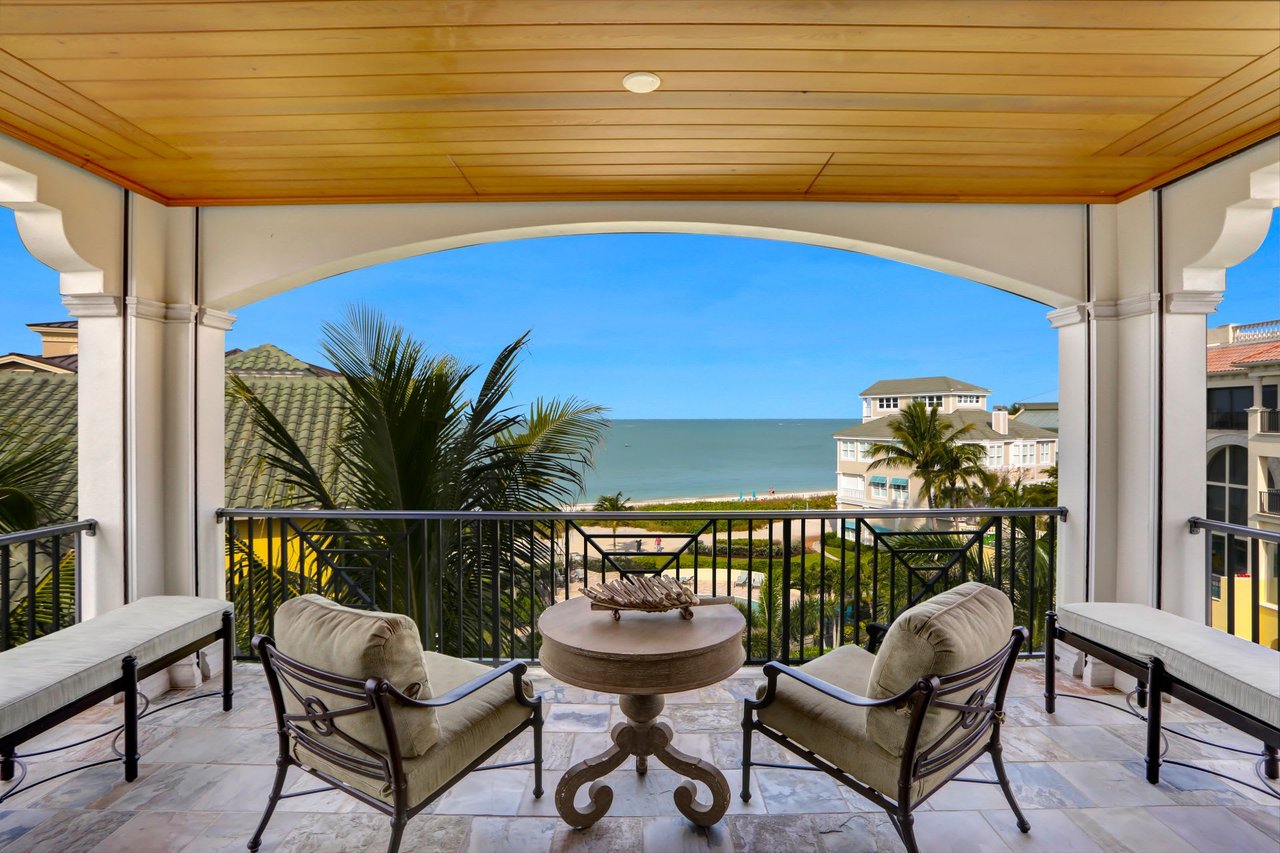
Condado · Buyer Guides · Luxury Real Estate · Puerto Rico Real Estate
How Views, Exposure, Location, Noise, Walkability and Resale Position Differ Across Condado’s Two Waterfronts

Condado · Buyer Guides · Puerto Rico Real Estate · Luxury Real Estate
HOA Fees, Insurance, Property Taxes, Assessments and the Expenses Buyers Should Understand Before Purchasing in Condado

LUXURY COMMUNITIES
44 residences from $1.2M between Garden Hills and San Patricio. What $818 per square foot means if you are buying, and what it changes if you already own in the area.

LUXURY COMMUNITIES
Forty Stellar MLS closed sales across eight communities, from $136 to $3,110 per square foot, what sellers actually accept, and what the maintenance fee adds.
LUXURY COMMUNITIES
Condado and Isla Verde in San Juan, West Beach and Costa Dorada in Dorado, and Bahía Beach, Rio Mar and Coco Beach in Río Grande: closed-sale prices, buildings, fees a… Read more
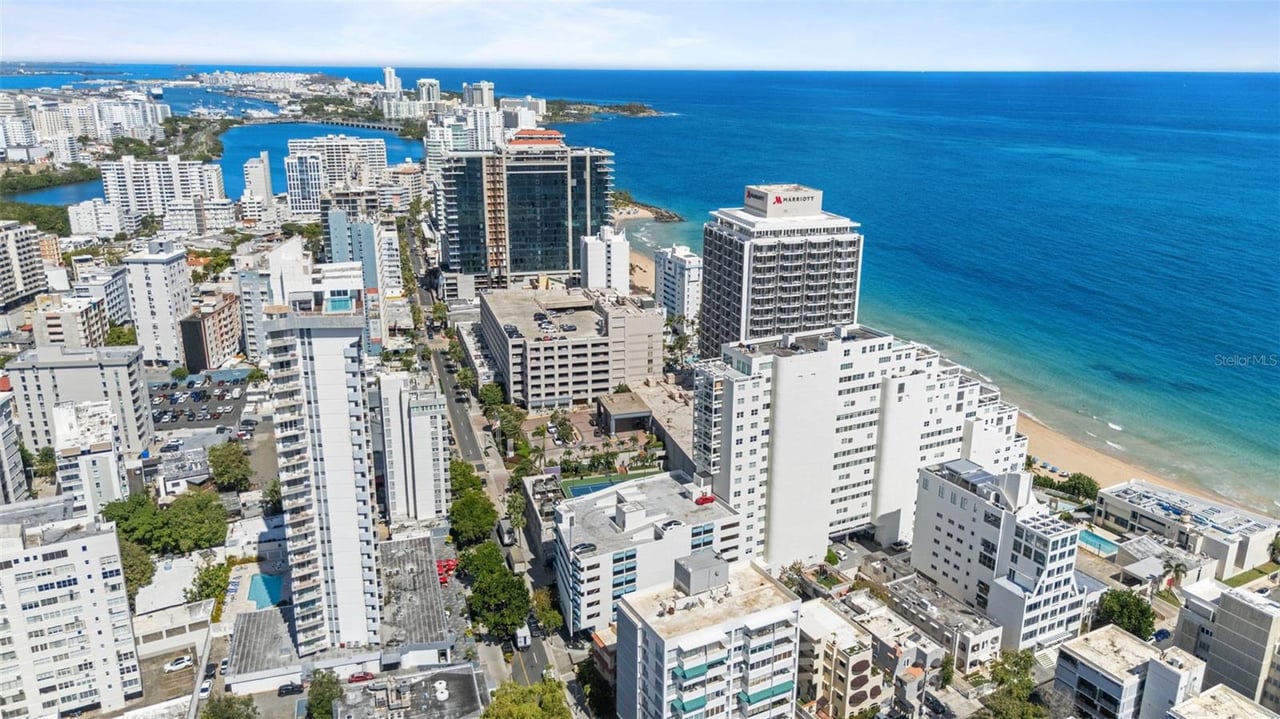
Condado · Buyer Guides · New Developments · Luxury Real Estate
How to Compare Pricing, Amenities, HOA Costs, Market Evidence and Long-Term Value Before Buying a Condo in Condado
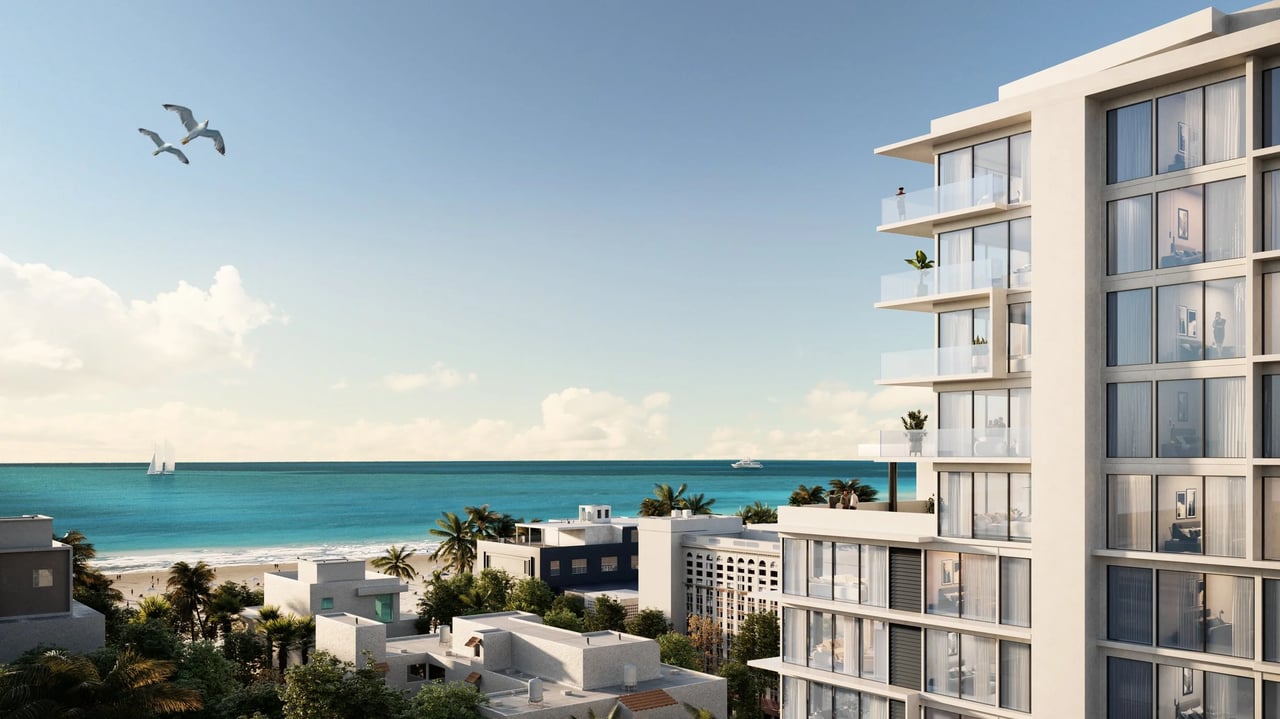
Condado · New Developments · Luxury Real Estate · Buyer Guides
A Buyer’s Guide to 1120 Ashford Avenue, New Construction, Pricing and How The ICON Fits Into Condado’s Changing Luxury Market
We connect discerning buyers and sellers with the island’s most exclusive real estate opportunities. Our expertise and network ensure seamless transactions for both relocation under Act 60 and the sale of distinguished estates. We combine discretion, strategy, and global reach to represent your interests with excellence.