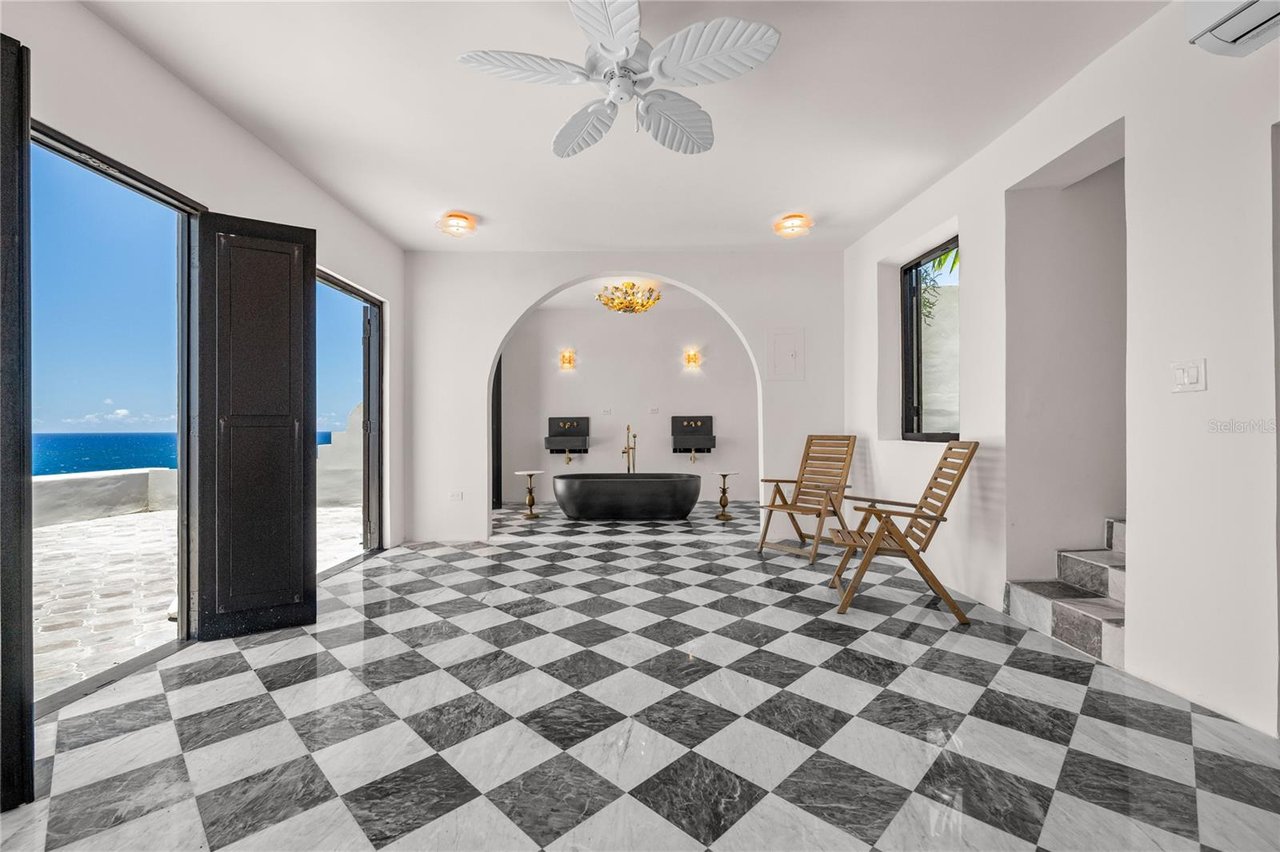
The Honest Guide to Infrastructure in Puerto Rico: Power, Internet, and What Luxury Communities Actually Offer
Act 60 Relocation, Puerto Rico Real Estate, Luxury Real Estate, Buyers Guide Lizvette Robles June 19, 2026
Act 60 Relocation, Puerto Rico Real Estate, Luxury Real Estate, Buyers Guide Lizvette Robles June 19, 2026
Infrastructure is the question that every serious buyer asks and almost no relocation content answers honestly. The promotional version of Puerto Rico, beautiful beaches, tax benefits, warm weather, is easy to find. The specific answer to what happens when the power goes out, whether your Zoom call will drop, and how luxury communities have engineered around the grid's limitations is harder to locate. This guide provides that answer directly, because the buyers we work with at InvEstate Puerto Rico are sophisticated enough to require it before committing to a purchase.
The Honest State of Puerto Rico's Electrical Grid in 2026
Puerto Rico's electrical grid has a documented history that buyers should understand clearly before making a relocation decision. Hurricanes Maria in 2017 and Fiona in 2022 exposed the fragility of a centralized grid infrastructure that had been underfunded for decades. The subsequent rebuilding process, managed by LUMA Energy, which took over transmission and distribution in 2021, has been slow, contentious, and uneven in its results. Outages remain a feature of life on the island for residents in the general grid population, and electricity rates in Puerto Rico are among the highest in the United States due to the island's dependence on imported fossil fuels.
This is the honest baseline, and it is the reason that the question of power reliability is legitimate and deserves a direct answer.
The federal government's response in 2025 and 2026 has been meaningful. The U.S. Department of Energy issued emergency orders beginning in May 2025 and renewed them continuously through 2026, authorizing PREPA to dispatch generation units necessary for maintaining critical capacity while accelerating vegetation management along key transmission lines to reduce storm-related outages. These orders have restored up to 820 megawatts of baseload generation capacity, increasing the island's systemwide generation capacity to 6,460 megawatts. Separately, the Department of Energy's Loan Programs Office committed over $1.2 billion in financing to power producers in Puerto Rico for utility-scale solar and battery storage projects designed to gradually replace fossil fuel generation assets through 2032. Puerto Rico has set a goal of 100 percent renewable energy by 2050, and the federal investment pipeline behind that goal is now substantial.
The grid is improving. It is not yet where a buyer from the mainland would consider it fully reliable by U.S. standards. These two statements are both true simultaneously, and understanding both is necessary for making an informed relocation decision.
How Luxury Communities Have Solved the Power Problem The most important thing buyers evaluating Dorado and Condado need to understand is that the general grid situation, while relevant context, does not describe the daily experience of residents in the luxury tier. The communities where Act 60 buyers concentrate have solved the power problem through private infrastructure investment that insulates residents from grid volatility in ways that the broader island population does not have access to.
In Dorado Beach, the Ritz-Carlton Reserve resort corridor operates with backup power infrastructure that is integrated into the community's design rather than treated as an afterthought. Residential properties in the luxury tier, Dorado Beach Estates, East Beach, West Beach, and Sabanera, are built to a construction standard that includes whole-home generator systems as a standard feature rather than an optional upgrade. For most buyers entering the Dorado Beach market at the $2 million and above price point, a properly sized whole-home generator capable of running all systems, air conditioning, appliances, security, pool equipment, and office technology, is already installed and operational. Buyers who are purchasing properties that require generator upgrades should budget between $15,000 and $40,000 for a properly sized system depending on home size, plus an ongoing propane or diesel supply relationship.
In Condado, the urban nature of the neighborhood means that the backup power landscape is more varied. The area's luxury condominium towers and boutique buildings have invested in building-level generator systems that maintain elevator operation, common area systems, and in some cases individual unit power during outages. Single-family residences and townhomes in Condado require individual generator assessment. Buyers should verify the backup power configuration of any specific property before purchase and, where necessary, budget for the installation of a whole-home system.
The practical experience for a resident in a properly equipped luxury home in Dorado or Condado during a grid outage is a brief interruption, seconds to minutes, while the generator engages, followed by a return to full home functionality. It is an adjustment relative to mainland expectations, but it is a manageable one that residents in these communities describe as a minor operational consideration rather than a significant lifestyle disruption. Internet Connectivity: What the Options Actually Are
Internet connectivity in Puerto Rico has improved substantially over the past several years, and for buyers in the luxury communities of Dorado and Condado, the options are genuinely competitive with what most American cities offer.
In Dorado, Claro Internet provides fiber connections to approximately 46 percent of the municipality with symmetrical speeds up to 1 gigabit per second, a fiber standard that rivals what is available in most U.S. suburban markets. XNET WiFi covers approximately 96 percent of the municipality with speeds up to 2 gigabits per second starting at $65 per month. Starlink provides 100 percent coverage across the entire Dorado area, giving residents a satellite-based backup option that is independent of the terrestrial infrastructure entirely.
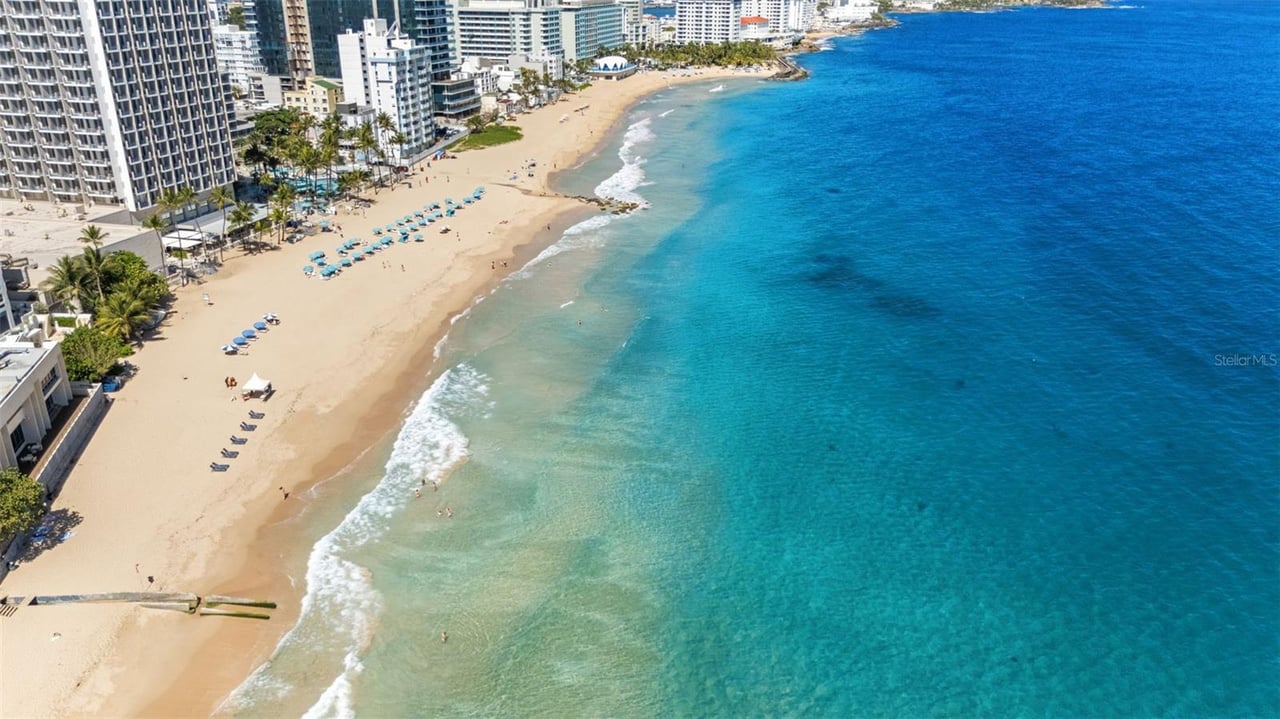
In Condado and the San Juan metro area, Claro Internet provides strong coverage in the core neighborhoods, Condado, Santurce, Río Piedras, and Isla Verde, with fiber and high-speed cable options available across most residential addresses. Multiple providers compete in the urban core, which keeps service quality and pricing more competitive than in outlying municipalities.
The practical approach adopted by most Act 60 residents who work remotely or run businesses from Puerto Rico is a dual-connectivity setup: a primary fiber or high-speed cable connection as the main working connection, paired with Starlink as a backup that activates automatically when the primary connection drops. This configuration, which costs between $150 and $300 per month for both services combined, delivers the connectivity redundancy that most remote professionals require and eliminates the connectivity disruptions that a single-provider setup occasionally produces. Starlink's self-installation and no-contract model makes it particularly well-suited to this backup role.
Water, Roads, and Other Infrastructure Considerations Beyond power and internet, buyers evaluating Puerto Rico's infrastructure should understand a few additional dimensions that affect daily life.
Water supply in the luxury communities of Dorado and Condado is generally reliable, with pressure and quality meeting the standards that residents from the mainland expect. Many luxury homes include filtration systems and cisterns that provide additional supply redundancy during periods of AAA Puerto Rico maintenance or pressure fluctuation. This is standard practice in the market, and buyers should verify the water infrastructure of any specific property as part of the due diligence process.
Road conditions in Puerto Rico vary significantly by location. The highways and main thoroughfares connecting Dorado to San Juan, principally PR-22, are well-maintained arterial roads that support the 25 to 35 minute commute between the resort corridor and the capital. Within Dorado's gated communities, roads are privately maintained to a high standard. Secondary municipal roads across the island outside the main corridors are often in poor repair, and buyers who plan to spend significant time outside the primary luxury zones should factor this into their expectations.
Hurricane season, which runs from June through November, requires preparation that mainland residents are not accustomed to. The luxury communities of Dorado and Condado are built to construction standards, reinforced concrete, impact-resistant windows, storm shutters, and engineered drainage, that significantly reduce hurricane vulnerability relative to older or lower-construction-quality properties. Buyers should verify the specific storm-hardening features of any property they are considering and ensure their insurance coverage is appropriate for the Caribbean climate zone.
The Infrastructure Trajectory
The most important framing for infrastructure in Puerto Rico in 2026 is that it is a system in active transition. The federal investment pipeline, over $1.2 billion in committed solar and battery storage financing alone, plus ongoing DOE emergency orders, represents a structural commitment to grid modernization that did not exist five years ago. Connectivity options have expanded meaningfully with fiber deployment and universal Starlink availability. The luxury communities that serve Act 60 buyers have invested their own private capital in the backup infrastructure that insulates residents from the general grid's current limitations.
The buyer who arrives in Puerto Rico expecting mainland infrastructure uniformly applied across every context will be disappointed. The buyer who arrives understanding the current state, the trajectory, and the private infrastructure solutions that the luxury market has developed will find that life in Dorado or Condado in 2026 is significantly more functional than Puerto Rico's reputation sometimes suggests, and improving steadily.
At InvEstate Puerto Rico, we help buyers understand not just the property they are acquiring but the full infrastructure context of the community they are entering. If you have specific questions about power, connectivity, or the practical considerations of daily life in the communities where we work, contact us directly. Frequently Asked Questions Is Puerto Rico's electricity reliable enough for full-time residents in 2026?
For residents in the luxury tier in Dorado and Condado, yes, with the understanding that whole-home generator systems are a standard feature of properly equipped luxury properties rather than an optional addition. Grid outages occur more frequently than in most U.S. mainland markets, but residents with proper generator infrastructure experience brief automatic transitions rather than significant disruptions. The federal government has committed substantial investment to grid modernization through 2032.
What internet options are available in Dorado, Puerto Rico?
Dorado has strong internet coverage from multiple providers. Claro Internet provides fiber connections to approximately 46 percent of the municipality with speeds up to 1 Gbps. XNET WiFi covers approximately 96 percent of the area with speeds up to 2 Gbps. Starlink provides 100 percent coverage island-wide as a satellite-based alternative. Most remote-working residents use a primary fiber or cable connection backed by Starlink for full redundancy.
Do luxury homes in Dorado Beach come with generators? Most luxury homes in the Dorado Beach resort corridor at the $2 million and above price point include whole-home generator systems as a standard feature. Buyers should verify the generator configuration and capacity of any specific property during due diligence. Properties requiring generator installation should budget between $15,000 and $40,000 depending on home size and system requirements.
How does Starlink work as a backup internet connection in Puerto Rico? Starlink provides satellite-based internet coverage across 100 percent of Puerto Rico, independent of the terrestrial cable and fiber infrastructure. Most Act 60 residents who work remotely pair a primary fiber or cable connection with Starlink as an automatic backup, paying a combined $150 to $300 per month for both services. Starlink's self-installation model and no-contract structure make it well-suited to this backup role.
What should buyers know about hurricane preparedness in Puerto Rico's luxury communities? Luxury properties in Dorado and Condado are built to construction standards that include reinforced concrete, impact-resistant windows, storm shutters, and engineered drainage. Buyers should verify the specific storm-hardening features of any property they are evaluating and ensure their insurance coverage is appropriate for a Caribbean climate zone. Hurricane season runs from June through November.
Is Puerto Rico's infrastructure improving?
Yes, meaningfully. The U.S. Department of Energy has issued and renewed emergency orders throughout 2025 and 2026 to increase grid capacity and reduce outages. The federal Loan Programs Office has committed over $1.2 billion to solar and battery storage projects designed to replace fossil fuel generation assets through 2032. Internet connectivity has expanded with fiber deployment and universal Starlink availability. The infrastructure trajectory is positive, though improvement is gradual rather than immediate.
Stay up to date on the latest real estate trends.
Condado · Relocation · Buyer Guides · Puerto Rico Real Estate
What Buyers Should Know About Walkability, Schools, Healthcare, Condos, Transportation and Choosing the Right Property Before Moving to Condado
Act 13-2026 gives you a deadline to see the building rules. Act 157-2026 moves disputes out of DACO and into the courts.
Condado · Buyer Guides · Luxury Real Estate · Puerto Rico Real Estate
How Views, Exposure, Location, Noise, Walkability and Resale Position Differ Across Condado’s Two Waterfronts
Condado · Buyer Guides · Puerto Rico Real Estate · Luxury Real Estate
HOA Fees, Insurance, Property Taxes, Assessments and the Expenses Buyers Should Understand Before Purchasing in Condado

LUXURY COMMUNITIES
44 residences from $1.2M between Garden Hills and San Patricio. What $818 per square foot means if you are buying, and what it changes if you already own in the area.
LUXURY COMMUNITIES
Forty Stellar MLS closed sales across eight communities, from $136 to $3,110 per square foot, what sellers actually accept, and what the maintenance fee adds.
LUXURY COMMUNITIES
Condado and Isla Verde in San Juan, West Beach and Costa Dorada in Dorado, and Bahía Beach, Rio Mar and Coco Beach in Río Grande: closed-sale prices, buildings, fees a… Read more
Condado · Buyer Guides · New Developments · Luxury Real Estate
How to Compare Pricing, Amenities, HOA Costs, Market Evidence and Long-Term Value Before Buying a Condo in Condado
Condado · New Developments · Luxury Real Estate · Buyer Guides
A Buyer’s Guide to 1120 Ashford Avenue, New Construction, Pricing and How The ICON Fits Into Condado’s Changing Luxury Market
We connect discerning buyers and sellers with the island’s most exclusive real estate opportunities. Our expertise and network ensure seamless transactions for both relocation under Act 60 and the sale of distinguished estates. We combine discretion, strategy, and global reach to represent your interests with excellence.