Puerto Rico vs. USVI: Which Is Actually Better for High-Net-Worth Relocation?
Act 60 Relocation, Puerto Rico Real Estate, Luxury Real Estate, Buyers Guide Lizvette Robles June 18, 2026
Act 60 Relocation, Puerto Rico Real Estate, Luxury Real Estate, Buyers Guide Lizvette Robles June 18, 2026
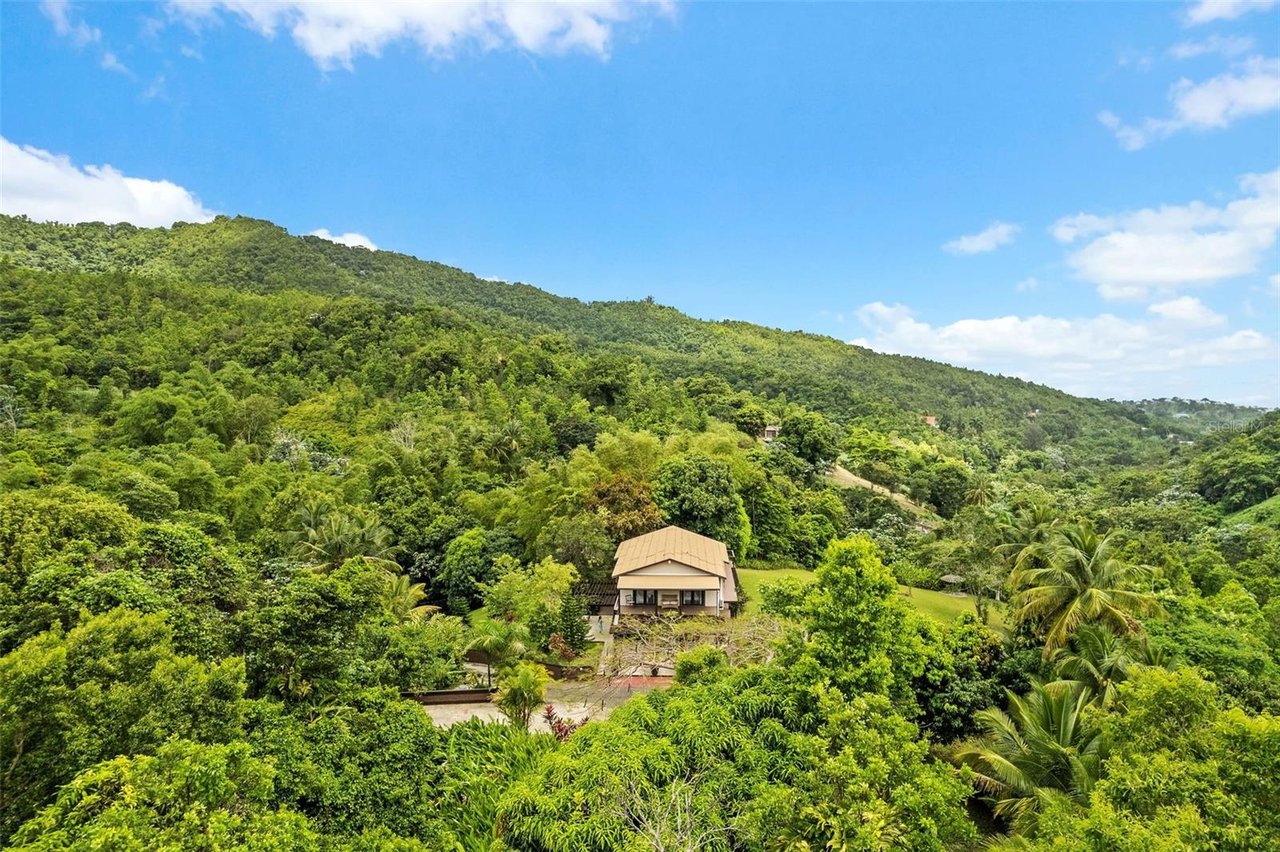
For high-net-worth individuals evaluating U.S. territory relocation in 2026, Puerto Rico and the U.S. Virgin Islands are the two destinations that appear most frequently in serious conversations. Both are U.S. territories. Both offer meaningful tax incentives unavailable in any state. Both sit in the Caribbean. Beyond those surface similarities, the two are fundamentally different propositions, in their tax structures, their real estate markets, their lifestyle infrastructure, and in what they actually deliver to the buyer who commits to either one. This guide compares them directly, without promotional framing, so that buyers who are genuinely evaluating both can make the decision with accurate information.
The Tax Structure: How They Differ Both Puerto Rico and the USVI have built their relocation incentive frameworks on the same foundational legal principle, U.S. territories are authorized to create tax regimes for their residents that are separate from and more favorable than federal and state structures available on the mainland. But the mechanisms are different, and the differences matter.
Puerto Rico operates under its own independent tax code. Its incentive program for individual investors, consolidated under Act 60, offers qualifying residents a zero percent Puerto Rico tax rate on capital gains accrued after establishing residency, or, for those applying after December 31, 2026 under the updated Act 38-2026 framework, a 4 percent rate. Puerto Rico-sourced dividends and interest also receive favorable treatment under a valid decree. Critically, because Puerto Rico has its own tax system separate from the federal Internal Revenue Code, bona fide residents of Puerto Rico are exempt from U.S. federal income tax on Puerto Rico-sourced income under IRC Section 933. This exemption is the core of what makes Puerto Rico's tax structure uniquely powerful.
The USVI operates under what is known as the Mirror Code system, it applies the federal Internal Revenue Code locally, substituting "Virgin Islands" for "United States" throughout. Rather than creating an entirely separate tax system, the USVI layers its incentive programs on top of this mirrored federal structure. The primary vehicle for business and investor incentives is the Economic Development Authority, which can offer qualifying businesses up to a 90 percent reduction in USVI income taxes, including both corporate and individual income taxes, along with exemptions from certain other local taxes. These benefits require compliance with local employment and investment requirements, including hiring local employees and making qualifying investments in the territory.
For individual investors, particularly those managing investment portfolios, operating remote businesses, or managing capital gains from prior appreciation, Puerto Rico's structure has historically been the more straightforward and powerful choice. The 0 percent capital gains rate under Act 60, combined with the IRC Section 933 federal exemption on Puerto Rico-sourced income, creates a tax position that the USVI's Mirror Code structure does not replicate in the same direct way for pure investors. The USVI's EDA incentives are most powerful for businesses with genuine operational substance on the islands, they require local employment and investment commitments that pure investors and remote operators may find more burdensome to satisfy.
The Real Estate Markets: What You Are Buying Into Puerto Rico and the USVI offer meaningfully different real estate markets, and the differences go well beyond price.
Puerto Rico's luxury market is concentrated primarily in Dorado Beach, Condado, and select other corridors, and it operates with the scale and infrastructure of a major metropolitan real estate market. The island has a population of over 3 million, a functioning MLS system through Stellar MLS, active transaction volume, and a professional real estate infrastructure that includes a range of brokers, attorneys, notaries, and title specialists with extensive experience handling complex transactions. Dorado Beach's median price per square foot sits at approximately $820, up 14 percent year over year, with appreciation running between 12 and 18 percent annually in the resort corridor. The total luxury inventory in Dorado Beach is roughly 1,100 residential units across the entire resort community, creating the supply constraint that drives sustained appreciation.
The USVI real estate market is smaller, more fragmented, and structurally different. The three primary islands, St. Thomas, St. John, and St. Croix, each have their own character and price dynamics. St. Thomas is the most urbanized, with average home sales prices of approximately $1.4 million in Q1 2026, though median prices tell a more modest story at around $737,000 for single-family homes. St. John is the most sought-after for luxury buyers, pristine beaches, over 7,000 acres of national park, and a preserved natural environment that limits development and keeps inventory extraordinarily constrained. Average listing prices for luxury properties on St. John run between approximately $1.7 million and $4.5 million, with the top end extending to $40 million for the most exceptional estates. St. Croix is the largest island and the most affordable, with average home prices significantly lower than its northern counterparts.
The structural difference that matters most for buyers evaluating the two territories is market depth. Puerto Rico's luxury market has sufficient transaction volume, broker infrastructure, and market data to support sophisticated acquisition analysis. The USVI's market, particularly on St. John, is small enough that a handful of transactions can move statistics meaningfully, liquidity is genuinely constrained, and buyers are often operating with limited comparable data. For buyers who think of real estate as a long-term capital position rather than simply a lifestyle purchase, Puerto Rico's market depth provides a more analyzable and ultimately more liquid foundation.
The Lifestyle Comparison: Infrastructure and Daily Life The lifestyle differences between Puerto Rico and the USVI are among the most consequential for buyers who will spend meaningful time in their chosen territory.
Puerto Rico is an island with the infrastructure of a major metropolitan area. San Juan is a city with international airports, hospital systems staffed by U.S.-trained physicians, private schools with college-preparatory curricula, a developed restaurant and cultural scene, and the professional service infrastructure, attorneys, accountants, financial advisors, that high-net-worth individuals require. Direct flights connect San Juan to New York, Miami, Boston, Chicago, and other major U.S. cities in two to three hours, with multiple daily departures. The island's population of over 3 million supports the density of services and community that residents of major American cities typically consider non-negotiable.
The USVI is a collection of smaller islands with correspondingly smaller infrastructure. St. Thomas has Charlotte Amalie, the territory's capital and commercial center, which offers a reasonable range of services, medical facilities, and professional support. But the scale is fundamentally different from San Juan. St. John, the most desirable of the three islands for luxury buyers, has almost no permanent commercial infrastructure, its appeal is precisely its undeveloped natural beauty, and the lifestyle it offers is oriented around that beauty rather than around urban amenities. Grocery prices in the USVI run approximately 20 percent higher than in Puerto Rico, and access to specialty services, medical care, and professional support typically requires travel to St. Thomas or to the mainland. The USVI also drives on the left, an adjustment that surprises many American buyers who assume U.S. territory means U.S. driving conventions.
For buyers whose primary consideration is natural beauty and seclusion, St. John in particular offers something that Puerto Rico cannot match, an almost entirely preserved Caribbean environment with limited development, pristine beaches, and the quiet that comes from a very small permanent population. For buyers who need the full infrastructure of a modern American professional and family life, Puerto Rico is the more practical choice by a significant margin.
The Community and Network Dimension One dimension of this comparison that most guides underweight is the community infrastructure that has built up around each territory's relocator population.
Puerto Rico's Act 60 community in 2026 is the largest and most developed concentration of relocated high-net-worth individuals in any U.S. territory. The density of founders, fund managers, and investors in Dorado Beach and Condado has created a social and professional network with genuine depth, investor summits, founder dinners, sector-specific gatherings, and the organic professional interaction that comes from living in proximity to hundreds of people with similar backgrounds and comparable professional interests. For buyers who view community as a meaningful component of the relocation decision, Puerto Rico's Act 60 ecosystem is a material advantage.
The USVI's relocator community is smaller and less professionally concentrated. The territory's incentive programs attract a meaningful number of business operators, but the scale of the community and the depth of its professional infrastructure does not match what Puerto Rico has assembled over the past decade of sustained Act 60 migration. Which Is Right for You The honest answer to the Puerto Rico versus USVI question is that they suit fundamentally different buyers.
The USVI, and St. John in particular, is the right choice for a buyer who prioritizes natural seclusion, pristine Caribbean beauty, and a quiet life organized around the ocean and the outdoors, and who has the professional flexibility and personal preference to trade urban infrastructure for that environment. For the right person, there is nothing like it.
Puerto Rico is the right choice for a buyer who wants the full tax efficiency of a U.S. territory structure, particularly the Act 60 zero percent capital gains framework for applications submitted before December 31, 2026, combined with the lifestyle infrastructure of a major American metropolitan area, a deep and analyzable luxury real estate market, and the most developed relocator community in any U.S. territory. For high-net-worth buyers who are relocating with families, operating businesses, managing portfolios, or building a life rather than simply finding a retreat, Puerto Rico is the more complete solution.
At InvEstate Puerto Rico, we work exclusively in Puerto Rico's luxury market, Dorado, Condado, Guaynabo, Old San Juan, and Cabo Rojo. If you are evaluating Puerto Rico as part of a serious relocation decision and want to understand what the right property and community look like for your specific situation, contact us directly. Frequently Asked Questions What is the difference between Act 60 in Puerto Rico and the USVI tax incentives?
Puerto Rico's Act 60 operates under an independent tax code that offers qualifying residents a zero percent Puerto Rico tax rate on capital gains accrued after establishing residency, or 4 percent for applicants after December 31, 2026. The USVI uses a Mirror Code system based on the federal Internal Revenue Code, with incentives delivered primarily through the Economic Development Authority for qualifying businesses. Puerto Rico's structure is generally more straightforward and powerful for pure investors and capital gains optimization, while the USVI's EDA incentives are most powerful for businesses with operational substance on the islands.
Is Puerto Rico or the USVI better for high-net-worth relocation?
It depends on what the buyer prioritizes. Puerto Rico offers a larger, more liquid real estate market, full metropolitan infrastructure, the most developed Act 60 relocator community in any U.S. territory, and the strongest individual investor tax structure for capital gains. The USVI, particularly St. John, offers greater natural seclusion, pristine Caribbean beauty, and a quieter lifestyle, at the cost of significantly less infrastructure. For buyers relocating with families, operating businesses, or managing portfolios, Puerto Rico is generally the more complete solution.
How does the real estate market in Puerto Rico compare to the USVI?
Puerto Rico's luxury market is larger, more liquid, and better supported by professional infrastructure. Dorado Beach's median price per square foot is approximately $820, with appreciation running 12 to 18 percent annually. The USVI market is smaller, St. Thomas median single-family home prices sat at around $737,000 in Q1 2026, while St. John luxury properties average approximately $1.7 million, with constrained inventory and limited transaction volume that makes detailed market analysis more difficult.
Do I need a passport to travel between Puerto Rico and the USVI?
No. Both Puerto Rico and the U.S. Virgin Islands are U.S. territories. U.S. citizens do not need a passport to travel to or between them. Travel is treated as domestic, and standard U.S. identification is sufficient.
What are the lifestyle differences between living in Puerto Rico and the USVI?
Puerto Rico offers the infrastructure of a major metropolitan area, international airports with multiple daily flights to the U.S. mainland, hospital systems, private schools, a developed restaurant scene, and a full range of professional services. The USVI offers a smaller-scale, more natural environment, grocery prices run approximately 20 percent higher than Puerto Rico, medical and professional services are more limited, and St. John in particular is almost entirely undeveloped. The USVI also drives on the left, unlike the U.S. mainland and Puerto Rico.
What is the Act 60 deadline and how does it affect the Puerto Rico vs. USVI decision?
The deadline for applying under the current Act 60 Individual Resident Investor structure in Puerto Rico is December 31, 2026. Buyers who obtain their decree before that date are grandfathered into the zero percent capital gains structure through 2035. Applicants after that date face a 4 percent rate under Act 38-2026. The USVI does not have an equivalent time-sensitive deadline for its investor incentives at this time, which means the urgency of the Puerto Rico decision, for buyers who qualify and are considering both, is concentrated in the 2026 window.
More on this: our full guide to Act 60 real estate in Puerto Rico — where Act 60 families actually buy, what they buy, and how the purchase works.
Stay up to date on the latest real estate trends.
Condado · Relocation · Buyer Guides · Puerto Rico Real Estate
What Buyers Should Know About Walkability, Schools, Healthcare, Condos, Transportation and Choosing the Right Property Before Moving to Condado

Act 13-2026 gives you a deadline to see the building rules. Act 157-2026 moves disputes out of DACO and into the courts.

Condado · Buyer Guides · Luxury Real Estate · Puerto Rico Real Estate
How Views, Exposure, Location, Noise, Walkability and Resale Position Differ Across Condado’s Two Waterfronts

Condado · Buyer Guides · Puerto Rico Real Estate · Luxury Real Estate
HOA Fees, Insurance, Property Taxes, Assessments and the Expenses Buyers Should Understand Before Purchasing in Condado

LUXURY COMMUNITIES
44 residences from $1.2M between Garden Hills and San Patricio. What $818 per square foot means if you are buying, and what it changes if you already own in the area.

LUXURY COMMUNITIES
Forty Stellar MLS closed sales across eight communities, from $136 to $3,110 per square foot, what sellers actually accept, and what the maintenance fee adds.
LUXURY COMMUNITIES
Condado and Isla Verde in San Juan, West Beach and Costa Dorada in Dorado, and Bahía Beach, Rio Mar and Coco Beach in Río Grande: closed-sale prices, buildings, fees a… Read more
Condado · Buyer Guides · New Developments · Luxury Real Estate
How to Compare Pricing, Amenities, HOA Costs, Market Evidence and Long-Term Value Before Buying a Condo in Condado

Condado · New Developments · Luxury Real Estate · Buyer Guides
A Buyer’s Guide to 1120 Ashford Avenue, New Construction, Pricing and How The ICON Fits Into Condado’s Changing Luxury Market
We connect discerning buyers and sellers with the island’s most exclusive real estate opportunities. Our expertise and network ensure seamless transactions for both relocation under Act 60 and the sale of distinguished estates. We combine discretion, strategy, and global reach to represent your interests with excellence.