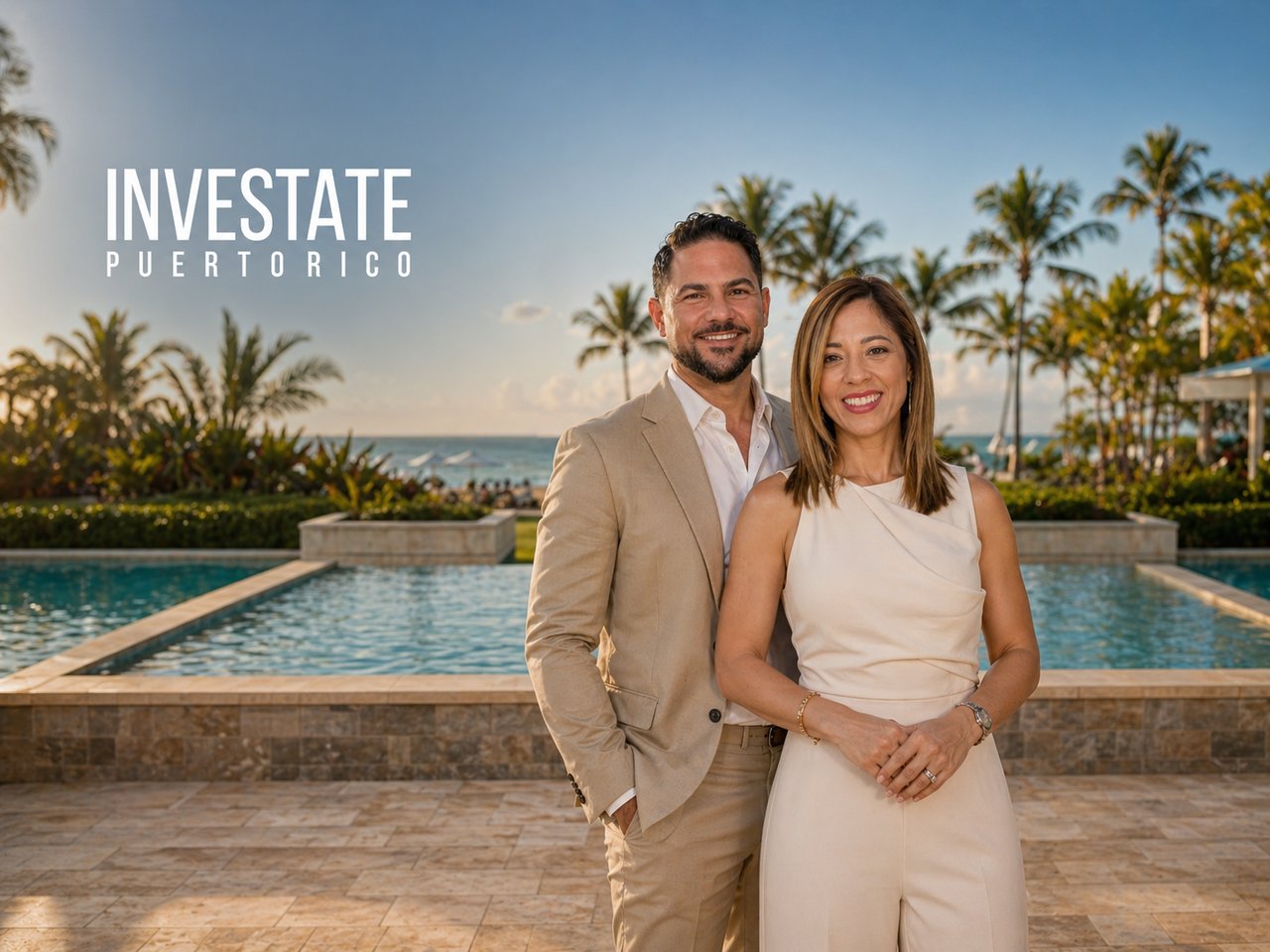
A Week in the Life: What Monday to Sunday Looks Like as an Act 60 Resident in Puerto Rico
Act 60 Relocation, Puerto Rico Real Estate, Luxury Real Estate, Buyers Guide Lizvette Robles June 17, 2026
Act 60 Relocation, Puerto Rico Real Estate, Luxury Real Estate, Buyers Guide Lizvette Robles June 17, 2026
Most people who research Act 60 relocation spend considerable time on the tax structure and very little time on what Tuesday morning actually looks like. This is understandable, the financial case for relocating is what initiates the research, but it creates a gap that almost every Act 60 resident describes when reflecting on their move. The day-to-day experience of life in Puerto Rico is what ultimately determines whether someone stays for the required 183 days or builds their life here permanently. This guide walks through a week in the life of an Act 60 resident in Dorado and Condado, specifically and honestly, without the promotional gloss that most relocation content applies.
Monday: The Work Day That Doesn't Feel Like One
For most Act 60 residents, Monday in Puerto Rico begins the way most mainlanders can only access on vacation. In Dorado, the morning starts early, the light changes quickly here, and most residents find themselves awake by 6:30 or 7:00 without an alarm, drawn toward coffee on a terrace or a beach walk before the heat of the day arrives. The Ritz-Carlton Reserve's beach is a short walk from most addresses in the resort corridor, and morning walks along the shore before the day begins have become a defining ritual for many residents who would have previously spent that same hour on a subway or in traffic.
By mid-morning, work begins. Act 60 residents are, by definition, people who have structured their professional lives in ways that allow for genuine geographic flexibility, founders operating businesses remotely, investors managing portfolios, fund managers who have relocated their operations. The workday in Puerto Rico looks familiar in content and different in context. The same calls, the same decisions, the same market monitoring, but conducted from a home office with a pool view or from a co-working space in Condado rather than a Manhattan office tower. Internet connectivity in Dorado and Condado is reliable at the high-speed tier, and most residents in the luxury communities have invested in redundant connectivity to ensure work continuity.
Lunch is a social occasion in ways that mainland professional life rarely allows. Neighbors who are also working remotely, a beach club lunch that takes ninety minutes instead of a sandwich eaten at a desk, or a midday swim that breaks the afternoon into two productive halves rather than one long grind, these are the rhythms that Act 60 residents most consistently describe as transformative. Not because the work is less serious, but because the container around it is more livable.
Tuesday and Wednesday: The Rhythm of the Week
The middle of the week in Puerto Rico settles into a rhythm that most residents describe as the one they came here to find. Golf on the East or West Course at Dorado Beach is accessible on weekday mornings with none of the weekend reservation pressure of comparable courses in Palm Beach or Scottsdale. The Spa Botánico, one of the premier wellness facilities in the Caribbean, is a ten-minute walk from most Dorado Beach residences and typically uncrowded on Tuesday afternoons. Tennis clinics, pickleball courts, fitness facilities, and access to the resort's beach club infrastructure are available to residents without the weekend crowds that visiting guests generate.
In Condado, the mid-week rhythm is more urban. Residents walk to breakfast at one of the neighborhood's well-regarded cafes, work from home or from a nearby co-working space, and have the option of walking to dinner in the evening without planning a car trip. Condado's restaurant scene has developed substantially over the past five years and now includes a range of options that residents from New York or Miami find genuinely competitive. The neighborhood's proximity to Old San Juan, a fifteen-minute drive on a weekday, makes mid-week cultural excursions practical in a way that a dedicated trip would require on the mainland.
Thursday: The Professional and Social Overlap
Thursday in Puerto Rico's Act 60 community functions as the social hinge of the week, the evening when founder dinners, investor gatherings, and professional networking events tend to concentrate. The Condado Vanderbilt Hotel hosts several of the island's most significant professional events, and the informal dinner circuit among Act 60 residents in Dorado and Condado runs through Thursday evenings with regularity. For residents whose professional networks have relocated to the island alongside them, Thursday dinners at a neighbor's home or at one of Condado's or Old San Juan's better restaurants serve the function that client dinners and industry events once served on the mainland, but with the added dimension that the people around the table are often neighbors, not just colleagues.
Friday: The Transition Into the Weekend
Friday afternoon in Puerto Rico is when the character of the week shifts most visibly. Residents in Dorado who have children in school at TASIS or at institutions in the San Juan metro handle the school pickup routine and transition directly into the weekend. The Dorado Beach beach club fills with families by late afternoon. The resort's restaurants move into weekend mode. Neighbors who have been working in relative isolation through the week emerge into the shared outdoor spaces that define Dorado's social character.
In Condado, Friday evening activates the neighborhood's urban energy, the bars and restaurants along the strip fill with a mix of residents and visitors, the beach becomes social rather than solitary, and the proximity of Old San Juan makes a Friday night dinner in the historic city an easy and frequently chosen option.
Saturday: What the Weekend Is Actually For
Saturday in Puerto Rico is what most Act 60 residents describe when they try to explain to friends on the mainland why they made the move. In Dorado, the day might begin with a sunrise paddle on the ocean, a long beach walk with neighbors, a golf round that starts at 7:30 and is finished before the heat peaks, and a late morning at the pool that extends into lunch at the beach club. Afternoons in Dorado on a Saturday have a quality of ease that is difficult to manufacture, it is not forced relaxation but genuine decompression, produced by proximity to water, warmth, and a community that has collectively organized its life around the same priorities.
For residents who want more cultural programming, Saturday in Old San Juan delivers something that Dorado's resort environment cannot: the density of history, art, food, and street life that makes Puerto Rico's capital unique in the Caribbean. The city's restaurant scene, its galleries, its fortresses and colonial streets, these are a forty-minute drive from Dorado and available on a casual Saturday without the planning overhead that a day trip from Miami or New York would require.
Sunday: The Day That Resets Everything
Sunday in Puerto Rico has a particular quality that most Act 60 residents describe with consistency, it is genuinely restorative in a way that the mainland Sunday rarely achieves. The absence of a Monday morning commute changes what Sunday feels like. Brunch at a neighbor's home or at the resort, a slow afternoon by the pool, a walk on the beach as the light changes in the early evening, and a quiet dinner at home or at a nearby restaurant, this is the template that most residents follow, and it produces the kind of genuine rest that sends Monday morning into motion from a more replenished state.
What Nobody Tells You Before You Go
The honest account of weekly life in Puerto Rico includes the things that require adaptation. The electrical grid in luxury communities is backstopped by generators that most high-end homes include, but power interruptions are a feature of island life that takes some adjustment. The pace of service and bureaucratic interaction is slower than the mainland, and transactions that would take hours in New York or Miami can take days or weeks in Puerto Rico. Hurricane season, June through November, requires preparation and awareness that mainland residents are not accustomed to, though the communities where Act 60 residents live are built to a standard that manages this risk effectively.
None of these are reasons to reconsider. They are features of life on an island that, for the right person, are simply part of the context. The residents who thrive in Puerto Rico are the ones who came prepared for the trade-offs and found that the life on the other side of those trade-offs is worth every one of them.
At InvEstate Puerto Rico, we work with buyers who are evaluating not just the investment case for Puerto Rico but the lifestyle case. If you want an honest conversation about what life here actually looks like, and whether the right property in the right community would work for how you intend to live, contact us directly.
Frequently Asked Questions
What is daily life like for an Act 60 resident in Puerto Rico?
Daily life for an Act 60 resident in Puerto Rico, particularly in Dorado or Condado, combines the professional flexibility of remote work with access to resort-quality amenities, warm weather year-round, and a social community of other relocated entrepreneurs, investors, and professionals. Most residents describe the pace of life as meaningfully more restorative than their previous cities, with mornings at the beach, productive work hours, and social evenings replacing commutes and urban density.
How many days per year must an Act 60 resident spend in Puerto Rico?
Act 60 requires bona fide residency in Puerto Rico, which for most applicants means spending at least 183 days per year on the island. Residency is determined by a combination of the physical presence test, the tax home test, and the closer connection test under both Puerto Rico and U.S. tax law. Residents should work with a qualified Puerto Rico tax attorney to ensure their day count and documentation meet compliance requirements.
Is internet connectivity reliable enough for remote work in Dorado and Condado?
Yes, for residents in the luxury tier. High-speed fiber and cable internet is available across most of the gated communities and residential corridors in Dorado and Condado. Most Act 60 residents who work remotely invest in redundant connectivity, a primary high-speed connection backed by a secondary option, to ensure business continuity. Co-working spaces in Condado and San Juan provide additional professional infrastructure for residents who prefer to work outside the home.
What are the biggest adjustments for Act 60 residents moving from New York or Miami?
The most commonly cited adjustments are the electrical grid, the pace of bureaucratic and service interactions, and hurricane season awareness. Luxury homes in Dorado and Condado typically include generators that manage power interruptions, and the communities where Act 60 residents concentrate are built to standards that minimize disruption. The pace of island life requires patience with processes that move more slowly than the mainland, and hurricane season preparation, June through November, is a new routine for most mainland arrivals.
What is the social life like during a typical week as an Act 60 resident?
The social calendar for Act 60 residents in Dorado and Condado is more active than most people anticipate before moving. Beach club gatherings, neighbor dinners, professional events in Condado, and weekend excursions to Old San Juan form the baseline social rhythm. The density of relocated entrepreneurs and investors in Dorado Beach in particular creates organic professional and social interaction throughout the week, with Thursday evenings tending to anchor the most structured networking and dinner activity.
Is the Act 60 lifestyle sustainable for families with children?
Yes, and many families describe it as more sustainable than the lives they left. Children in Dorado and Guaynabo have access to strong private schools, warm weather year-round, outdoor activities, and the kind of unhurried family time that urban mainland life compresses. The school calendars at TASIS Dorado and Baldwin School align with the academic year structures families are accustomed to, and the communities where Act 60 families concentrate are oriented around family infrastructure in ways that make daily logistics manageable.
More on this: our full guide to Act 60 real estate in Puerto Rico — where Act 60 families actually buy, what they buy, and how the purchase works.
Stay up to date on the latest real estate trends.
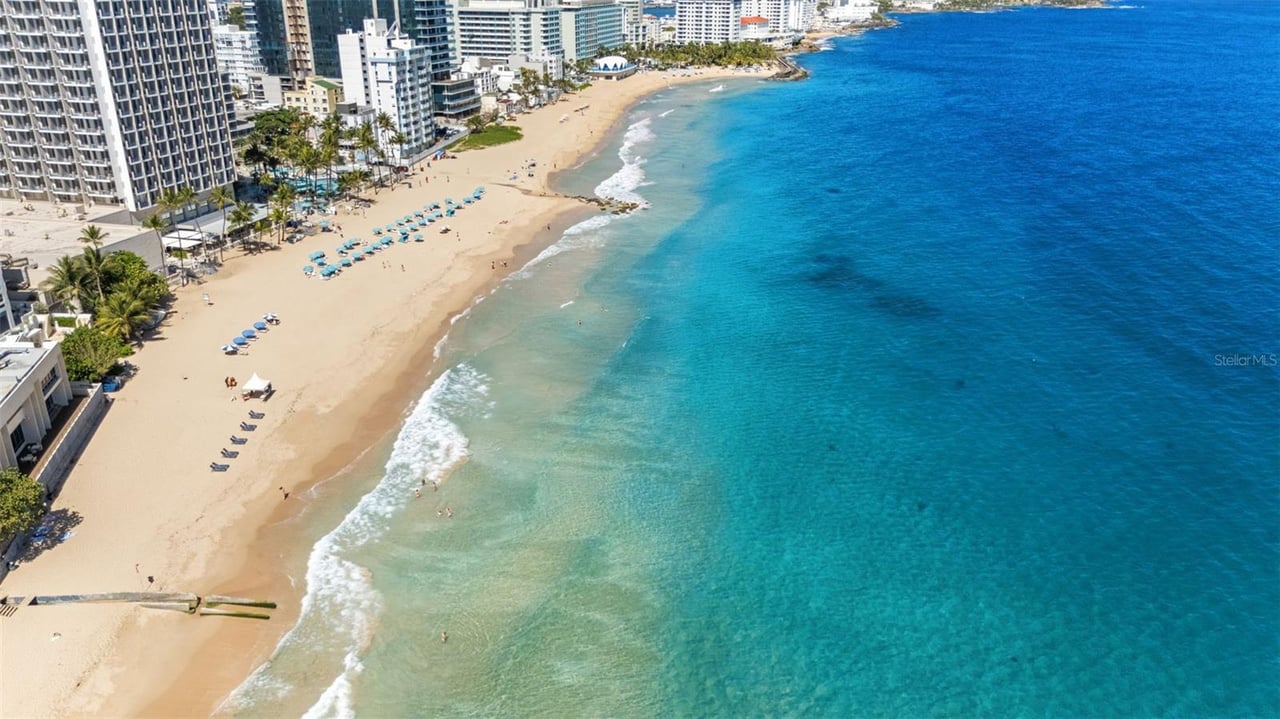
Condado · Relocation · Buyer Guides · Puerto Rico Real Estate
What Buyers Should Know About Walkability, Schools, Healthcare, Condos, Transportation and Choosing the Right Property Before Moving to Condado

Act 13-2026 gives you a deadline to see the building rules. Act 157-2026 moves disputes out of DACO and into the courts.
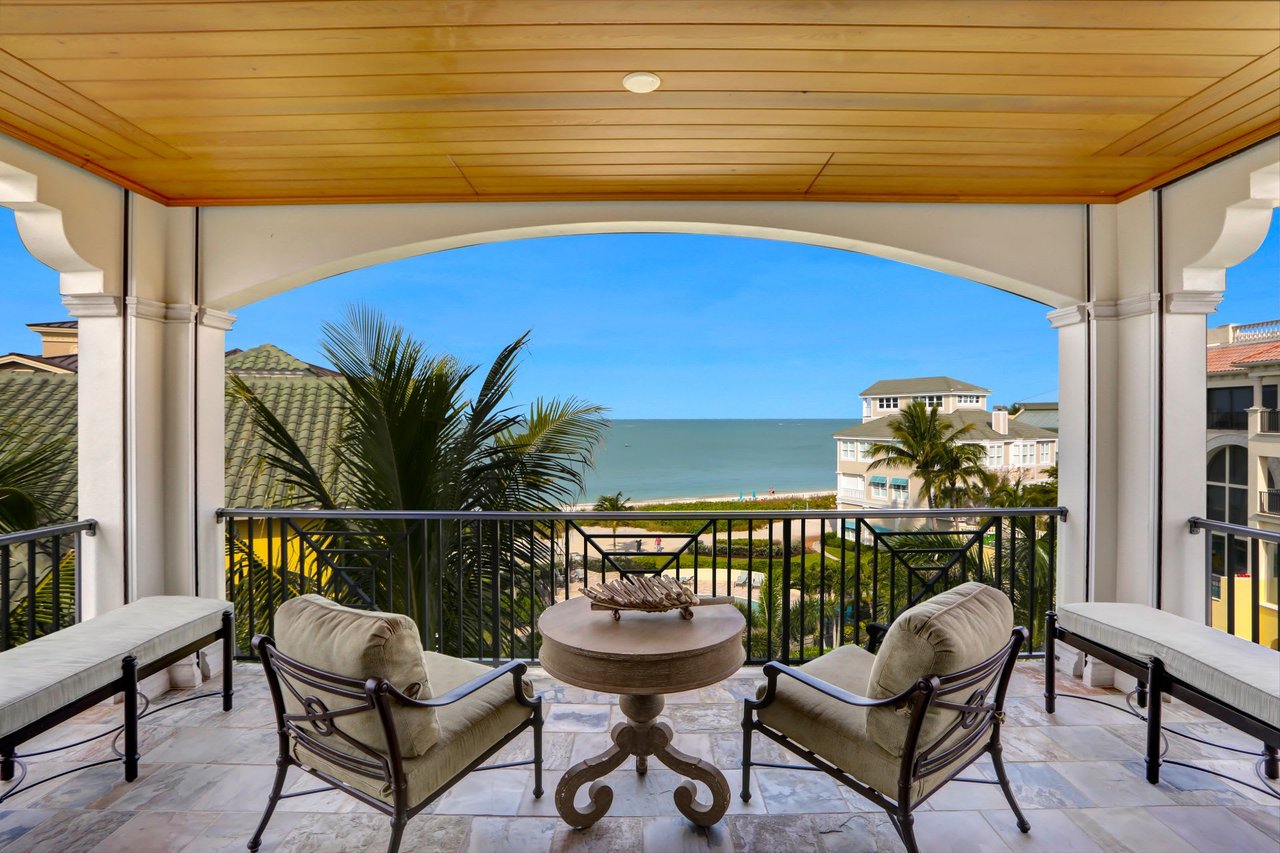
Condado · Buyer Guides · Luxury Real Estate · Puerto Rico Real Estate
How Views, Exposure, Location, Noise, Walkability and Resale Position Differ Across Condado’s Two Waterfronts
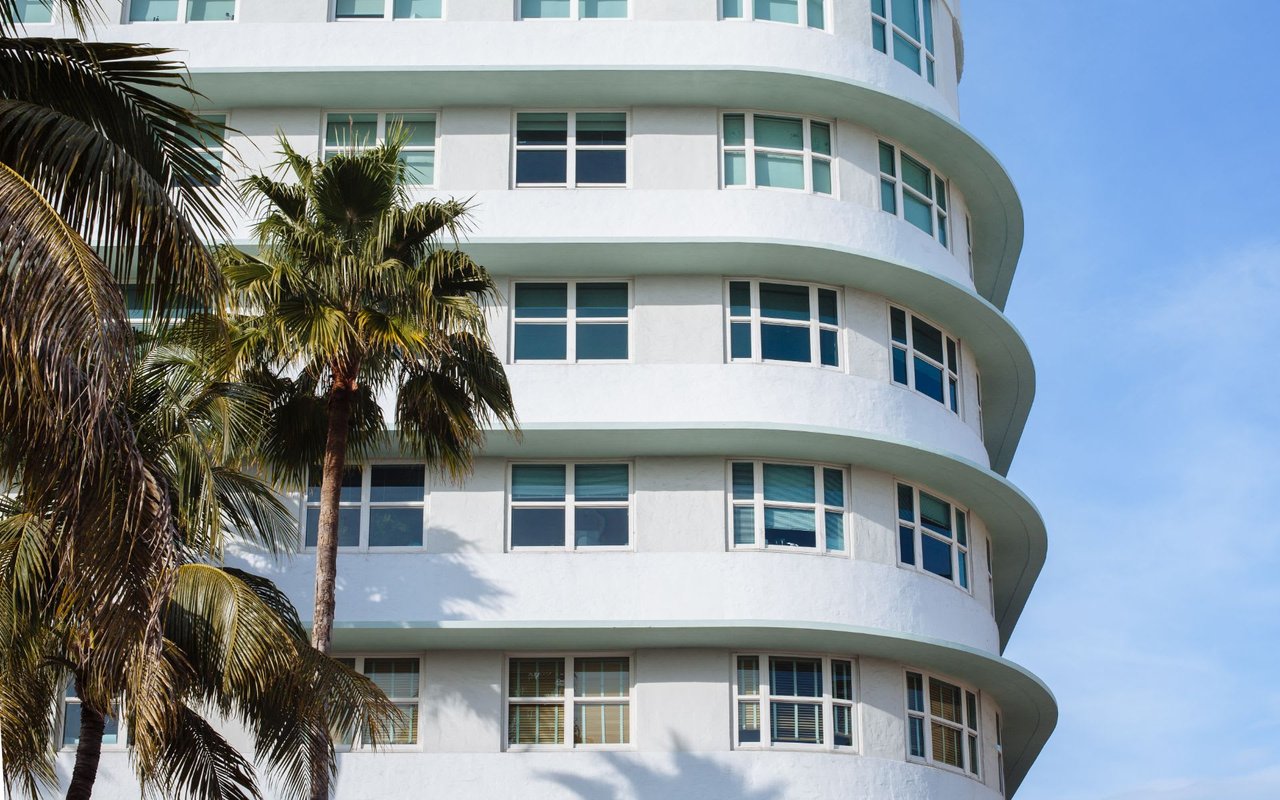
Condado · Buyer Guides · Puerto Rico Real Estate · Luxury Real Estate
HOA Fees, Insurance, Property Taxes, Assessments and the Expenses Buyers Should Understand Before Purchasing in Condado

LUXURY COMMUNITIES
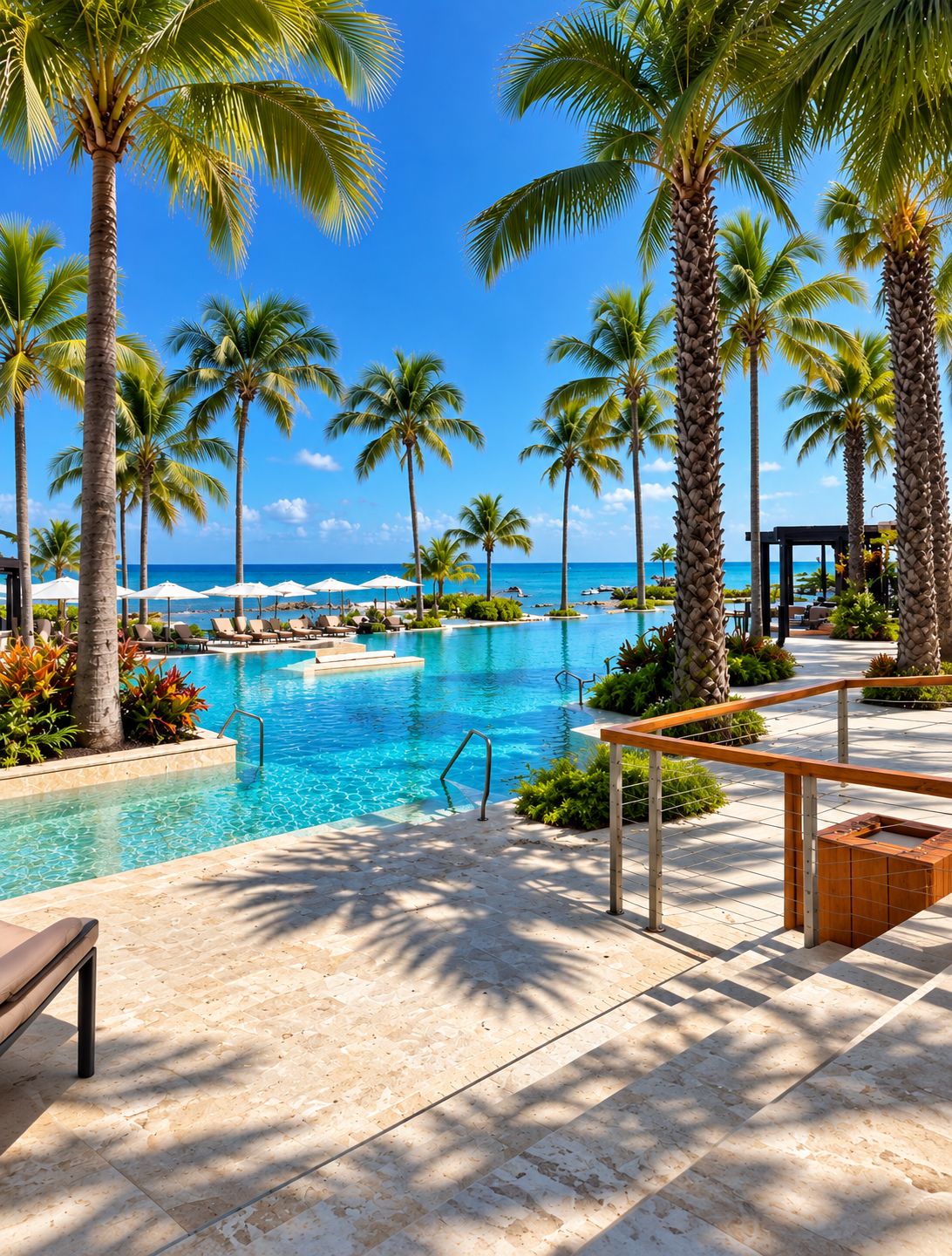
44 residences from $1.2M between Garden Hills and San Patricio. What $818 per square foot means if you are buying, and what it changes if you already own in the area.
LUXURY COMMUNITIES
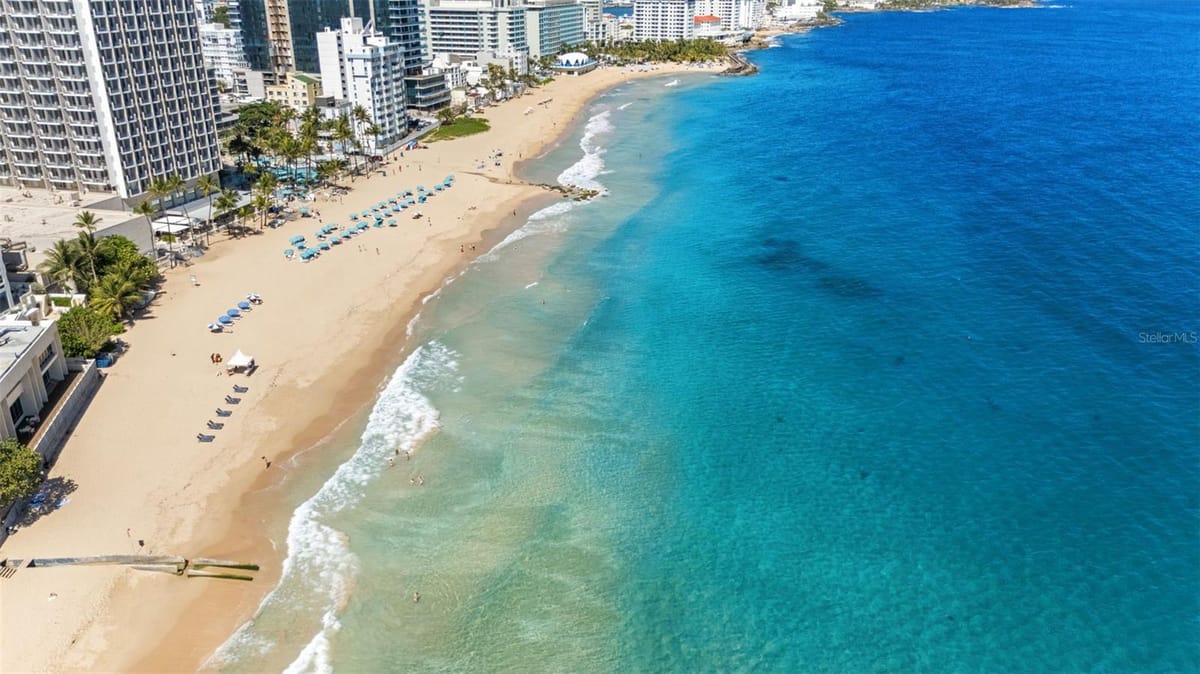
Forty Stellar MLS closed sales across eight communities, from $136 to $3,110 per square foot, what sellers actually accept, and what the maintenance fee adds.
LUXURY COMMUNITIES
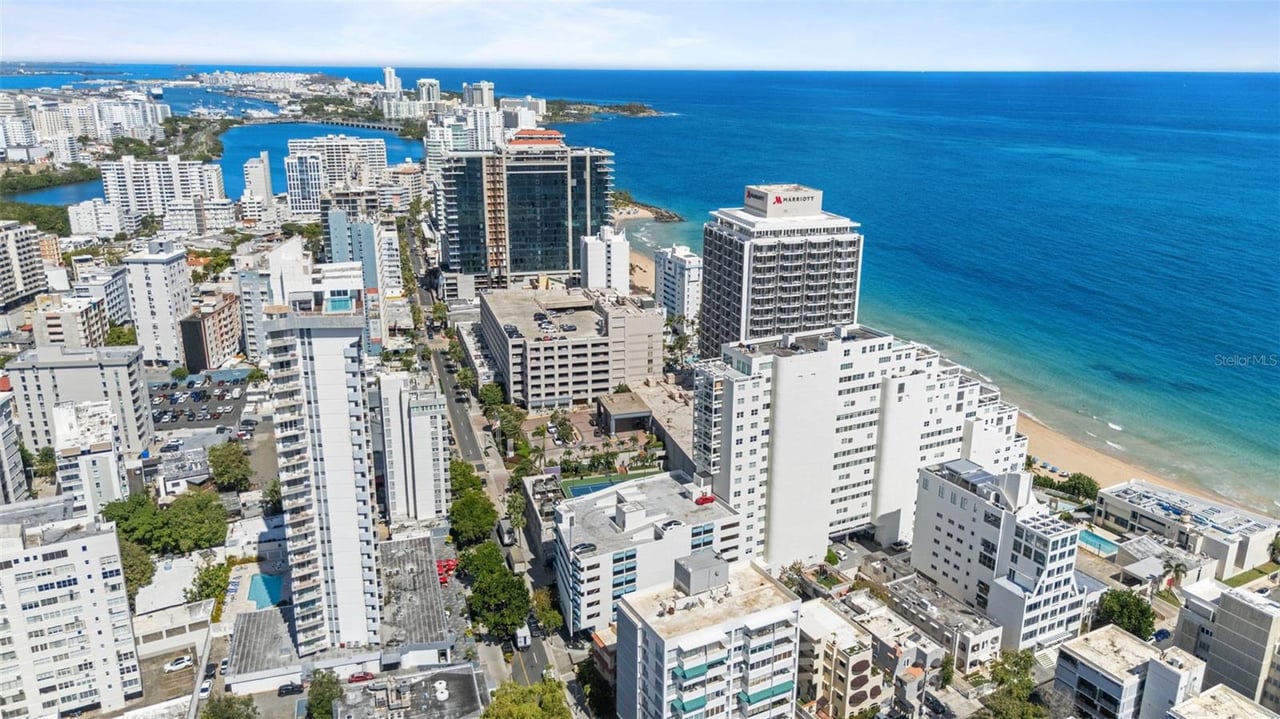
Condado and Isla Verde in San Juan, West Beach and Costa Dorada in Dorado, and Bahía Beach, Rio Mar and Coco Beach in Río Grande: closed-sale prices, buildings, fees a… Read more
Condado · Buyer Guides · New Developments · Luxury Real Estate
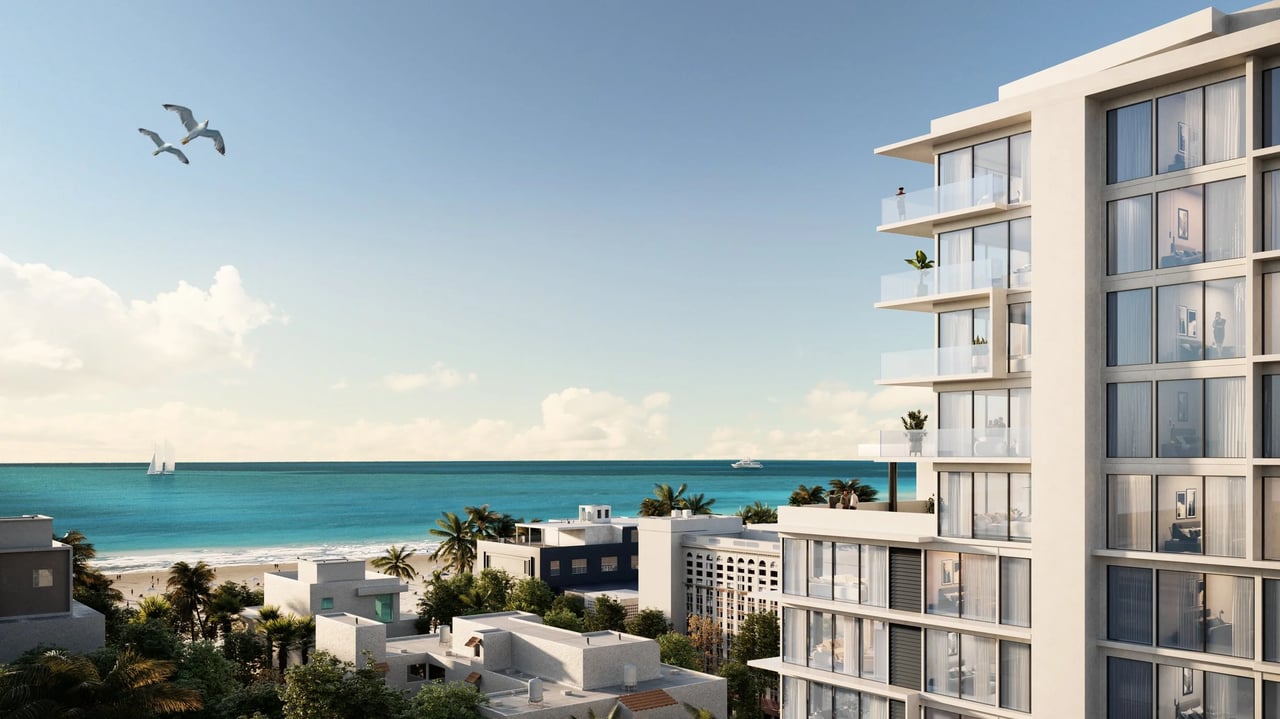
How to Compare Pricing, Amenities, HOA Costs, Market Evidence and Long-Term Value Before Buying a Condo in Condado
Condado · New Developments · Luxury Real Estate · Buyer Guides
A Buyer’s Guide to 1120 Ashford Avenue, New Construction, Pricing and How The ICON Fits Into Condado’s Changing Luxury Market
We connect discerning buyers and sellers with the island’s most exclusive real estate opportunities. Our expertise and network ensure seamless transactions for both relocation under Act 60 and the sale of distinguished estates. We combine discretion, strategy, and global reach to represent your interests with excellence.