
Raising a Family in Puerto Rico: Schools, Safety, and Daily Life in Dorado and Guaynabo
Act 60 Relocation, Puerto Rico Real Estate, Luxury Real Estate, Buyers Guide Lizvette Robles June 16, 2026
Act 60 Relocation, Puerto Rico Real Estate, Luxury Real Estate, Buyers Guide Lizvette Robles June 16, 2026
For families considering relocation to Puerto Rico under Act 60, the tax math is rarely the hardest part of the decision. The harder questions are the ones that involve children: Where will they go to school? Is the neighborhood safe? What does daily life actually look like for a family of four, or five, or six, in a place that most of their peers have never lived? This guide addresses those questions directly, focused on the two markets where Act 60 families concentrate most heavily, Dorado and Guaynabo, and what the experience of raising children in each of them actually involves.
Why Families Choose Dorado and Guaynabo Puerto Rico's luxury market spans multiple zones, Condado, Old San Juan, Río Grande, Cabo Rojo, but when families with school-age children evaluate the island, two markets consistently emerge as the primary destinations: Dorado and Guaynabo. The reasons are specific and practical.
Dorado offers the combination of gated security, resort-quality amenities, and proximity to the island's most consistently reviewed private school for international families, TASIS Dorado, within a single, compact residential ecosystem. A family living in Dorado Beach or Sabanera can reach school, the beach club, the golf course, and a well-stocked supermarket without leaving the general corridor. For families arriving from dense American cities, the structure and self-containment of Dorado is frequently described as one of its most underrated qualities.
Guaynabo offers something different: suburban density, proximity to San Juan's professional infrastructure, a concentration of strong bilingual private schools, and the kind of well-established residential neighborhoods, Garden Hills, San Patricio, Torrimar, that feel immediately familiar to families arriving from the American mainland. Guaynabo is where many of the island's professional class has always lived, and the private school options, healthcare access, and community feel reflect that. The Private Schools That Matter
School selection is the single most consequential logistical decision families make when relocating to Puerto Rico, and the options in the markets that serve Act 60 families are genuinely strong.
TASIS Dorado, located inside the Sabanera community in Dorado, is the school most commonly cited by relocating international families. It is affiliated with The American School in Switzerland and operates as a fully English-language, college-preparatory institution from pre-kindergarten through twelfth grade. With a student-teacher ratio of approximately 8 to 1, TASIS offers the kind of individualized attention that families leaving competitive private schools on the mainland frequently prioritize. Reviews from current parents consistently describe the campus facilities, academic rigor, and faculty engagement as exceeding expectations. Tuition at TASIS and comparable institutions at this level runs above $20,000 annually depending on grade level.
The Baldwin School of Puerto Rico, located in Guaynabo, is one of the island's longest-standing English-language private institutions, offering an American-based curriculum from pre-kindergarten through twelfth grade. Baldwin earns strong ratings for academic challenge, community atmosphere, and extracurricular depth. It is the school most frequently cited by families settling in Guaynabo and the surrounding municipalities.
Robinson School, serving Guaynabo and Hato Rey, is consistently rated among the island's top private institutions, with a student-teacher ratio of approximately 7 to 1 and a bilingual curriculum that produces graduates who are admitted to selective universities including Stanford, UChicago, and other highly ranked institutions. Its emphasis on global citizenship and bilingual fluency distinguishes it from more traditionally American-curriculum schools.
Saint John's School in Condado, St. John's School, and Cupeyville School round out the tier of institutions that relocating families with high academic expectations most commonly evaluate. Each offers English-language instruction, small class sizes, and a college-preparatory track that prepares students for competitive university admissions in the United States and internationally.
Safety by Neighborhood Safety is a legitimate concern for families evaluating Puerto Rico, and it deserves a direct answer rather than a promotional one. Puerto Rico, like any metropolitan area, has neighborhoods with elevated crime rates and neighborhoods that are among the safest residential environments in the Caribbean. The markets where Act 60 families concentrate are firmly in the latter category.
Dorado consistently ranks as one of the safest municipalities in Puerto Rico. The town's gated communities, Dorado Beach Resort, Sabanera, Paseo del Plata, and Plantation Village, operate with private security infrastructure that goes well beyond what most mainland American neighborhoods offer. The resort corridor is patrolled, access-controlled, and structurally designed around the privacy and safety expectations of its residents. Families who live within these communities describe a daily experience that feels, in terms of physical security, significantly more controlled than comparable neighborhoods in Miami, New York, or Los Angeles.
Guaynabo carries an equally strong safety reputation among Puerto Rico's municipalities. Its affluent residential zones, Garden Hills, San Patricio, Torrimar, and the gated communities that line its suburban corridors, feature low crime rates, strong local policing, and an active neighborhood culture that reflects the professional and family-oriented population that has long made Guaynabo its home. The municipality is described consistently in relocation guides as the best balance of urban access and suburban security for families who work in or near San Juan.
Healthcare and Pediatric Access Healthcare quality varies significantly across Puerto Rico, and it is an area where families should research carefully before choosing a neighborhood. The good news for families considering Dorado and Guaynabo is that both markets are well-served by the island's most capable medical infrastructure.
Dorado received a meaningful upgrade to its local healthcare access with the arrival of Orlando Health, which has expanded its presence on the island and brought a higher standard of medical services to the region. For specialist care and pediatrics, the San Juan metropolitan area, thirty to forty minutes from Dorado depending on traffic, contains the island's concentration of private hospitals and specialty clinics, most of them staffed by physicians trained in the United States. Families in Guaynabo have even more direct access to this infrastructure given their proximity to the capital.
What Daily Life Actually Looks Like The honest picture of daily family life in Dorado and Guaynabo in 2026 is one that most families who have made the move describe as better than they expected in the ways that matter most, and more demanding than expected in a handful of specific areas.
The ways that exceed expectations are consistent across family accounts: the quality of outdoor life, the proximity of beaches and pools to daily routines, the pace of social interaction with neighbors and school communities, the warmth of the local culture, and the absence of the commuting burden that consumes so many hours of mainland family life. Children who grow up in Dorado Beach or Sabanera have access to beaches, resort amenities, and outdoor space in quantities that no mainland urban environment can offer. Families in Guaynabo describe a suburban ease, good restaurants, reliable shopping, strong school community bonds, that feels more functional than the island's reputation sometimes suggests.
The areas that require honest planning are infrastructure-related. Puerto Rico's electrical grid, while improving steadily, still experiences disruptions that families from the mainland find significant until they adapt. Most homes in the luxury tier have generators, and the communities where Act 60 families live have generally invested in the backup infrastructure that makes grid instability a manageable inconvenience rather than a genuine disruption. Internet connectivity in Dorado and Guaynabo has improved substantially, with fiber and high-speed options available across most of the residential communities that international families occupy.
The overall picture that emerges from families who have raised children in Dorado and Guaynabo is one of genuine quality of life, not a compromise, not a trade-off, but a genuinely different and in many ways richer way of raising children, in a place that offers warmth, safety, strong schools, and a pace of life that reconnects families with each other in ways that the mainland rarely allows.
At InvEstate Puerto Rico, we have guided families through the full relocation process, from neighborhood selection to school research to property acquisition. If you are evaluating Puerto Rico for your family and want to understand what the experience actually looks like on the ground, contact us directly. Frequently Asked Questions What are the best private schools in Dorado, Puerto Rico for relocating families?
TASIS Dorado is the school most consistently cited by international and Act 60 families relocating to Dorado. It is an English-language, college-preparatory institution affiliated with The American School in Switzerland, serving pre-kindergarten through twelfth grade with a student-teacher ratio of approximately 8 to 1. Tuition at this level typically exceeds $20,000 annually.
What are the best private schools in Guaynabo, Puerto Rico? The Baldwin School of Puerto Rico and Robinson School are the two most highly regarded private institutions in Guaynabo. Both offer English-language instruction from pre-kindergarten through twelfth grade, strong academic programs, and consistent records of placing graduates at selective universities in the United States and internationally.
Is Dorado safe for families? Yes. Dorado consistently ranks among the safest municipalities in Puerto Rico. Its gated communities, including Dorado Beach Resort, Sabanera, and Plantation Village, operate with private security, controlled access, and residential infrastructure specifically designed for the safety expectations of high-net-worth families. The experience of daily life within these communities is, in terms of physical security, more controlled than most comparable mainland American neighborhoods.
Is Guaynabo a good place to raise a family in Puerto Rico? Guaynabo is one of the most consistently recommended municipalities for families relocating to Puerto Rico. Its combination of strong private schools, low crime rates relative to the broader metro area, suburban residential feel, and proximity to San Juan's professional and commercial infrastructure makes it the preferred choice for many Act 60 families who want urban access without urban density.
What is healthcare like for families in Dorado and Guaynabo? Dorado has benefited from the expansion of Orlando Health's presence on the island, improving local medical access significantly. Both Dorado and Guaynabo are within practical distance of San Juan's concentration of private hospitals and specialty clinics, most staffed by physicians with U.S. training. Families should research pediatric and specialty care availability specifically and confirm coverage under their insurance structure before relocating.
How does Puerto Rico's electricity infrastructure affect families in Dorado and Guaynabo? The electrical grid in Puerto Rico has improved but still experiences disruptions that families from the mainland typically find significant at first. The majority of luxury homes in Dorado and Guaynabo include generators, and the gated communities where Act 60 families concentrate have generally invested in backup power infrastructure that makes grid instability a manageable inconvenience rather than a daily disruption.
Dorado, with the numbers: every Dorado community with 2026 closed-sale prices · what $1M+ buys inside Dorado Beach · Dorado condos: eight markets, 40 closed sales · the 2026 Dorado market report (57 sales).
Stay up to date on the latest real estate trends.
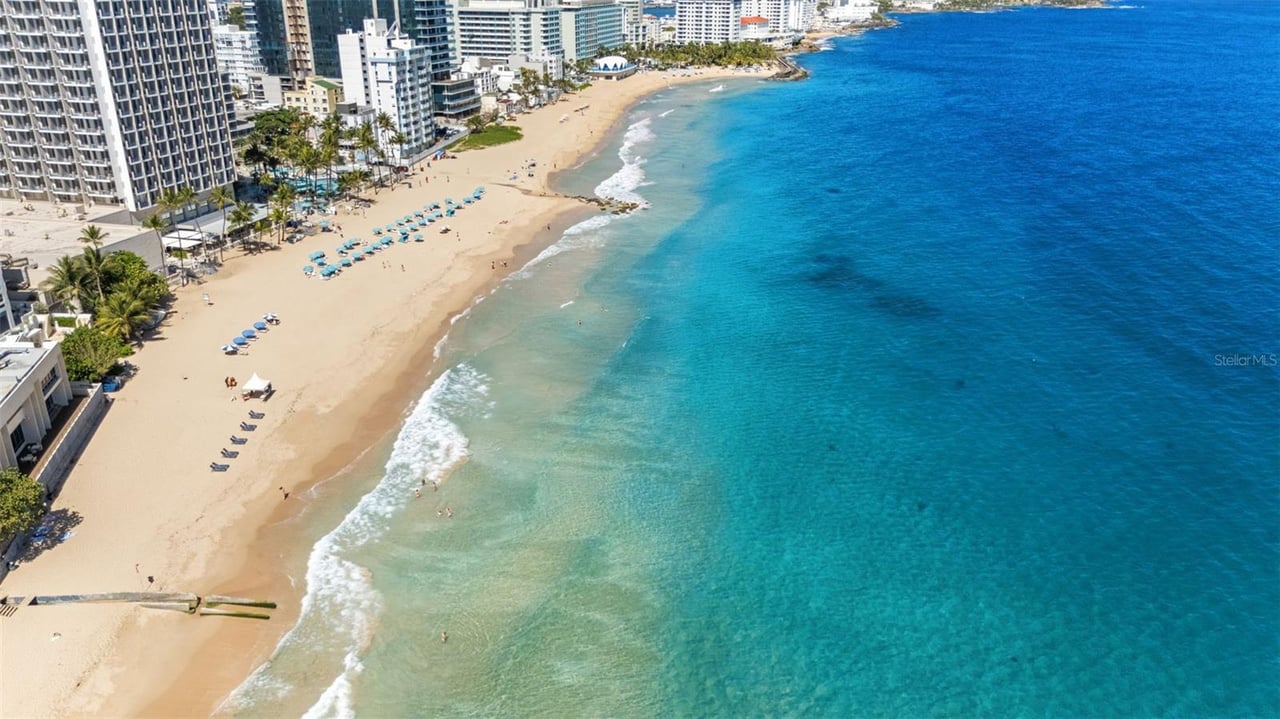
Condado · Relocation · Buyer Guides · Puerto Rico Real Estate
What Buyers Should Know About Walkability, Schools, Healthcare, Condos, Transportation and Choosing the Right Property Before Moving to Condado

Act 13-2026 gives you a deadline to see the building rules. Act 157-2026 moves disputes out of DACO and into the courts.
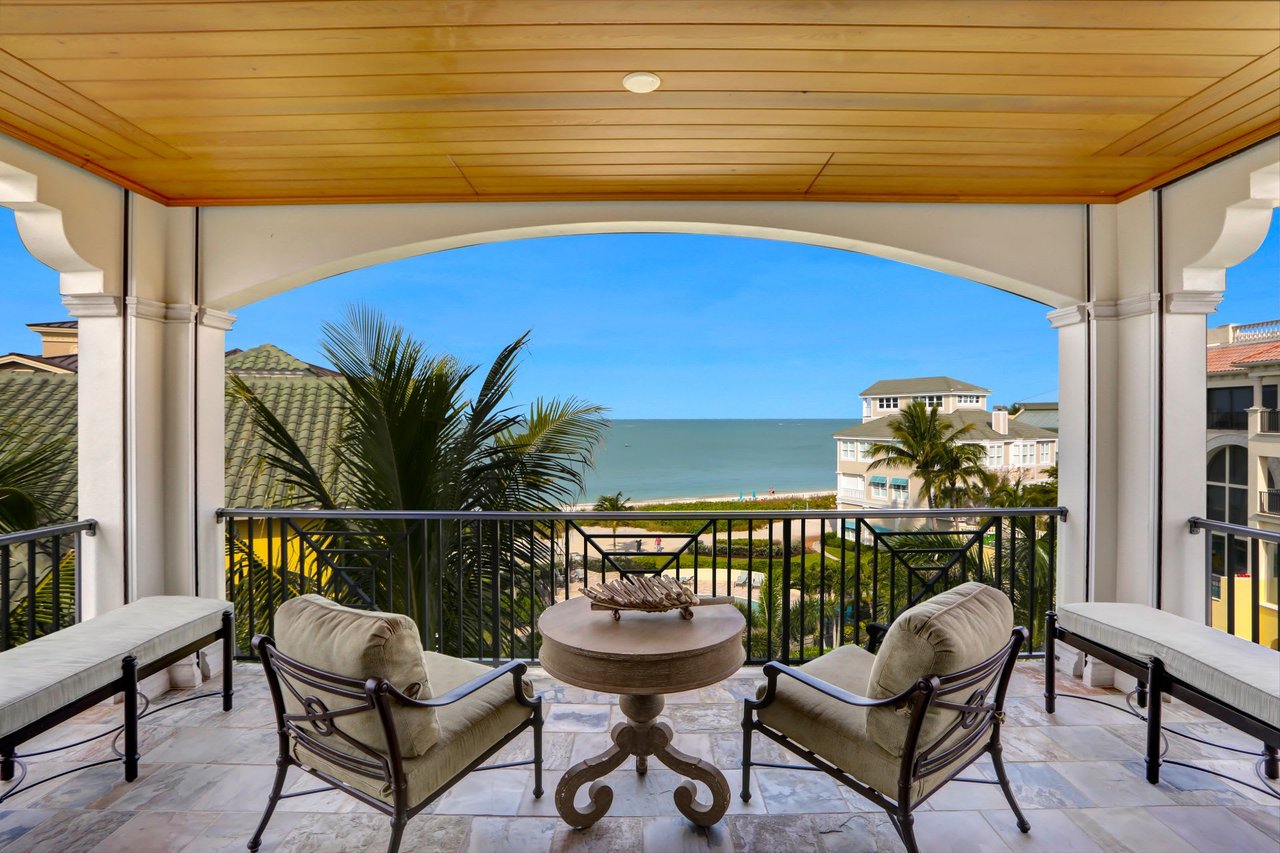
Condado · Buyer Guides · Luxury Real Estate · Puerto Rico Real Estate
How Views, Exposure, Location, Noise, Walkability and Resale Position Differ Across Condado’s Two Waterfronts
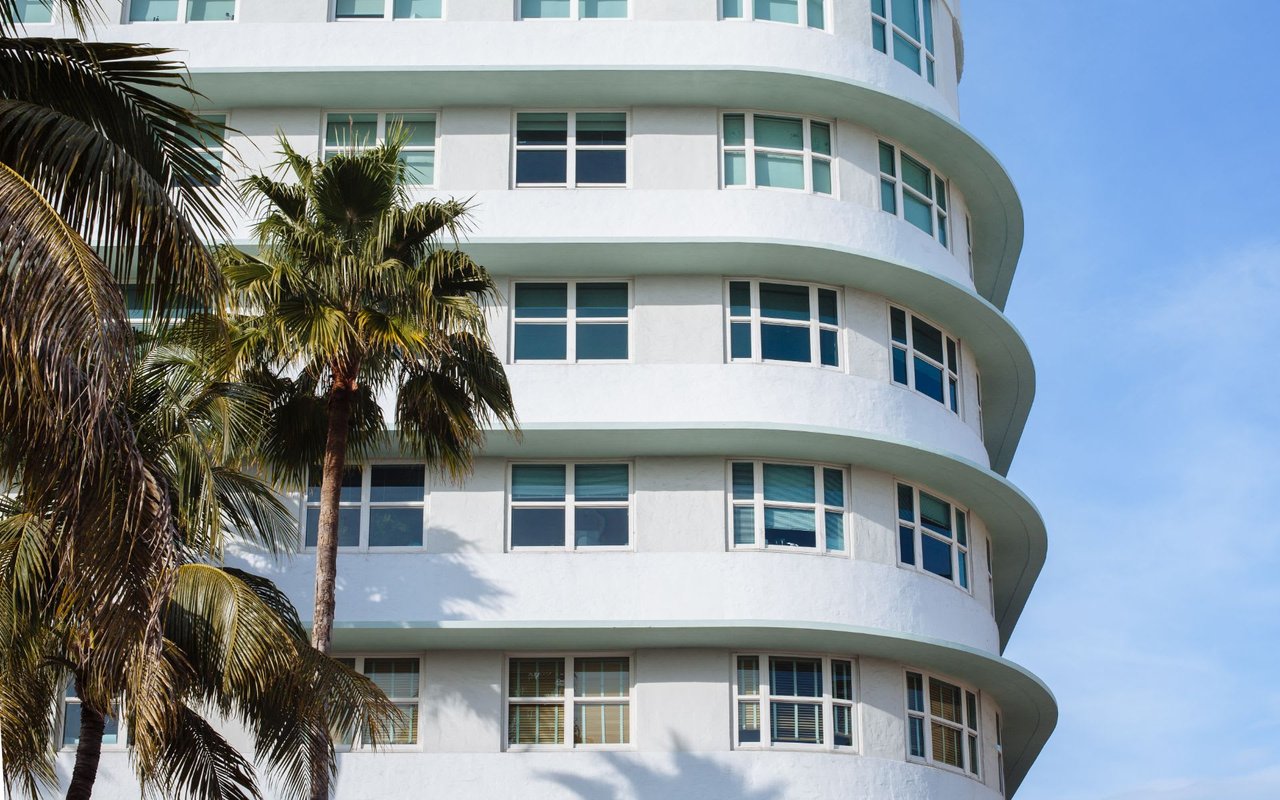
Condado · Buyer Guides · Puerto Rico Real Estate · Luxury Real Estate
HOA Fees, Insurance, Property Taxes, Assessments and the Expenses Buyers Should Understand Before Purchasing in Condado

LUXURY COMMUNITIES
44 residences from $1.2M between Garden Hills and San Patricio. What $818 per square foot means if you are buying, and what it changes if you already own in the area.
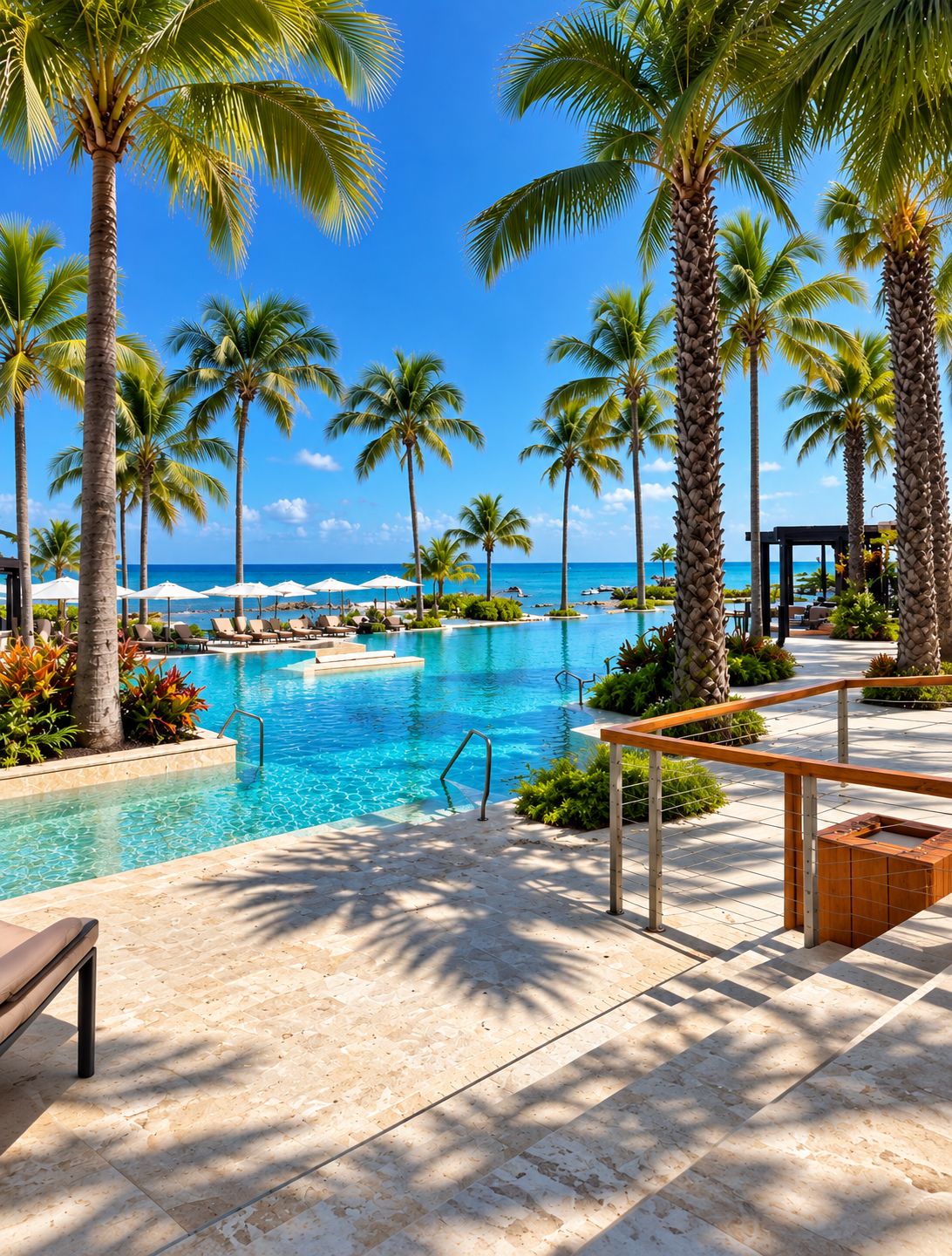
LUXURY COMMUNITIES
Forty Stellar MLS closed sales across eight communities, from $136 to $3,110 per square foot, what sellers actually accept, and what the maintenance fee adds.
LUXURY COMMUNITIES
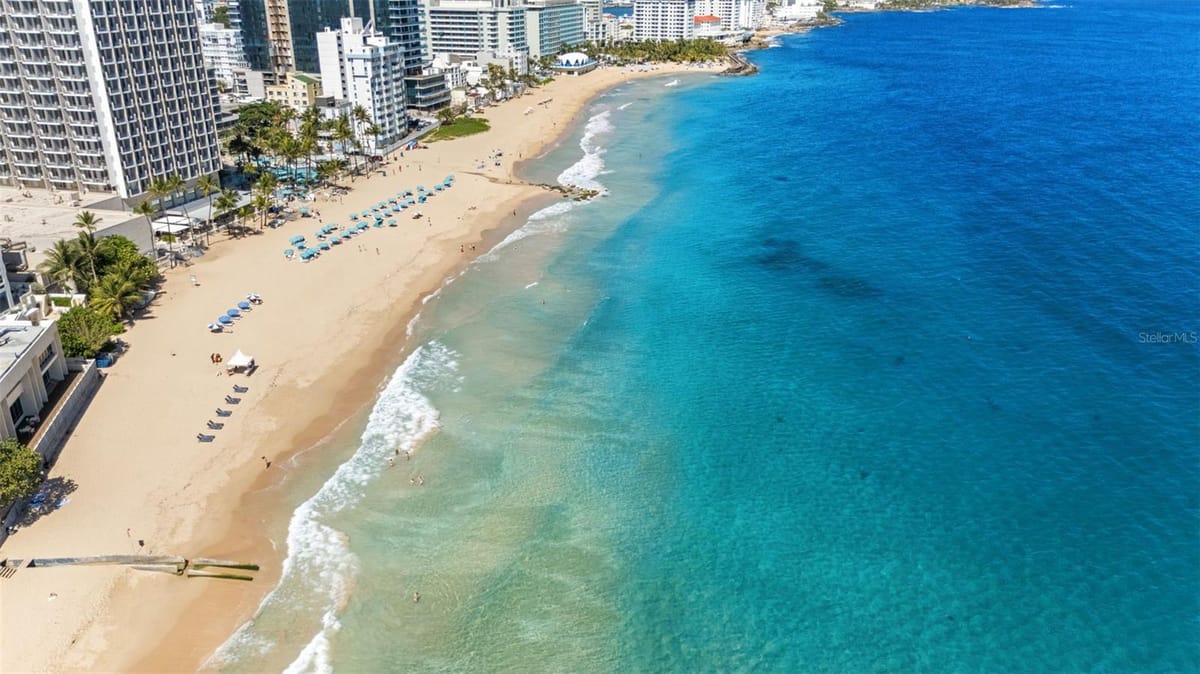
Condado and Isla Verde in San Juan, West Beach and Costa Dorada in Dorado, and Bahía Beach, Rio Mar and Coco Beach in Río Grande: closed-sale prices, buildings, fees a… Read more
Condado · Buyer Guides · New Developments · Luxury Real Estate
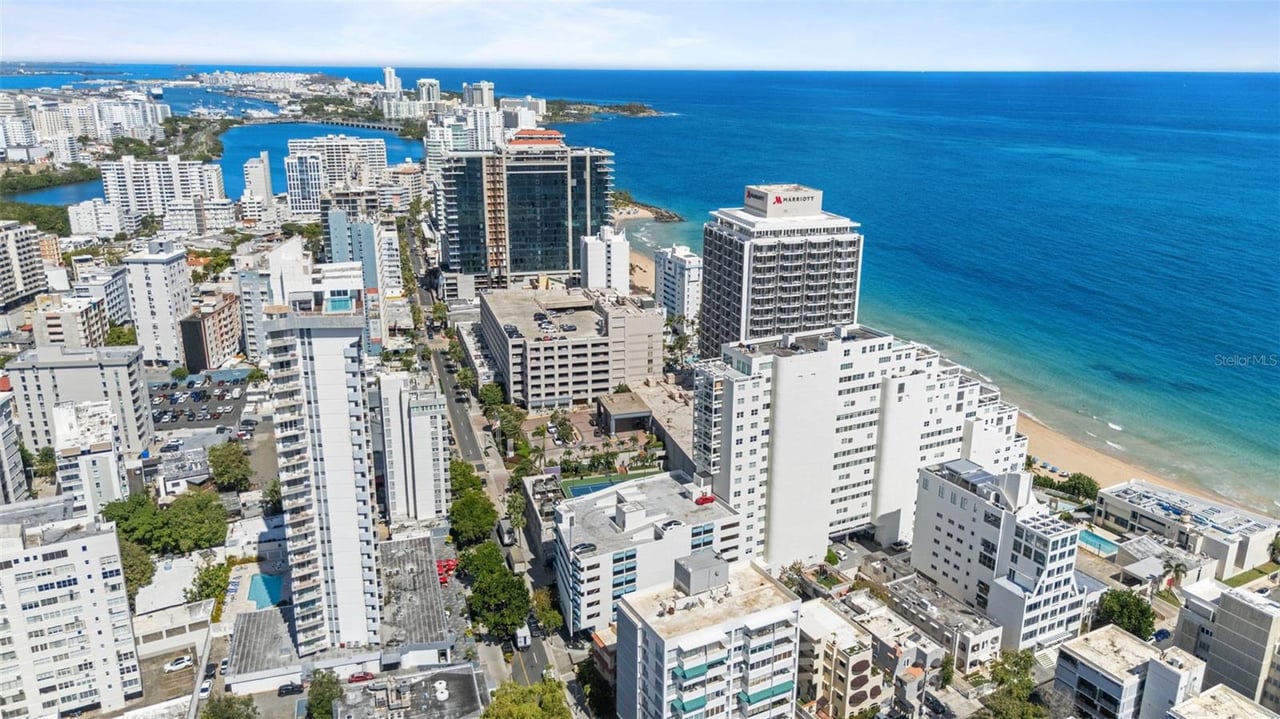
How to Compare Pricing, Amenities, HOA Costs, Market Evidence and Long-Term Value Before Buying a Condo in Condado

Condado · New Developments · Luxury Real Estate · Buyer Guides
A Buyer’s Guide to 1120 Ashford Avenue, New Construction, Pricing and How The ICON Fits Into Condado’s Changing Luxury Market
We connect discerning buyers and sellers with the island’s most exclusive real estate opportunities. Our expertise and network ensure seamless transactions for both relocation under Act 60 and the sale of distinguished estates. We combine discretion, strategy, and global reach to represent your interests with excellence.