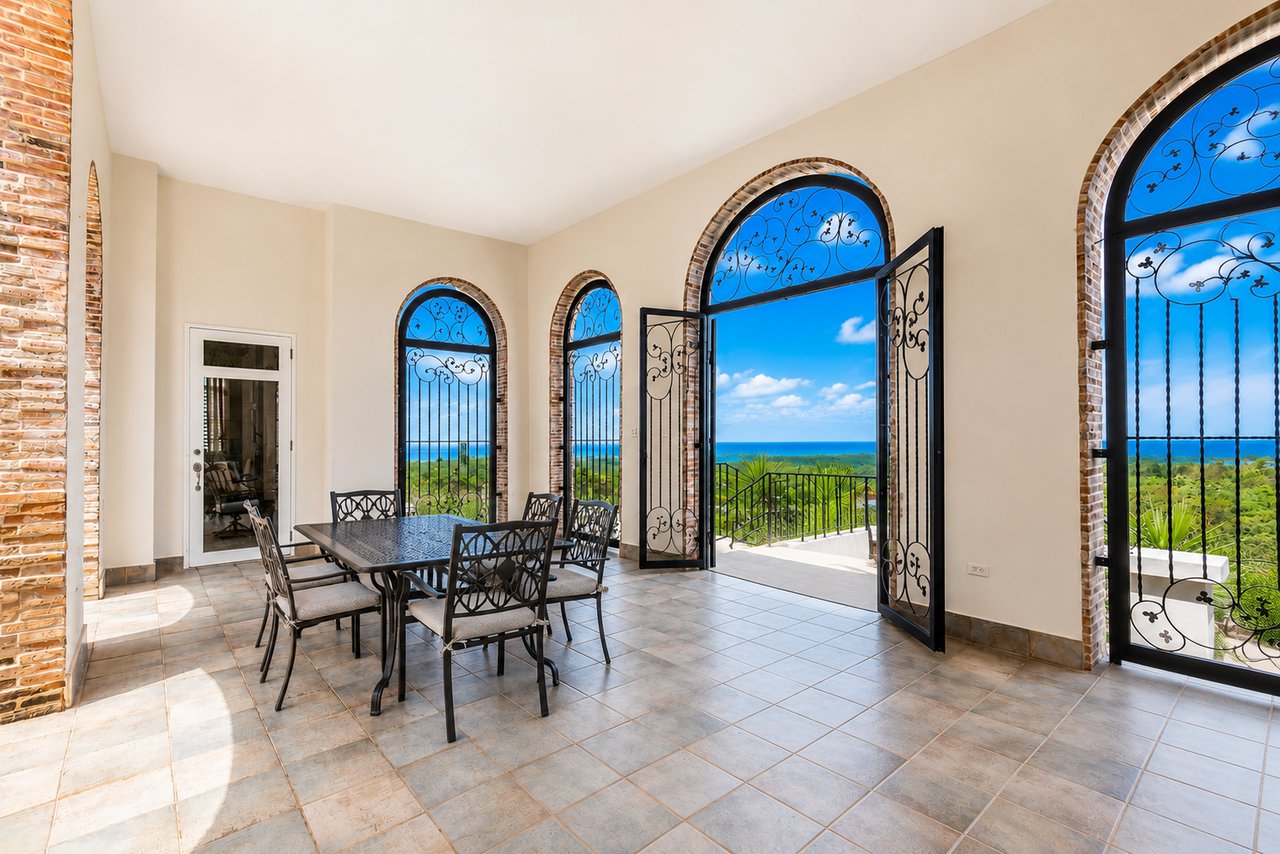
Act 60 Puerto Rico: What the Real Estate Decision Actually Requires
Act 60 Relocation Lizvette Robles May 28, 2026
Act 60 Relocation Lizvette Robles May 28, 2026
Advisory, Act 60 Compliance
Most Act 60 buyers arrive in Puerto Rico having done extensive work on the tax side of the equation. They understand the decree structure, the export services or individual investor categories, the filing requirements, and the annual compliance obligations. What they have typically not analyzed with the same rigor is the real estate component, and that gap creates problems.
The property decision under Act 60 is not simply about finding a place to live. It is about establishing the residential infrastructure that supports bona fide residency, a legal standard with specific requirements that the right real estate decision either reinforces or undermines.
The IRS applies a facts-and-circumstances test to bona fide residency in Puerto Rico. The three primary factors are: presence on the island for at least 183 days per year, a closer connection to Puerto Rico than to any US state, and Puerto Rico as the individual's tax home.
Real estate plays a direct role in all three. A permanent, owned residence, as opposed to short-term rentals or hotel stays, demonstrates commitment to the island and strengthens the closer connection analysis. The location of that residence affects presence patterns. The quality of the documentation behind the asset affects the stability of the overall structure.
"The real estate decision is not separate from the Act 60 structure. It is part of it."
Renting satisfies the residential requirement under Act 60. Ownership is not legally mandated. However, buyers with a long-term commitment to the decree, and particularly those in the Individual Investor category, frequently find that ownership serves the structure better, for several reasons.
Ownership establishes permanence in a way that rental arrangements do not. It creates a stable residential address for banking, professional, and social connections. And for buyers who intend to hold the decree for its full term, the real estate itself represents a capital asset within a favorable tax jurisdiction.
The decision between renting and buying should be made in consultation with tax and legal counsel, not on the basis of market conditions alone.
For Act 60 buyers, the property search has a layer of criteria that pure lifestyle buyers do not need to consider. Location affects presence patterns, how easily a buyer can maintain the 183-day threshold while managing professional obligations elsewhere. Areas with direct flight access to major US hubs make compliance more manageable for buyers whose businesses require regular mainland travel.
Documentation quality affects the stability of the overall structure. A property with permit deficiencies or title issues is not just a real estate problem, it is a potential complication in the residential infrastructure supporting the decree. Community infrastructure, the presence of other Act 60 residents, professional services, and social networks, supports the closer connection analysis in ways that isolated or resort-only environments do not.
Act 60 decree applications require an established residential address in Puerto Rico. Buyers who begin the application process before securing housing, or who rush the property decision to meet filing deadlines, frequently make location choices they later need to reverse. The sequencing that works best: establish location criteria first, identify a target market, secure housing (rented or purchased) with adequate time before filing, and treat the real estate decision as a phase of the overall Act 60 implementation rather than an afterthought.
Do I need to own property in Puerto Rico to qualify for Act 60? No. Renting satisfies the residential requirement. However, ownership strengthens the bona fide residency analysis and is the preferred structure for buyers with a long-term commitment to the decree.
Does the location of my property in Puerto Rico matter for compliance? Yes. Location affects presence patterns, the closer connection analysis, and the practical sustainability of the residency. These are not abstract considerations, they affect the strength of the overall structure.
Can I buy property in Puerto Rico before receiving my Act 60 decree? Yes, and for many buyers this is the correct sequencing. Securing a permanent residence before filing demonstrates residential intent and provides a stable address for the application.
What documentation issues should Act 60 buyers be especially careful about? Permit deficiencies and title discrepancies are the most common issues in the Puerto Rico market. For Act 60 buyers, these are not just real estate problems, they create complications in the residential infrastructure supporting the decree and should be resolved before closing.
INVESTATE Puerto Rico advises Act 60 buyers on the real estate decisions that support, rather than complicate, their residency structure. If you are implementing Act 60 and need to make the right property decision, contact our team.
Related: where Act 60 buyers actually buy in Puerto Rico, and how a purchase here differs from one on the mainland.
Stay up to date on the latest real estate trends.
Condado · Relocation · Buyer Guides · Puerto Rico Real Estate
What Buyers Should Know About Walkability, Schools, Healthcare, Condos, Transportation and Choosing the Right Property Before Moving to Condado

Act 13-2026 gives you a deadline to see the building rules. Act 157-2026 moves disputes out of DACO and into the courts.
Condado · Buyer Guides · Luxury Real Estate · Puerto Rico Real Estate
How Views, Exposure, Location, Noise, Walkability and Resale Position Differ Across Condado’s Two Waterfronts
Condado · Buyer Guides · Puerto Rico Real Estate · Luxury Real Estate
HOA Fees, Insurance, Property Taxes, Assessments and the Expenses Buyers Should Understand Before Purchasing in Condado

LUXURY COMMUNITIES
44 residences from $1.2M between Garden Hills and San Patricio. What $818 per square foot means if you are buying, and what it changes if you already own in the area.

LUXURY COMMUNITIES
Forty Stellar MLS closed sales across eight communities, from $136 to $3,110 per square foot, what sellers actually accept, and what the maintenance fee adds.
LUXURY COMMUNITIES
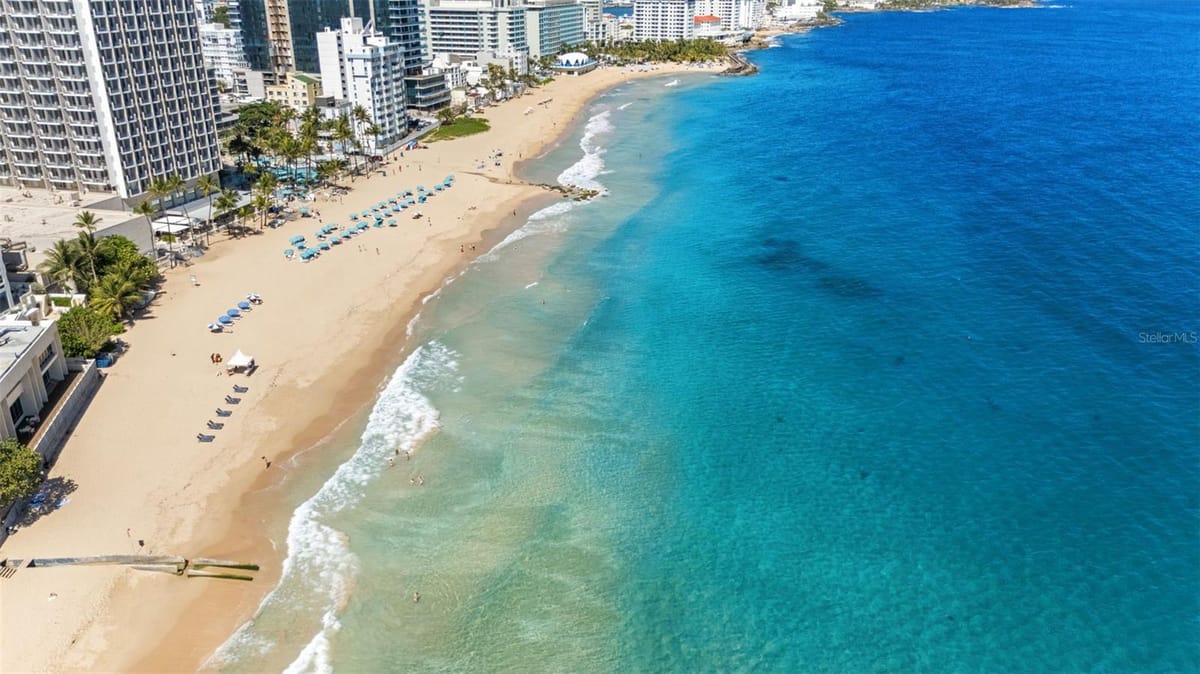
Condado and Isla Verde in San Juan, West Beach and Costa Dorada in Dorado, and Bahía Beach, Rio Mar and Coco Beach in Río Grande: closed-sale prices, buildings, fees a… Read more
Condado · Buyer Guides · New Developments · Luxury Real Estate
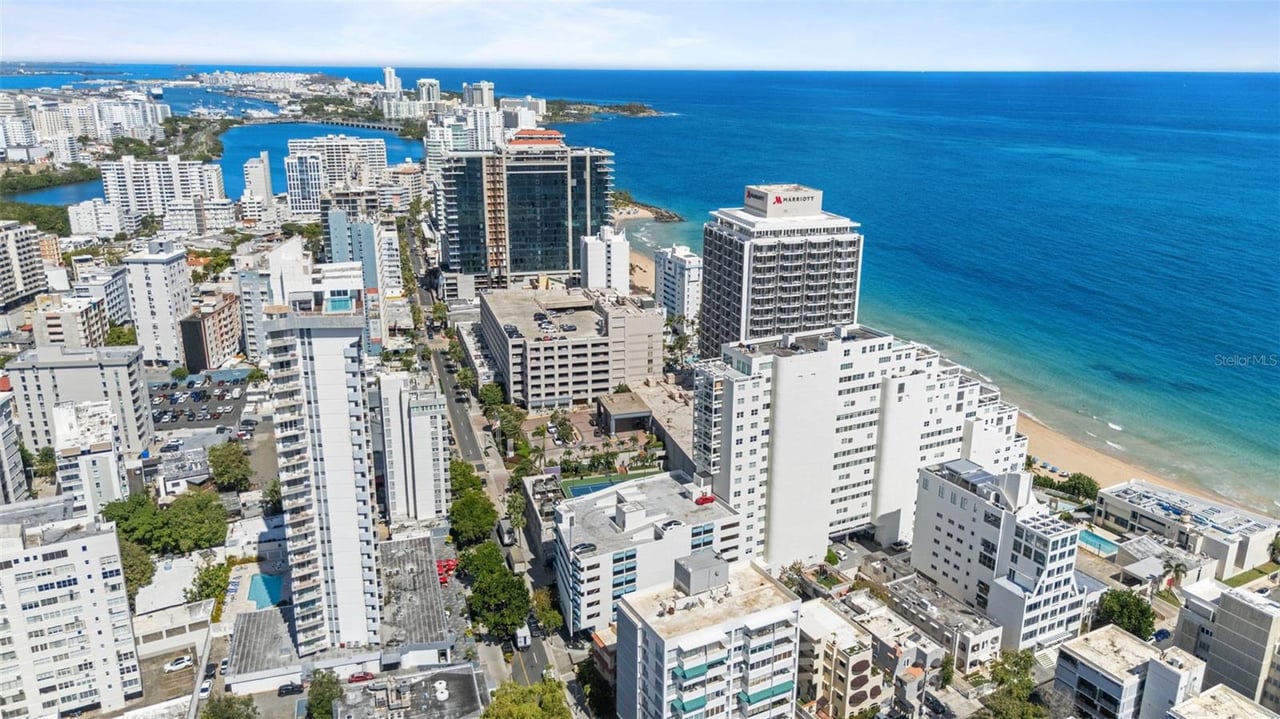
How to Compare Pricing, Amenities, HOA Costs, Market Evidence and Long-Term Value Before Buying a Condo in Condado
Condado · New Developments · Luxury Real Estate · Buyer Guides
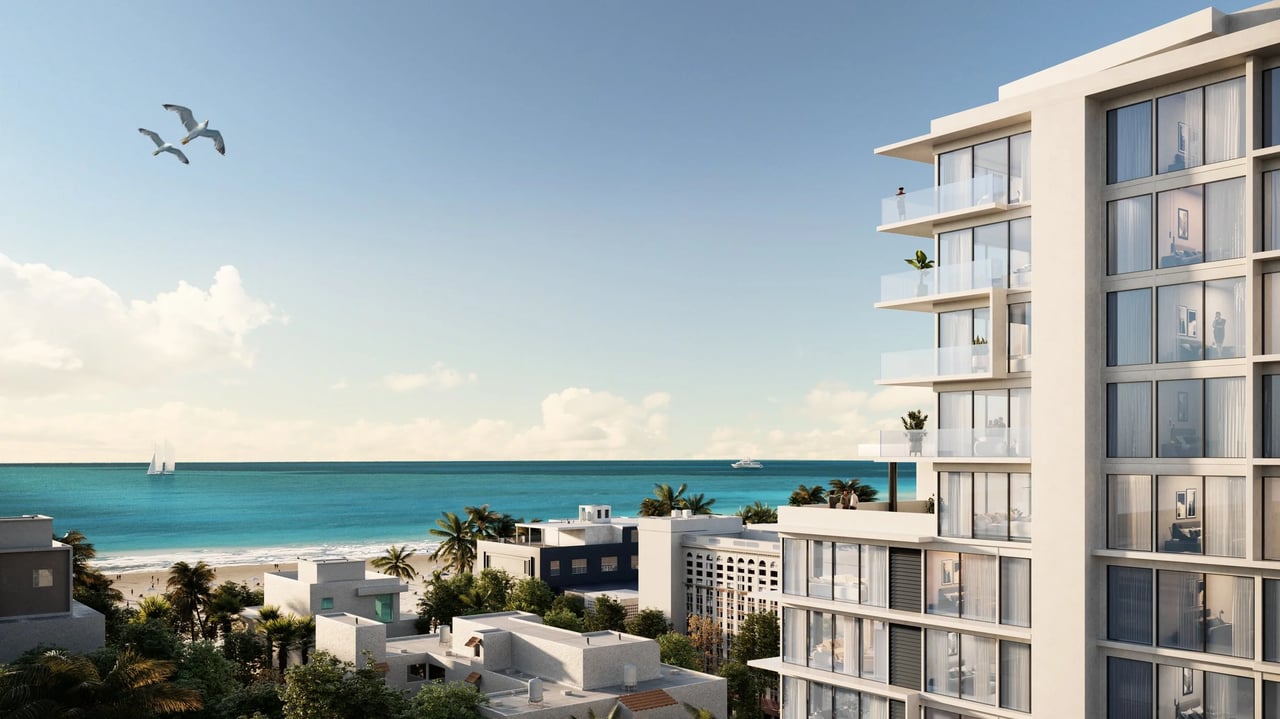
A Buyer’s Guide to 1120 Ashford Avenue, New Construction, Pricing and How The ICON Fits Into Condado’s Changing Luxury Market
We connect discerning buyers and sellers with the island’s most exclusive real estate opportunities. Our expertise and network ensure seamless transactions for both relocation under Act 60 and the sale of distinguished estates. We combine discretion, strategy, and global reach to represent your interests with excellence.