
Short-Term Rental Investment in Puerto Rico: Airbnb Rules, Returns, and Where It Actually Works
Buyers Guide, Investment, Puerto Rico Real Estate, Act 60 Lizvette Robles June 29, 2026
Buyers Guide, Investment, Puerto Rico Real Estate, Act 60 Lizvette Robles June 29, 2026
Short-term rentals work in Puerto Rico, but only for the right property in the right place. Every operator must register as an innkeeper (hostelero) with the Puerto Rico Tourism Company, obtain merchant registration with Hacienda, and collect and remit the 7 percent room occupancy tax on stays of 90 days or less. On top of that, municipalities such as Dorado and San Juan impose their own licensing and occupancy rules, and many HOAs and condominium regimes, especially in the luxury communities, prohibit short-term rental outright. The strongest returns are in established tourism corridors: Rincón and the west coast, Condado and Isla Verde, and the resort-adjacent and southwest coasts.
Few questions come up more often with buyers evaluating Puerto Rico than whether a property can pay for part of itself through short-term rental income. The island's tourism numbers are strong, the Airbnb market is mature in several regions, and the math can be genuinely attractive. But the short-term rental environment here is more regulated, more municipality-specific and more sensitive to property choice than most mainland buyers assume. The difference between a profitable rental asset and a compliance headache usually comes down to decisions made before purchase. This guide lays out how it actually works in 2026: the rules, the costs and the markets where it makes sense.
Operating a short-term rental in Puerto Rico is not informal. The law treats it as a commercial lodging activity with specific, non-optional obligations. At the island level the Puerto Rico Tourism Company (Compañía de Turismo, or PRTC) is the primary authority. Anyone renting a property for short stays, generally defined as 90 days or less, must register as an innkeeper, or hostelero, with the PRTC. Owners must also obtain merchant registration with the Puerto Rico Treasury Department (Hacienda), which formalizes the rental as a business for tax purposes.
The central tax obligation is the room occupancy tax of 7 percent, which owners collect from guests and remit monthly. Some platforms, including Airbnb, collect and remit this tax on behalf of hosts in certain cases, but the legal responsibility rests with the owner, and owners should verify exactly what their platform handles rather than assume coverage. The platform's requirements for a license number and tax registration are not separate Airbnb rules; they are the platform enforcing what Puerto Rico law already requires.
Island-wide registration is only the floor. The single most expensive mistake short-term rental buyers make in Puerto Rico is assuming the rules are uniform across the island. They are not. Individual municipalities have layered their own ordinances on top of the PRTC framework, and they vary dramatically from one town to the next.
Dorado, for example, adopted a short-term rental ordinance requiring a municipal STR license and a residential-use permit from the municipal planning office before operating, with defined license categories and occupancy limits. San Juan has its own ordinance with registration and compliance requirements specific to the capital. Other municipalities have minimal or no specific STR rules and default to general zoning. A property that is fully rentable in one town may face bedroom caps, guest limits or outright restrictions a few municipalities over. Verifying the specific municipal ordinance for the exact property, before making an offer, is not optional diligence. It is the diligence.
Even with island and municipal compliance in order, a property's homeowners association or condominium bylaws can prohibit short-term rentals entirely, and frequently do. Many of Puerto Rico's luxury residential regimes treat short-term rental as a commercial or hospitality use that conflicts with their residential character, and gated communities in particular often restrict or ban it. A buyer who purchases a Dorado-area home intending to rent it, only to discover the HOA forbids stays under a certain length, has bought the wrong asset for the wrong purpose.
The rule is simple. Before listing, and ideally before closing, request the community's declaration, bylaws and any relevant board resolutions in writing, and confirm what is actually permitted. This is precisely the kind of issue experienced local representation surfaces early, before it becomes a costly surprise; our due diligence guide covers what to request.
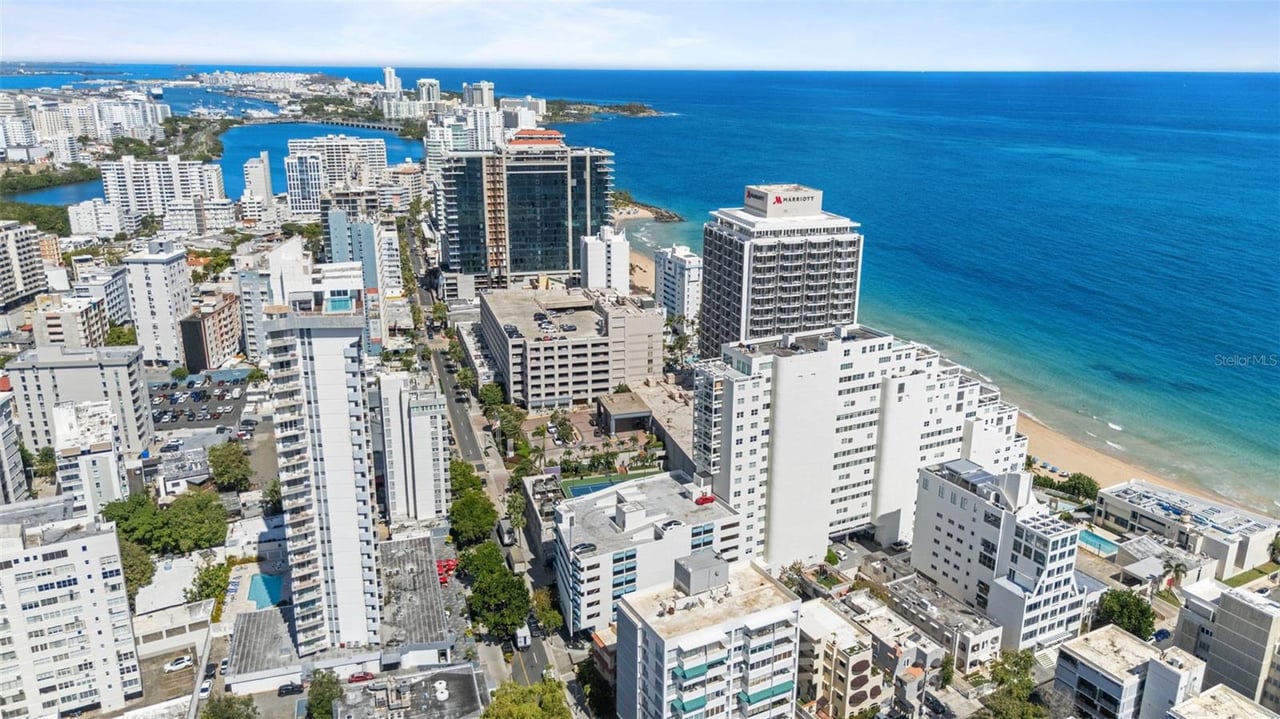
Not all of the island is equal as a rental market. The strongest performance concentrates in established tourism corridors with genuine year-round visitor demand. The west coast, Rincón and the greater surf region, has one of the island's deepest and longest-running vacation rental markets, which means investors have real historical occupancy and rate data rather than projections. Condado and Isla Verde draw consistent metro and beach tourism. Resort-adjacent areas and the southwest coast around Cabo Rojo see strong seasonal demand. The advantage of buying in an established market is underwriting certainty: you can model returns against years of actual performance rather than optimism.
The interplay with municipal rules matters here. Some of the most desirable markets carry the most restrictive ordinances, and some HOA-governed luxury communities prohibit rentals outright. The sweet spot, a property in a high-demand area, in a municipality that permits STR, in a community whose bylaws allow it, requires deliberate selection. It rarely happens by accident.
For buyers relocating under Act 60, short-term rental income intersects with the decree structure in ways worth understanding. Rental operations can be structured as a business, and certain investors may access preferential income tax treatment under the appropriate framework, while Act 60 capital gains provisions may apply to the underlying real estate for qualifying residents. These interactions are genuinely advantageous and genuinely technical; they depend on decree type, how the rental activity is structured and individual residency status. That is territory for a qualified Puerto Rico CPA and tax attorney, not for assumptions drawn from a blog or a forum. What matters at the purchase stage is buying a property that can legally and practically support the rental strategy in the first place.
Puerto Rico's short-term rental framework is actively evolving. Legislation has been under consideration that would create a centralized registry and a more uniform, island-wide licensing structure, partly in response to housing-cost and community-impact concerns. Whether and how it passes will affect compliance costs and operating rules. Serious investors should treat the regulatory environment as a moving target and build a margin for changing requirements into their projections rather than assume today's rules are permanent.
Short-term rental can be a strong component of a Puerto Rico real estate strategy, but only when the property is selected to support it from the start: in a market with real demand, a municipality that permits operation and a community that allows it. We evaluate properties not just as homes but as the income assets buyers intend them to be, with current knowledge of regional demand and the rules across the island's key markets. Before you commit, it is also worth reading what happens on exit in our guide to capital gains tax when selling property in Puerto Rico.
Yes. Short-term rental operators must register as an innkeeper (hostelero) with the Puerto Rico Tourism Company (PRTC) and obtain merchant registration with the Treasury Department (Hacienda). Many municipalities also require a separate local STR license. Operating without these registrations is a compliance violation, and platforms increasingly enforce license requirements.
The primary obligation is the 7 percent room occupancy tax, collected from guests and remitted monthly to the PRTC for stays of 90 days or less. Some platforms collect and remit this on the host's behalf, but the legal responsibility belongs to the owner. Rental income is also subject to applicable income tax, which is where Act 60 structuring may become relevant for qualifying residents.
No. Rules vary significantly by municipality. Dorado and San Juan, among others, have specific STR ordinances with licensing, permitting and occupancy requirements, while some towns have minimal rules. Always verify the specific municipal ordinance for the exact property before purchasing.
Yes, and many in Puerto Rico's luxury communities do. Condominium and HOA bylaws can restrict or ban short-term rental even when island and municipal requirements are met. Request the declaration, bylaws and board resolutions in writing before buying if rental income is part of your plan.
The strongest performance is in established tourism corridors with year-round demand: the Rincón and west coast surf region, Condado and Isla Verde in the metro area, and the resort-adjacent and southwest coastal areas. Established markets offer real historical occupancy data, which makes returns easier to underwrite accurately.
Rental operations may be structured to access preferential treatment for qualifying investors, and Act 60 capital gains provisions may apply to the underlying real estate for qualifying residents. These interactions are technical and depend on decree type, structure and residency. Consult a qualified Puerto Rico CPA and tax attorney for guidance specific to your situation.
Yes. Legislation has been under consideration to create a centralized registry and more uniform island-wide licensing, driven partly by housing-cost concerns. Investors should monitor the regulatory environment and build flexibility for changing requirements into their financial projections.
If short-term rental income is part of your strategy, tell us the markets you are considering before you buy, and we will show you which properties can actually support it, with the ordinance and the bylaws in hand.
Antonio Cartagena, Broker Lic. C-13471 · Lizvette Robles, Lic. 23765 · (787) 717-6443
Beachfront condos with rental programs: our comparison of Condado, Dorado and Río Grande covers Bahía Beach, Rio Mar and the Condado oceanfront line.
Stay up to date on the latest real estate trends.

Condado · Relocation · Buyer Guides · Puerto Rico Real Estate
What Buyers Should Know About Walkability, Schools, Healthcare, Condos, Transportation and Choosing the Right Property Before Moving to Condado

Act 13-2026 gives you a deadline to see the building rules. Act 157-2026 moves disputes out of DACO and into the courts.

Condado · Buyer Guides · Luxury Real Estate · Puerto Rico Real Estate
How Views, Exposure, Location, Noise, Walkability and Resale Position Differ Across Condado’s Two Waterfronts

Condado · Buyer Guides · Puerto Rico Real Estate · Luxury Real Estate
HOA Fees, Insurance, Property Taxes, Assessments and the Expenses Buyers Should Understand Before Purchasing in Condado

LUXURY COMMUNITIES
44 residences from $1.2M between Garden Hills and San Patricio. What $818 per square foot means if you are buying, and what it changes if you already own in the area.

LUXURY COMMUNITIES
Forty Stellar MLS closed sales across eight communities, from $136 to $3,110 per square foot, what sellers actually accept, and what the maintenance fee adds.

LUXURY COMMUNITIES
Condado and Isla Verde in San Juan, West Beach and Costa Dorada in Dorado, and Bahía Beach, Rio Mar and Coco Beach in Río Grande: closed-sale prices, buildings, fees a… Read more
Condado · Buyer Guides · New Developments · Luxury Real Estate
How to Compare Pricing, Amenities, HOA Costs, Market Evidence and Long-Term Value Before Buying a Condo in Condado

Condado · New Developments · Luxury Real Estate · Buyer Guides
A Buyer’s Guide to 1120 Ashford Avenue, New Construction, Pricing and How The ICON Fits Into Condado’s Changing Luxury Market
We connect discerning buyers and sellers with the island’s most exclusive real estate opportunities. Our expertise and network ensure seamless transactions for both relocation under Act 60 and the sale of distinguished estates. We combine discretion, strategy, and global reach to represent your interests with excellence.