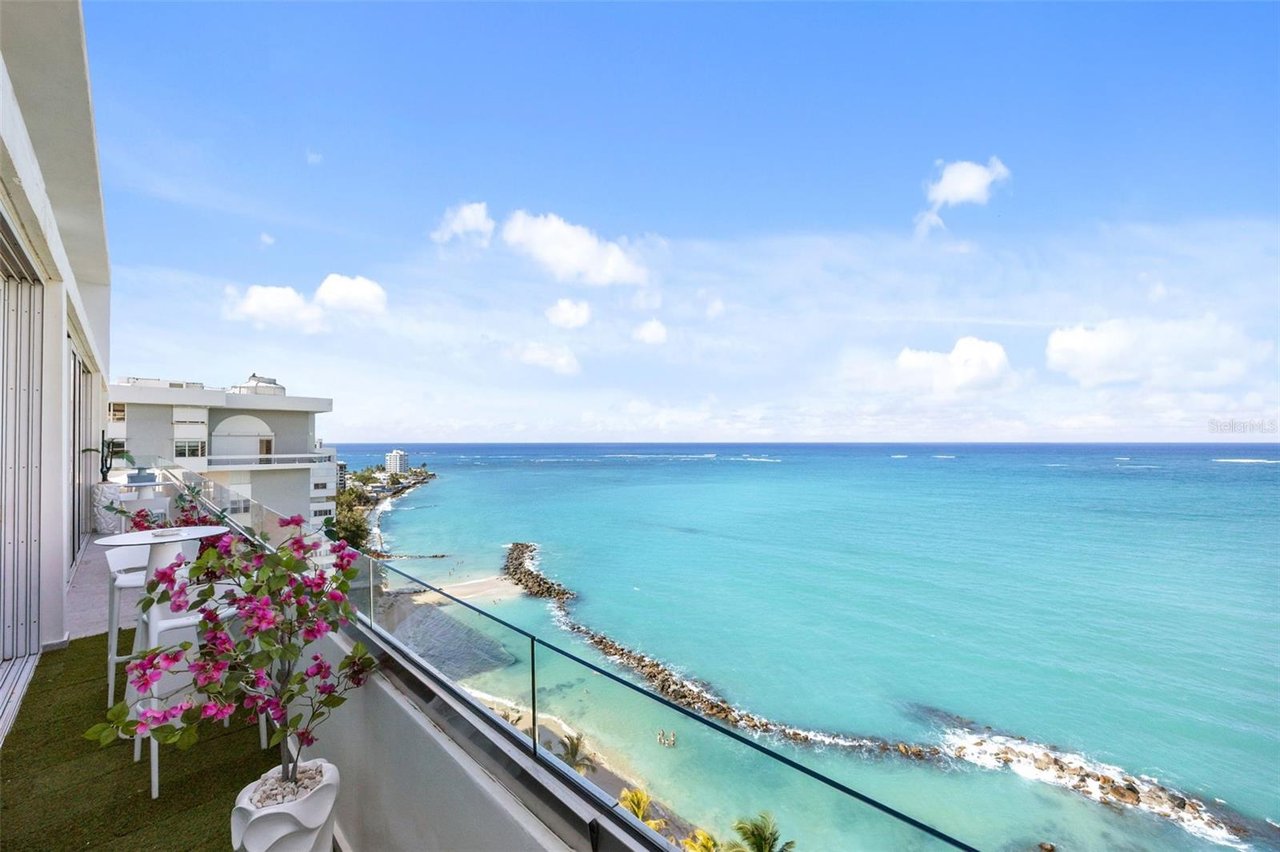
Flood Zones in Puerto Rico: How to Check Before You Buy
Buyers Guide, Insurance, Due Diligence, Puerto Rico Real Estate Lizvette Robles July 22, 2026
Buyers Guide, Insurance, Due Diligence, Puerto Rico Real Estate Lizvette Robles July 22, 2026
To check a property's flood zone in Puerto Rico, search the address on FEMA's Flood Map Service Center (msc.fema.gov), the official public source. Zone X is lower-to-moderate risk and flood insurance is generally optional; Zone AE is high risk and insurance is typically mandatory for financed properties; Zone VE is the coastal high-hazard zone, high risk with additional construction requirements such as elevated foundations. Do this before you make an offer, not after, because the designation determines whether your lender requires flood insurance, what it costs every year you own the home, how smoothly your loan closes and how the property will resell.
On an island shaped by water, where coastal and riverside settings are part of the appeal, flood risk is one of the most important and most overlooked factors in a Puerto Rico purchase. None of it is complicated to check. What gets buyers into trouble is checking too late, after an offer or, worse, after closing. This guide explains how flood zones work here, how to verify a property's status and why it belongs at the front of your due diligence. It is informational rather than insurance or legal advice; flood determinations and premiums for a specific property should be confirmed with FEMA's official sources and a licensed insurance professional.
A flood zone designation is not an abstract label. It has direct financial consequences. If a property sits in a designated high-risk zone and you are financing it, your lender will require flood insurance as a condition of the loan. That premium can be substantial, and it recurs for as long as you own the property. It affects your monthly carrying cost, your debt-to-income ratio during loan approval and, critically, the pool of future buyers when you eventually sell. A property burdened with high flood premiums can see its resale appeal and value affected as future buyers weigh that ongoing cost. Flood status shapes the economics of the property for its entire life, not just at purchase.
There is also the underlying risk itself. Standard homeowners insurance generally does not cover flood damage; that is a separate policy. Buyers who skip flood coverage because a property was not in a mandatory zone have, in some cases, faced devastating uninsured losses from flash flooding, a real risk in Puerto Rico's riverine and low-lying interior areas, not only on the coast. Our guide to home insurance for luxury properties in Puerto Rico covers how flood, wind and hurricane coverage fit together.
Puerto Rico's flood zones are designated by FEMA under the National Flood Insurance Program, and a few designations come up most often. Zone X is the lower-to-moderate-risk designation, where flood insurance is generally optional rather than mandatory. Zone AE is a high-risk zone, where flood insurance is typically mandatory for financed properties. Zone VE is the coastal high-hazard designation, high risk with additional construction requirements such as elevated foundations, reflecting exposure to wave action and storm surge. A beachfront property is more likely to carry a V or coastal designation, while a riverside or low-lying interior property may sit in an AE or riverine zone. Knowing which zone a property falls in tells you a great deal about both your insurance obligations and the construction standards the property should meet.
Flood maps are not static. FEMA periodically updates them, and a property's designation can change with remapping, sometimes into a higher-risk category as updated data and climate considerations are incorporated. That is part of why current verification matters rather than relying on older information.
Checking is straightforward and the primary tool is free and official. FEMA's Flood Map Service Center (msc.fema.gov) is the authoritative public source: search by property address to find the official flood map and the property's zone designation. It should be one of the first checks you run on any property you are seriously considering, ideally before making an offer.
Beyond the FEMA map, several other sources sharpen the picture. Municipal planning offices often maintain flood zone data, sometimes reflecting recent local remapping. An elevation certificate, where available, provides property-specific elevation data that directly affects insurance rates within a zone. And a licensed insurance professional can give you an actual premium quote for the specific property, which turns the designation into a real number you can budget. We check flood status as part of the initial property assessment precisely so it never becomes a closing-table surprise.
The single most important piece of guidance is timing. Flood zone verification belongs at the front of your due diligence, before you are emotionally and financially committed. Buyers who discover a mandatory flood insurance requirement during closing can find a substantial annual premium suddenly added to their costs, enough in some cases to affect loan approval or change whether the purchase makes sense at all. Checking early lets you factor the insurance cost into your offer, budget accurately and decide with full information. Checking late turns a manageable known cost into a stressful surprise.
It is also a negotiating consideration. A property's flood status and the associated insurance cost are legitimate factors in valuation and negotiation, and a buyer who understands them going in is in a far stronger position than one who learns them after agreeing to a price.
Use FEMA's Flood Map Service Center (msc.fema.gov), the official public source, where you can search by property address to find the flood map and zone designation. Supplement it with municipal planning office data, an elevation certificate where available, and a premium quote from a licensed insurance professional. Check before making an offer.
The most common FEMA designations are Zone X (lower-to-moderate risk, flood insurance generally optional), Zone AE (high risk, insurance typically mandatory for financed properties) and Zone VE (coastal high hazard, high risk with additional construction requirements such as elevated foundations). The zone affects both insurance obligations and required construction standards.
If a property is in a designated high-risk zone such as AE or VE and you are financing it, your lender will typically require flood insurance as a condition of the loan. In lower-risk zones like X it is generally optional but often still wise, since standard homeowners insurance does not cover flood damage and flooding can occur outside mandatory zones.
It varies significantly with the flood zone, elevation, property design and proximity to water. In high-risk zones premiums can be substantial and add meaningfully to monthly carrying costs. The only reliable figure is a quote from a licensed insurance professional for the specific property, which is why getting one before making an offer matters.
Yes. FEMA periodically updates its flood maps, and a property's designation can change with remapping, sometimes into a higher-risk category as updated data is incorporated. That is why current, official verification matters more than older information, especially for coastal and riverine properties.
It can. A property in a high-risk zone with substantial flood insurance premiums may face a narrower pool of future buyers or pressure on price, as buyers weigh the ongoing insurance cost. Understanding a property's flood status before buying helps you anticipate both your carrying costs and its future marketability.
We treat flood zone verification as a standard part of evaluating any coastal or low-lying property: checking the FEMA designation, flagging the insurance implications and making sure you understand the full carrying cost before you make an offer, not after. If you are considering a property where water is part of the setting, send us the address and we will tell you what the map says and what it will cost before you fall in love with the view.
Antonio Cartagena, Broker Lic. C-13471 · Lizvette Robles, Lic. 23765 · (787) 717-6443
Stay up to date on the latest real estate trends.

LUXURY COMMUNITIES
Forty Stellar MLS closed sales across eight communities, from $136 to $3,110 per square foot, what sellers actually accept, and what the maintenance fee adds.
LUXURY COMMUNITIES
Condado and Isla Verde in San Juan, West Beach and Costa Dorada in Dorado, and Bahía Beach, Rio Mar and Coco Beach in Río Grande: closed-sale prices, buildings, fees a… Read more
Condado · Buyer Guides · New Developments · Luxury Real Estate
How to Compare Pricing, Amenities, HOA Costs, Market Evidence and Long-Term Value Before Buying a Condo in Condado
Condado · New Developments · Luxury Real Estate · Buyer Guides
A Buyer’s Guide to 1120 Ashford Avenue, New Construction, Pricing and How The ICON Fits Into Condado’s Changing Luxury Market
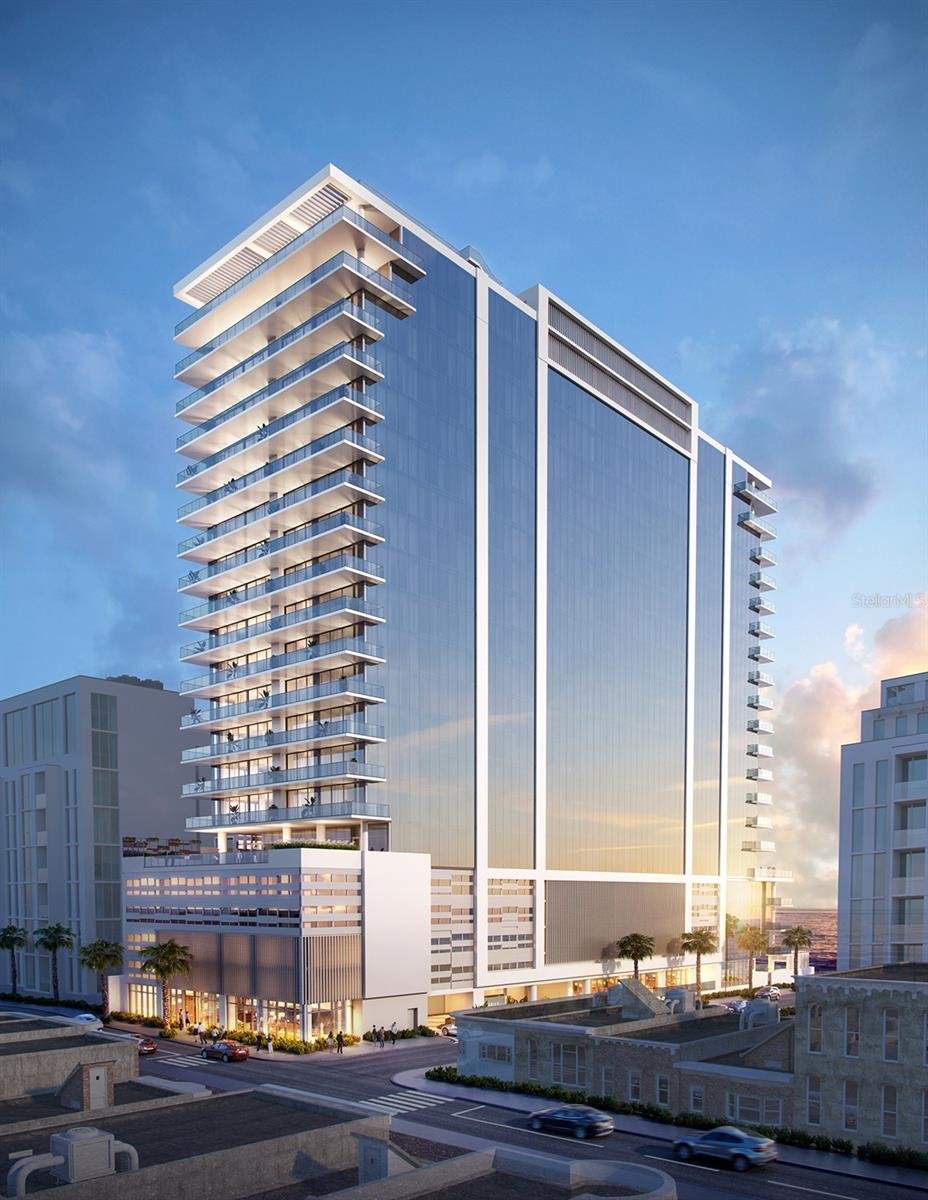
Condado, New Developments, Luxury Real Estate, Buyer Guides
A Buyer’s Guide to Condado’s New Oceanfront Luxury Development, Amenities, Pricing and Market Position

MARKET ANALYSIS
60 Closed Sales, $73.9M in Volume — and a New Generation of Luxury Development Is Reshaping Condado
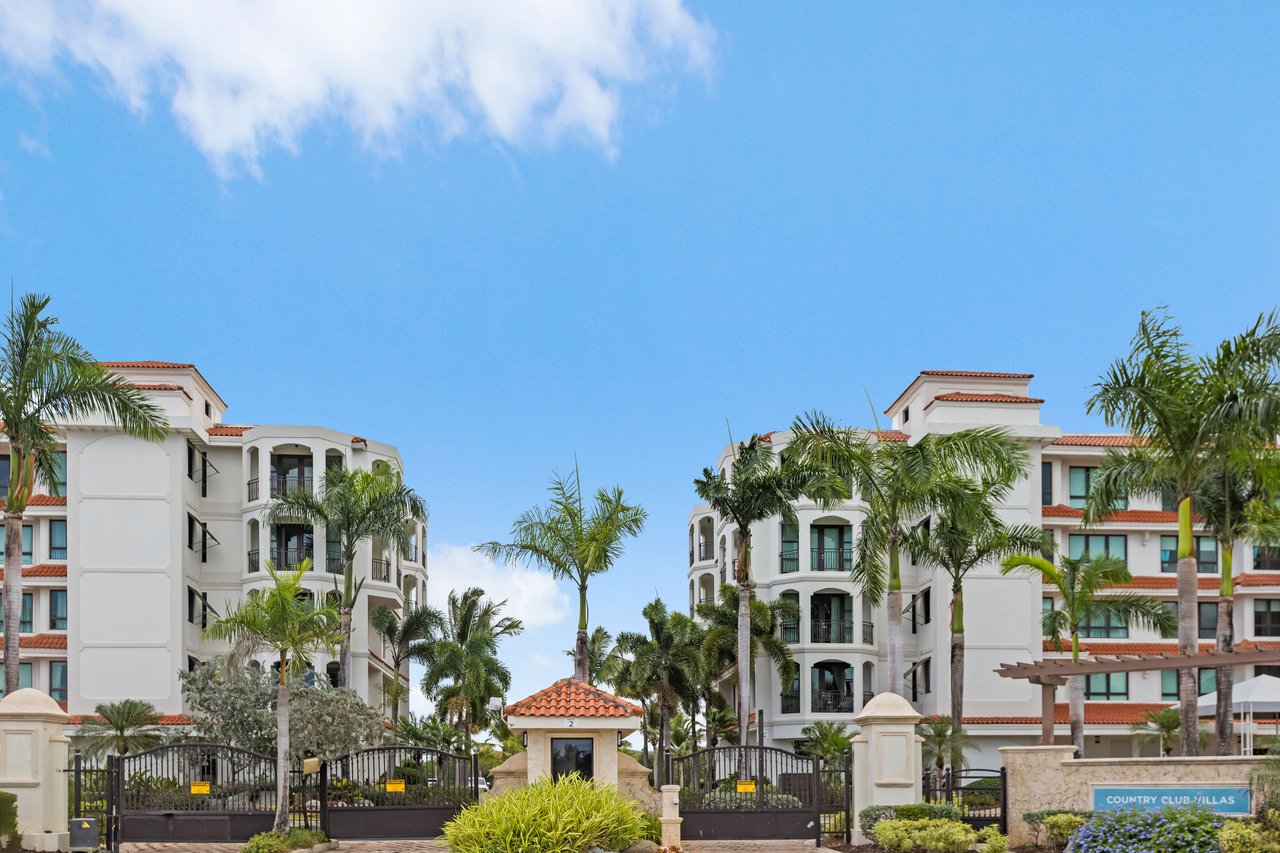
Puerto Rico Buying Guides
HOA structures, insurance, backup infrastructure, rental restrictions, resort privileges and comparable sales can matter as much as the view. Here’s what buyers should… Read more
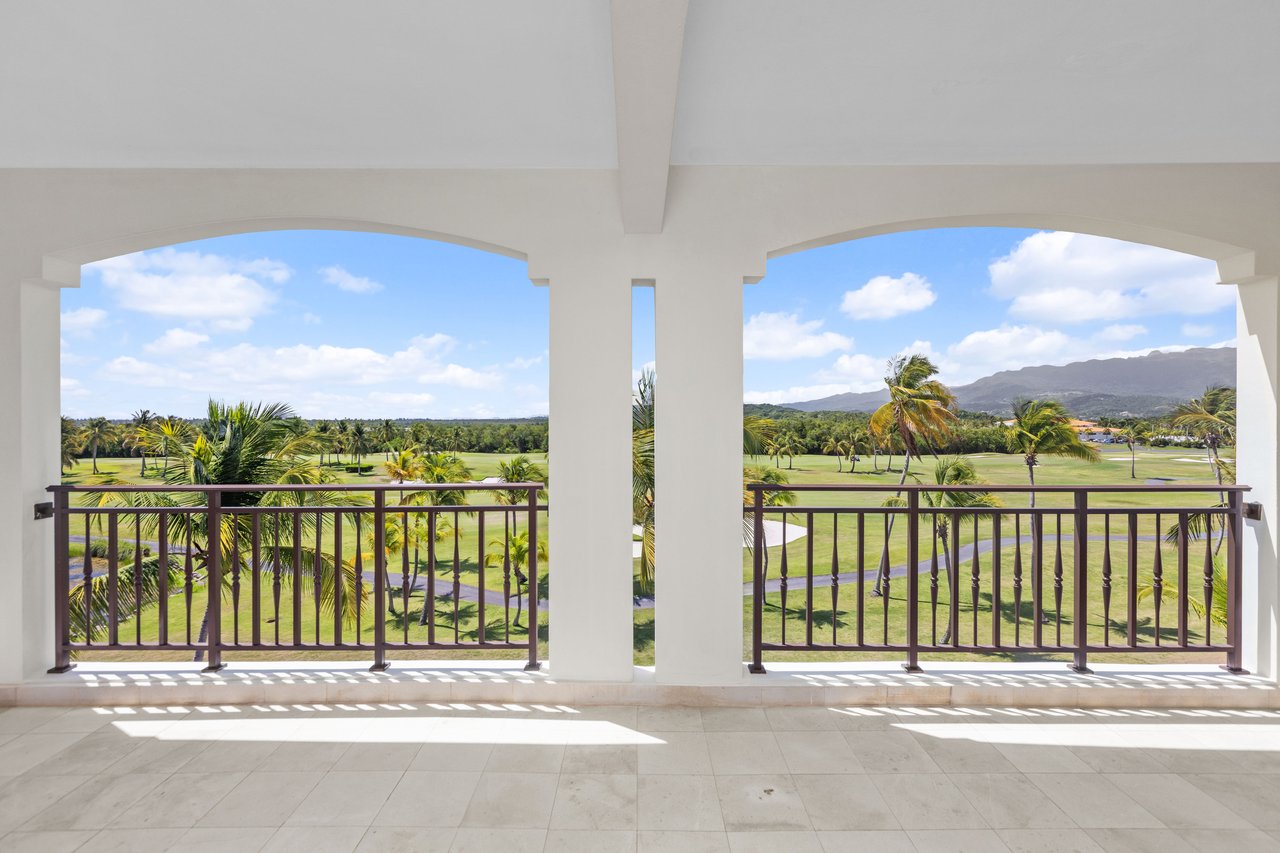
Puerto Rico Buying Guides
Ocean views may command attention, but golf-front properties can offer space, privacy and a different ownership experience. Here’s how buyers should compare beachfront… Read more
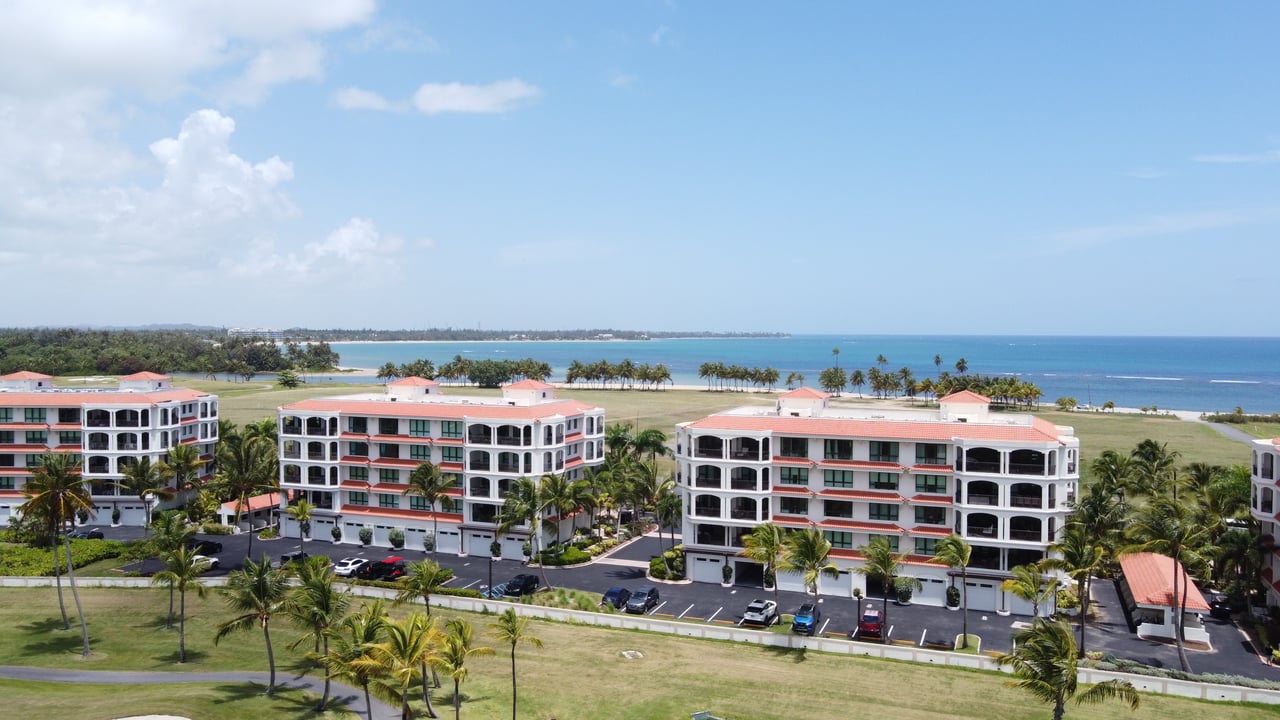
Puerto Rico Buying Guides
Purchase price is only the beginning. From HOA fees and Country Club memberships to insurance, utilities, maintenance and resort-specific costs, the true cost of owner… Read more
We connect discerning buyers and sellers with the island’s most exclusive real estate opportunities. Our expertise and network ensure seamless transactions for both relocation under Act 60 and the sale of distinguished estates. We combine discretion, strategy, and global reach to represent your interests with excellence.