Is Puerto Rico Safe? An Honest, Area-by-Area Answer for Relocating Buyers
Buyers Guide, Relocation, Lifestyle, Puerto Rico Real Estate Lizvette Robles July 10, 2026
Buyers Guide, Relocation, Lifestyle, Puerto Rico Real Estate Lizvette Robles July 10, 2026
Is Puerto Rico safe? For families relocating to the metro luxury corridor and the island's gated and established residential communities, yes, with the ordinary situational awareness any sensible person practices anywhere. The island-wide crime statistics that show up in a quick search are real, but they describe a concentrated problem in specific neighborhoods that has very little to do with the places where relocating families actually live. The realistic day-to-day concerns in those communities are petty theft and the island's natural risks, not violent crime.
It is one of the first questions almost every mainland buyer asks us, often a little hesitantly, and it deserves a direct answer rather than reassurance or alarm. Safety here is highly uneven, and understanding that gap is the key to answering the question accurately. What follows is an area-by-area assessment for buyers and relocating families. It is informational rather than a guarantee about any specific place or situation; personal safety always depends on judgment and circumstances.
There is no value in glossing over the data. Puerto Rico's homicide rate is meaningfully higher than the U.S. national average; figures commonly cited place it well above the mainland's roughly 6.5 per 100,000. That number is real, and it is the basis for the concern many buyers arrive with. But the number alone is profoundly misleading without context, and the context changes the picture entirely.
The overwhelming majority of Puerto Rico's violent crime, by most accounts the large majority of homicides, is concentrated in specific neighborhoods and connected to drug trafficking and gang activity, involving people tied to that activity. It rarely touches tourists, residents going about ordinary life, or the residential and resort communities where relocating families settle. At the same time, Puerto Rico has consistently ranked among the safest islands in the Caribbean for American travelers, and many analyses note its overall crime rate sits below that of numerous mainland U.S. cities. Both things are true at once: a serious, concentrated violence problem in particular areas, and a daily-life safety profile in residential zones comparable to, or better than, many mainland communities.
The single most important thing to understand is that safety in Puerto Rico is intensely local. It varies dramatically by municipality, by neighborhood, and sometimes by which side of a highway you are on. A single island-wide figure averages together radically different realities. The violence that drives the statistics is geographically concentrated, and the communities where relocating buyers look for homes are, by and large, not where it occurs.
This is why granularity matters more here than almost anywhere. Asking whether Puerto Rico is safe is a bit like asking whether the United States is safe. The honest answer is that it depends entirely on where, and the difference between one neighborhood and another a few miles away can be enormous.
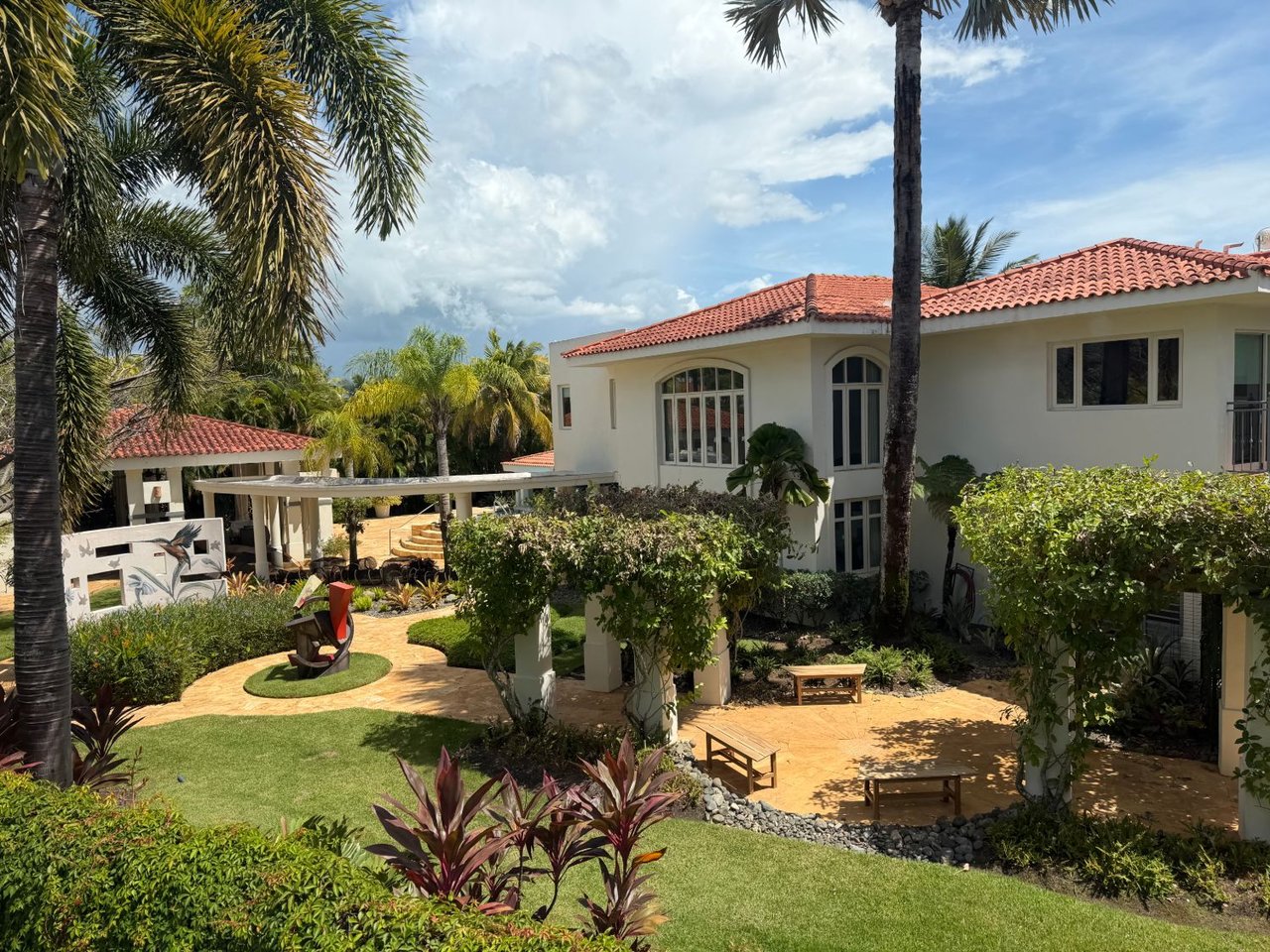
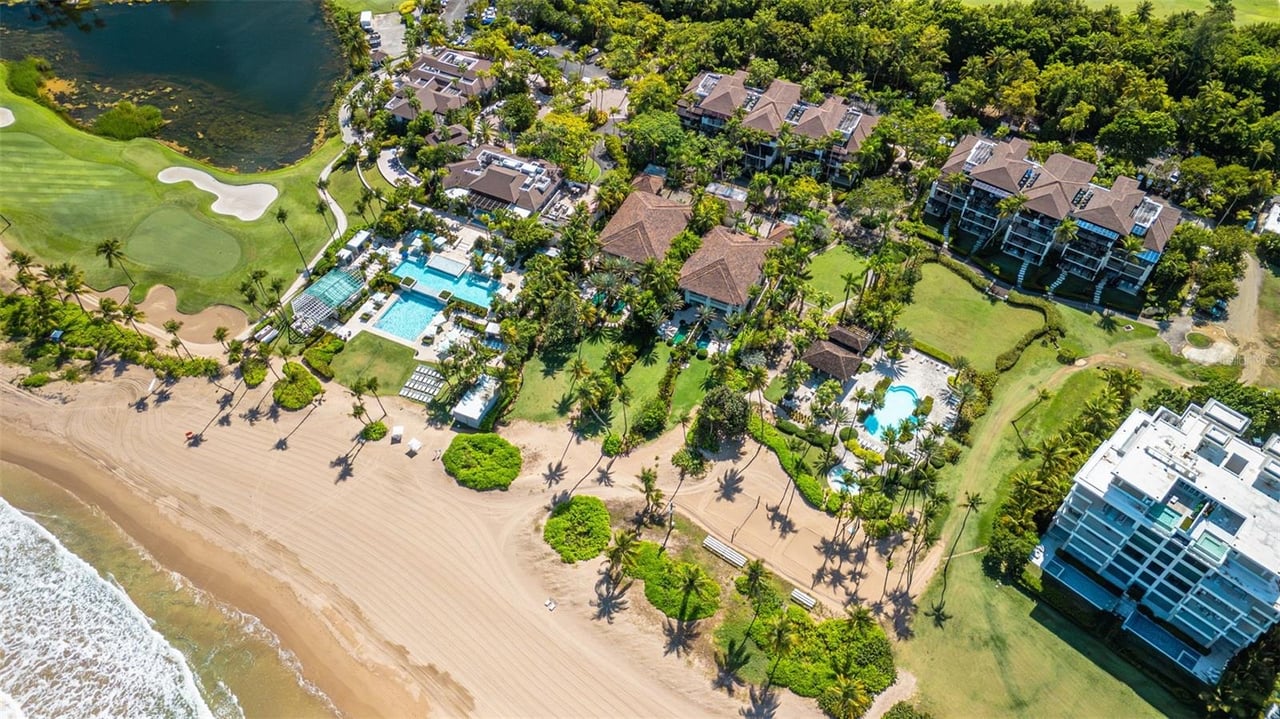
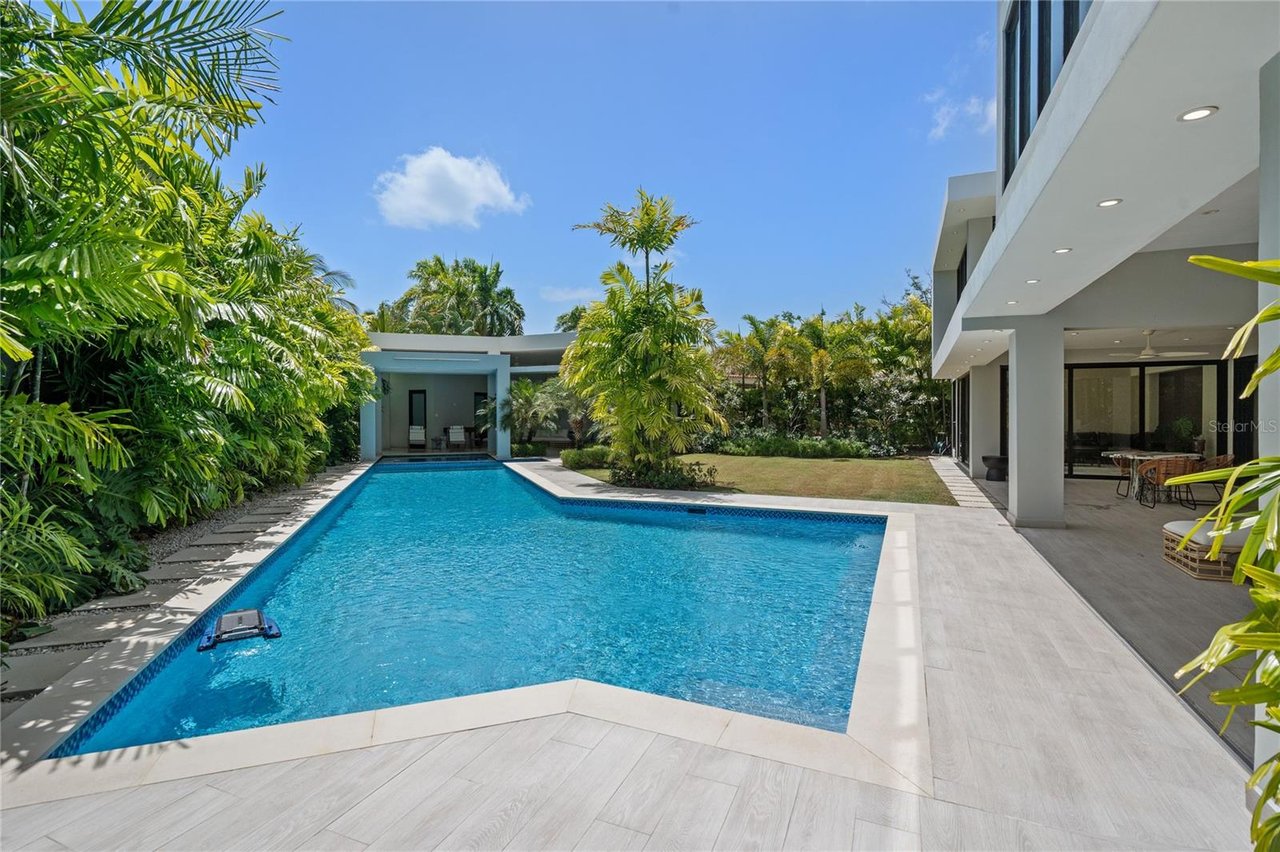
For the buyers we work with, relocating to the metro luxury corridor and the island's premier communities, the practical safety reality is very different from the headline numbers. The gated, master-planned communities that define luxury living in Puerto Rico, such as Dorado Beach and Bahía Beach, operate with controlled access, private security and gated perimeters. These are among the most secure residential environments anywhere, and families living inside them experience a daily safety profile that has essentially nothing to do with the island's aggregate crime statistics.
The established residential areas of Guaynabo, Dorado and the better parts of the metro corridor, where many relocating families and Act 60 buyers settle, are generally safe for ordinary daily life. The realistic concern in these areas is not violent crime but crimes of opportunity: petty theft, car break-ins, the occasional pickpocketing in crowded tourist zones like parts of Old San Juan. The precautions are the ones sensible people take in any U.S. city. Do not leave valuables visible, be aware in crowds, lock the car. Nothing about it is exotic to Puerto Rico. If you are comparing communities, our guides to the best areas to live in Puerto Rico for Act 60 buyers and Dorado vs. Condado vs. Río Grande go neighborhood by neighborhood.
An honest safety conversation about Puerto Rico has to include the non-criminal risks, which are arguably more relevant to most relocating families than crime. Hurricane season, from June through November, is a genuine consideration that shapes everything from home construction to insurance, which is why resilience features like solar, backup power and hurricane-rated construction matter so much here. Rip currents at certain beaches are a real and underappreciated danger; some popular beaches lack lifeguards and have claimed lives, while others are quite safe for families. And road infrastructure and driving culture take adjustment, particularly outside the metro area. For a typical relocating family, these practical risks deserve at least as much planning attention as crime does.
For families relocating to the metro luxury corridor and the island's gated and established residential communities, Puerto Rico is safe, with the ordinary situational awareness any sensible person practices anywhere. The frightening island-wide statistics describe a concentrated problem that does not meaningfully touch the communities where relocating buyers live. The realistic day-to-day concerns are petty theft and the island's natural risks, not violent crime. And the single most effective safety decision a buyer makes is the same as the most effective real estate decision: choosing the right location.
That is precisely where local knowledge is irreplaceable. We know these communities from living and working in them, not from statistics, and we help relocating families find homes in places that genuinely fit their safety priorities and their lives.
For families relocating to the metro luxury corridor and the island's gated and established residential communities, daily life is generally safe, comparable to or better than many mainland U.S. areas. Puerto Rico's higher island-wide violent crime is largely concentrated in specific neighborhoods and connected to drug and gang activity, away from where relocating families typically live. The realistic everyday concern is petty theft, not violent crime.
Puerto Rico's homicide rate exceeds the U.S. average, but the large majority of violent crime is concentrated in particular neighborhoods and tied to drug trafficking and gang activity. It rarely targets residents going about ordinary life or the residential and resort communities where relocating families settle. The aggregate number masks dramatically different local realities.
The gated, master-planned communities such as Dorado Beach and Bahía Beach, with controlled access and private security, are among the most secure residential environments anywhere. Established residential areas of Guaynabo, Dorado and the better metro corridor are generally safe for daily life. Safety varies sharply by neighborhood, so specific local guidance matters.
Yes. Puerto Rico's premier gated communities operate with controlled access, gated perimeters and private security, offering a daily safety profile that has essentially nothing to do with the island's aggregate crime statistics. This is one reason these communities are so popular with relocating high-net-worth families.
For most relocating families, the practical risks are petty theft and crimes of opportunity, manageable with ordinary precautions, and the island's natural risks: hurricane season from June through November, rip currents at certain unguarded beaches, and adjusting to road infrastructure and driving culture. These often deserve more planning attention than violent crime.
By several measures, yes. Puerto Rico has ranked among the safest Caribbean islands for American travelers, helped by its U.S. infrastructure, healthcare access, and secure resort and residential areas. As a U.S. territory it also offers conveniences that add to the overall sense of security: no passport needed, the U.S. dollar, familiar emergency services.
We help relocating families find homes in communities that genuinely match their safety priorities, with the specific local knowledge that island-wide statistics cannot provide. If safety is a significant factor in your move, tell us what matters most to your family and we will give you the same honest, specific guidance you have just read, applied to your particular search.
Antonio Cartagena, Broker Lic. C-13471 · Lizvette Robles, Lic. 23765 · (787) 717-6443
Where high-end buyers actually live: our 2026 buyer's guide to luxury real estate in Puerto Rico covers Dorado, Condado, Río Grande and Guaynabo with closed-sale prices.
Related: where Act 60 buyers actually buy in Puerto Rico, and how a purchase here differs from one on the mainland.
If you are weighing the move itself and not just the safety question, this is the companion piece: why Tyler Perry is moving to Puerto Rico, and what Act 60 really requires in 2027.
Stay up to date on the latest real estate trends.

Act 60, the 1 January 2027 deadline, and the three IRS tests the decree does not cover.

255 sales closed above $1 million between January and October 2026. $597.7 million, and eight of every ten inside five municipalities.
LUXURY CONDO
What 2,524 closed sales show, and the two 2026 rule changes that decide what a bank will finance.

What $1,477,000 buys on Puerto Rico's west coast, how it compares to closed sales above $1 million in Rincon and Boqueron, and what the $142 million Aguadilla airport … Read more

Condado · Buyer Guides · New Developments · Luxury Real Estate
What is still available, how to read the square footage, and what the project does not publish.
LUXURY CONDO
Fannie Mae and Freddie Mac raise the minimum condo reserve requirement to 15%. Puerto Rico law requires 5% - and lets buildings stop contributing altogether.
We connect discerning buyers and sellers with the island’s most exclusive real estate opportunities. Our expertise and network ensure seamless transactions for both relocation under Act 60 and the sale of distinguished estates. We combine discretion, strategy, and global reach to represent your interests with excellence.