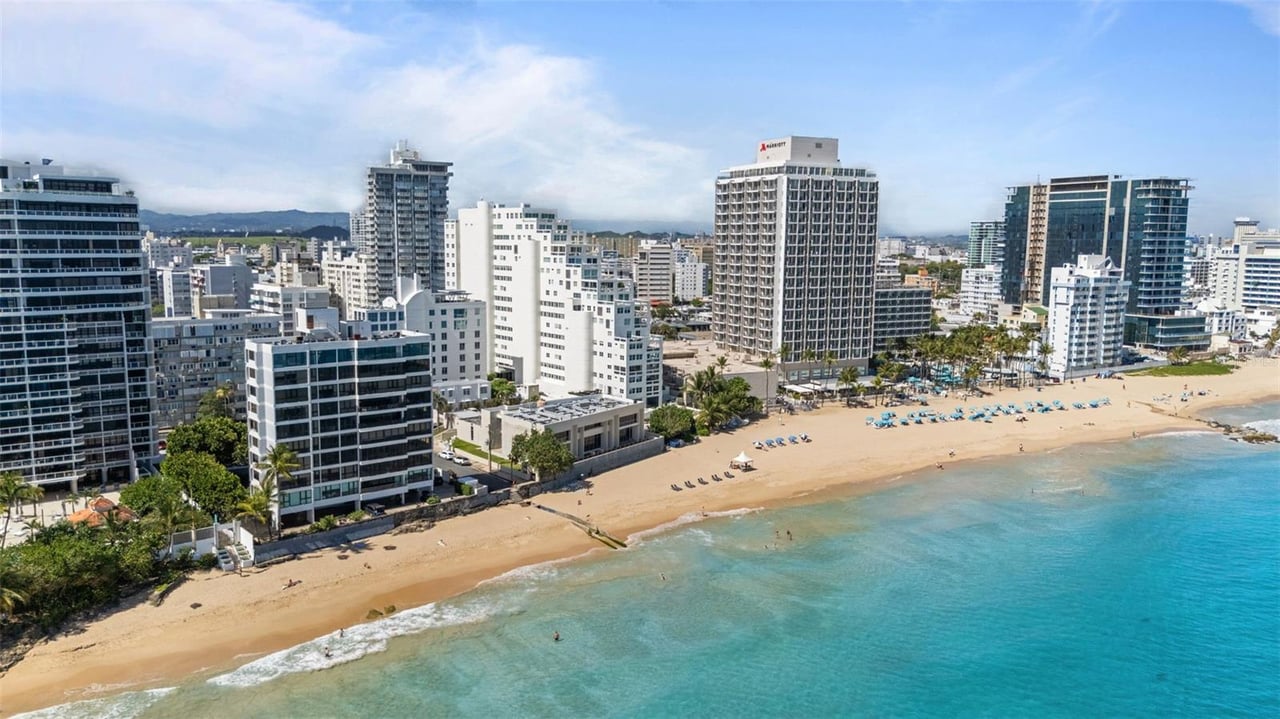
Healthcare in Puerto Rico for Relocating Families: Hospitals, Insurance, and What to Expect
Buyers Guide, Relocation, Lifestyle, Puerto Rico Real Estate Lizvette Robles July 8, 2026
Buyers Guide, Relocation, Lifestyle, Puerto Rico Real Estate Lizvette Robles July 8, 2026
For families and retirees considering a move to Puerto Rico, healthcare is consistently among the top concerns, and rightly so. It is also one of the areas where mainland buyers receive the most contradictory information, ranging from reassurance that the island has excellent care to warnings about shortages and wait times. The honest answer is that both are partly true, and the reality depends heavily on where you live, how you structure your coverage, and what your health needs are.
This guide gives a clear-eyed picture of healthcare in Puerto Rico for relocating buyers, the system's strengths, its genuine challenges, and how thoughtful families plan around it. It is educational rather than medical or insurance advice, and individual coverage decisions belong with licensed professionals. The Baseline: It Is a U.S. System, With Differences
Puerto Rico's healthcare operates within the U.S. framework, which gives relocating Americans an important advantage over moving to a foreign country. Medicare works in Puerto Rico. Beneficiaries of Original Medicare encounter costs and benefits broadly similar to the mainland, though it is worth noting that residents are automatically enrolled in Part A at 65 but must manually enroll in Part B to receive full medical coverage, a detail that catches some new arrivals. The Medicare Advantage market on the island is, in fact, highly competitive, with several carriers offering plans at zero premium and substantial supplemental benefits.
Private insurance is widely available through major carriers, including Triple-S Salud, an affiliate of Blue Cross Blue Shield, and Humana, among others. Puerto Rico maintains its own insurance marketplace, independent from the mainland's Healthcare.gov, so the easiest path is often to contact local providers directly to understand current options. For relocating high-net-worth families, private coverage and, in many cases, international health plans form the core of their healthcare strategy.
Where Care Is Strong: The Metro Corridor
Quality of care in Puerto Rico is closely tied to geography. The San Juan metropolitan area, including Guaynabo, concentrates the island's hospitals, specialists, and most advanced facilities. Families relocating to the Dorado-to-San Juan corridor have reasonable access to a meaningful range of medical services, specialists, and hospital infrastructure. This is one of the quieter reasons the metro luxury corridor remains so popular with relocating families and retirees: proximity to the island's strongest healthcare is built into the location.
For routine care, preventive medicine, and many specialties, families in the metro area are generally well served. The concentration of providers there is real, and for buyers whose primary concern is access to solid everyday care, the corridor delivers. The Honest Challenges
A responsible assessment does not stop at the strengths. Puerto Rico's healthcare system faces genuine pressures. Low provider reimbursement rates have driven many doctors, nurses, and specialists to relocate to the mainland over recent years, contributing to specialist shortages and, in some fields, longer wait times. For certain specialized or complex procedures, the depth of options is narrower than in a major mainland metro, and some families choose to travel to the mainland for specific treatments.
Geography compounds this. Outside the metro corridor, on the west coast, in rural areas, in much of the island's interior, access to specialists and advanced emergency care can mean significantly longer travel times. For a family or retiree for whom frequent, immediate access to specialized care is a priority, this is a real factor that should weigh directly on the housing decision. A beautiful property two hours from the nearest major hospital is a different proposition for a healthy remote worker than for someone managing a serious ongoing condition.
How Relocating Families Actually Structure It
In practice, thoughtful relocating families tend to build a layered approach. They establish care with local providers in or near the metro area for everyday and routine needs. Many, particularly higher-net-worth families and those who travel frequently, maintain access to mainland care, whether through international health insurance that provides off-island coverage, retained relationships with mainland physicians, or simply the practical ability to fly to the U.S. for major or elective procedures. For Medicare beneficiaries, the move involves notifying Medicare and their plan, using the Special Enrollment Period the relocation triggers to select a plan that operates in Puerto Rico, and confirming that preferred providers are in network before enrolling.
The throughline is intentionality. Families who plan their healthcare deliberately, choosing a location with reasonable access, securing the right coverage for their needs, and keeping mainland options open where it matters, tend to find the island's care entirely workable. Those who assume it will simply mirror their mainland experience without planning are the ones who encounter friction.
Let Healthcare Inform the Housing Decision Because access is so closely tied to location, healthcare should be part of the real estate conversation from the start, not an afterthought discovered later. At InvEstate Puerto Rico, we help relocating families weigh proximity to medical infrastructure alongside the other priorities driving their move, so the property they choose genuinely fits their life. If healthcare access is a significant factor in your relocation, contact us, and we will factor it into where and how we focus your property search.
Frequently Asked Questions Does Medicare work in Puerto Rico?
Yes. Puerto Rico is part of the U.S. Medicare system. Original Medicare benefits and costs are broadly similar to the mainland, and Puerto Rico has a competitive Medicare Advantage market with several zero-premium plans. Note that residents are auto-enrolled in Part A at 65 but must manually enroll in Part B for full coverage, and Medicare beneficiaries relocating should confirm their plan operates on the island.
Is healthcare good in Puerto Rico? It depends on location and needs. The San Juan metro area, including Guaynabo, concentrates the island's hospitals and specialists and offers solid access to everyday and specialty care. However, the system faces genuine challenges, including specialist shortages from provider migration to the mainland and longer travel times for advanced care outside the metro corridor.
What insurance options exist in Puerto Rico for relocating families? Medicare, private insurance through carriers such as Triple-S Salud (a Blue Cross Blue Shield affiliate) and Humana, and Plan Vital (Puerto Rico's income-based Medicaid) are all available. Puerto Rico has its own marketplace independent of Healthcare.gov. Many higher-net-worth and frequently traveling families also carry international health insurance for off-island coverage.
Where should I live in Puerto Rico if healthcare access is a priority? The San Juan metropolitan corridor, including the Dorado-to-San Juan area and Guaynabo, offers the strongest concentration of hospitals and specialists. Families for whom immediate access to specialized care is necessary should weigh this heavily, as rural and west coast locations can mean significantly longer travel times to advanced facilities.
Are there specialist shortages in Puerto Rico? Yes, in some fields. Low provider reimbursement rates have led many doctors and specialists to relocate to the mainland, contributing to shortages and longer wait times in certain specialties. For complex or specialized procedures, some families choose to travel to the mainland, which is why many relocating families keep mainland or international coverage options open.
Can I keep access to mainland healthcare after moving to Puerto Rico? Many relocating families do, through international health insurance with off-island coverage, retained mainland physician relationships, or the practical ability to travel to the U.S. for major procedures. A layered approach, local care for routine needs plus mainland access for specialized care, is common among thoughtful relocators.
Plan Your Care, Then Your Home InvEstate Puerto Rico helps relocating families weigh healthcare access alongside the other priorities shaping their move, so location supports the life they are building. If medical access matters to your relocation, contact us, we will make it part of how we guide your search.
https://investatepr.com/blog/retiring-in-puerto-rico-what-high-net-worth-retirees-need-to-know
We keep the whole picture in one place: Act 60 real estate in Puerto Rico, from timeline to closing.
Stay up to date on the latest real estate trends.

Act 60, the 1 January 2027 deadline, and the three IRS tests the decree does not cover.

255 sales closed above $1 million between January and October 2026. $597.7 million, and eight of every ten inside five municipalities.
LUXURY CONDO
What 2,524 closed sales show, and the two 2026 rule changes that decide what a bank will finance.

What $1,477,000 buys on Puerto Rico's west coast, how it compares to closed sales above $1 million in Rincon and Boqueron, and what the $142 million Aguadilla airport … Read more

Condado · Buyer Guides · New Developments · Luxury Real Estate
What is still available, how to read the square footage, and what the project does not publish.

LUXURY CONDO
Fannie Mae and Freddie Mac raise the minimum condo reserve requirement to 15%. Puerto Rico law requires 5% - and lets buildings stop contributing altogether.
We connect discerning buyers and sellers with the island’s most exclusive real estate opportunities. Our expertise and network ensure seamless transactions for both relocation under Act 60 and the sale of distinguished estates. We combine discretion, strategy, and global reach to represent your interests with excellence.