Puerto Rico vs Florida: Where High-Net-Worth Buyers Actually Save More
Buyers Guide, Act 60, Market Comparison, Tax Incentives, Puerto Rico Real Estate Lizvette Robles June 30, 2026
Buyers Guide, Act 60, Market Comparison, Tax Incentives, Puerto Rico Real Estate Lizvette Robles June 30, 2026
For high-net-worth individuals leaving high-tax states like New York, California, or New Jersey, two destinations dominate the conversation: Florida and Puerto Rico. Both are warm, both are tax-friendly, and both attract a steady flow of wealthy mainland transplants every year. But the two work in fundamentally different ways, and conflating them is one of the most common mistakes sophisticated buyers make when planning a relocation.
This guide lays out the real comparison: how the tax savings actually differ, what each destination asks of you in return, and how to think about the decision honestly. The Core Difference: State Tax Relief vs Federal Tax Relief The single most important distinction is this. Florida saves you state income tax. Puerto Rico can, under the right structure, save you both Puerto Rico and U.S. federal income tax on certain income.
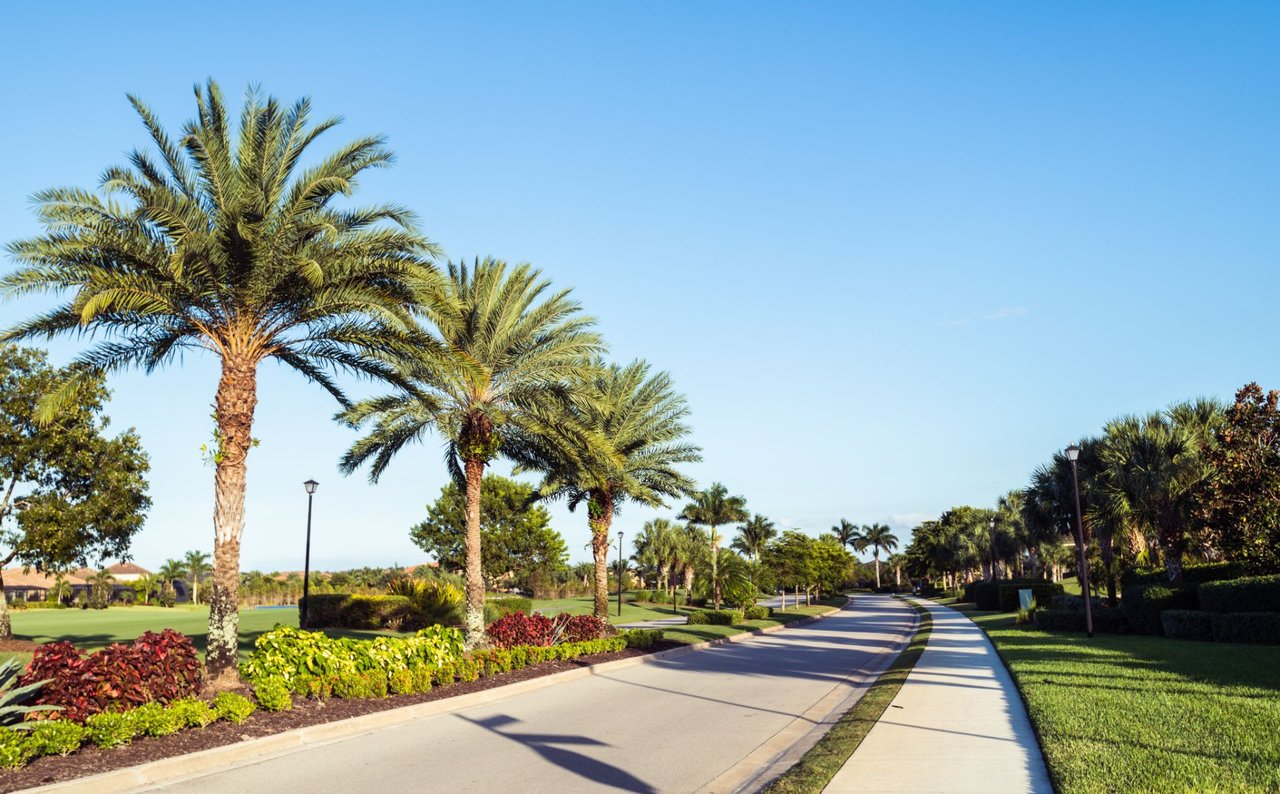
Florida has no state income tax, no state estate tax, and no state inheritance tax. For someone moving from California, where top marginal state rates approach the mid-teens, or New York City, where combined state and local taxes are similarly steep, eliminating that state burden is a meaningful, permanent saving. But Florida residents remain fully subject to U.S. federal income tax on all of their income, worldwide, exactly as before. Florida changes your state tax bill. It does nothing to your federal one.
Puerto Rico operates on an entirely different mechanism. As a U.S. territory with its own tax system, Puerto Rico offers, through the Act 60 Resident Investor decree, the potential for dramatically reduced or eliminated tax on Puerto Rico-sourced passive income, and because bona fide residents of Puerto Rico are generally not subject to U.S. federal income tax on their Puerto Rico-sourced income, the savings can reach the federal level in a way no U.S. state can replicate. This is the entire reason Puerto Rico draws the buyers it does. It is not a slightly better Florida. It is a structurally different proposition.
What Puerto Rico's Act 60 Actually Offers in 2026 The Act 60 Individual Resident Investor decree is the centerpiece. For qualifying bona fide residents holding a valid decree, Puerto Rico-sourced interest, dividends, and capital gains realized after establishing residency have historically been taxed at 0 percent, and for U.S. citizens, that Puerto Rico-sourced passive income is also generally outside the reach of federal income tax.
The program changed meaningfully in 2026. Under legislation enacted that year, the Resident Investor program was extended through 2055, providing long-term certainty, but the headline 0 percent rate now comes with a deadline. Applicants who submit their decree application on or before December 31, 2026 lock in the current 0 percent structure on qualifying interest, dividends, and post-residency capital gains through 2035. Applications submitted on or after January 1, 2027 face a 4 percent rate on those same categories, still extraordinarily favorable by mainland standards, but no longer zero. Post-2026 applicants also face tighter requirements, including demonstrating they were not Puerto Rico residents for at least six years before relocating, and recorded ownership of Puerto Rico real estate as a primary residence. Existing decree holders are grandfathered and unaffected.
That deadline is why 2026 is generating real urgency among relocation-minded buyers, and why the real estate decision matters, since the decree requires acquiring a Puerto Rico primary residence within two years. What Each Destination Asks in Return Tax relief is never free of conditions, and the conditions are where the two diverge most sharply.
Florida asks relatively little. Establish genuine residency, spend your time there, and the state tax benefit follows. There is no decree, no application, no passive-income structuring requirement, no minimum-days test unique to a tax program. You remain in the continental U.S., with the full mainland infrastructure of airports, hospitals, schools, and proximity to family and business that implies. For many wealthy retirees and remote professionals, Florida is simply the path of least resistance.
Puerto Rico asks considerably more. Act 60's benefits depend on establishing and maintaining bona fide residency, which generally requires being present in Puerto Rico for at least 183 days per year, making the island your tax home, and demonstrating closer connections to Puerto Rico than to anywhere else. It requires actually living on an island, with the lifestyle adjustments that involves, the purchase of a primary residence, and ongoing compliance. It is a genuine relocation, not a mailbox change. The IRS has also increased scrutiny of taxpayers claiming Puerto Rico benefits, which makes proper structuring and authentic residency necessary rather than optional.
The Real Estate Dimension The property decision looks different in each. In Florida, buying real estate is a lifestyle and investment choice, supported by the homestead protections the state offers residents, but it is not a precondition of the tax benefit. In Puerto Rico, acquiring a primary residence is woven directly into the Act 60 framework, the decree requires it, and for post-2026 applicants the ownership must be recorded in the Property Registry. The home is not incidental to the tax strategy. It is part of it.
This is also where the markets themselves diverge. Florida's luxury markets, Miami, Palm Beach, Naples, are deep, liquid, globally benchmarked, and priced accordingly. Puerto Rico's luxury market is smaller, more relationship-driven, and in several segments still offers value that comparable Florida coastal property does not, particularly outside the established metro corridor. For a buyer whose relocation is partly an investment thesis, that difference is worth weighing.
So Where Do You Actually Save More?
The honest answer depends entirely on your income profile and willingness to relocate genuinely. For someone whose wealth generates substantial passive income, capital gains, dividends, interest, and who is prepared to make Puerto Rico a true home, the Act 60 structure can produce savings that Florida cannot approach, because it reaches the federal layer. For someone whose priority is eliminating state tax while staying firmly in the continental U.S., keeping mainland access, and avoiding the demands of island residency, Florida is the cleaner, simpler answer.
Neither is universally better. They solve different problems. The buyers who choose well are the ones who understand which problem they actually have, and who get qualified tax counsel before, not after, they commit.
Make the Real Estate Decision With Clarity
If Puerto Rico is on your list, the property decision and the tax decision are connected, and the 2026 deadline makes timing real. At InvEstate Puerto Rico, we work with relocating buyers and their CPAs and tax attorneys to align the right primary residence with the Act 60 strategy, across Dorado, Condado, Guaynabo, and the island's other luxury markets. Contact us to understand what the real estate side of a Puerto Rico move actually requires, and how it compares to the Florida alternative you may also be weighing.
Frequently Asked Questions Is Puerto Rico or Florida better for high-net-worth tax savings?
It depends on your income and willingness to relocate genuinely. Florida eliminates state income tax but leaves federal tax untouched. Puerto Rico, through an Act 60 decree and bona fide residency, can reduce or eliminate tax on Puerto Rico-sourced passive income at both the Puerto Rico and U.S. federal level, savings no state can match, but requires authentic island residency. Florida is simpler; Puerto Rico can be far more powerful for the right profile.
Does Florida have an estate or inheritance tax? No. Florida has no state income tax, no state estate tax, and no state inheritance tax, which is part of its appeal for wealthy residents. Federal estate tax rules still apply regardless of state.
What is the Act 60 tax rate in Puerto Rico in 2026? Applicants who file their Individual Resident Investor decree application on or before December 31, 2026 lock in a 0 percent rate on qualifying interest, dividends, and post-residency capital gains through 2035. Applications filed on or after January 1, 2027 are subject to a 4 percent rate on those categories. Existing decree holders are grandfathered under their original terms.
Do I have to buy property in Puerto Rico to get Act 60 benefits? Yes. The Individual Resident Investor decree requires acquiring a Puerto Rico primary residence within two years of obtaining the decree. For applicants after 2026, that ownership must be recorded in the Puerto Rico Property Registry. In Florida, by contrast, property ownership is not a precondition of the state tax benefit.
How long do I have to live in Puerto Rico to qualify for Act 60? Act 60 benefits depend on bona fide Puerto Rico residency, which generally requires being present on the island at least 183 days per year, making Puerto Rico your tax home, and maintaining closer connections to Puerto Rico than elsewhere. It is a genuine relocation, not a part-time arrangement.
Can I keep my U.S. federal tax savings if I move to Florida instead?
No. Florida residents remain fully subject to U.S. federal income tax on all income. Florida only eliminates state income tax. The federal-level savings available through Puerto Rico's bona fide residency framework are not replicable in any U.S. state.
Two Paths, One Honest Conversation InvEstate Puerto Rico helps relocating buyers weigh the real estate and lifestyle realities of a Puerto Rico move, including against the Florida alternative, with the data and the candor the decision deserves. Contact us to start that conversation, and always confirm tax specifics with qualified Puerto Rico tax counsel.
https://investatepr.com/blog/puerto-rico-act-60-changes-in-2026-new-4-investor-tax-explained
Stay up to date on the latest real estate trends.

Condado · Relocation · Buyer Guides · Puerto Rico Real Estate
What Buyers Should Know About Walkability, Schools, Healthcare, Condos, Transportation and Choosing the Right Property Before Moving to Condado

Act 13-2026 gives you a deadline to see the building rules. Act 157-2026 moves disputes out of DACO and into the courts.

Condado · Buyer Guides · Luxury Real Estate · Puerto Rico Real Estate
How Views, Exposure, Location, Noise, Walkability and Resale Position Differ Across Condado’s Two Waterfronts

Condado · Buyer Guides · Puerto Rico Real Estate · Luxury Real Estate
HOA Fees, Insurance, Property Taxes, Assessments and the Expenses Buyers Should Understand Before Purchasing in Condado

LUXURY COMMUNITIES
44 residences from $1.2M between Garden Hills and San Patricio. What $818 per square foot means if you are buying, and what it changes if you already own in the area.

LUXURY COMMUNITIES
Forty Stellar MLS closed sales across eight communities, from $136 to $3,110 per square foot, what sellers actually accept, and what the maintenance fee adds.

LUXURY COMMUNITIES
Condado and Isla Verde in San Juan, West Beach and Costa Dorada in Dorado, and Bahía Beach, Rio Mar and Coco Beach in Río Grande: closed-sale prices, buildings, fees a… Read more
Condado · Buyer Guides · New Developments · Luxury Real Estate
How to Compare Pricing, Amenities, HOA Costs, Market Evidence and Long-Term Value Before Buying a Condo in Condado

Condado · New Developments · Luxury Real Estate · Buyer Guides
A Buyer’s Guide to 1120 Ashford Avenue, New Construction, Pricing and How The ICON Fits Into Condado’s Changing Luxury Market
We connect discerning buyers and sellers with the island’s most exclusive real estate opportunities. Our expertise and network ensure seamless transactions for both relocation under Act 60 and the sale of distinguished estates. We combine discretion, strategy, and global reach to represent your interests with excellence.