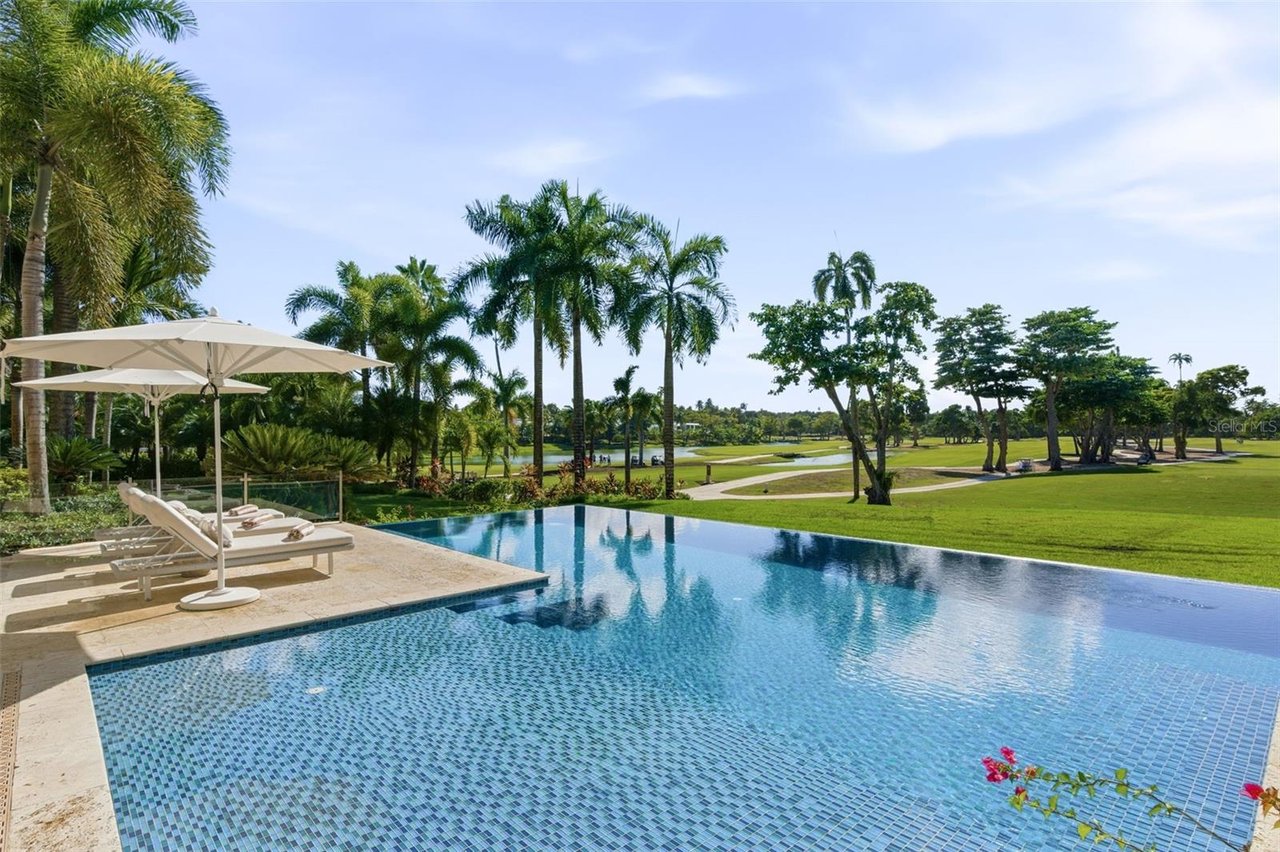
The Act 60 Property Purchase Requirement Explained: The Two-Year Rule
Buyers Guide, Act 60, Tax Incentives, Relocation, Puerto Rico Real Estate Lizvette Robles July 3, 2026
Buyers Guide, Act 60, Tax Incentives, Relocation, Puerto Rico Real Estate Lizvette Robles July 3, 2026
Most discussion of Act 60 focuses on the tax benefits, the preferential rates on interest, dividends, and capital gains that draw high-net-worth individuals to Puerto Rico. Far less attention goes to one of the decree's firmest obligations: the requirement to purchase a primary residence on the island. For Individual Resident Investor decree holders, buying property is not an optional lifestyle decision. It is a compliance requirement with a deadline attached, and misunderstanding it can put the entire benefit at risk.
This guide explains the property purchase requirement in plain terms, what it requires, when the clock starts, what changed for 2026 and beyond, and why the real estate decision deserves the same care as the tax planning. It is educational rather than legal advice, and the specifics of any individual situation belong with qualified Puerto Rico counsel. The Requirement in Plain Terms
To maintain the Individual Resident Investor decree, the holder must acquire residential real estate in Puerto Rico to serve as their primary residence. This is a core condition of the decree itself, part of the framework's design, which is intended to ensure that the individuals receiving Puerto Rico's tax benefits are genuinely establishing themselves on the island and contributing to its economy through real, rooted relocation rather than a paper presence.
The purchase must be a primary residence. A vacation property held alongside a mainland home, or an investment property the holder never lives in, does not satisfy the requirement. The decree contemplates a genuine home in Puerto Rico, occupied as the holder's principal place of residence, consistent with the bona fide residency the rest of the program requires.
The Two-Year Clock The timing is specific. The property must be acquired within two years of obtaining the decree. The clock starts when the decree is granted, not when the application is filed, not when the individual first visits the island, and not on some open-ended timeline. From the moment the decree is in hand, the holder has a defined window to complete the purchase.
https://investatepr.com/blog/puerto-rico-act-60-changes-in-2026-new-4-investor-tax-explained
This is more consequential than it sounds, because Puerto Rico real estate transactions are not always fast. Title verification, CRIM records, permit confirmation, financing if applicable, and the realities of a smaller, relationship-driven luxury market can extend a purchase timeline considerably, especially for buyers searching for the right property rather than settling for whatever is available. A decree holder who treats the two-year window as ample and waits a year before starting the search can find themselves rushing a major purchase under deadline pressure, exactly the conditions under which buyers overpay or overlook problems. The practical reality is that the search should begin early, ideally well before or immediately upon receiving the decree.
What Changed for 2026 and Beyond The 2026 legislative changes to Act 60 sharpened the property requirement for future applicants. Under the updated framework, the program was extended through 2055, but new conditions were layered onto applications filed after the December 31, 2026 deadline.
For these post-2026 applicants, the property ownership must be recorded, or pending recording, in the Puerto Rico Property Registry. This formalizes the requirement in a way that demands attention to the registration process, which in Puerto Rico is a distinct legal step handled through a notary and the Registry, not merely the act of closing. Post-2026 applicants also face a new residency-history condition: they must demonstrate that they were not Puerto Rico residents for at least six years before relocating. Applicants who secure their decree on or before December 31, 2026 lock in the current structure, including the more favorable 0 percent rate on qualifying income, and are not subject to the new prior-residency requirement.
The interaction between the application deadline and the property requirement is what makes 2026 so active. Individuals racing to file before year-end to capture the 0 percent rate also need to plan for the primary-residence purchase that the decree will require, which means the real estate decision and the tax decision are running on parallel tracks, and neither should be left to the last moment. Why the Real Estate Decision Deserves Real Care
Because the purchase is mandatory, there is a temptation to treat it as a box to check, find something that qualifies, close, satisfy the requirement. That approach often produces regret. The primary residence is, after all, where the decree holder will actually live for at least 183 days a year as part of maintaining bona fide residency. It is also a significant capital commitment in a market where the wrong purchase is expensive to unwind. The requirement and the lifestyle decision are the same decision, and they reward being made well rather than merely quickly.
The strongest approach treats the property purchase as integral to the relocation, not a compliance afterthought: starting the search early, working with a real estate advisor who understands the Act 60 context and the documentation standards the decree implies, and coordinating with the tax and legal professionals managing the decree itself. Clean title and proper Registry recording matter doubly here, because they satisfy both good real estate practice and, for post-2026 applicants, the decree's own recording requirement.
Plan the Purchase Alongside the Decree At InvEstate Puerto Rico, we work with Act 60 buyers and their CPAs and attorneys to ensure the primary-residence purchase is handled correctly and on time, the right property, properly documented and recorded, within the window the decree requires. If you hold a decree, are applying before the 2026 deadline, or are planning a Puerto Rico relocation, contact us early. The two-year clock rewards buyers who start the search well ahead of the pressure.
Frequently Asked Questions Do I have to buy property to qualify for Act 60 in Puerto Rico? Yes. The Individual Resident Investor decree requires acquiring residential real estate in Puerto Rico to serve as your primary residence. It is a core condition of the decree, designed to ensure genuine relocation. A vacation or investment property you do not live in does not satisfy the requirement.
How long do I have to buy a home after getting my Act 60 decree? Two years from the date the decree is granted. The clock starts when the decree is obtained, not when you apply. Because Puerto Rico real estate transactions can take time, advisors generally recommend beginning the property search early rather than waiting.
Does the Act 60 property have to be my primary residence? Yes. The requirement specifically calls for a primary residence, the home you actually occupy as your principal residence in Puerto Rico, consistent with the bona fide residency the program requires. A second home held alongside a mainland primary residence does not meet the condition.
What changed about the Act 60 property requirement in 2026? For applicants filing after December 31, 2026, the property ownership must be recorded or pending recording in the Puerto Rico Property Registry, and applicants must show they were not Puerto Rico residents for at least six years before relocating. Those who secure their decree by the 2026 deadline lock in the current structure, including the more favorable rate, without the new prior-residency condition.
What happens if I don't buy property within the two-year window? Failing to meet a decree's conditions can put the associated tax benefits at risk. Because the consequences depend on the specific decree and circumstances, any holder concerned about meeting the deadline should consult their Act 60 legal and tax advisors promptly rather than letting the window lapse.
Should I start looking for property before my Act 60 decree is approved? In most cases, yes. Given that Puerto Rico transactions can take time and the strongest luxury inventory is limited, beginning the search early, even before the decree is in hand, helps ensure the right property is secured comfortably within the two-year window rather than under deadline pressure.
Buy the Right Home, On Time InvEstate Puerto Rico helps Act 60 decree holders satisfy the primary-residence requirement the right way, coordinating with your tax and legal team to secure a well-chosen, properly documented home within the decree's window. Contact us early in your relocation, and let the two-year clock work in your favor.
Related: where Act 60 buyers actually buy in Puerto Rico, and how a purchase here differs from one on the mainland.
Stay up to date on the latest real estate trends.
Condado · Relocation · Buyer Guides · Puerto Rico Real Estate
What Buyers Should Know About Walkability, Schools, Healthcare, Condos, Transportation and Choosing the Right Property Before Moving to Condado

Act 13-2026 gives you a deadline to see the building rules. Act 157-2026 moves disputes out of DACO and into the courts.
Condado · Buyer Guides · Luxury Real Estate · Puerto Rico Real Estate
How Views, Exposure, Location, Noise, Walkability and Resale Position Differ Across Condado’s Two Waterfronts
Condado · Buyer Guides · Puerto Rico Real Estate · Luxury Real Estate
HOA Fees, Insurance, Property Taxes, Assessments and the Expenses Buyers Should Understand Before Purchasing in Condado

LUXURY COMMUNITIES
44 residences from $1.2M between Garden Hills and San Patricio. What $818 per square foot means if you are buying, and what it changes if you already own in the area.

LUXURY COMMUNITIES
Forty Stellar MLS closed sales across eight communities, from $136 to $3,110 per square foot, what sellers actually accept, and what the maintenance fee adds.
LUXURY COMMUNITIES
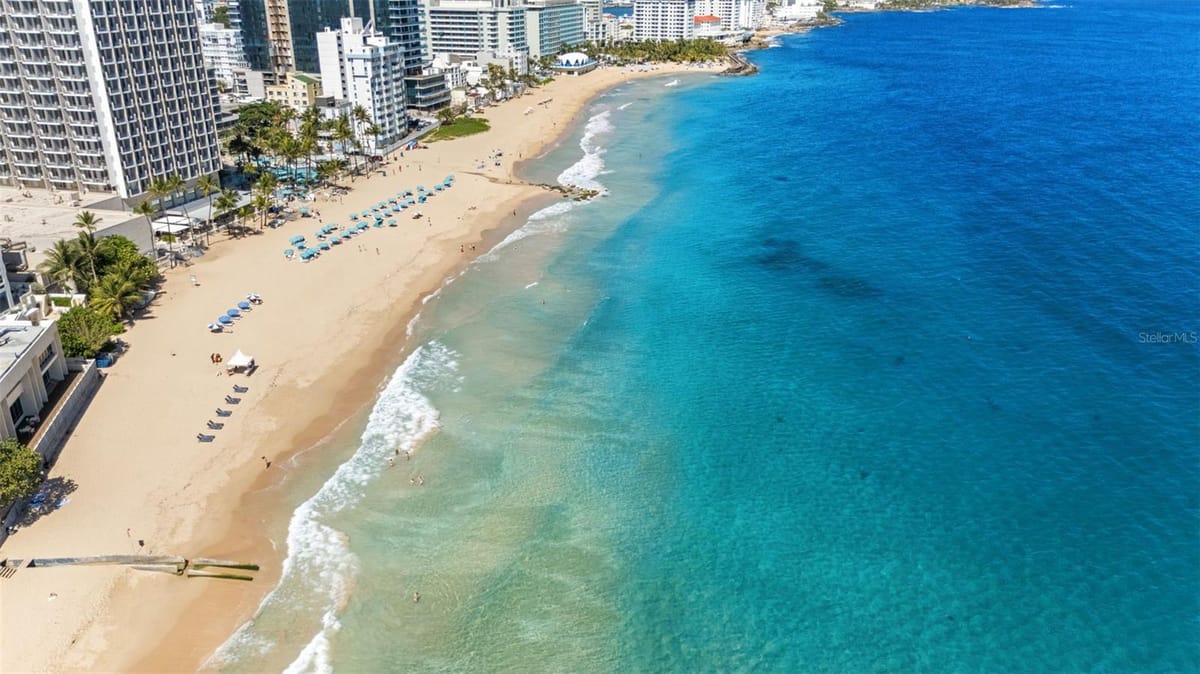
Condado and Isla Verde in San Juan, West Beach and Costa Dorada in Dorado, and Bahía Beach, Rio Mar and Coco Beach in Río Grande: closed-sale prices, buildings, fees a… Read more
Condado · Buyer Guides · New Developments · Luxury Real Estate
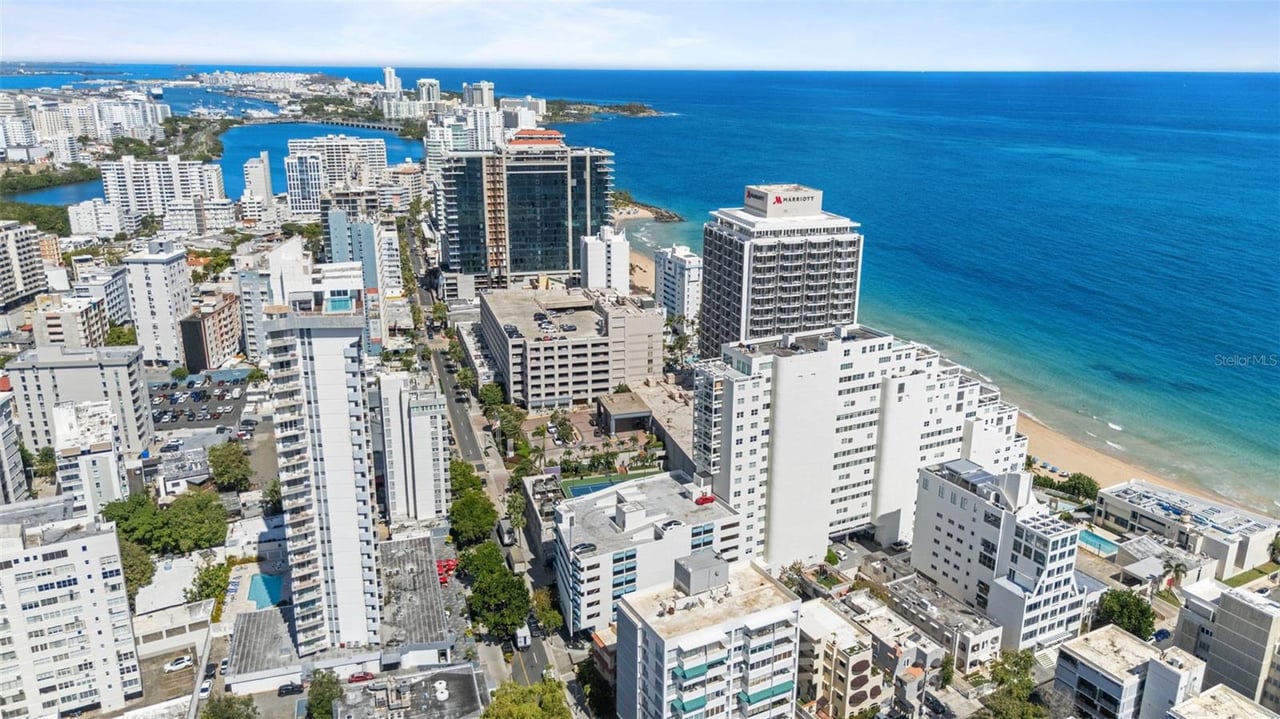
How to Compare Pricing, Amenities, HOA Costs, Market Evidence and Long-Term Value Before Buying a Condo in Condado
Condado · New Developments · Luxury Real Estate · Buyer Guides
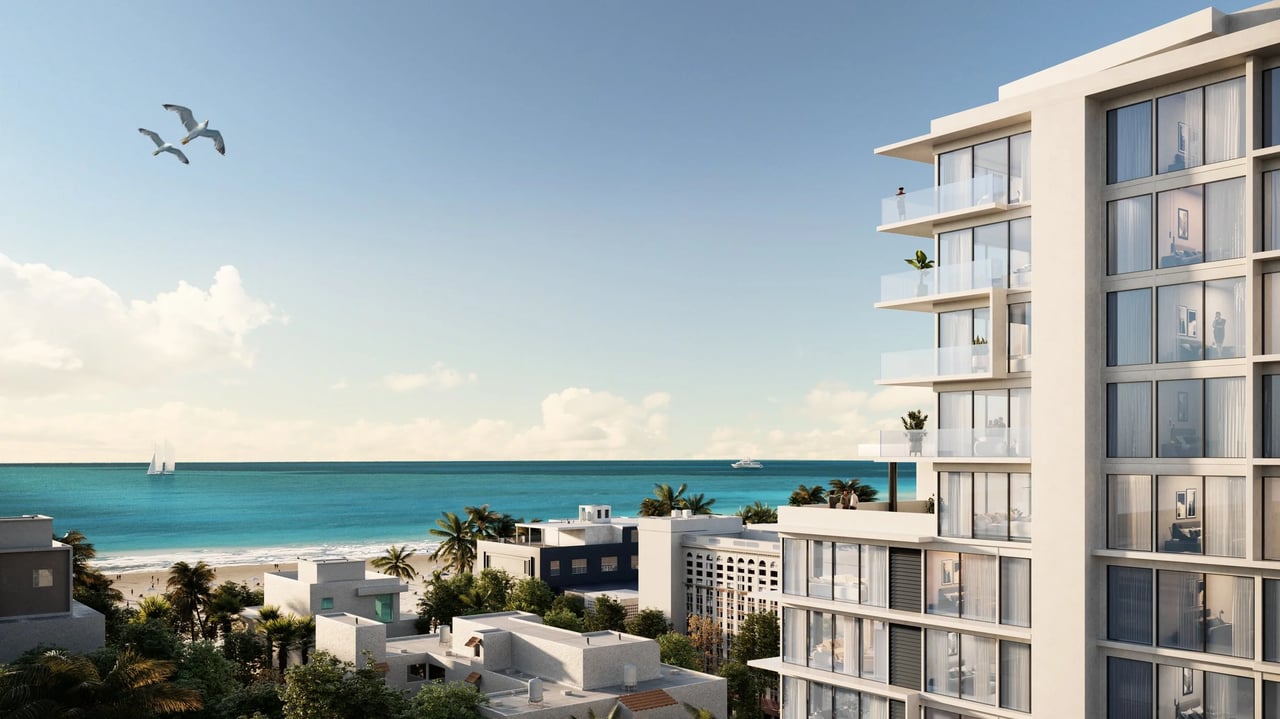
A Buyer’s Guide to 1120 Ashford Avenue, New Construction, Pricing and How The ICON Fits Into Condado’s Changing Luxury Market
We connect discerning buyers and sellers with the island’s most exclusive real estate opportunities. Our expertise and network ensure seamless transactions for both relocation under Act 60 and the sale of distinguished estates. We combine discretion, strategy, and global reach to represent your interests with excellence.