How Much Should You Spend on Property in Puerto Rico? What Smart Buyers Actually Do
Act 60 Relocation Lizvette Robles May 20, 2026
Act 60 Relocation Lizvette Robles May 20, 2026
There is a question most buyers ask when they begin exploring the Puerto Rico market, and it is the wrong one. "How much can I afford?" is a financing question. It tells you what a lender will approve or what your liquidity allows. What it does not tell you is how to structure that capital in a way that gives you freedom, flexibility, and control long after the closing.
Buyers who relocate to Puerto Rico, whether under Act 60 or simply drawn by the lifestyle and the market, are making a decision that goes well beyond square footage and price per square foot. They are restructuring how they live. And that requires a different kind of financial thinking.
Puerto Rico is not a difficult market to enter. But it is a market that rewards preparation.
Unlike purchasing a turnkey condominium in a major U.S. city, buying property here often involves a set of considerations that mainland buyers do not anticipate. Infrastructure is one. Backup power systems, water cisterns, and generator setups are standard features in well-prepared homes, and a significant variable in properties that do not yet have them. Insurance is another. Premiums differ considerably between a beachfront residence in Dorado, a hillside estate in Guaynabo, and a historic property in Old San Juan, and they do not always behave predictably from year to year.
Then there is the question of customization. Many of the finest properties in Puerto Rico were built for a different era or a different owner. Adapting them, whether that means renovating a colonial-era home in the historic district or upgrading the finishes in a newer condominium, requires capital that has nothing to do with the purchase price.
Sophisticated buyers account for all of this before they make an offer.
The most prepared buyers we work with at InvEstate PR approach their budget in three distinct layers, each serving a different purpose. The first is the acquisition budget, what they are willing to spend on the property itself. The important distinction here is that this number is not their maximum. It is their target range, set deliberately below their ceiling so that room exists to negotiate, to move quickly when the right property appears, and to absorb unexpected variables without stress.
The second is the adjustment budget. This covers everything required to make the property fully livable and aligned with their lifestyle: renovations, furnishings, infrastructure upgrades, and the inevitable surprises that come with any real estate transition. In Puerto Rico, this layer deserves more attention than most buyers give it. A property that looks complete on paper may require meaningful investment before it feels like home.
The third is the operational budget, the ongoing cost of ownership once the transaction is closed. Insurance, HOA fees where applicable, maintenance, utilities, and any staffing or property management considerations all belong here. This is the layer most commonly underestimated by buyers coming from the mainland, and the one that most often creates friction in the first year of ownership.
There is a version of this purchase that many buyers imagine: finding the best property the market has to offer at the absolute top of their range, negotiating hard, and closing. It feels decisive. In practice, it tends to leave buyers with very little room to maneuver.
A buyer who has committed their full capital to the acquisition has, in effect, borrowed against their future flexibility. Minor repairs become decisions. Upgrades become debates. And when a better opportunity appears, as it often does, they are not in a position to act on it.
The buyers who fare best in this market are not the ones who spend the most. They are the ones who maintain optionality. They arrive at the closing table with reserves, with a clear plan for the first twelve months of ownership, and with the knowledge that they made a considered decision rather than an emotional one.
The most common misstep we see is a direct comparison between Puerto Rico and U.S. mainland markets. The pricing can look familiar, in some cases, even favorable, and buyers assume that what is true about costs in Miami or New York is roughly true here. It is not.
The cost of ownership in Puerto Rico has its own logic. Certain materials cost more because of import logistics. Certain locations carry significantly higher insurance exposure. Certain property types require a level of ongoing maintenance that a comparable property in a temperate climate would not. None of this makes Puerto Rico a difficult place to own property. But it does make accurate preparation necessary.
For Act 60 buyers, there is an additional layer to consider: the operational and compliance structure that surrounds the tax incentive itself. How a property is held, how expenses are categorized, and how the purchase aligns with your decree requirements are all questions worth answering before, not after, you sign.
The best acquisition is not the most expensive property you can afford. It is the one that gives you control, over your lifestyle, your finances, and your future options, from the first day you own it. That kind of purchase requires clarity before it requires a transaction. It requires a team that understands not just the inventory, but the full picture of what it costs and what it takes to own well in this market.
At InvEstate Puerto Rico, we work with buyers who are serious about getting this right, from the first conversation through the closing and beyond. If you are evaluating a move to Puerto Rico and want to approach it with the same rigor you would apply to any major capital decision, we would welcome the opportunity to speak with you. Contact InvEstate PR to schedule a consultation.
Frequently Asked Questions How much should I realistically budget beyond the purchase price? It depends on the property type and condition, but buyers working with us typically plan for an adjustment budget of 10–20% of the purchase price, in addition to reserves for the first year of operational costs. Is it worth buying at the top of my range if I find the right property? In most cases, no. Preserving flexibility after the purchase tends to produce better outcomes than maximizing the acquisition itself.
What costs do mainland buyers most often overlook? Insurance, particularly for coastal or historic properties, tends to be the largest surprise. Infrastructure investments and the cost of customization are close behind.
Stay up to date on the latest real estate trends.
Condado · Buyer Guides · Puerto Rico Real Estate · Luxury Real Estate
HOA Fees, Insurance, Property Taxes, Assessments and the Expenses Buyers Should Understand Before Purchasing in Condado

LUXURY COMMUNITIES
44 residences from $1.2M between Garden Hills and San Patricio. What $818 per square foot means if you are buying, and what it changes if you already own in the area.
LUXURY COMMUNITIES
Forty Stellar MLS closed sales across eight communities, from $136 to $3,110 per square foot, what sellers actually accept, and what the maintenance fee adds.
LUXURY COMMUNITIES
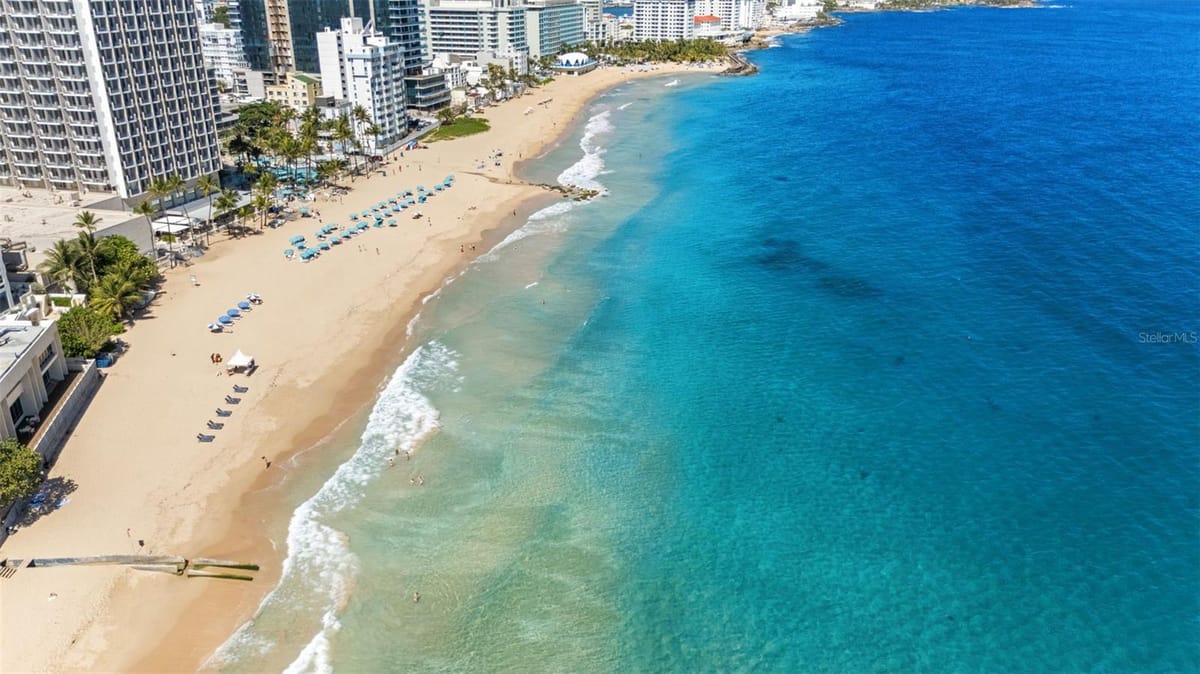
Condado and Isla Verde in San Juan, West Beach and Costa Dorada in Dorado, and Bahía Beach, Rio Mar and Coco Beach in Río Grande: closed-sale prices, buildings, fees a… Read more
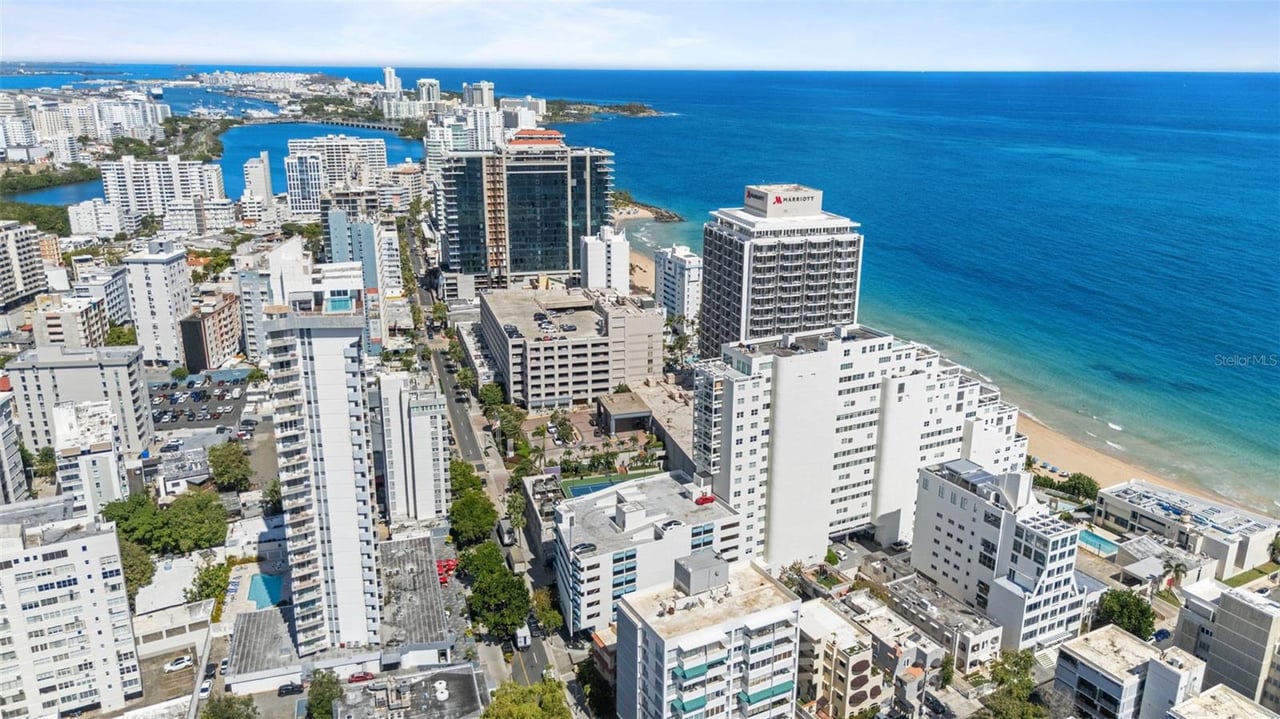
Condado · Buyer Guides · New Developments · Luxury Real Estate
How to Compare Pricing, Amenities, HOA Costs, Market Evidence and Long-Term Value Before Buying a Condo in Condado
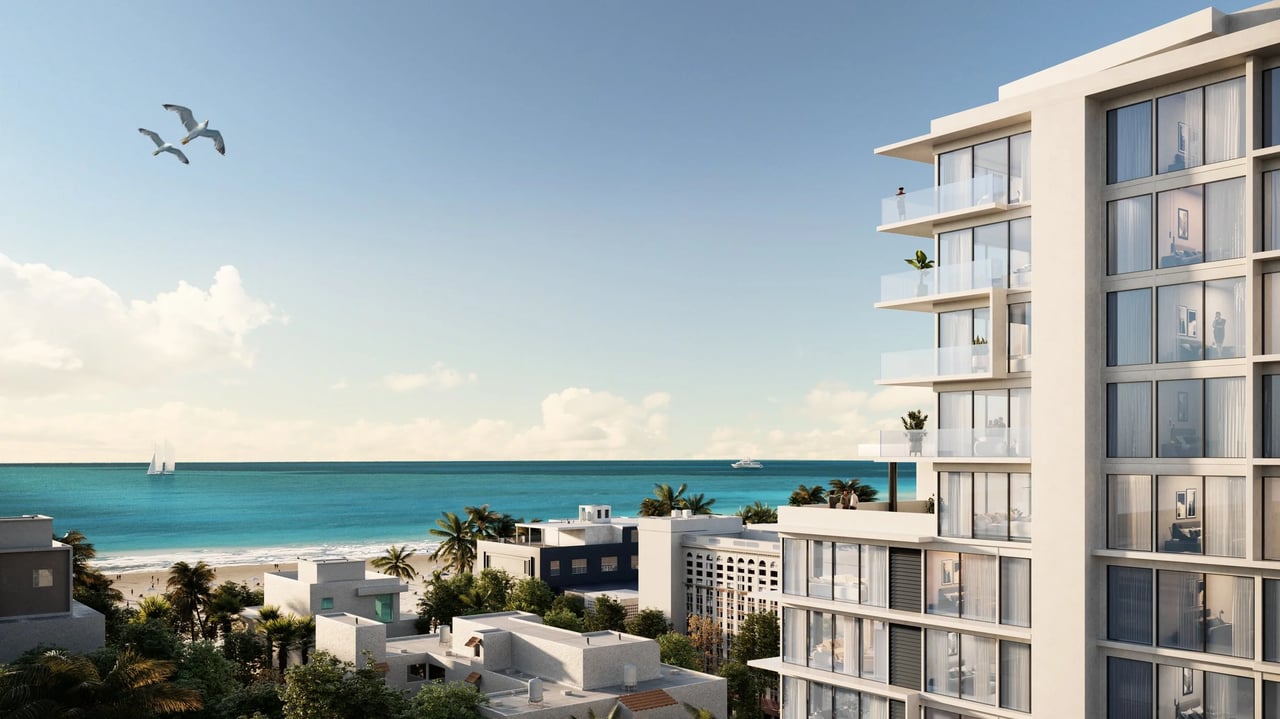
Condado · New Developments · Luxury Real Estate · Buyer Guides
A Buyer’s Guide to 1120 Ashford Avenue, New Construction, Pricing and How The ICON Fits Into Condado’s Changing Luxury Market
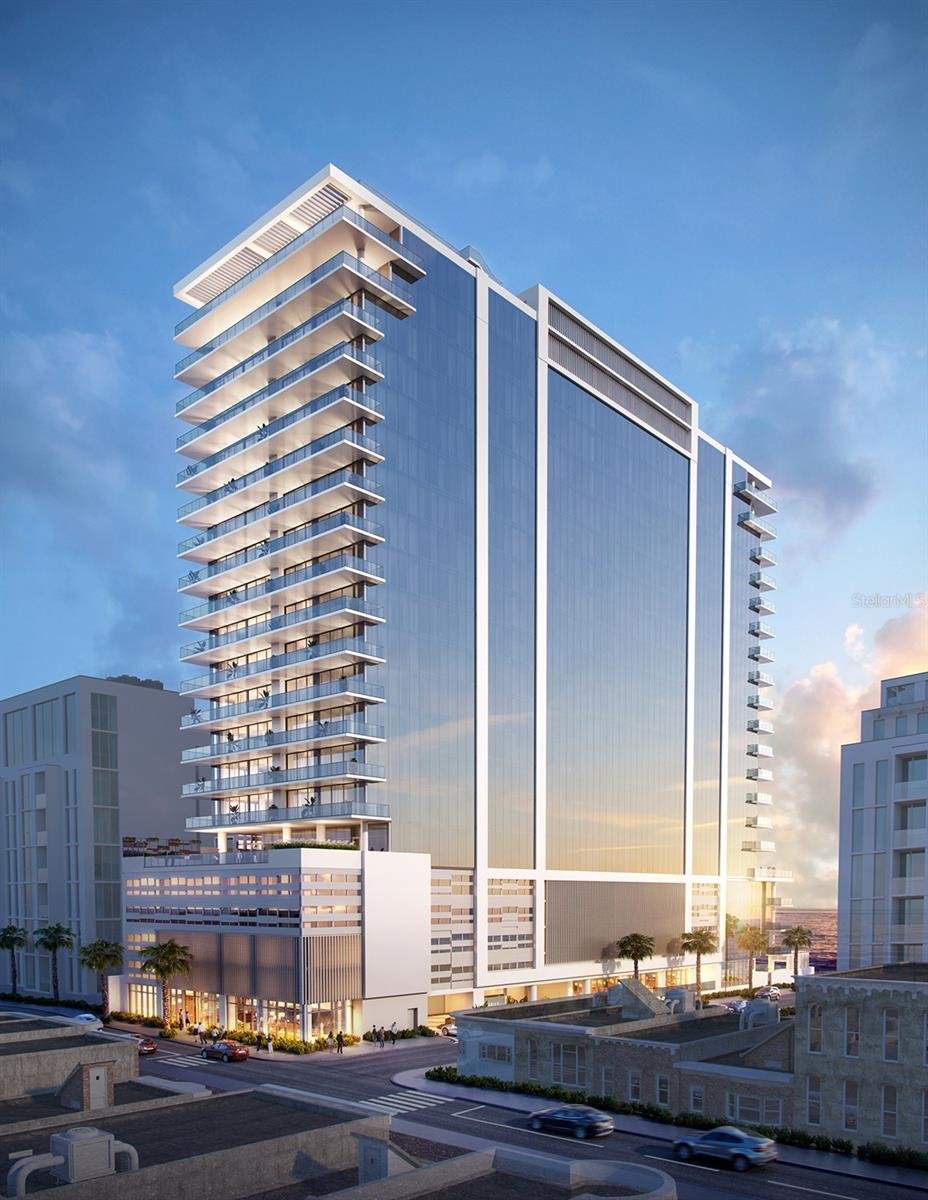
Condado, New Developments, Luxury Real Estate, Buyer Guides
A Buyer’s Guide to Condado’s New Oceanfront Luxury Development, Amenities, Pricing and Market Position

MARKET ANALYSIS
60 Closed Sales, $73.9M in Volume — and a New Generation of Luxury Development Is Reshaping Condado
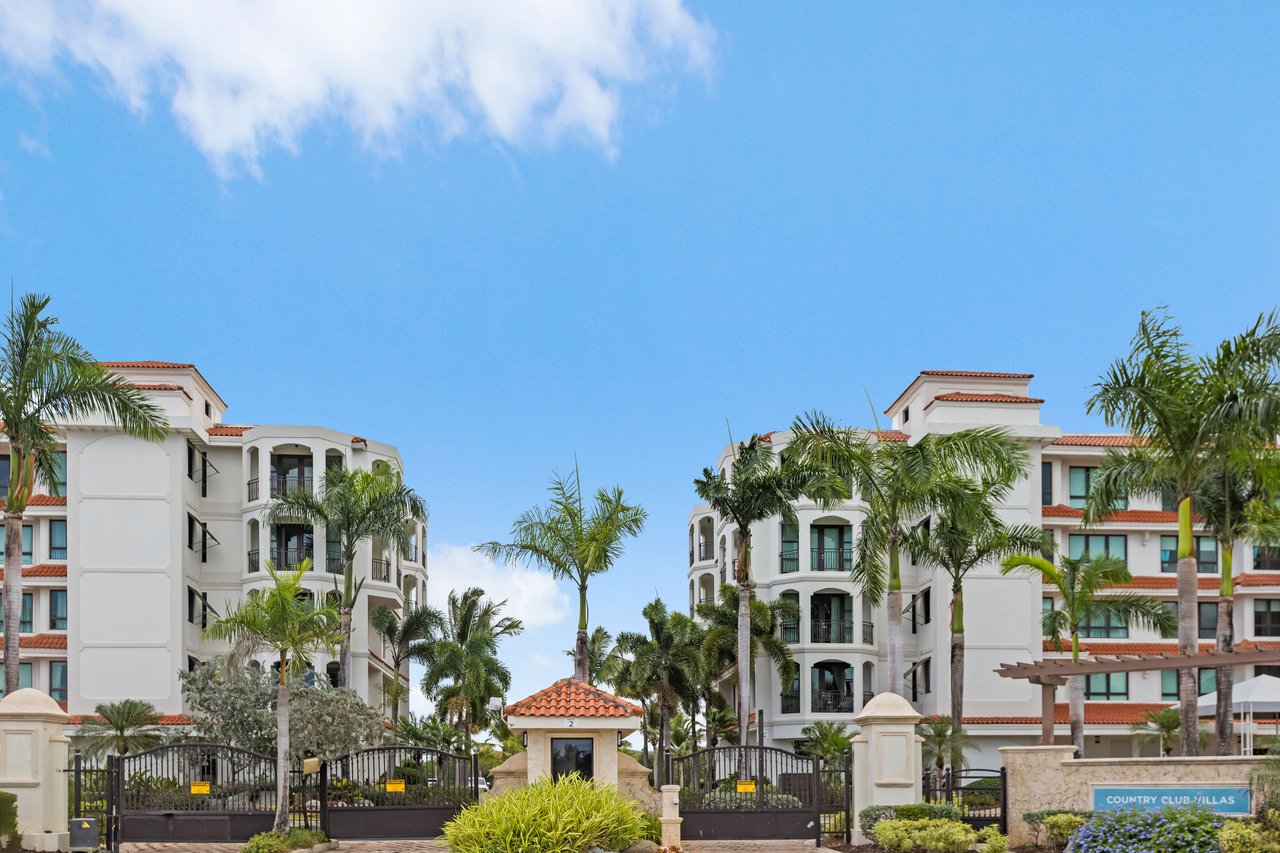
Puerto Rico Buying Guides
HOA structures, insurance, backup infrastructure, rental restrictions, resort privileges and comparable sales can matter as much as the view. Here’s what buyers should… Read more
We connect discerning buyers and sellers with the island’s most exclusive real estate opportunities. Our expertise and network ensure seamless transactions for both relocation under Act 60 and the sale of distinguished estates. We combine discretion, strategy, and global reach to represent your interests with excellence.