
Walkable Living vs Private Communities in Puerto Rico: What Buyers Choose and Why
Lifestyle Lizvette Robles May 21, 2026
Lifestyle Lizvette Robles May 21, 2026
Walkable or Private? How Act 60 Buyers Should Really Think About Where to Live in Puerto Rico There is a decision that almost every buyer relocating to Puerto Rico under Act 60 makes too quickly, and it is not which property to buy. It is where, in the most practical, daily sense of the word, they are going to live.
Most buyers who visit the island spend a few days in Condado, walk to dinner, enjoy the energy of the city, and leave thinking they have found their neighborhood. Others tour a gated community in Dorado, feel the quiet, see the space, and decide that is the life they want. Both conclusions are reasonable. Neither is complete.
The question is not which lifestyle looks better on a weekend visit. It is which one you will actually want on a Tuesday morning, six months after you have moved.
Buyers who move to Puerto Rico under Act 60 are not vacationers. They are not maintaining a second home they visit four times a year. They are restructuring their lives, their taxes, their residency, their daily environment, and the neighborhood they choose becomes the backdrop for all of it.
That changes the calculus significantly. A buyer who splits time between New York and a beach house in Condado can absorb the noise, the limited parking, and the smaller square footage because the stay is finite. A buyer who is establishing bona fide residency, spending the majority of their days in Puerto Rico, and building a life here needs something that holds up at full volume, not just during a long weekend.
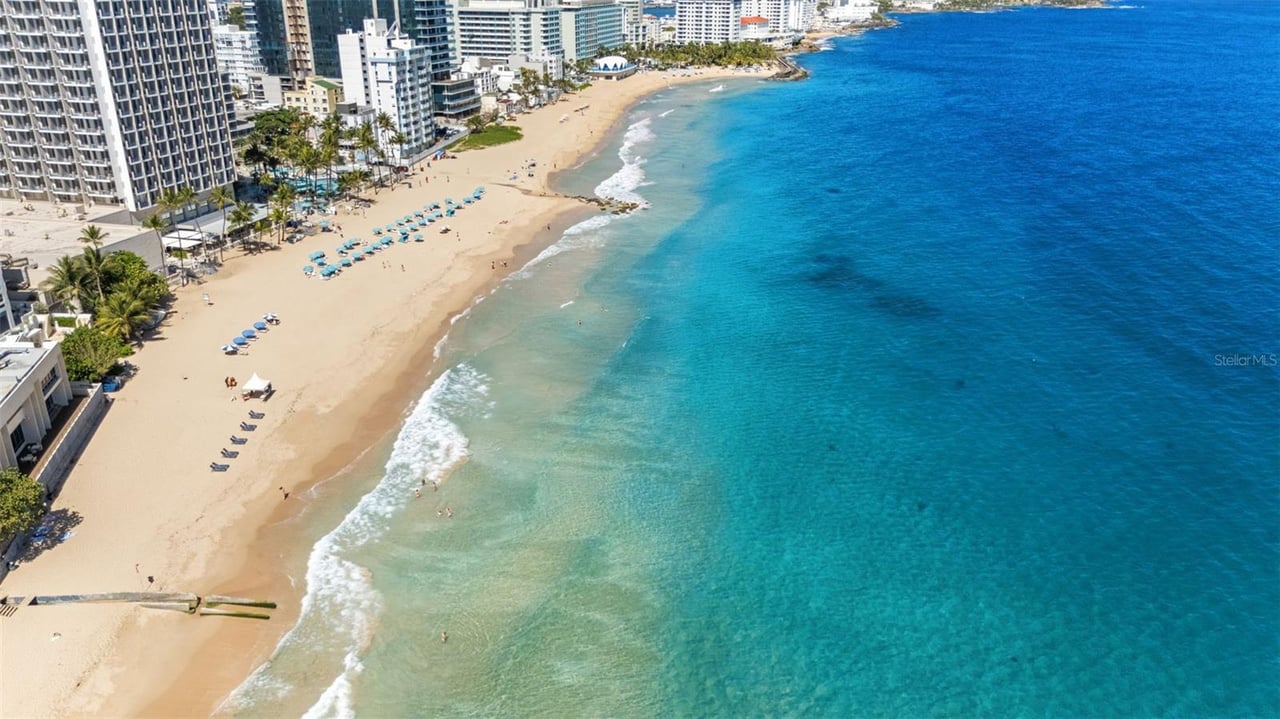
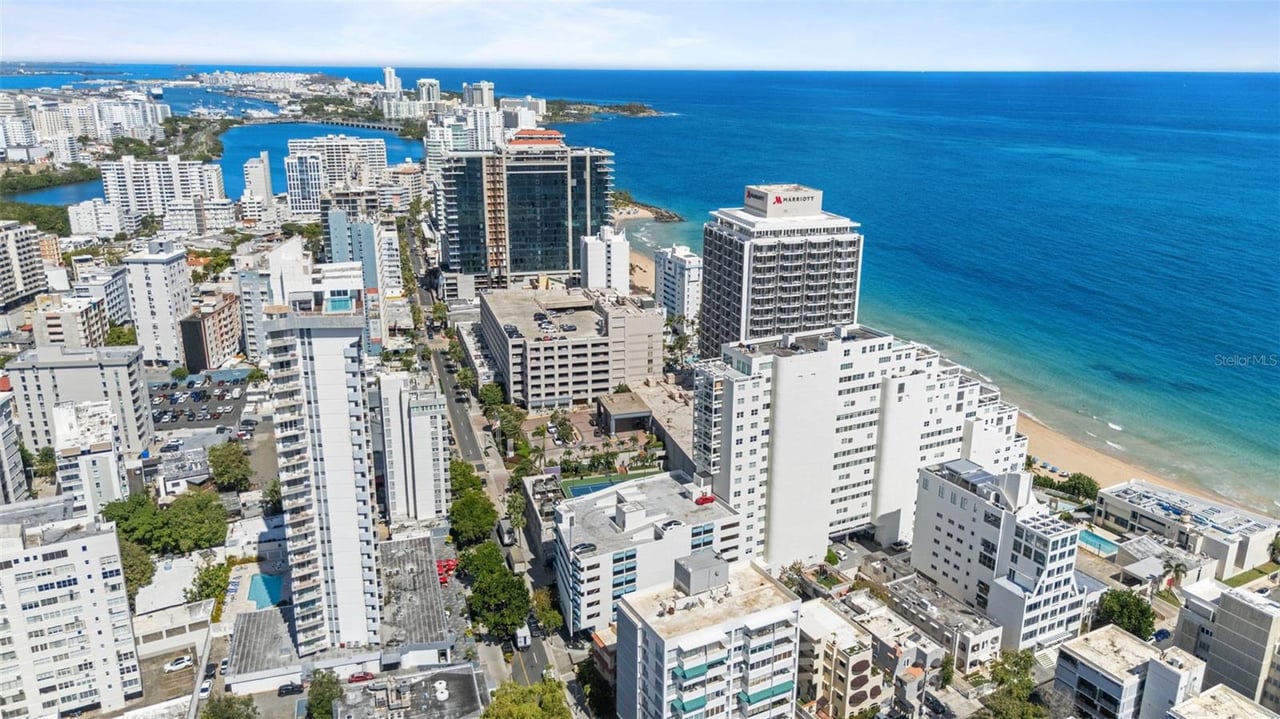
Condado is the most walkable neighborhood on the island, and genuinely so. Restaurants, cafes, hotels, pharmacies, and the beach are all within reach without a car. The energy is consistent. There is always something happening, and the proximity to services makes daily life convenient in ways that buyers coming from Miami, New York, or Chicago will immediately recognize.
For the right buyer, it is exceptional. For a single professional or a couple without children who values urban access, spontaneity, and the feeling of being close to everything, Condado delivers.
The trade-offs are real, however. Privacy is limited. Noise is part of the environment. Space, whether in the unit itself or in the surrounding area, is compressed. And for buyers who are accustomed to the scale and quiet of a home rather than a condominium, the adjustment can be more significant than expected.
The gated communities and residential enclaves outside of San Juan, Dorado Beach, Santa María, Montehiedra, and others across Guaynabo and the metro area, offer a fundamentally different experience. Controlled access, larger properties, quieter streets, and the kind of predictability that families and long-term residents tend to value.
For Act 60 buyers with families, or for those relocating from suburban environments and expecting to replicate something close to that quality of life, these areas tend to produce higher satisfaction over time. The space is real. The privacy is real. The community structure, schools, clubs, services, is built for residents, not visitors.
The trade-off is equally real: you will drive everywhere. Urban conveniences require planning. And if your lifestyle depends on spontaneous access to restaurants, culture, or the waterfront, the distance becomes a daily variable rather than an occasional inconvenience.
The buyers who make this decision well are not comparing neighborhoods on a map. They are asking a more honest question: how do I actually spend my days? If your work is remote and your social life is built around dinners, proximity to the water, and access to the kind of urban environment you left behind on the mainland, Condado and the urban corridor deserve serious consideration.
If your priority is space, quiet, a yard, a pool that is yours, and an environment where your children can move freely, a private community will serve you better, and the drive becomes a reasonable exchange. Where buyers consistently go wrong is choosing based on aesthetics during a short visit rather than on the honest texture of their daily life. A beautiful penthouse in Condado and a compound in Dorado are both extraordinary in the right context. In the wrong context, either one can feel like a mistake within a year.
Bona fide residency requirements under Act 60 mean that Puerto Rico is not a part-time arrangement. The IRS and the Puerto Rico Department of Economic Development take residency seriously, and the neighborhood you choose should reflect a life you can genuinely inhabit, not a version of the island that only makes sense during vacation mode. That is not a reason to limit your options. It is a reason to choose with clarity.
In Puerto Rico, walkable convenience and private space rarely coexist in the same property. You are almost always making a trade. The buyers who feel best about their decision are the ones who made that trade consciously, with a clear understanding of what they were choosing and what they were giving up.
That conversation is worth having before you make an offer, not after. At InvEstate Puerto Rico, we work with Act 60 buyers to align property decisions with the reality of daily life on the island, not just the highlights of a site visit. If you are evaluating where to live as part of your relocation, we would welcome the opportunity to walk through it with you.
Contact InvEstate Puerto Rico directly to start the conversation: investatepr.com/neighborhoods Frequently Asked Questions Is Condado the right choice for Act 60 buyers? It depends entirely on lifestyle. Condado works exceptionally well for buyers who value urban access and convenience. It tends to work less well for families or buyers expecting the space and quiet of a residential community.
Are private communities better for long-term Act 60 residency? For many buyers, yes, particularly those relocating with families or coming from suburban environments. The structure, space, and predictability tend to produce higher satisfaction over time.
Can I live in Condado and still meet Act 60 residency requirements? Yes. Residency is determined by presence and intent, not by neighborhood. What matters is that your lifestyle genuinely reflects bona fide residency in Puerto Rico.
How do I know which option is right for me before I move? The most reliable way is to spend meaningful time in both environments, not just a weekend, and to have an honest conversation with an advisor who knows both markets. That is exactly what we do at InvEstate Puerto Rico.
Stay up to date on the latest real estate trends.
Condado · Relocation · Buyer Guides · Puerto Rico Real Estate
What Buyers Should Know About Walkability, Schools, Healthcare, Condos, Transportation and Choosing the Right Property Before Moving to Condado

Act 13-2026 gives you a deadline to see the building rules. Act 157-2026 moves disputes out of DACO and into the courts.
Condado · Buyer Guides · Luxury Real Estate · Puerto Rico Real Estate
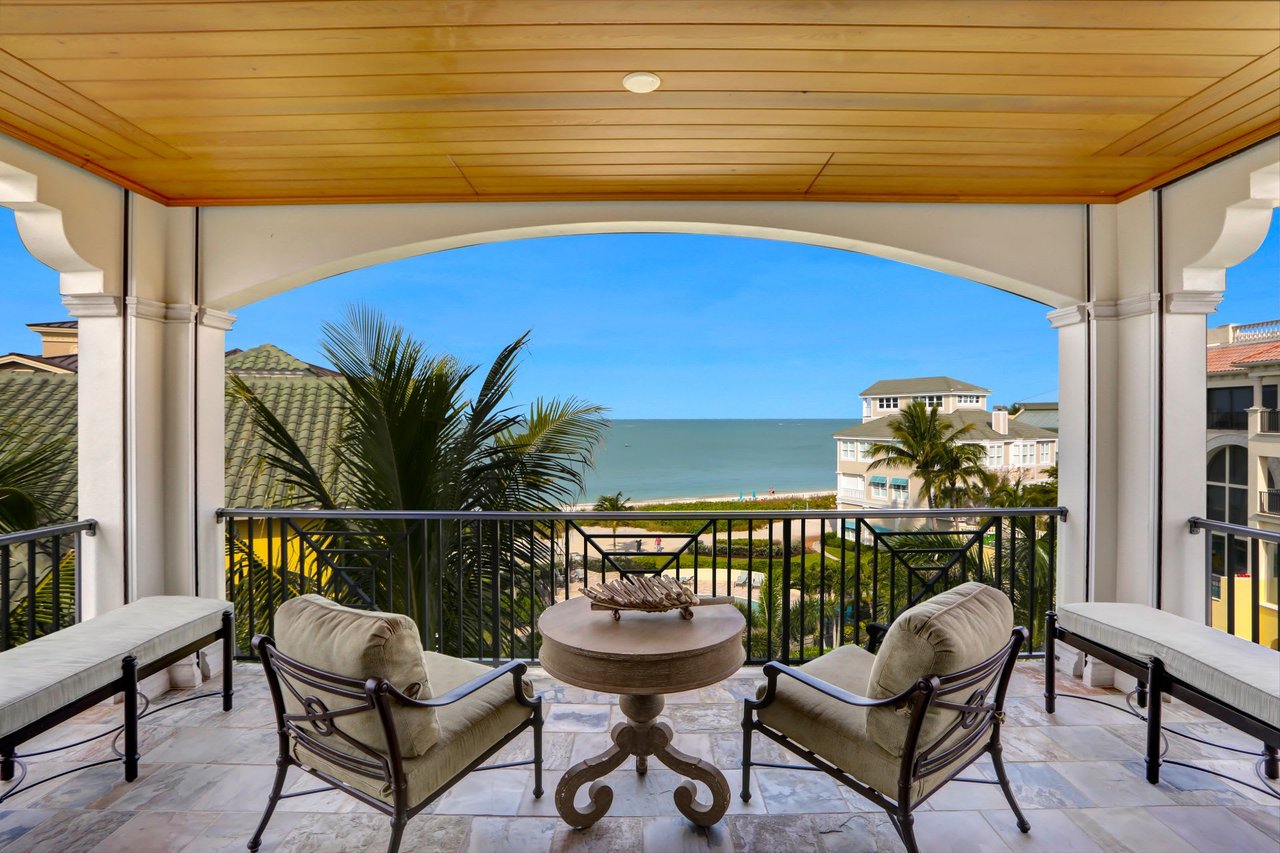
How Views, Exposure, Location, Noise, Walkability and Resale Position Differ Across Condado’s Two Waterfronts
Condado · Buyer Guides · Puerto Rico Real Estate · Luxury Real Estate
HOA Fees, Insurance, Property Taxes, Assessments and the Expenses Buyers Should Understand Before Purchasing in Condado

LUXURY COMMUNITIES
44 residences from $1.2M between Garden Hills and San Patricio. What $818 per square foot means if you are buying, and what it changes if you already own in the area.

LUXURY COMMUNITIES
Forty Stellar MLS closed sales across eight communities, from $136 to $3,110 per square foot, what sellers actually accept, and what the maintenance fee adds.
LUXURY COMMUNITIES
Condado and Isla Verde in San Juan, West Beach and Costa Dorada in Dorado, and Bahía Beach, Rio Mar and Coco Beach in Río Grande: closed-sale prices, buildings, fees a… Read more
Condado · Buyer Guides · New Developments · Luxury Real Estate
How to Compare Pricing, Amenities, HOA Costs, Market Evidence and Long-Term Value Before Buying a Condo in Condado
Condado · New Developments · Luxury Real Estate · Buyer Guides
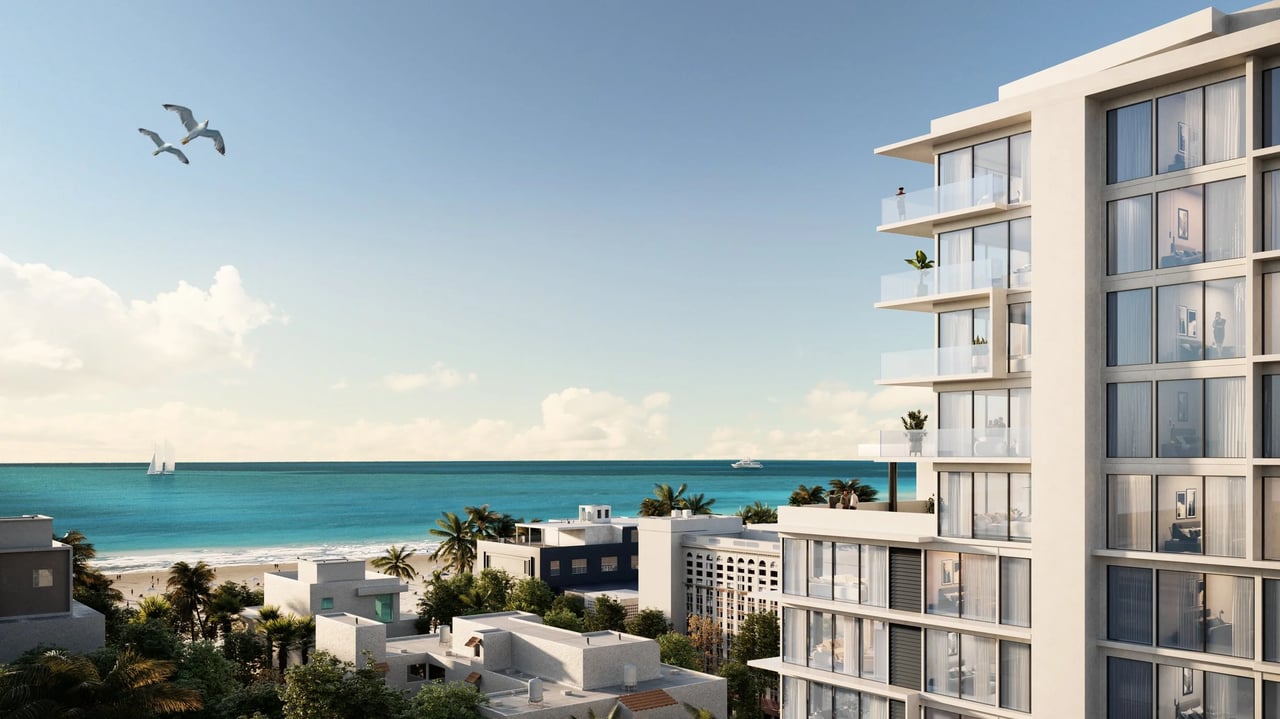
A Buyer’s Guide to 1120 Ashford Avenue, New Construction, Pricing and How The ICON Fits Into Condado’s Changing Luxury Market
We connect discerning buyers and sellers with the island’s most exclusive real estate opportunities. Our expertise and network ensure seamless transactions for both relocation under Act 60 and the sale of distinguished estates. We combine discretion, strategy, and global reach to represent your interests with excellence.