Puerto Rico Act 60 Changes in 2026: New 4% Investor Tax Explained
Puerto Rico Relocation Lizvette Robles March 12, 2026
Puerto Rico Relocation Lizvette Robles March 12, 2026
Over the past decade, Puerto Rico established itself as one of the few places within the United States legal system where investors and entrepreneurs could dramatically reduce their tax exposure on investment income, without leaving the country, without foreign bank accounts, and without relinquishing U.S. citizenship. That positioning is not disappearing. But it is evolving.
Puerto Rico's Legislature recently approved legislation modifying the Resident Investor incentive program under the Puerto Rico Incentives Code (Act 60 of 2019). The change introduces a 4% tax rate on interest, dividends, and capital gains for individuals who apply for the incentive after December 31, 2026. For those already holding an Act 60 decree, nothing changes. For those who have been considering a move but have not yet applied, the clock is now explicit.
The core modification is straightforward. Under the existing framework, qualifying bona fide residents of Puerto Rico with an approved Resident Investor decree pay 0% on interest, dividends, and qualifying capital gains generated after establishing residency. Under the updated framework, individuals who apply after December 31, 2026 will pay 4% on those same categories of income.
That 4% rate remains dramatically lower than what investors face in high-tax mainland states, California's top rate on investment income exceeds 13%, and New York's approaches 10%, but it represents a meaningful shift from the 0% rate that defined the program's original appeal.
The legislation also introduces a new residency history requirement. Future applicants must demonstrate that they have not been residents of Puerto Rico for at least six years prior to relocating to the island. This provision targets the program's original purpose: attracting individuals who bring new capital and economic activity to Puerto Rico, not individuals who have already established ties to the island.
Current decree holders are not affected. Individuals who hold an approved Act 60 Resident Investor decree continue operating under the terms established in that decree, which functions as a contractual agreement between the investor and the Government of Puerto Rico. The terms grandfathered into existing decrees are not subject to the new 4% rate.
The program itself is not ending. In fact, the same legislation that introduces the 4% tax also extends the program's sunset date from 2035 to 2055, a significant signal that Puerto Rico's government intends to maintain this framework as a long-term economic development tool, not phase it out. For investors with long planning horizons, that extension matters as much as the rate change.
Puerto Rico's fundamental advantages remain intact regardless of the rate adjustment. The island operates under U.S. federal law, uses U.S. dollars, and is served by U.S. banking institutions. Americans relocating to Puerto Rico face no foreign ownership restrictions, no currency risk, and no international legal exposure. The 4% rate, while higher than 0%, still represents an efficiency unavailable anywhere else within the United States.
For individuals who have been evaluating Puerto Rico as a relocation destination, particularly entrepreneurs managing liquidity events, founders approaching exits, or investors with significant passive income, the legislative change introduces a hard deadline that did not previously exist in the same way.
Applying for the Resident Investor incentive before December 31, 2026 locks in the 0% rate under the existing framework. Applying after that date means accepting the 4% rate as the starting point. The difference in after-tax outcomes over a 10 to 20 year period is substantial for anyone managing meaningful investment income.
The more important nuance is that the real estate decision and the decree application are not separate processes. An Act 60 Individual Investor decree requires the acquisition of a primary residence in Puerto Rico within two years of approval. Buyers who begin their real estate search after the deadline has passed have already compressed their options. The most strategic approach, and the one that consistently produces the best outcomes, is to evaluate the real estate market while the application is being prepared, not after.
Economic incentive programs mature. The transition from 0% to 4% for new applicants may reflect Puerto Rico moving from an early-stage effort to attract capital, when the headline rate needed to be as aggressive as possible, to a more structured long-term model that balances investor appeal with the island's fiscal reality.
The program remains unique. There is no comparable jurisdiction within the United States that offers a legally structured, IRS-recognized framework for reducing tax exposure on investment income at this scale. Puerto Rico occupies a category by itself precisely because it is a U.S. territory that falls outside standard federal income tax treatment under Section 933 of the Internal Revenue Code.
For the right investor, one who plans to establish genuine residency, maintain compliance with the presence requirements, and integrate into the island's professional and social ecosystem, Puerto Rico at 4% is still a more efficient structure than any U.S. state.
Will current Act 60 decree holders be affected by the new 4% tax? No. Individuals who already hold an approved Act 60 Resident Investor decree continue operating under the terms granted in that decree. The 4% rate applies only to new applicants who submit after December 31, 2026.
When exactly does the new 4% rate take effect? The 4% rate applies to individuals who apply for the Resident Investor incentive after December 31, 2026. Applications submitted and approved before that date fall under the existing 0% framework.
What is the new residency history requirement? Future applicants must demonstrate they have not been residents of Puerto Rico for at least six years prior to relocating. This requirement ensures the program continues targeting individuals who bring new capital to the island.
Is Puerto Rico still worth considering for investors after the change? For investors with significant investment income, particularly those currently in high-tax states like California or New York, Puerto Rico at 4% still represents a substantially more efficient structure than any available alternative within the U.S. system. The jurisdictional advantages, lifestyle, and legal framework remain unchanged.
Does Act 60 still require buying real estate in Puerto Rico? Yes. Individual Investor decree holders must acquire a primary residence in Puerto Rico within two years of their decree approval. That requirement has not changed under the new legislation.
How long has Act 60 been extended? The same legislation extending the 4% rate also moves the program's sunset date from 2035 to 2055, providing a 30-year planning horizon for investors considering Puerto Rico.
What happens to pre-residency capital gains under the new rules? Capital gains attributable to appreciation that occurred before becoming a Puerto Rico resident remain subject to separate treatment depending on timing and holding periods. Individuals should coordinate with a qualified tax advisor before making relocation decisions.
The smartest buyers are not waiting for headlines to settle. They are doing three things: 1. They are reviewing decree timing now. Because December 31, 2026 matters.
Waiting creates risk. 2. They are reviewing ownership structure before buying. Not after. Because fixing mistakes later is expensive.
They are choosing location strategically. Not emotionally. Because tax strategy without lifestyle alignment fails fast. And relocation only works when both sides support each other.
This is where many relocation conversations fail. People obsess over the decree… and ignore the property strategy. That is backwards. Because Act 60 is not only a tax decision.
It is a residency decision. And residency becomes real through where, and how, you live. That means understanding: which community fits your family, where your lifestyle actually works, what market protects long-term value, what location supports future liquidity, and how ownership should be structured.
Dorado Beach is not Bahía Beach. Condado is not Grand Reserve. And choosing incorrectly can cost far more than the tax savings you were chasing. This is why sophisticated buyers do not start with “Show me homes.” They start with “Help me understand where my life works best.” That is the real advisory conversation.
This is one of the most overlooked parts of the 2026 changes. Many buyers focus only on taxes. But the primary residence requirement may be even more important operationally.
For applications filed from January 1, 2027, your primary residence must be held directly by you or your spouse, or through a trust. It cannot be held through an LLC or other entity.
That means not indirectly through LLCs, holding companies, or the ownership structures many high-net-worth buyers previously used for flexibility. Many buyers instinctively structure purchases through entities, and that may no longer satisfy compliance the way they expect. Discovering that late creates expensive problems. This is why legal structure must be reviewed before purchase, not after, especially in markets like Dorado Beach, Bahía Beach, Condado and Grand Reserve, where acquisition decisions are often made quickly.
One of the first questions every serious buyer asks is: “How long does this actually take?”
The honest answer: usually 6 to 12 months.
Sometimes faster. Sometimes longer. The reason is simple: Puerto Rico’s decree process is still highly manual. Applications move through government review with limited processors, older systems, and little real-time transparency.
It is not a fast digital approval process. It is a legal process. That means timing matters, and starting early matters even more. If you are thinking about relocating in the next 12–18 months, the process should already be part of your planning. Not something you “handle later.”
Another mistake buyers make is underestimating operational setup. A realistic first-year budget often includes:
For many buyers, the first-year investment lands between $20,000 and $35,000+, before considering the property purchase itself. For someone saving hundreds of thousands, or millions, in tax exposure, this is not the issue. The issue is getting the structure right. Because mistakes cost more than fees.
The legislative change makes the timing of your relocation and real estate decisions more consequential than they were a year ago. Choosing the right neighborhood, understanding which properties satisfy the residency requirement, and coordinating that decision with your tax and legal advisors is not a process that benefits from being rushed, but it is one that benefits from being started now.
At InvEstate Puerto Rico, we work with Act 60 buyers at every stage of the relocation process, from the initial market evaluation to the property acquisition that anchors your decree compliance. We know the markets, Condado, Dorado, Guaynabo, Old San Juan, and we know the questions that matter before you sign anything.
Contact us directly to discuss your situation and how we can help you move forward strategically before the December 31, 2026 deadline.
Related: where Act 60 buyers actually buy in Puerto Rico, and how a purchase here differs from one on the mainland.
Stay up to date on the latest real estate trends.

Condado · Buyer Guides · New Developments · Luxury Real Estate
What is still available, how to read the square footage, and what the project does not publish.
LUXURY CONDO
Fannie Mae and Freddie Mac raise the minimum condo reserve requirement to 15%. Puerto Rico law requires 5% - and lets buildings stop contributing altogether.

Buyers Guide, Construction, Investment, Puerto Rico Real Estate
Every branded residence and new community we track, where it is, and which units are actually in the MLS right now.

GUAYNABO REAL ESTATE
What is for sale, what is already under contract, and the one number that should start the conversation.
GUAYNABO REAL ESTATE
What is for sale right now, what the project launched at, and what to verify before signing.
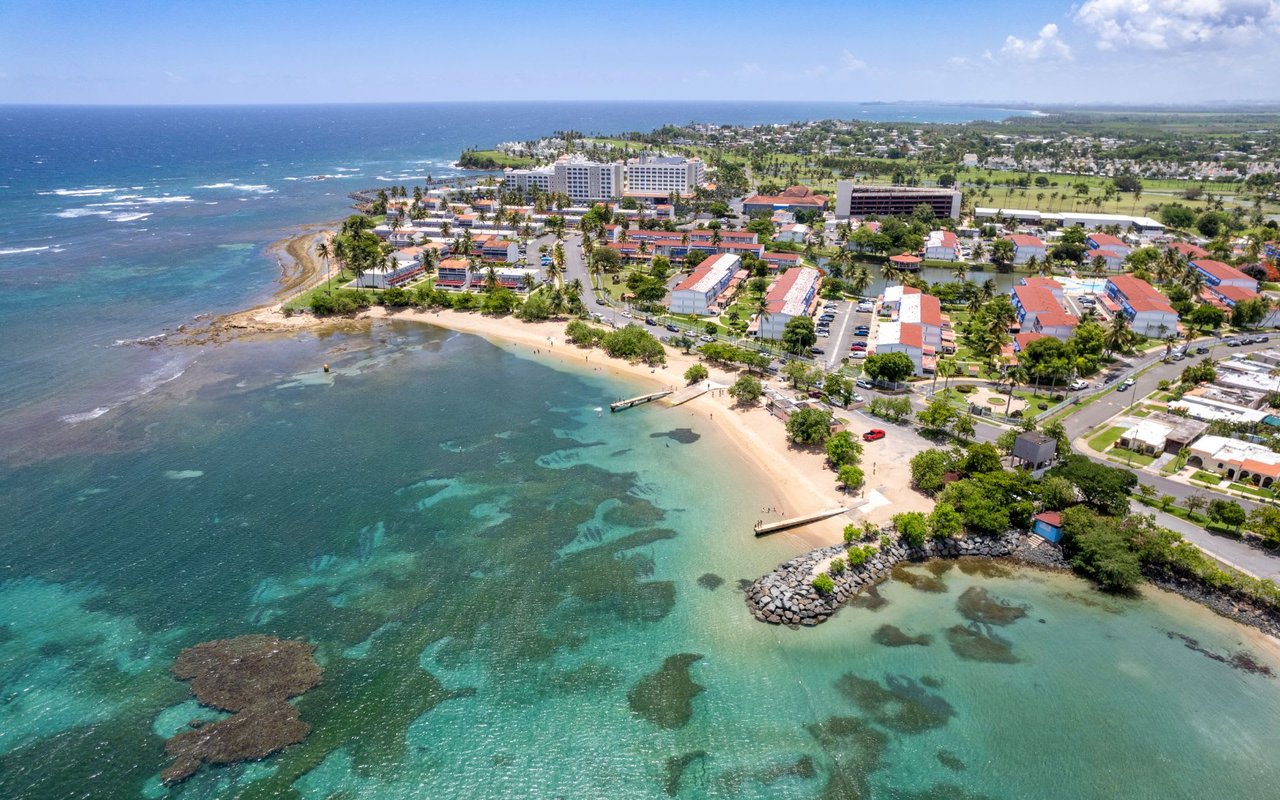
Both of the island's 2026 Key hotels are residential. 27 closings this year, $748 to $3,110 per square foot.

The purchase price is the number everyone quotes. Above a million dollars it is the smaller half of the decision.
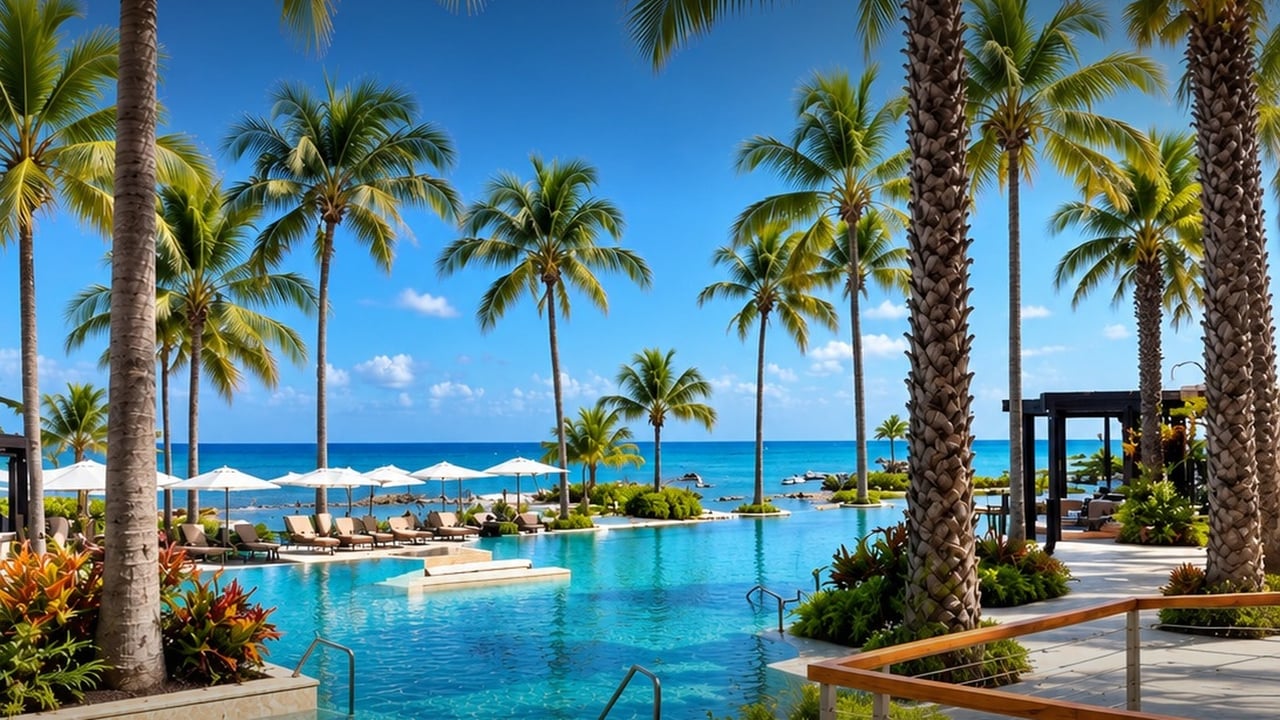
Eighteen closed sales inside the gates, the golf villas that sit outside the count, and the $5.3 million sale that never reached a portal.
We connect discerning buyers and sellers with the island’s most exclusive real estate opportunities. Our expertise and network ensure seamless transactions for both relocation under Act 60 and the sale of distinguished estates. We combine discretion, strategy, and global reach to represent your interests with excellence.