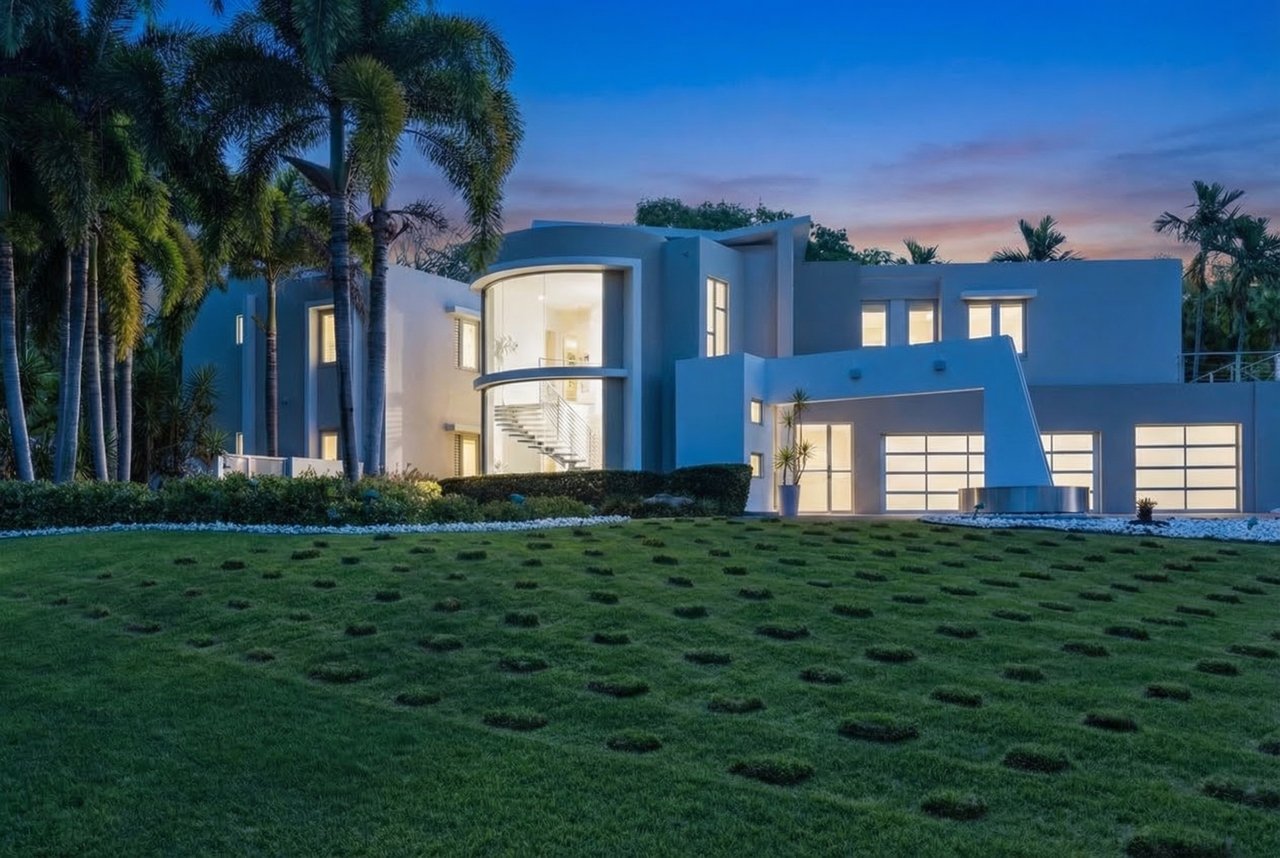
Puerto Rico Property Taxes Explained in 2026: What Luxury Buyers Need to Know Before They Purchase
TAXES Lizvette Robles April 2, 2026
TAXES Lizvette Robles April 2, 2026
Property taxes in Puerto Rico are administered by CRIM, the Centro de Recaudación de Ingresos Municipales, and in many cases they come in lower than in comparable U.S. jurisdictions. That is the short answer, and it is also the one that gets buyers into trouble, because the system works differently from the mainland. Assessed values often rest on older benchmarks rather than current market prices, each municipality applies its own rate, exemptions depend on how the property is owned and used, and taxes are prorated at closing. The number is low; the system is not simple.
After twenty years closing transactions in Dorado, Condado, Guaynabo and Río Grande, this is how we explain it to a buyer before they sign anything.
When buyers search for Puerto Rico property taxes they are usually asking four things: are taxes really lower than on the mainland, how are properties assessed, what will I actually pay each year, and are there hidden costs I should expect. Puerto Rico is often described as tax-friendly. The reality is more nuanced than the label, and it rewards the buyer who understands the structure.
Property taxes are managed by CRIM. Assessed values are often based on older valuation systems. Effective rates vary by municipality and property type. Exemptions may apply to primary residences. And even at the high end of the market, tax levels remain competitive compared with mainland markets. Puerto Rico is not a zero-tax environment. It is a differently structured one.
Unlike most mainland markets, property taxes here are not calculated purely from current market value. Three pieces determine the bill. The assessed value, or valoración, which is often derived from historical benchmarks rather than real-time pricing. The municipal tax rate, which each municipality applies to that assessed value. And CRIM itself, which bills, collects and administers the tax. The practical consequence is the one that surprises newcomers most: market value and tax value are not always aligned.
Many buyers are surprised by how low the property tax on a multimillion-dollar home can appear. The main reasons are older assessment methodologies, assessed values that in some cases have not been updated for years, and structural differences in how valuations are calculated. A low tax bill does not mean a low cost of ownership. It means one line of the budget is small; the others still have to be read.
Property tax is one component of ownership, and rarely the largest. Experienced buyers weigh four others alongside it. HOA fees, which are significant in luxury communities and condominium buildings. Insurance, where windstorm, flood and coastal exposure can move the annual cost substantially. Maintenance, particularly on oceanfront and high-end properties. And utilities and services, which vary with property type and location. Understanding the total is far more useful than fixating on the tax line.
At closing, property taxes are typically prorated between buyer and seller: each party pays for the portion of the year they owned the property, the adjustment is made in the closing calculations, and the notary and closing professionals coordinate the details. It is a standard step, and one that first-time buyers in Puerto Rico often do not see coming.
Certain properties may qualify for exemptions, most commonly the primary-residence exemption and specific classifications under local regulations. Eligibility depends on the ownership structure, the owner’s residency status and how the property is used, which is why the exemption should be verified during due diligence rather than assumed from a listing.
Before they think about tax savings, experienced buyers look at four things. The total cost of ownership, meaning taxes plus insurance plus HOA plus maintenance. The property type, because a single-family home, a condominium and a resort property carry very different cost structures. The location, because Dorado Beach, Condado, Río Grande and Guaynabo each have their own cost, maintenance and long-term ownership profile. And long-term stability, meaning how sustainable those costs are over the years the buyer plans to hold.
Most buyers arrive with a single assumption: taxes are low, so ownership is cheaper. In practice the tax is only one part of the equation, and ignoring insurance, HOA or maintenance leads to a miscalculation of the real cost, sometimes a large one.
Puerto Rico continues to offer competitive property tax structures and attractive ownership costs relative to many U.S. markets. What has changed is the buyer. In 2026 they are no longer asking whether taxes are low. They are asking what the true cost of ownership is, and that is the right question.
Understanding Puerto Rico property taxes is not about finding a number. It is about understanding a system in which assessed value differs from market value, tax is only one component of cost, and structure matters more than assumptions. The buyers who make the best decisions are not the ones focused on saving taxes. They are the ones who understand the full picture before they purchase.
In many cases, yes. The structure and the assessment system, however, differ significantly.
On the assessed value of the property, at the rate set by the municipality, administered through CRIM.
Not always. Assessed values may differ from current market pricing.
Yes. Certain exemptions may apply depending on how the property is used and owned.
No. Insurance, HOA fees and maintenance often represent a larger share of the total.
For the full picture of how buying works here, from due diligence to closing, start with our Puerto Rico buyer guide. If you are weighing a specific property, tell us which one and we will put its real annual cost on one page before you make an offer.
Antonio Cartagena, Broker Lic. C-13471 · Lizvette Robles, Lic. 23765 · (787) 717-6443
We keep the whole picture in one place: Act 60 real estate in Puerto Rico, from timeline to closing.
Stay up to date on the latest real estate trends.
Condado · Relocation · Buyer Guides · Puerto Rico Real Estate
What Buyers Should Know About Walkability, Schools, Healthcare, Condos, Transportation and Choosing the Right Property Before Moving to Condado

Act 13-2026 gives you a deadline to see the building rules. Act 157-2026 moves disputes out of DACO and into the courts.
Condado · Buyer Guides · Luxury Real Estate · Puerto Rico Real Estate
How Views, Exposure, Location, Noise, Walkability and Resale Position Differ Across Condado’s Two Waterfronts
Condado · Buyer Guides · Puerto Rico Real Estate · Luxury Real Estate
HOA Fees, Insurance, Property Taxes, Assessments and the Expenses Buyers Should Understand Before Purchasing in Condado

LUXURY COMMUNITIES
44 residences from $1.2M between Garden Hills and San Patricio. What $818 per square foot means if you are buying, and what it changes if you already own in the area.

LUXURY COMMUNITIES
Forty Stellar MLS closed sales across eight communities, from $136 to $3,110 per square foot, what sellers actually accept, and what the maintenance fee adds.
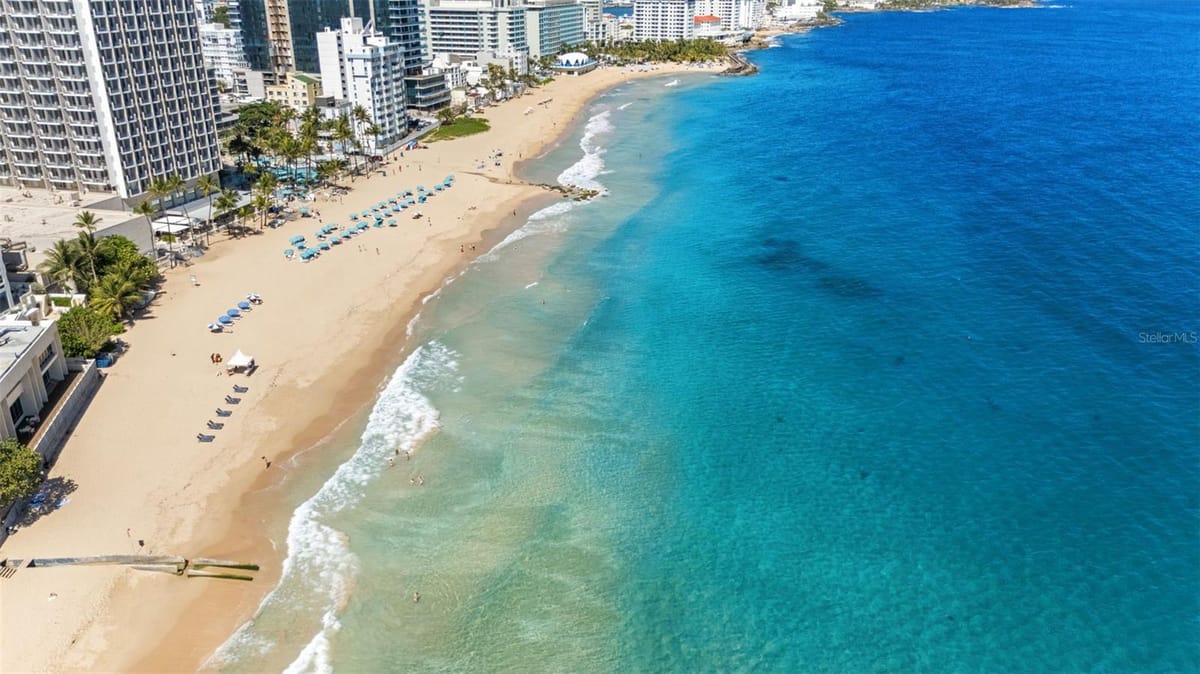
LUXURY COMMUNITIES
Condado and Isla Verde in San Juan, West Beach and Costa Dorada in Dorado, and Bahía Beach, Rio Mar and Coco Beach in Río Grande: closed-sale prices, buildings, fees a… Read more
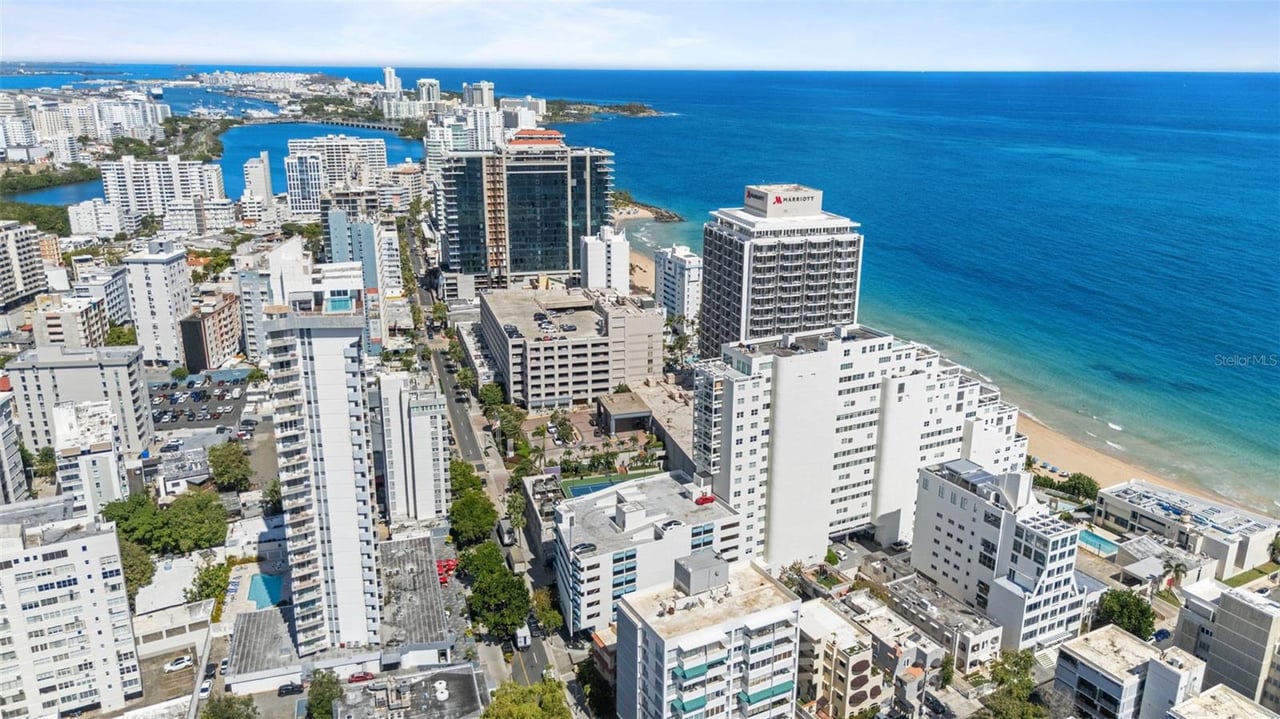
Condado · Buyer Guides · New Developments · Luxury Real Estate
How to Compare Pricing, Amenities, HOA Costs, Market Evidence and Long-Term Value Before Buying a Condo in Condado
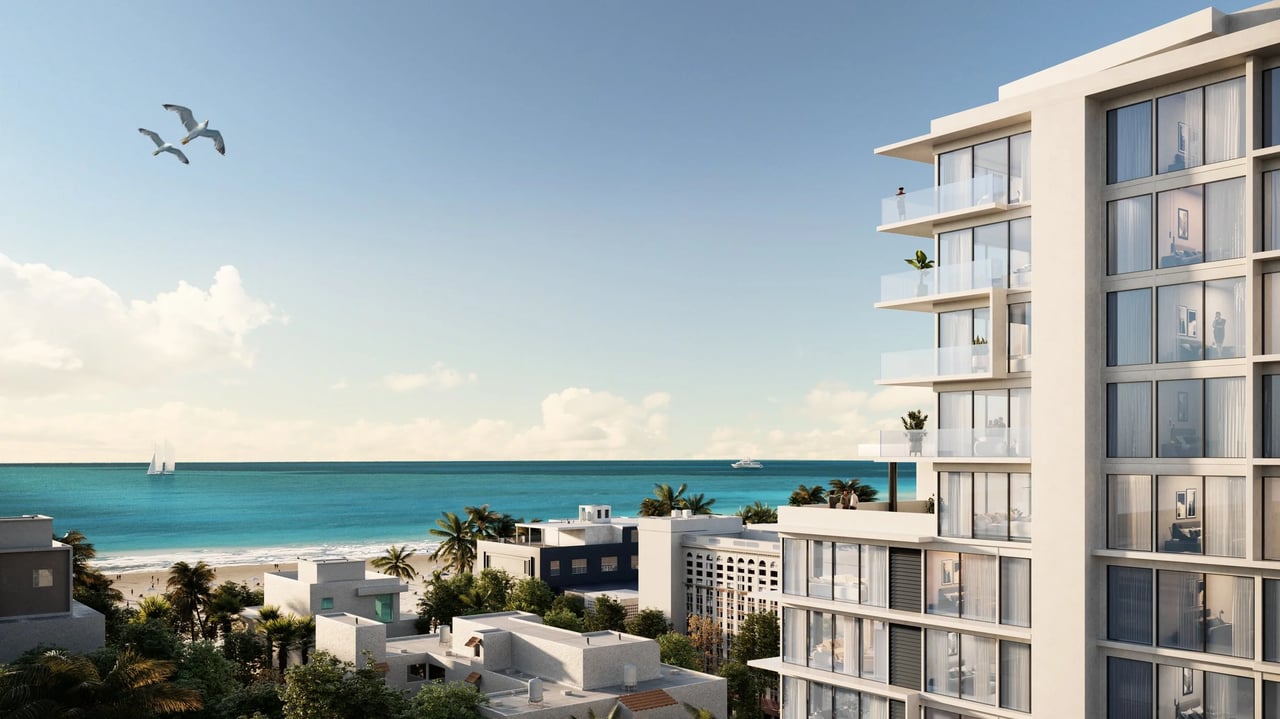
Condado · New Developments · Luxury Real Estate · Buyer Guides
A Buyer’s Guide to 1120 Ashford Avenue, New Construction, Pricing and How The ICON Fits Into Condado’s Changing Luxury Market
We connect discerning buyers and sellers with the island’s most exclusive real estate opportunities. Our expertise and network ensure seamless transactions for both relocation under Act 60 and the sale of distinguished estates. We combine discretion, strategy, and global reach to represent your interests with excellence.