Puerto Rico Condos and the January 4, 2027 Financing Rule: Why a 5% Reserve Will No Longer Be Enough
LUXURY CONDO Lizvette Robles October 7, 2026
LUXURY CONDO Lizvette Robles October 7, 2026
On January 4, 2027, the rules that decide whether a bank can finance an apartment in Puerto Rico change.
Not the law. Puerto Rico's Condominium Act is not being amended for this. What changes is something more consequential for anyone who owns, sells or wants to buy a unit in a building: the standard Fannie Mae and Freddie Mac use to decide whether a condominium project is eligible for a conventional mortgage at all.
If your building does not meet it, the mortgage does not get denied to you. It gets denied to the project. Every unit in it. Which means a seller's buyer pool shrinks to whoever can pay cash.
Here is exactly what changes, why Puerto Rico is more exposed than any state, and what to verify — whether you are buying, selling, or sitting on a board.
Fannie Mae and Freddie Mac announced the change on March 18, 2026, in Fannie Mae Lender Letter LL-2026-03 and Freddie Mac Bulletin 2026-C.
The minimum reserve funding requirement goes from 10% to 15%.
The percentage is not measured against the building's total spending. It is measured against assessment income, using this formula:
Annual reserve contribution ÷ total budgeted assessment income = reserve percentage
Four kinds of income are excluded from that denominator: incidental income the project does not rely on for operations, maintenance or capital improvements; income collected for utilities a unit owner would normally pay directly, such as cable TV or internet; income already allocated to reserve accounts; and special assessment income. That detail matters: two buildings with identical budgets can land on different sides of the line depending on how their income is structured.
A project that is contributing 13.6% today passes under the current 10% floor. On January 4, 2027, it fails.
Because our floor is the lowest in the system.
Puerto Rico repealed the 1958 Horizontal Property Act and replaced it with Act 129-2020, the current Condominium Act. On the reserve fund, the text is explicit:
"El presupuesto anual incluirá una partida de fondo de reserva que no será menor del cinco por ciento (5%) del presupuesto total de gastos del condominio para ese año."
— Act 129-2020, as amended (text revised August 10, 2026)
Five percent.
Then came the Surfside collapse in Florida in June 2021, and with it a wave of reserve and structural-inspection reform across states and territories. Puerto Rico's 5% floor did not move.
So on January 4, 2027, a building here can be in full compliance with Puerto Rico law and still be three times short of what a conventional lender requires.
El Vocero reported on September 29, 2026 that between 3,000 and 3,400 condominiums fall under DACO's jurisdiction on the island. Ricardo Negrón, executive director of the Mortgage Bankers Association, put the consequence plainly: financing for those complexes is going to be limited, and buyers will face larger down payments and less favorable credit terms.
This is the part that does not show up in the 5% versus 15% headline, and it is the more serious problem.
Read the rest of that same paragraph in Act 129-2020:
"Dicho fondo se irá nutriendo hasta alcanzar una suma igual al dos por ciento (2%) del valor de reconstrucción, cuando el Consejo de Titulares decidirá si se continúa o no aportando al mismo."
Under Puerto Rico law, once the reserve fund reaches 2% of the building's reconstruction value, the owners' association decides whether to keep contributing at all. The obligation can legally stop.
Fannie Mae and Freddie Mac have no such ceiling. They do not ask what your reserve balance is. They ask what percentage of this year's assessment income is being contributed to reserves, this year, every year.
The consequence: there are buildings in Puerto Rico that lawfully voted to stop contributing years ago, are perfectly compliant with Act 129-2020, hold a healthy balance — and will be ineligible for conventional financing on January 4, 2027, because the current-year contribution line reads zero.
That is not a 10-point gap. It is a structural mismatch between two systems that measure different things. We are reading the statute as written; the legal conclusion for any specific building belongs to its attorney. But if you are on a board that stopped contributing, this is the paragraph to bring to your next meeting.
While everyone looks at January, a bigger change took effect quietly on August 3, 2026: the limited review process was eliminated for new loan applications.
Limited review was the shortcut. On a low loan-to-value purchase, the lender did not have to examine the project's budget, reserves or deferred maintenance at all. It was roughly 40% of all project reviews.
It is gone. Every new application now goes through full review — budget, reserves, delinquency rate, litigation, deferred maintenance.
Two things follow from that. First, a building that was quietly financing units through limited review for years is now being examined for the first time. Second, the exception that protected weak projects no longer exists. January's 15% arrives on top of a system that is already looking much harder.
While the reserve threshold is still ahead of us, a second change in the same Lender Letter took effect for loan applications dated on or after July 1, 2026 — and in Puerto Rico it may be the more immediate obstacle.
Fannie Mae now caps the master policy deductible:
"The maximum allowable per unit deductible for all required property insurance perils covered by a master property insurance policy is $50,000 per unit."
If a building's master policy carries a per unit deductible above that figure for a required peril, the project is not eligible. Not in January — now.
This matters more here than in most of the country for one reason: master policies in Puerto Rico commonly price windstorm coverage with a percentage deductible rather than a flat dollar amount. A percentage of a large insured value, divided across the units, is a number nobody in the association tends to look at until a lender does. Ask your board for the per unit deductible in dollars, not in percent. That one number can decide whether your building is financeable.
There is a second consequence that lands on the buyer directly. When the master policy has a per unit deductible, the borrower must carry an individual unit owners policy, and the minimum coverage is the greater of two amounts: whatever portion of the unit's interior the master policy does not cover, or the amount of the per unit deductible itself. That is a recurring cost most buyers discover at closing rather than before they make an offer.
It would be dishonest to present this as all tightening. Three things in the same letter went the other way, effective immediately on March 18, 2026:
One thing that did not change: for new projects, at least 50% of the units must be sold or under contract to principal residence or second home buyers. That still applies, and it is the number to ask about in any pre-construction building in San Juan right now.
Take a 40-unit building with an average maintenance fee of $600 per month. Annual assessment income: roughly $288,000.
Reserve standard | Annual contribution |
|---|---|
Act 129-2020 minimum (5%) | $14,400 |
Current Fannie Mae floor (10%) | $28,800 |
January 4, 2027 (15%) | $43,200 |
Moving from the local legal minimum to the new federal standard is a difference of $28,800 a year on that building — about $60 per unit per month.
That is the real conversation coming to annual meetings across Condado, Isla Verde, Miramar and Carolina this winter: a fee increase, or a shrinking buyer pool. There is no third option that costs nothing.
This is where our own closing data is useful, and where the honest answer is more specific than the alarm.
In the Condado market we tracked across 2026, roughly two of every three closings were cash. In Dorado, a little over half. Those buyers are unaffected — a cash purchase never touches Fannie Mae's project standards.
The exposure sits with the financed third. And that third is not the $5M penthouse buyer. It is the $500,000 to $1.5M segment, which is where volume lives and where price discovery actually happens. Remove conventional financing from a building and you do not just lose a few buyers; you lose the comparable sales that establish what the rest of the units are worth.
You are not affected if: you are buying a single-family home, buying with cash, or buying in a project of ten units or fewer that qualifies for a Waiver of Project Review. One caveat on that last one, and it matters here: for projects of five to ten units, the waiver only applies if the project is not part of a master association or a larger development — which rules out a good number of small buildings inside Puerto Rico's resort communities.
You are affected if: you are financing a unit in an attached condominium project, selling one, or responsible for approving a building's budget.
The 15% budget line is not the only path. A project can stay below it with a reserve study, under specific conditions:
For many buildings this is the cheaper and smarter route, because a study tells you what your roof, elevators and façade actually need, instead of applying a flat percentage to a number that has nothing to do with the physical building.
And one thing worth saying out loud: 15% is a lending-eligibility floor, not a funding recommendation. Reserve professionals routinely find that buildings need 20% to 30% to be genuinely solvent. Passing the test and being funded are not the same thing.
If you are buying a condominium: ask for the current approved budget and the specific reserve contribution line, the reserve study and its date, the per unit deductible on the master policy in dollars, the delinquency rate, and minutes of the last two annual meetings. Ask your lender to confirm the project's review status before you spend money on an appraisal — not after.
If you are selling: find out your building's reserve percentage before you list. If it does not clear 15% and there is no qualifying study, you are selling into a cash-only pool and you need to know that when you set the price, not when a financed offer dies in underwriting.
If you sit on a board: check the per unit deductible on your master policy first — that rule is already live. Then you have until January 4, 2027 to either budget 15% of assessment income or commission a reserve study that qualifies. A study takes time to produce and a fee increase takes a vote. Both run out of runway in December.
Act 129-2020 did not change. What changed is the gap between what Puerto Rico requires and what a mortgage requires — and as of January 4, 2027, that gap is wide enough to decide whether a building is financeable.
The buildings that handle this in the next few weeks will keep their full buyer pool. The ones that find out in February will discover it the way sellers usually discover these things: when an offer falls apart in underwriting and nobody can explain why.
If you own, are selling, or are considering a condominium in Puerto Rico and want to know where a specific building stands, we read these documents for a living. Talk to us before the paperwork, not after.
This article explains lending and statutory requirements for informational purposes. It is not legal, tax or financial advice. For your building's specific situation, consult its attorney and a qualified reserve study professional.
Stay up to date on the latest real estate trends.

Condado · Buyer Guides · New Developments · Luxury Real Estate
What is still available, how to read the square footage, and what the project does not publish.
LUXURY CONDO
Fannie Mae and Freddie Mac raise the minimum condo reserve requirement to 15%. Puerto Rico law requires 5% - and lets buildings stop contributing altogether.

Buyers Guide, Construction, Investment, Puerto Rico Real Estate
Every branded residence and new community we track, where it is, and which units are actually in the MLS right now.

GUAYNABO REAL ESTATE
What is for sale, what is already under contract, and the one number that should start the conversation.

GUAYNABO REAL ESTATE
What is for sale right now, what the project launched at, and what to verify before signing.
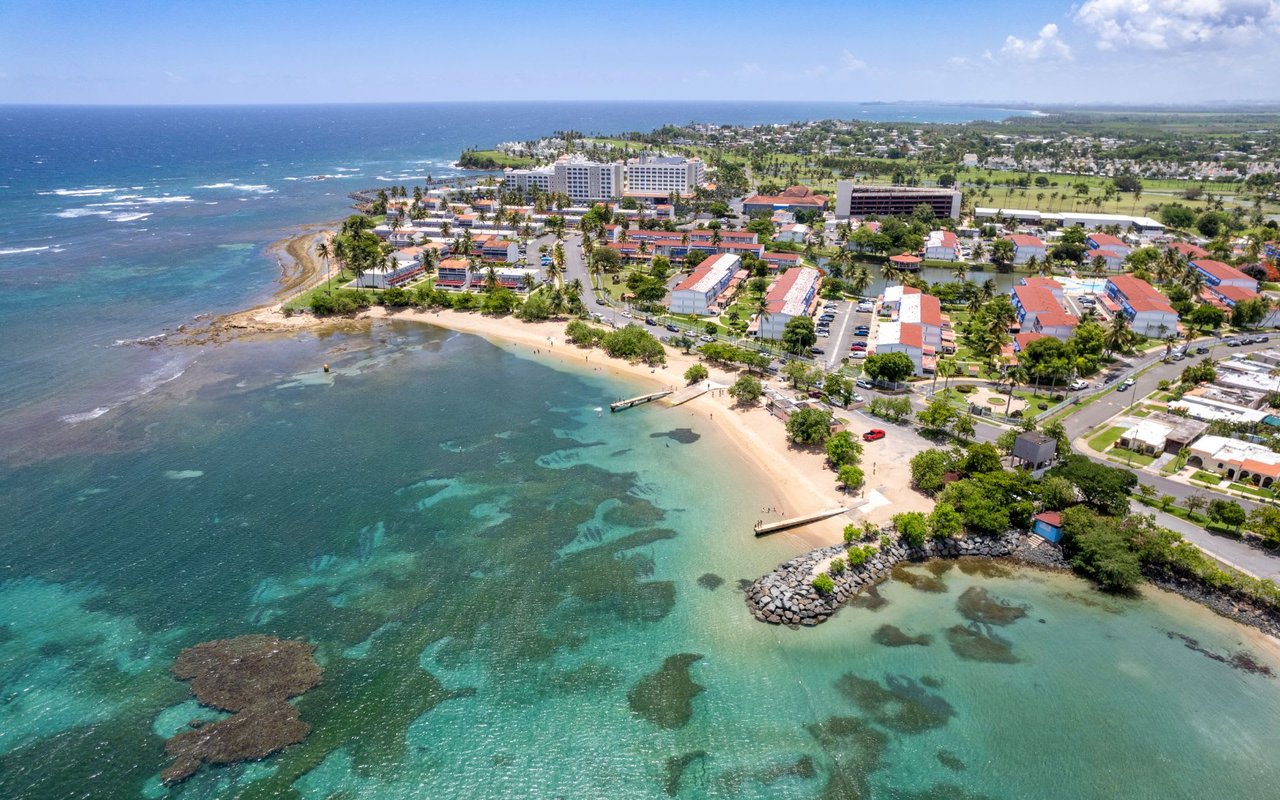
Both of the island's 2026 Key hotels are residential. 27 closings this year, $748 to $3,110 per square foot.

The purchase price is the number everyone quotes. Above a million dollars it is the smaller half of the decision.
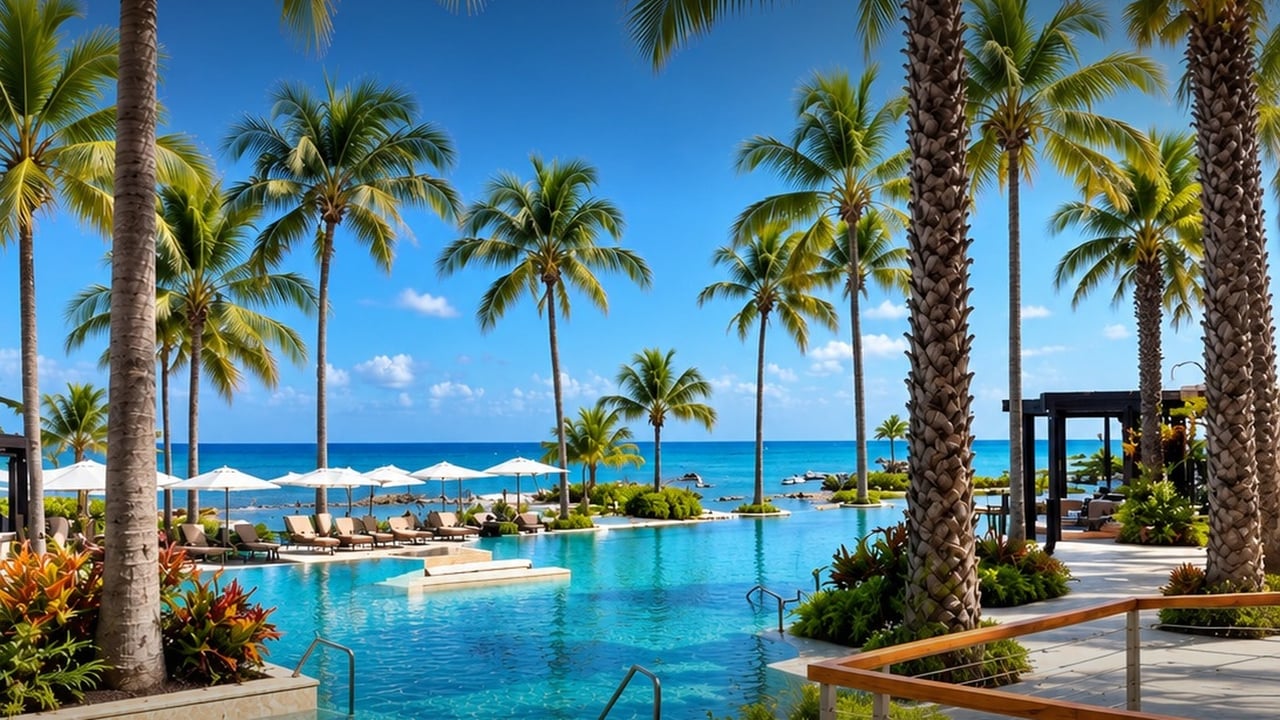
Eighteen closed sales inside the gates, the golf villas that sit outside the count, and the $5.3 million sale that never reached a portal.
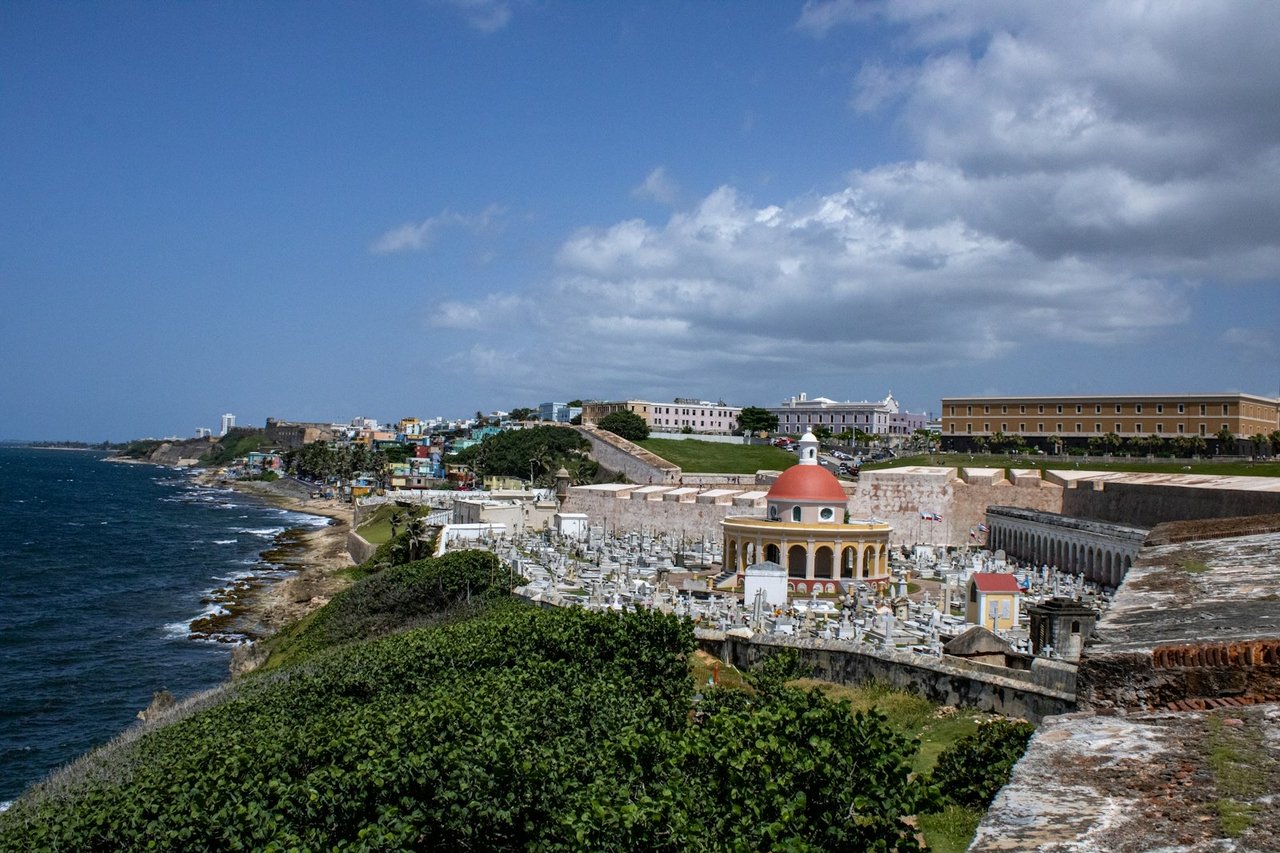
Five international brands committed to the same historic district in under three years. What that does to property values, and what it does not.
We connect discerning buyers and sellers with the island’s most exclusive real estate opportunities. Our expertise and network ensure seamless transactions for both relocation under Act 60 and the sale of distinguished estates. We combine discretion, strategy, and global reach to represent your interests with excellence.