
Price Reductions in Puerto Rico: When They Help—and When They Destroy Leverage
Seller Strategies Lizvette Robles January 19, 2026
Seller Strategies Lizvette Robles January 19, 2026
Price reductions are often framed as a simple fix:
“Lower the price and buyers will come.” In Puerto Rico’s high-end market, that logic is incomplete, and sometimes damaging. Sophisticated buyers don’t react to reductions the way sellers expect. They interpret them as signals. Whether those signals restore confidence or permanently weaken leverage depends entirely on why, when, and how the reduction is executed.
This article explains when price reductions work, and when they quietly destroy a listing’s position.
In luxury markets, price is a narrative. Buyers don’t see a reduction and think:
“Opportunity.”
They ask: What changed? What was misread originally? What risk is being corrected now?
If a reduction answers those questions clearly, it can reset momentum.
If it doesn’t, it reinforces doubt.
Reductions work best early in the listing lifecycle, before the market forms a fixed opinion. When executed early, a reduction can: signal seller realism; re-anchor buyer expectations; and re-open conversations with buyers who were close, but cautious.
The key is that the correction must feel intentional, not reactive.
A reduction paired with strategic repositioning can be effective. That includes: clarifying ownership costs or HOA structure, adjusting narrative to the correct buyer profile and tightening the comparable set buyers are using.
When price and positioning shift together, buyers reassess.
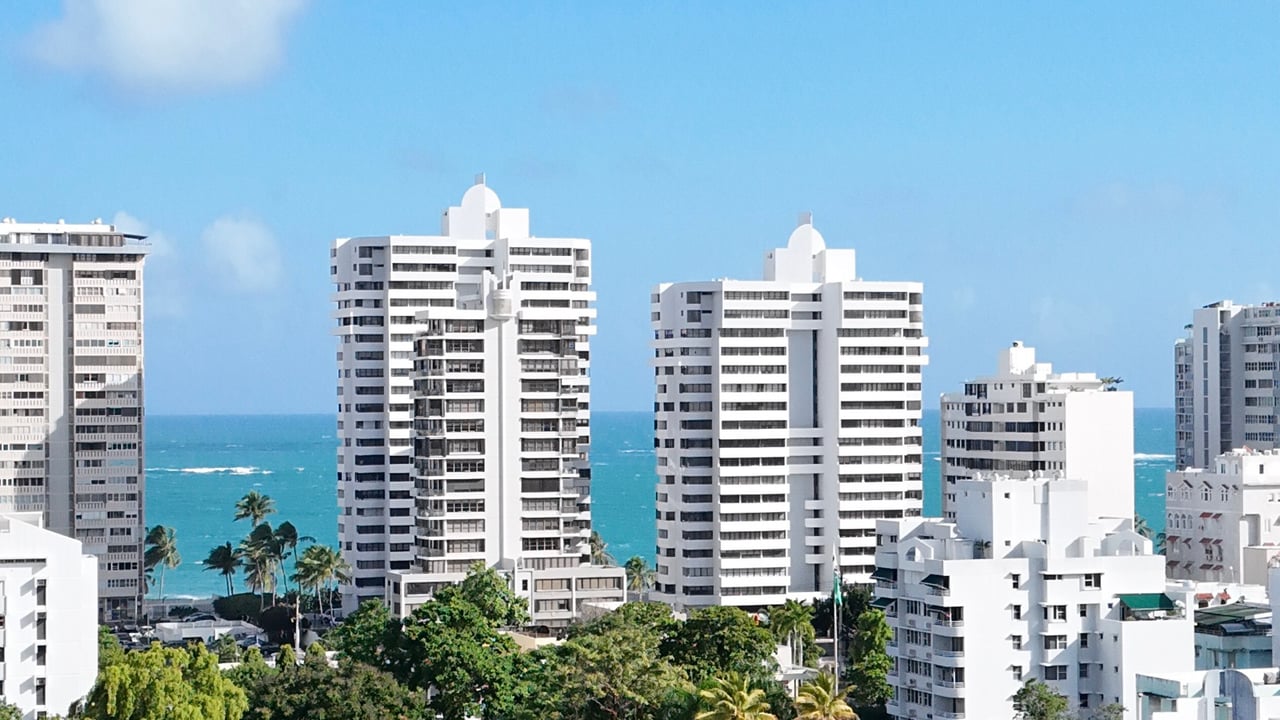
In benchmark markets like Condado, buyers compare aggressively and early. Here, a precise correction can restore credibility, but only once. For context on benchmark pricing behavior:
https://investatepr.com/blog/condado-condo-real-estate-strategy-2026
Once a listing has accumulated time on market, reductions are rarely interpreted as value. Instead, buyers assume: prior mispricing, hidden issues and seller resistance that finally broke.
At this stage, reductions often invite deeper negotiation, not faster offers.
Minor reductions (1–3%) in high-end listings rarely move the needle. They signal hesitation, not conviction, and encourage buyers to wait for the next cut.
Lowering price without addressing: HOA concerns, insurance variables and governance or documentation gaps.
does not fix buyer hesitation. It magnifies it.
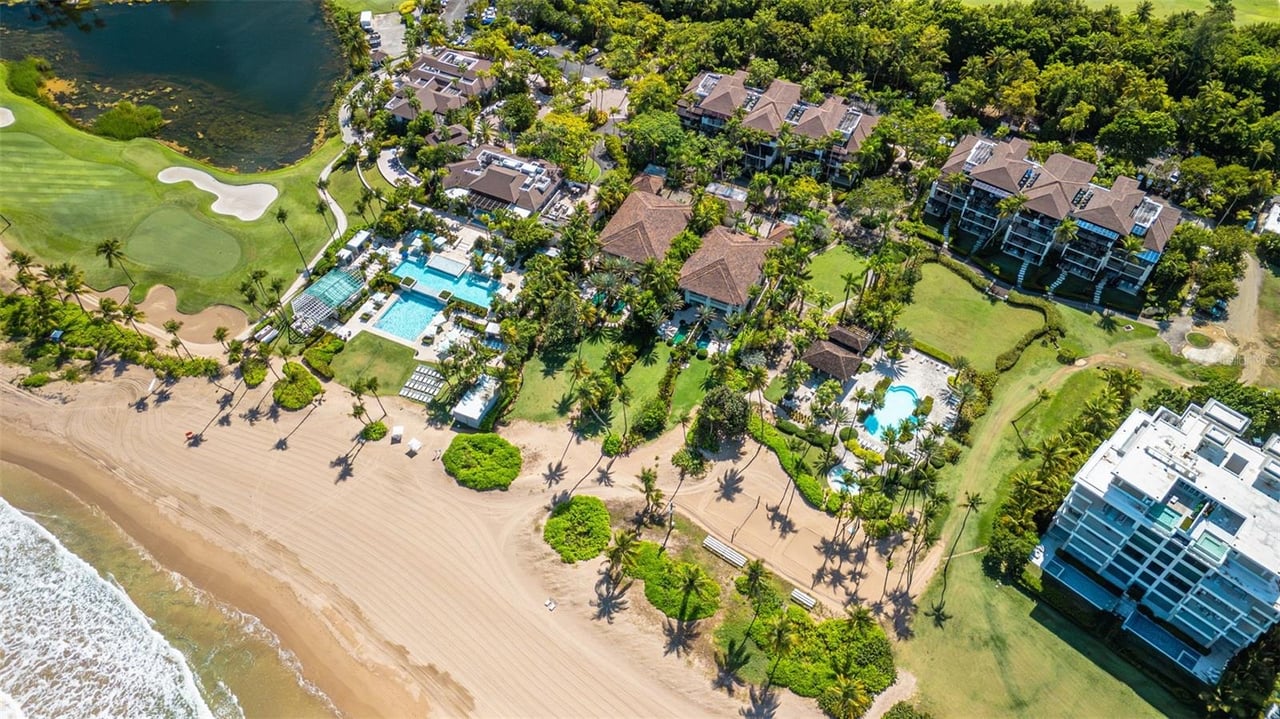
In resort-driven environments like Dorado Beach, reductions without context undermine lifestyle value. Buyers here evaluate total cost of ownership, not just headline price. Ownership context matters here:
https://investatepr.com/blog/dorado-beach-real-estate-strategy-2026
Even experienced owners often assume: any reduction is better than none, buyers respond emotionally to lower prices and the market will “reward” flexibility.
In reality: buyers reward clarity, not flexibility; reductions without explanation weaken trust; and repeated cuts signal loss of control.
Before reducing price, high-performing sellers evaluate: Is pricing misaligned, or is positioning wrong? Have ownership costs and governance been framed clearly? Is the buyer profile correct for this market? Is the listing early enough to reset perception?
Often, correcting these factors restores momentum without touching price.
If your property is in a resort-driven market:
Dorado Beach Strategic Hub (2026)
https://investatepr.com/blog/dorado-beach-real-estate-strategy-2026
If you’re selling a high-end condo in a benchmark market:
Condado Condo Strategic Hub (2026)
https://investatepr.com/blog/condado-condo-real-estate-strategy-2026
For a broader seller framework:
Seller Master Hub (Dorado & Condado)
https://investatepr.com/blog/puerto-rico-high-end-seller-strategy
In Puerto Rico’s high-end market, price reductions don’t fix misalignment.
They communicate it. When executed early and strategically, they can reset leverage.
When used reactively, they often accelerate value erosion. Understanding the difference is what separates controlled outcomes from costly ones.
Should I reduce the price if my luxury home isn’t selling?
Not automatically. Many stalled listings improve outcomes by correcting positioning and ownership clarity before reducing price.
Do price reductions attract better offers?
Only when buyers perceive the reduction as intentional and market-aligned, not reactive.
How much should a high-end price reduction be?
It depends on market, timing, and buyer benchmarks. Small cuts rarely change buyer behavior.
Stay up to date on the latest real estate trends.


High-End Market Insights
Four homes closed above a million dollars in the twelve months to 7 October 2026. The highest was $1,300,000.

Auberge runs the hotel. Juniper Capital and Capital United own the land. What a buyer should know before the first homes break ground.


Act 60, the 1 January 2027 deadline, and the three IRS tests the decree does not cover.

255 sales closed above $1 million between January and October 2026. $597.7 million, and eight of every ten inside five municipalities.
LUXURY CONDO
What 2,524 closed sales show, and the two 2026 rule changes that decide what a bank will finance.

What $1,477,000 buys on Puerto Rico's west coast, how it compares to closed sales above $1 million in Rincon and Boqueron, and what the $142 million Aguadilla airport … Read more
We connect discerning buyers and sellers with the island’s most exclusive real estate opportunities. Our expertise and network ensure seamless transactions for both relocation under Act 60 and the sale of distinguished estates. We combine discretion, strategy, and global reach to represent your interests with excellence.