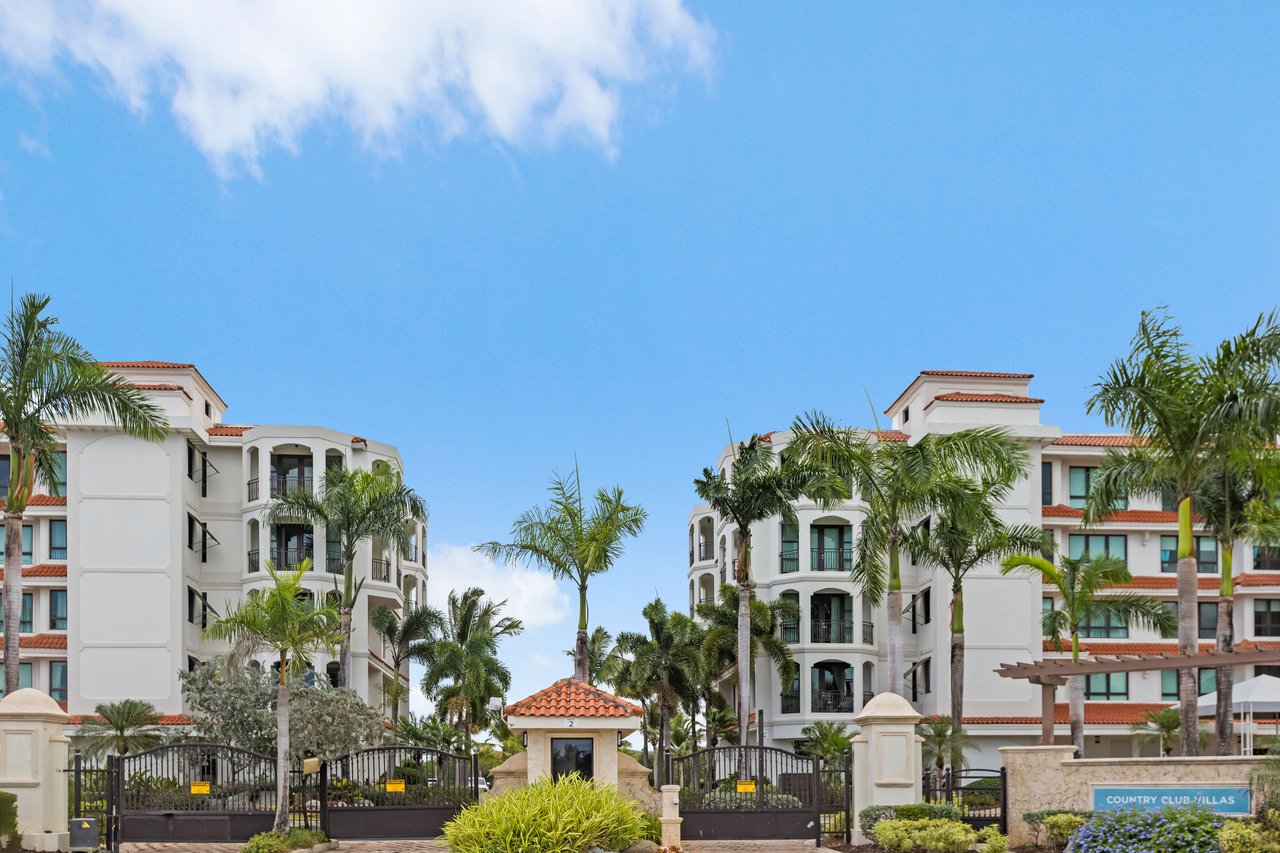
Buying a Resort Home in Puerto Rico: What Buyers Often Overlook
Puerto Rico Buying Guides Lizvette Robles September 14, 2026
Puerto Rico Buying Guides Lizvette Robles September 14, 2026
Buying a home inside a Puerto Rico resort community can look deceptively simple. Find the view. Choose the residence. Negotiate the price. Close.
But resort real estate adds layers that may not be obvious from a listing. A beautiful property can belong to a condominium with significant future assessments. A residence inside a golf resort may not automatically include full golf membership.
A beachfront condominium may have different insurance responsibilities than the buyer expects. A property marketed as suitable for short-term rental may still have association, management or regulatory restrictions that need to be verified. And a multimillion-dollar asking price may be based on new-development positioning rather than relevant closed comparable sales.
That is why sophisticated buyers should ask a different question:
For buyers considering Puerto Rico resort real estate, the answer can involve the property, association, infrastructure, amenities, services, restrictions and long-term ownership costs.
Before purchasing, buyers should investigate at least: HOA and condominium fees. Master-community fees. Current and potential special assessments. Insurance structure. Flood-zone information. Generator and backup-power capacity. Water-storage systems. Rental restrictions. Resort and club privileges. Membership costs. Property taxes. Property-management requirements. Relevant closed comparable sales. New-construction or developer risk, when applicable. What actually transfers with the property.
The listing tells you what is being marketed. Due diligence tells you what you are buying.
This is one of the easiest assumptions to make. A property can be located inside a resort community without automatically including every resort amenity. Depending on the property, buyers may need to distinguish between: property-owner privileges, HOA amenities, Country Club membership, hotel amenities, resort services, golf privileges, and separate paid memberships.
For example, Rio Mar Country Club maintains separate membership categories rather than buyers simply assuming that purchasing any Rio Mar residence provides unrestricted club access. The same principle applies elsewhere. Before purchasing, ask:
And get the answer based on the specific residence.
A listing may show a monthly HOA. That number alone is not enough. Resort ownership can involve multiple layers: condominium HOA, master-community fee, club membership, resort/service fees, insurance and property management.
A buyer comparing two properties should therefore not ask only: “Which HOA is lower?” Ask: What does each fee include? A higher HOA that adequately funds insurance, reserves, generators, security and exterior maintenance may potentially represent a healthier ownership structure than a lower fee with inadequate reserves.
For a deeper analysis, see our guide to the cost of owning luxury real estate in Río Grande.
Special assessments can materially affect ownership cost. Before purchasing a condominium or HOA property, buyers should investigate: current assessments, approved future assessments, major planned capital projects, reserve funding, insurance increases, and deferred maintenance.
Possible projects can include: roof replacement, painting, waterproofing, elevators, generators, structural work, common-area improvements, and other major repairs.
A low purchase price can become less attractive if a substantial assessment follows shortly after closing.
Puerto Rico buyers should understand exactly how the property is insured. For condominiums, there may be a master policy covering certain common elements. The owner may still need separate coverage.
Questions should include: What does the master policy cover? What does it exclude? What is the deductible? What must the individual owner insure? Is flood coverage applicable? What coverage will a lender require? Have premiums changed materially?
Insurance should be investigated before closing, not after ownership begins.
Beachfront ownership in Puerto Rico can be extraordinary. It also comes with a physical environment that buyers should respect. Salt, humidity, sun and wind can affect: metal, railings, exterior fixtures, air-conditioning equipment, windows, doors, outdoor furniture, and electronic equipment.
This does not make coastal property a poor investment. It means: Maintenance quality matters more near the ocean. A recently renovated beachfront property can still deserve careful inspection of exterior systems and equipment.
Backup power is one of the most important practical considerations in Puerto Rico. But buyers should not stop after confirming that a generator exists. Ask: Is it full power or partial power? What systems does it support? Is it private or shared? What is the fuel source? How large is the fuel capacity? Who maintains it? How old is it? Who pays for replacement? Does it power the air conditioning?
A condominium's full-building generator and a private home's generator are fundamentally different ownership situations.
Backup water is another important consideration. Determine whether the property has: a private cistern, a building cistern, a community water-storage system, or no meaningful backup system.
Then ask: What is the capacity? What does it serve? Who maintains the pumps? Is the system automatic?
For a luxury property, resilience is part of the ownership experience.
A resort address does not automatically mean Airbnb is permitted. Rental restrictions can exist at multiple levels: condominium, HOA, master community, resort program, and Puerto Rico regulatory requirements.
A buyer should verify the rules applicable to the exact property. Do not rely solely on: “Other units are doing Airbnb.” That does not necessarily establish the legal or contractual rights of the property being purchased.
The correct question is:
Even when short-term rental is permitted, that does not mean the property is a good investment. A buyer should analyze: expected occupancy, average nightly rate, seasonality, management fees, housekeeping, utilities, insurance, HOA, repairs, furnishing replacement, platform costs, and tax obligations.
Gross revenue is not return on investment. A property can produce impressive booking revenue and still have mediocre net economics.
Golf-oriented buyers should pay particular attention to membership. A residence may sit beside a golf course without automatically including full membership. For example, Rio Mar Country Club currently maintains separate Golf, Sports and Social membership categories.
A buyer who expects to play several times per week should calculate that cost before purchasing. For details, see our Rio Mar Country Club & Membership guide. The same principle applies across resort communities: Never assume the lifestyle shown in the marketing brochure is included in the deed.
These terms can materially influence pricing. They should not be treated as synonyms. Beachfront generally suggests a direct relationship with the beach. Oceanfront indicates positioning directly toward the ocean but should still be evaluated physically.
Ocean view may describe anything from an unobstructed panorama to a partial view from one terrace. Before paying a premium, determine: what you actually see, from which rooms, whether the view is protected, and what sits between the residence and the shoreline.
For more detail, see our Beachfront vs. Golf-Front Real Estate in Río Grande guide.
This is particularly important with vacant land and developing resort communities. Before paying a substantial premium for a view, investigate: adjacent parcels, future development, zoning, planned buildings, vegetation, and developer plans where applicable.
A beautiful view today should not automatically be assumed to remain identical forever.
Luxury resort buyers frequently ask: “What is the price per square foot?” It is a useful metric. But it can become misleading when used without context. A $/SF comparison may ignore: beachfront positioning, private pools, terraces, lot size, brand affiliation, renovation, ceiling height, view, services, new construction, and outdoor living.
Two properties can be inside the same resort and still belong to completely different comparable sets.
This principle is especially important in Puerto Rico's luxury communities. At Bahia Beach, a Las Verandas condominium and a private Las Estancias estate may share the same broader community. That does not make them direct comparables.
At Grand Reserve, a Country Club Residence and an Amané estate can both be associated with Grand Reserve. Again: not direct comparables. At Rio Mar, different condominium clusters can trade at materially different price-per-square-foot levels.
The community name is the beginning of the valuation analysis. It is not the conclusion.
A listing tells you what a seller wants. A closed transaction tells you what a buyer agreed to pay. Both matter. But they answer different questions. This becomes particularly important with newer luxury development.
A developer may introduce a new product at a significant premium over established resale inventory. That premium may ultimately prove justified. But buyers should distinguish: market evidence from market positioning.
Before making an offer, understand the relevant closed sales and why the subject property deserves to trade above, below or near them.
New construction can be attractive because buyers may receive: modern layouts, new systems, current design, new amenities, and less immediate renovation.
But it introduces different questions. Buyers should understand: deposit schedule, completion timeline, construction specifications, what is included, upgrade costs, developer obligations, estimated HOA, closing requirements, assignment restrictions, resale restrictions, and what happens if construction changes or is delayed.
Renderings are marketing tools. The contract controls the transaction.
This deserves particular attention with new developments. A projected HOA is based on assumptions. An established condominium has actual operating history. Those are not the same thing.
When evaluating new construction, ask: How was the projected fee calculated? What services are included? What happens as additional phases open? Who controls the association initially? When does owner control transition? What reserves are being funded?
A low projected HOA should not automatically be viewed as an advantage.
Branded residences can offer a compelling ownership experience. Potential benefits can include: service, property management, hospitality infrastructure, recognition, rental programs, and resale visibility.
But buyers should investigate: what rights are attached to the real estate versus what depends on a management, service or branding agreement. This distinction matters because hospitality brands can change over time. Bahia Beach itself provides a useful reminder: its resort transitioned from St. Regis to Four Seasons.
For buyers considering this segment, see our Four Seasons Puerto Rico Residences guide.
A branded residence buyer should ask: What happens if the hotel brand changes? Which services continue? Which rights are contractual? Can fees change? Does the rental program continue? How does a brand transition affect resale?
This does not mean buyers should avoid branded residences. It means the buyer should understand the distinction between: real estate value and brand-dependent value.
A luxury resort does not eliminate the normal requirements of a Puerto Rico transaction. Buyers still need appropriate: title review, financing coordination when applicable, inspection, closing documentation, association information, and legal and tax guidance where appropriate.
The resort environment may make the transaction feel more turnkey. The underlying real estate still requires due diligence.
The inspection should not simply be a search for cosmetic defects. Depending on the property, buyers may want appropriate professionals to evaluate: roof, electrical, plumbing, air-conditioning, generator, cistern, pool equipment, windows and doors, water intrusion, structural concerns, and other major systems.
For condominiums, buyers should also understand which components belong to the owner and which belong to the association. A beautiful interior can distract from expensive infrastructure issues.
The inspector evaluates the physical property. Association documents help buyers understand the organization surrounding it. Where available and applicable, buyers may want to review information regarding: bylaws, rules and regulations, financial statements, budgets, reserves, insurance, assessments, rental restrictions, and pending capital projects.
A perfect apartment inside a financially troubled condominium can still create ownership problems.
Buyers using financing should investigate lender requirements early. Certain factors can affect financing, including: property type, condominium financials, insurance, occupancy, rental use, appraisal, and project characteristics.
This becomes particularly important with luxury properties where limited comparable sales can make appraisal more complex. A signed contract price does not guarantee an appraisal at the same value.
Cash can strengthen a buyer's negotiating position. It should not reduce due diligence. In several luxury Río Grande segments, cash transactions are common. But paying cash does not answer: Is the property correctly priced?
A cash buyer still benefits from understanding: closed comparables, competitive inventory, replacement alternatives, property condition, carrying costs, and future resale audience.
Being able to pay the price and determining that the price is justified are separate questions.
Some relocation buyers begin their Puerto Rico search because of Act 60. That is understandable. But the tax strategy and the real estate strategy should remain separate analyses.
A buyer should choose a home based on: lifestyle, location, budget, ownership cost, property quality, and long-term suitability.
Act 60 eligibility and compliance should be evaluated with qualified tax and legal professionals. The best tax strategy does not make the wrong house the right house.
A second-home buyer may prioritize: lock-and-leave convenience, property management, beach, golf, resort service, and easy maintenance.
A full-time resident may care more about: storage, daily commute, schools, healthcare, groceries, pets, parking, community, and everyday practicality.
The same residence can be an extraordinary second home and an inconvenient primary residence. Know which one you are buying.
Luxury buyers should consider resale before purchasing. Ask: Who is the likely next buyer? Is this property unusual in a good way or difficult way? How many similar properties exist? How liquid is this price segment? Is the value dependent on one specific buyer profile? How much competing new inventory may exist later?
You do not need to purchase only what is easiest to resell. But you should understand the future buyer pool.
Resort markets create powerful emotional reactions. Ocean. Golf. Architecture. Hotel brands.
New construction. All can influence buyers. But the strongest purchase is usually the property where several factors align: location + product + condition + lifestyle + carrying cost + price.
A spectacular property can still be overpriced. A less dramatic property can sometimes be the stronger long-term purchase.
For serious resort purchases, buyers should build a file for each property being considered. Include: asking price, relevant closed sales, price per square foot, HOA, other community fees, insurance, CRIM, club costs, rental rules, generator, cistern, inspection findings, special assessments, management expenses, furnishings included, and estimated annual carrying cost.
Then compare properties side by side. This removes much of the emotion from the financial part of the decision.
The final comparison should go beyond bedrooms and square footage. Ask: What does a normal Tuesday look like here? That question can reveal more than a listing.
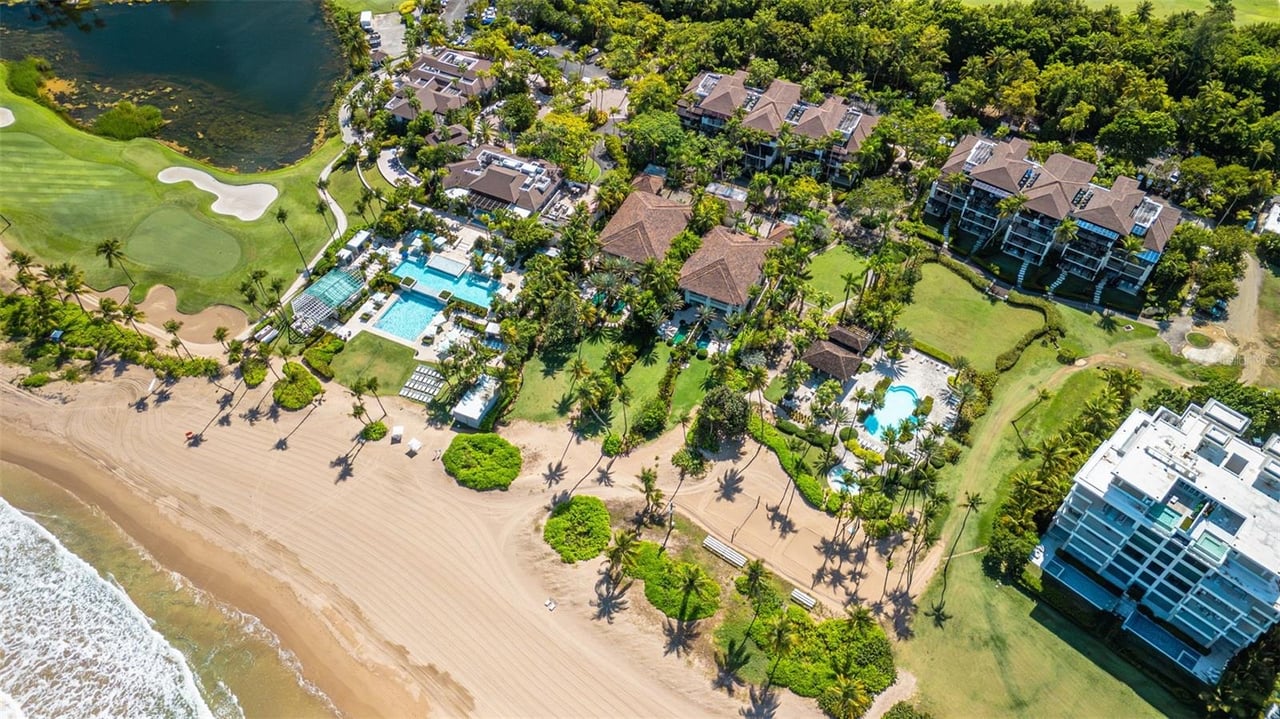
At Bahia Beach, the answer may revolve around nature, beach and a highly curated resort environment. At Rio Mar, it may involve golf, tennis and an active Country Club. At Grand Reserve, it may center on golf and newer luxury development.
In Dorado, the answer will be different again. The best resort property is not necessarily the one with the longest amenity list. It is the one whose amenities you will actually use.
The underlying real estate transaction follows Puerto Rico requirements, but resort properties can add HOA structures, memberships, rental restrictions, resort services and other ownership considerations.
Not necessarily. Property-owner privileges, hotel amenities, club membership and resort services may be separate. Buyers should verify the specific rights associated with the property.
They vary significantly. More important than the amount is understanding what the fee covers, whether additional community fees exist and whether reserves are adequately funded.
It depends on the specific property, association rules, resort restrictions and applicable Puerto Rico requirements. Never assume STR permission based solely on the resort.
Backup power is an important consideration for many Puerto Rico buyers. The appropriate system depends on the property. Buyers should determine whether backup power exists and exactly what it supports.
Neither is universally better. Beachfront offers scarcity and direct ocean connection, while golf-front can provide open views and a golf-centered lifestyle. Maintenance, insurance, privacy and pricing should also be considered.
Brand affiliation can influence buyer demand and may provide services and recognition, but buyers should understand exactly what the brand relationship includes and evaluate relevant comparable sales.
Not necessarily. New construction may reduce immediate renovation needs but introduces developer, delivery, projected-fee and construction risks. Existing properties have different due diligence considerations.
A cash buyer may not be required by a lender to obtain an appraisal, but independent valuation analysis can still be useful when determining whether the purchase price is supported.
Resort communities can appeal to relocation buyers, but purchasing a particular property does not establish Act 60 eligibility. Tax matters should be evaluated separately with qualified professionals.
At minimum, understand the property's relevant comparable sales, HOA and community costs, insurance, taxes, rental rules, resort privileges, backup systems, condition and any known assessments.
Buying resort real estate in Puerto Rico is not simply about choosing the best view.
The real decision involves several layers:
The property.
The community.
The costs.
The privileges.
The restrictions.
The infrastructure.
The comparable sales.
And ultimately:
the way you intend to live.
A buyer who understands all of those layers before closing is in a much stronger position than one who focuses only on price, amenities or brand.
The goal is not simply to buy inside the right resort.
It is to buy the right property inside the right resort, under the right ownership structure.
Whether you are considering Bahia Beach, Four Seasons, Wyndham Grand Rio Mar, Grand Reserve or another Puerto Rico resort community, property-specific due diligence matters.
At InvEstate Puerto Rico, we help buyers evaluate relevant comparable sales, ownership costs, community structures, property condition and the practical differences that may not be obvious from online listings.
Contact InvEstate Puerto Rico for private buyer representation and property-specific guidance before purchasing resort real estate in Puerto Rico.
Stay up to date on the latest real estate trends.

Act 60, the 1 January 2027 deadline, and the three IRS tests the decree does not cover.

255 sales closed above $1 million between January and October 2026. $597.7 million, and eight of every ten inside five municipalities.
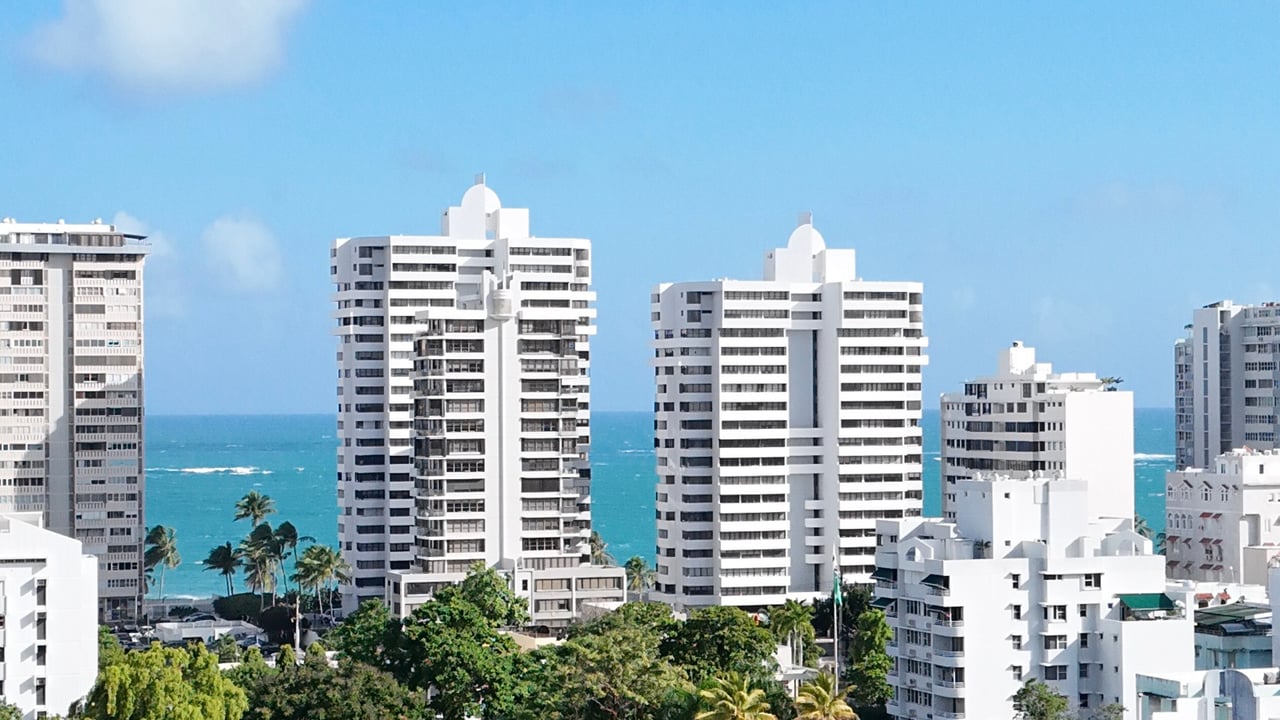
LUXURY CONDO
What 2,524 closed sales show, and the two 2026 rule changes that decide what a bank will finance.
What $1,477,000 buys on Puerto Rico's west coast, how it compares to closed sales above $1 million in Rincon and Boqueron, and what the $142 million Aguadilla airport … Read more

Condado · Buyer Guides · New Developments · Luxury Real Estate
What is still available, how to read the square footage, and what the project does not publish.

LUXURY CONDO
Fannie Mae and Freddie Mac raise the minimum condo reserve requirement to 15%. Puerto Rico law requires 5% - and lets buildings stop contributing altogether.
We connect discerning buyers and sellers with the island’s most exclusive real estate opportunities. Our expertise and network ensure seamless transactions for both relocation under Act 60 and the sale of distinguished estates. We combine discretion, strategy, and global reach to represent your interests with excellence.