
Law 180-2025 in Puerto Rico: Capital Gains Exemption for Primary Residence Sales
Puerto Rico Luxury Insights Lizvette Robles December 29, 2025
Puerto Rico Luxury Insights Lizvette Robles December 29, 2025
Law 180-2025 lets qualifying homeowners in Puerto Rico exclude the capital gain on the sale of their principal residence, provided the home was occupied continuously by the seller or the seller's family as a principal residence for at least two of the five years before the sale, was never rented, short-term or long-term, at any point during those five years, and the sale falls in a tax year beginning after December 31, 2024. The exemption does not apply to holders of an Individual Resident Investor decree (Section 2022.02 of the Incentives Code, the former Act 22), investment properties, second homes or any property with mixed personal and rental use. It exempts Puerto Rico income tax and the alternate basic tax on that gain only, it is not automatic, and eligibility has to be verified and documented before you list. One clause in the enacted text, referring to homes purchased above 150% of the municipality's FHA loan limit, is read by some CPAs as a cap on eligibility; see the warning below.
The law represents a meaningful shift in how residential sales are taxed on the island and has direct implications for homeowners deciding whether to sell. Historically, capital gains on residential sales in Puerto Rico were taxable; this law introduces a significant exception for owner-occupied homes. This guide explains how it works, who qualifies, who does not and what to consider before listing. It was first published on December 29, 2025 and last updated on September 21, 2026, after a review of the enacted text of the law.
To qualify, all of the following must be true. The property was the seller's principal residence, occupied continuously by the seller or the seller's family for at least two of the five years immediately before the sale. The statute defines family as the spouse and relatives within the fourth degree of consanguinity or the second degree of affinity. The home was never rented, short-term or long-term, at any point during those five years. The sale falls in a tax year beginning after December 31, 2024. And the seller does not hold an Individual Resident Investor decree under Section 2022.02 of the Incentives Code (the former Act 22-2012). Other Act 60 decrees, such as export services, are not named as an exclusion in the statute; confirm your specific decree with your CPA. Failing any single requirement may disqualify the transaction.
Inherited homes have their own test: the exemption applies if the deceased occupied the property continuously during the two years before death and it was never rented, short-term or long-term, after the date of death.
Law 180-2025 does not apply to investment properties, short-term rental properties such as Airbnb or vacation rentals, long-term rentals, second homes or vacation residences, properties owned by holders of an Individual Resident Investor decree (Section 2022.02, former Act 22), or properties with mixed personal and rental use during the qualifying period. That last exclusion matters particularly in Puerto Rico, where many homes have been partially rented or converted over time, and it is where most sellers who assume they qualify find out they do not.
As enacted, subsection (c) of Section 6060.05 of the Incentives Code also contains the phrase "properties acquired for a purchase price exceeding 150% of the Federal Housing Administration (FHA) loan limit applicable to the municipality" immediately before the exemption language. The drafting is ambiguous: it can be read as part of the older Impulso a la Vivienda program rules, or as a purchase-price cap on the new exemption. Some CPAs apply it as a cap, which for 2026 works out to roughly $812,000 in most of Puerto Rico and higher in some metro municipalities; others do not mention it. For a home purchased above that level, this single point can decide whether the exemption applies. Do not list on the assumption that it does; get a written opinion from your CPA first.
For qualifying homeowners the law can mean significantly higher net proceeds at closing, more flexibility in pricing strategy, better timing incentives and less tax friction when moving to another residence. For some sellers the savings alone materially change the decision to sell. If you are weighing what a sale will actually net, our guide to capital gains tax when selling property in Puerto Rico covers the full picture, including sellers who do not qualify.
We expect Law 180-2025 to encourage owner-occupants to list, increase movement in established residential neighborhoods, create more strategic sale windows tied to tax eligibility, and shift the seller conversation from price alone to net outcome. That is a healthy change. A seller who understands their net position negotiates differently from one who is anchored only to the asking price.
Qualifying is not automatic. Determining eligibility requires careful review of residency history, rental activity (even short periods matter), ownership structure, incentive status and the timing of acquisition and sale. Assumptions without verification lead to unexpected tax exposure, which is why we ask sellers to confirm eligibility with a CPA or attorney before the listing goes live rather than after an offer arrives.
No. It exempts capital gains tax only, and only if all statutory requirements are met.
No. Eligibility must be verified and properly documented.
Any rental use during the qualifying period may disqualify the exemption. Each case must be evaluated individually.
No. The property must be the seller's primary residence.
Holders of an Individual Resident Investor decree under Section 2022.02 of the Incentives Code (the former Act 22) are excluded. The statute does not name other Act 60 decrees, such as export services; confirm your specific decree with your CPA.
Potentially, but residency, ownership and use must be analyzed carefully.
Conceptually similar, but governed by Puerto Rico law, with different requirements and interpretations.
Yes. Proper tax and legal guidance is strongly recommended before listing.
Yes. Net proceeds, not only sale price, should now factor into pricing decisions.
The enacted text contains a clause referring to properties acquired for more than 150% of the FHA loan limit for the municipality. Some CPAs read it as an eligibility cap, roughly $812,000 in most of the island for 2026; others do not. If your home was purchased above that level, treat eligibility as an open question and get a written opinion before listing.
It can qualify if the deceased occupied it continuously during the two years before death and it was never rented after the date of death.
Law 180-2025 is one of the most impactful changes to residential real estate taxation in Puerto Rico in recent years, and for a homeowner considering a sale, understanding eligibility before listing is now part of the job. If you think you qualify, tell us the property's history and we will help you and your CPA confirm it before we price the home.
Sources: Law 180-2025 (H.B. 502), signed December 19, 2025, amending Section 6060.05 of Act 60-2019; Microjuris al Día, December 28, 2025.
Antonio Cartagena, Broker Lic. C-13471 · Lizvette Robles, Lic. 23765 · (787) 717-6443
This content is for informational purposes only and does not constitute legal or tax advice. Eligibility under Law 180-2025 depends on individual circumstances and applicable regulations.
Stay up to date on the latest real estate trends.
Condado · Buyer Guides · Puerto Rico Real Estate · Luxury Real Estate
HOA Fees, Insurance, Property Taxes, Assessments and the Expenses Buyers Should Understand Before Purchasing in Condado

LUXURY COMMUNITIES
44 residences from $1.2M between Garden Hills and San Patricio. What $818 per square foot means if you are buying, and what it changes if you already own in the area.

LUXURY COMMUNITIES
Forty Stellar MLS closed sales across eight communities, from $136 to $3,110 per square foot, what sellers actually accept, and what the maintenance fee adds.
LUXURY COMMUNITIES
Condado and Isla Verde in San Juan, West Beach and Costa Dorada in Dorado, and Bahía Beach, Rio Mar and Coco Beach in Río Grande: closed-sale prices, buildings, fees a… Read more
Condado · Buyer Guides · New Developments · Luxury Real Estate
How to Compare Pricing, Amenities, HOA Costs, Market Evidence and Long-Term Value Before Buying a Condo in Condado
Condado · New Developments · Luxury Real Estate · Buyer Guides
A Buyer’s Guide to 1120 Ashford Avenue, New Construction, Pricing and How The ICON Fits Into Condado’s Changing Luxury Market
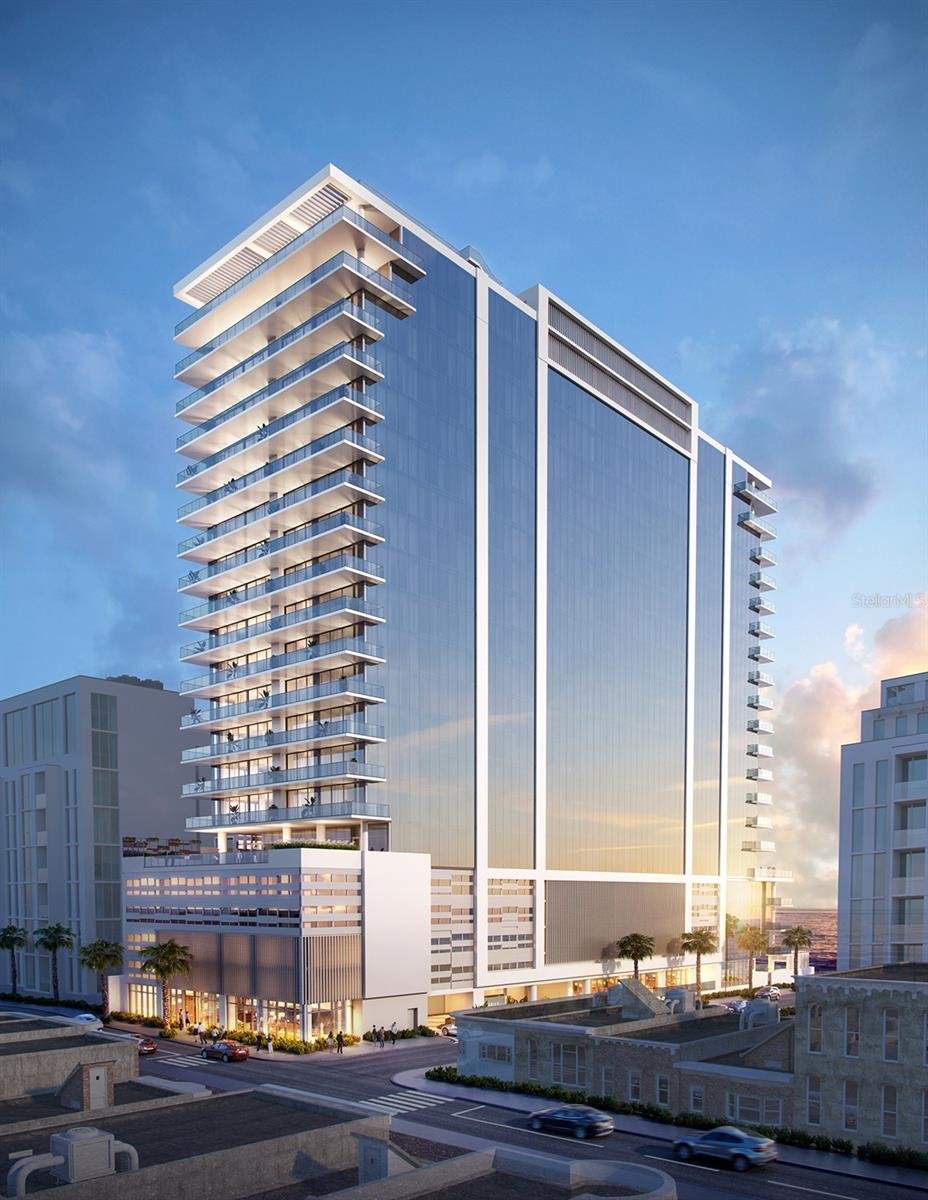
Condado, New Developments, Luxury Real Estate, Buyer Guides
A Buyer’s Guide to Condado’s New Oceanfront Luxury Development, Amenities, Pricing and Market Position

MARKET ANALYSIS
60 Closed Sales, $73.9M in Volume — and a New Generation of Luxury Development Is Reshaping Condado
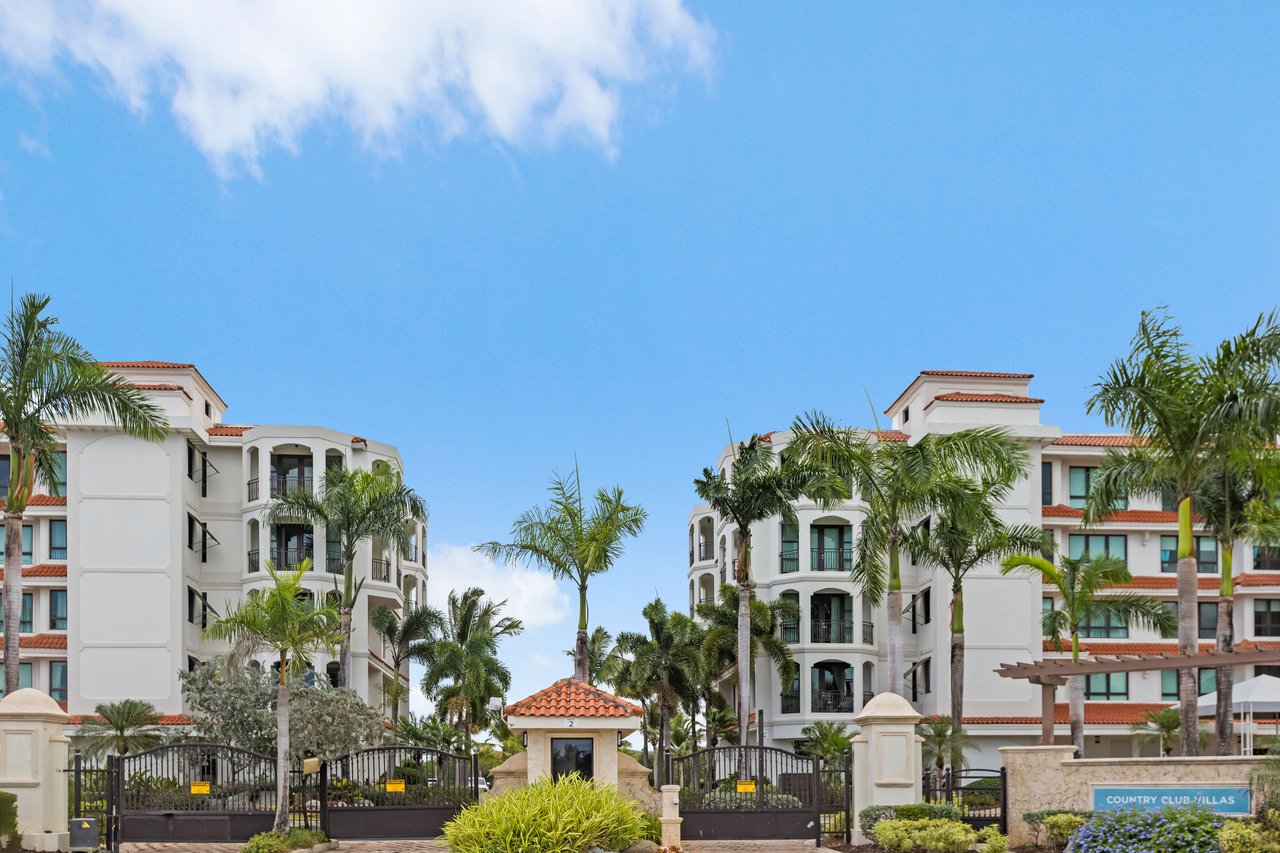
Puerto Rico Buying Guides
HOA structures, insurance, backup infrastructure, rental restrictions, resort privileges and comparable sales can matter as much as the view. Here’s what buyers should… Read more
We connect discerning buyers and sellers with the island’s most exclusive real estate opportunities. Our expertise and network ensure seamless transactions for both relocation under Act 60 and the sale of distinguished estates. We combine discretion, strategy, and global reach to represent your interests with excellence.