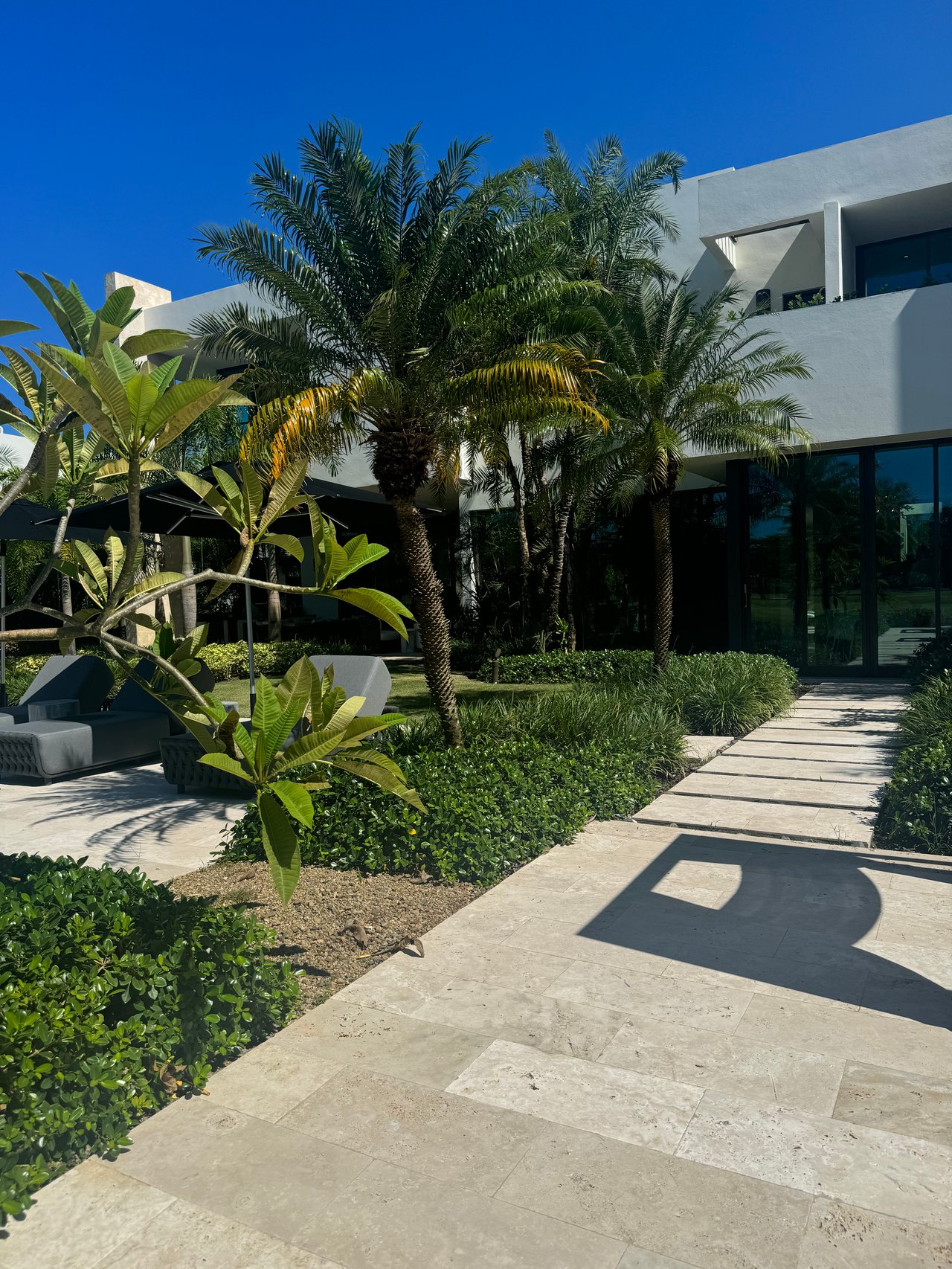
What the 2025 HUD Report Really Reveals About Puerto Rico Real Estate
Market Insights Lizvette Robles March 25, 2026
Market Insights Lizvette Robles March 25, 2026
Puerto Rico's real estate market is undergoing a structural shift, not a temporary cycle. According to the 2025 HUD Comprehensive Housing Market Analysis, home prices increased approximately 25 percent year over year while inventory remains constrained and demand continues to rise on migration trends, tax incentives and limited new construction. That combination is reshaping affordability and long-term market dynamics across Dorado, Condado, Guaynabo and Río Grande, and it changes how both buyers and sellers should read the market.
The latest HUD analysis confirmed what many had already sensed: Puerto Rico's housing market is tightening. Prices are rising, inventory remains constrained and demand keeps growing. But focusing only on the headline, a roughly 25 percent year-over-year increase in home prices, misses the real story. This is not just a price cycle. It is a structural shift.
In many U.S. markets, price increases follow predictable cycles of expansion, stabilization and correction. Puerto Rico is behaving differently. The HUD data shows a combination of forces rarely aligned at the same time: sustained demand driven by relocation and tax incentives, reduced housing inventory after years of underbuilding, investor activity including conversion to short-term rentals, and rising construction costs limiting new supply. Together those factors are not creating a temporary spike. They are redefining how the market functions.
One of the most important insights in the report is not demand but supply. Housing construction has not kept pace, and recent permitting trends suggest a further slowdown. At the same time, existing inventory remains limited, desirable areas continue to see concentrated demand, and new development faces cost and regulatory challenges. That imbalance is what keeps the market tight even as prices rise.
While Puerto Rico's median home price remains below the mainland's, the comparison can mislead. Income levels on the island are significantly lower, which creates a widening gap between local purchasing power and market pricing influenced by external capital. The result is a market where affordability becomes increasingly complex, especially for first-time and local buyers.
The report also highlights the impact of investor activity. Short-term rentals in particular have contributed to reduced long-term housing supply, increased competition for existing inventory and upward pressure on prices in certain areas. Combined with Act 60-driven relocation, that has introduced a layer of demand that did not exist at this scale a decade ago.
Many buyers approach Puerto Rico expecting a discount market. They assume prices are lower, inventory is abundant and timing is flexible. In reality inventory is selective rather than abundant, pricing is driven by scarcity rather than comparables alone, and hesitation often leads to missed opportunities. Understanding the structure of the market now matters more than timing it.
For sellers, the current environment offers opportunity, but not without nuance. Demand exists, and it is selective, informed and highly sensitive to pricing. Overpricing in a tight market does not create leverage. It creates hesitation. Strategic positioning remains the difference between attracting attention and losing momentum.
The most important takeaway from the HUD report is that Puerto Rico's real estate market is not overheating. It is evolving. Limited supply, sustained demand and external capital are creating a more disciplined, more selective and more complex market. Within the island the dynamic plays out differently by area, and buyers evaluating relocation or investment typically compare Dorado, Condado, Guaynabo and Río Grande, each with its own balance of lifestyle, inventory, pricing structure and long-term value. Our market outlook for the second half of 2026 takes the same structural view forward.
The question is no longer whether prices are going up. The question is whether you understand why, because in a market like this, understanding the structure is what protects your decision. This analysis is based on our day-to-day experience advising buyers and sellers across Puerto Rico's high-end residential markets, combined with the publicly available Comprehensive Housing Market Analysis published by the U.S. Department of Housing and Urban Development. If you want the numbers applied to a specific community or property, tell us where you are looking and we will walk you through them.
Antonio Cartagena, Broker Lic. C-13471 · Lizvette Robles, Lic. 23765 · (787) 717-6443
Stay up to date on the latest real estate trends.

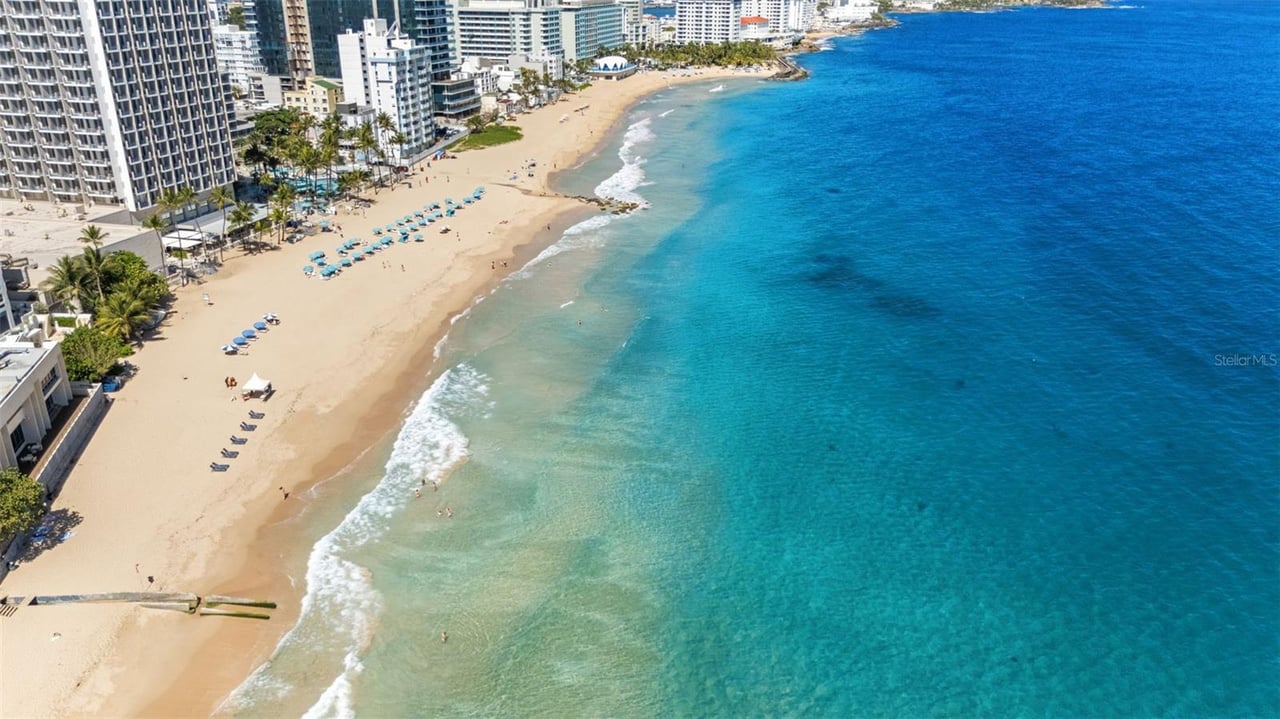
Condado · Relocation · Buyer Guides · Puerto Rico Real Estate
What Buyers Should Know About Walkability, Schools, Healthcare, Condos, Transportation and Choosing the Right Property Before Moving to Condado

Act 13-2026 gives you a deadline to see the building rules. Act 157-2026 moves disputes out of DACO and into the courts.
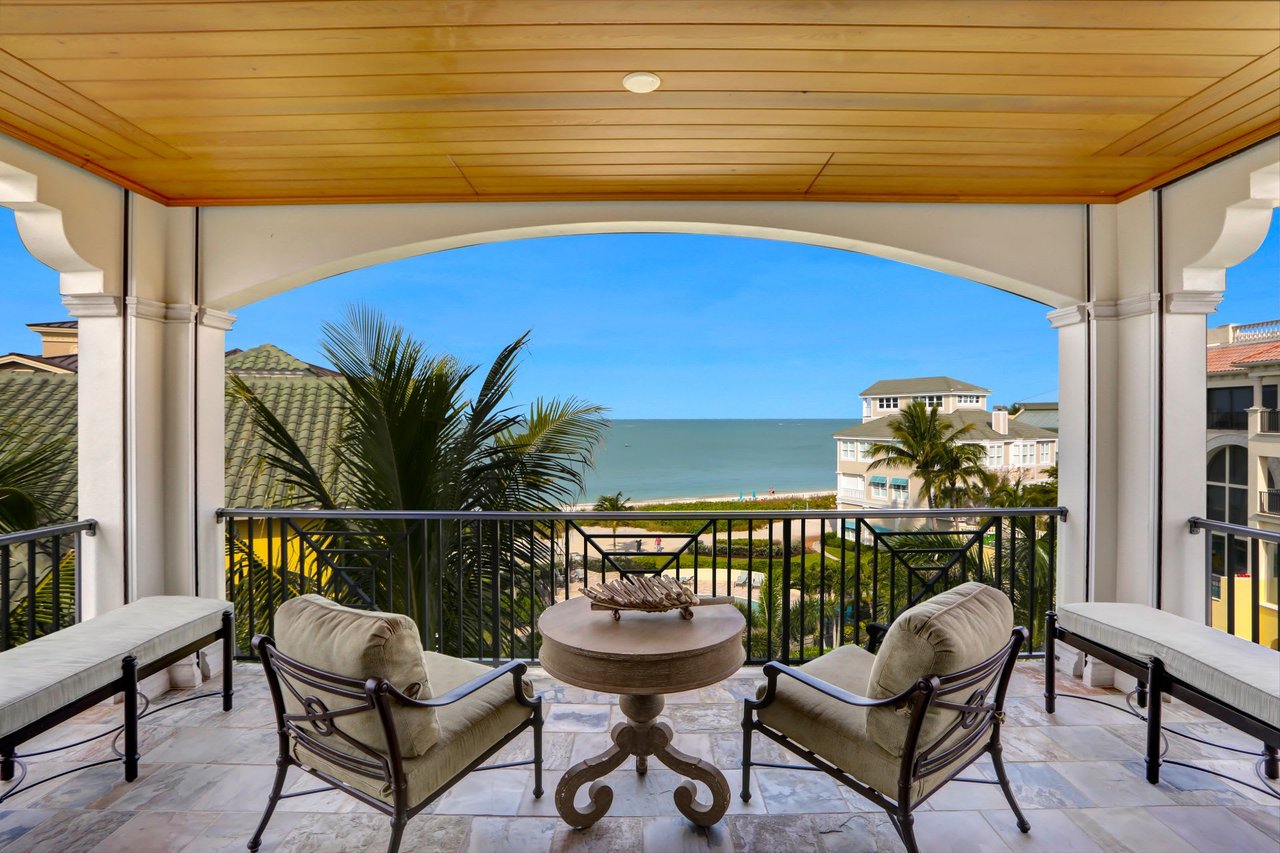
Condado · Buyer Guides · Luxury Real Estate · Puerto Rico Real Estate
How Views, Exposure, Location, Noise, Walkability and Resale Position Differ Across Condado’s Two Waterfronts
Condado · Buyer Guides · Puerto Rico Real Estate · Luxury Real Estate
HOA Fees, Insurance, Property Taxes, Assessments and the Expenses Buyers Should Understand Before Purchasing in Condado

LUXURY COMMUNITIES
44 residences from $1.2M between Garden Hills and San Patricio. What $818 per square foot means if you are buying, and what it changes if you already own in the area.

LUXURY COMMUNITIES
Forty Stellar MLS closed sales across eight communities, from $136 to $3,110 per square foot, what sellers actually accept, and what the maintenance fee adds.
LUXURY COMMUNITIES
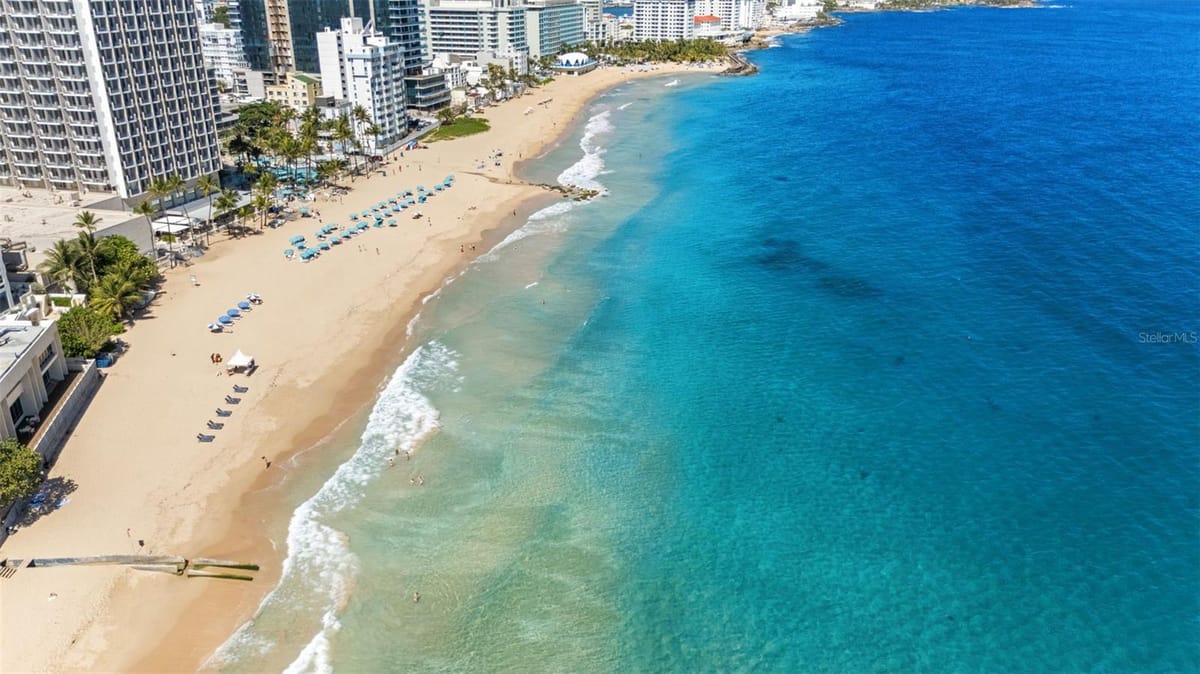
Condado and Isla Verde in San Juan, West Beach and Costa Dorada in Dorado, and Bahía Beach, Rio Mar and Coco Beach in Río Grande: closed-sale prices, buildings, fees a… Read more
Condado · Buyer Guides · New Developments · Luxury Real Estate
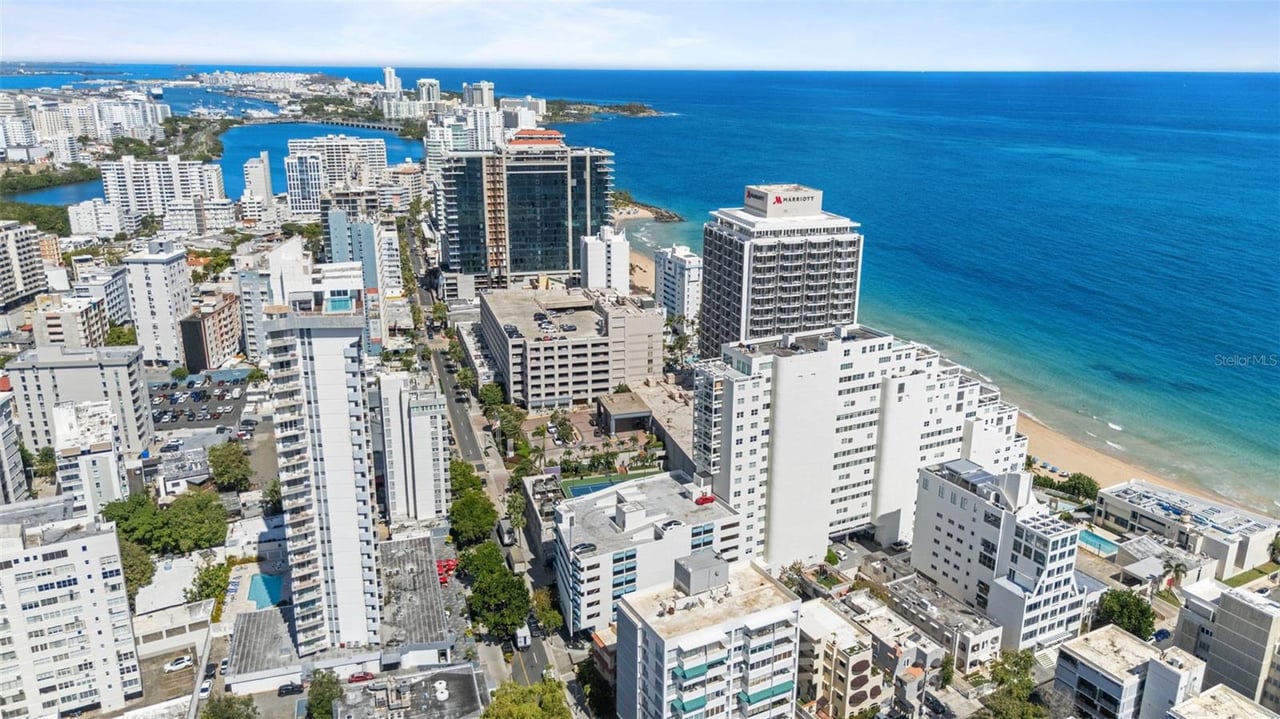
How to Compare Pricing, Amenities, HOA Costs, Market Evidence and Long-Term Value Before Buying a Condo in Condado
We connect discerning buyers and sellers with the island’s most exclusive real estate opportunities. Our expertise and network ensure seamless transactions for both relocation under Act 60 and the sale of distinguished estates. We combine discretion, strategy, and global reach to represent your interests with excellence.