
What $3 Million Buys You in Puerto Rico vs. Miami vs. New York
Puerto Rico Real Estate, Act 60 Relocation, Luxury Real Estate, Buyers Guide Lizvette Robles June 13, 2026
Puerto Rico Real Estate, Act 60 Relocation, Luxury Real Estate, Buyers Guide Lizvette Robles June 13, 2026
For a buyer with $3 million to spend, the question is no longer simply which city has the best real estate. The question is which city gives you the most life for your capital, in square footage, in tax efficiency, in daily experience, and in long-term appreciation. In 2026, that comparison looks very different than it did even five years ago, and Puerto Rico has entered the conversation in a way that most buyers from New York or Miami have not fully priced in.
This guide breaks down what $3 million actually delivers in each of these three markets, not in theory, but in the physical reality of what you can buy, where you will live, and what you will owe. What $3 Million Buys in New York
In Manhattan's prime luxury corridors, the stretches of the Upper East Side, Tribeca, and the Central Park-facing towers that define the city's most coveted addresses, $3 million sits at the lower boundary of entry-level luxury. At current pricing of $2,500 to $3,500 per square foot in top-tier buildings, that budget typically delivers between 850 and 1,200 square feet. For that, a buyer receives a two-bedroom condominium in a well-located but not exceptional building, likely without private outdoor space, and almost certainly without parking included.
The lifestyle that surrounds it is undeniably world-class. New York's cultural infrastructure, professional networks, and culinary scene remain unmatched. But the financial structure that comes with ownership at this price point is relentless. New York State imposes income tax of up to 10.9 percent on top earners. New York City layers its own income tax of up to 3.876 percent on top of that. Combined with federal obligations, a high-income buyer in Manhattan can face an effective marginal rate approaching 50 percent. Property taxes on a $3 million condominium run between $30,000 and $50,000 annually depending on the building and abatement status. Common charges in luxury buildings frequently add another $3,000 to $6,000 per month. The cost of living in New York at this level is not just high, it compounds aggressively year over year.
What $3 Million Buys in Miami Miami's luxury market has undergone a structural transformation over the past five years. The city now ranks first in the world for ultra-high-net-worth individuals owning secondary homes, surpassing New York, London, and Paris. The influx of capital from the Northeast, 26.3 percent of Miami's luxury demand originates from the New York metro area alone, has compressed inventory and pushed pricing higher in the most desirable corridors.
At $3 million in Miami, a buyer steps into the genuine luxury tier. In neighborhoods such as Coral Gables, Coconut Grove, Brickell, and Edgewater, that budget delivers a well-appointed condominium of 1,800 to 2,800 square feet in a newer building with resort amenities, or a single-family home in an established neighborhood with a pool. Pricing per square foot in Miami's prime luxury market currently runs between $1,000 and $1,800, offering meaningfully more space than New York for the same investment.
Florida's tax environment, no state income tax, is a genuine advantage over New York, and it has been one of the primary drivers of relocation. But Miami is no longer the relative value it once was. Property taxes in Miami-Dade on a $3 million home run between $35,000 and $55,000 annually. HOA fees in newer luxury towers can add $2,000 to $5,000 per month. And the market itself, while still appreciating, is entering a more normalized cycle after years of exceptional gains, median days on market for luxury listings now sits at approximately 90 to 105 days.
What $3 Million Buys in Puerto Rico
In Puerto Rico's luxury market, $3 million is a serious entry point, not a compromise. In Dorado Beach, the island's premier resort corridor anchored by the Ritz-Carlton Reserve, the median listing price sits at approximately $2.4 million, and $3 million accesses fully finished residences within one of the most amenity-rich private communities in the Western Hemisphere. Villas in Dorado Beach East and West Beach in this price range typically offer 3,000 to 4,500 square feet of interior space, private pools, golf course or ocean views, and full access to resort infrastructure including beach clubs, spa facilities, championship golf, and concierge services.
In Condado, San Juan's premier urban luxury market, $3 million delivers a high-floor penthouse or large condominium with direct ocean views, walkable access to Puerto Rico's finest restaurants, and proximity to Old San Juan, all within a market where price per square foot remains well below comparable Miami or New York product. In Guaynabo, the same budget unlocks a gated estate home with significant land, privacy, and a quality of construction that is difficult to source at this price point anywhere in the continental United States.
Current median price per square foot in Dorado Beach is $820, up 14 percent year over year, but still representing extraordinary value relative to what that number would purchase in Coconut Grove or Tribeca. And Dorado Beach appreciation over the past several years has run between 12 and 18 percent annually, with inventory constrained to approximately 1,100 residential units across the entire resort corridor. The Tax Difference That Changes Everything
The comparison between these three markets cannot be made honestly without accounting for the tax differential, because at the $3 million price point, that differential is not marginal. It is transformational.
A high-income buyer purchasing in New York faces a combined state and city income tax rate that can exceed 14 percent, before federal obligations. A buyer in Miami eliminates state income tax entirely. A buyer who relocates to Puerto Rico under Act 60 and obtains a decree before December 31, 2026 may qualify for a zero percent Puerto Rico tax rate on capital gains generated after establishing residency, along with significantly reduced rates on certain other income streams, all while remaining within the U.S. financial and legal system, with no passport required and full access to U.S. banking.
For a buyer managing a substantial portfolio, the Act 60 structure does not just improve lifestyle economics. It restructures the entire long-term wealth picture. The difference between a 15 percent capital gains tax and a zero percent capital gains tax on a portfolio generating meaningful annual appreciation is not a rounding error, it is, over a decade, often a seven-figure outcome.
It is also worth noting that the deadline for applying under the current Act 60 Individual Resident Investor structure is December 31, 2026. Buyers who apply and obtain their decree before that date are grandfathered into the existing framework through 2035. Those who apply after will face a 4 percent tax on qualifying capital gains, dividends, and interest under Act 38-2026. The window is defined and it is closing.
The Lifestyle Comparison Each of these three markets delivers a genuinely excellent quality of life, but they deliver different things. New York offers density, culture, and professional proximity that is unmatched anywhere in the world. For buyers whose careers or networks are anchored in Manhattan, the lifestyle case for staying is real. But the financial cost of that lifestyle compounds in ways that many buyers do not fully model until they leave.
Miami offers warmth, a growing cultural infrastructure, strong social energy, and a tax environment that is meaningfully better than New York. For buyers who want Florida without the heat of Orlando or the congestion of Brickell's most saturated corridors, Coral Gables and Coconut Grove represent genuine luxury at a price that still makes sense. The risk in Miami in 2026 is overpaying into a market that has already absorbed much of its structural appreciation.
Puerto Rico offers something neither of the other two markets can: a tropical, resort-quality lifestyle within U.S. jurisdiction, at a price per square foot that still delivers exceptional value, wrapped in a tax structure that, for the right buyer, changes the long-term financial math entirely. The island's infrastructure in Dorado and Condado is world-class. Direct flights connect San Juan to New York, Miami, and other major U.S. cities in two to three hours. The social fabric of Act 60 communities has matured into something that genuinely rivals the professional networks of the cities these buyers are leaving.
The question worth sitting with is not which of these markets is objectively best. It is which one is best for how you intend to live, invest, and build wealth over the next decade. For a growing number of high-net-worth buyers in 2026, that answer is Puerto Rico.
Frequently Asked Questions What does $3 million buy in Puerto Rico luxury real estate? At $3 million in Puerto Rico, buyers can access fully finished residences within Dorado Beach's resort corridor, typically 3,000 to 4,500 square feet with private pools and full access to Ritz-Carlton Reserve amenities, or penthouse condominiums in Condado with direct ocean views. Puerto Rico's median price per square foot in Dorado Beach is approximately $820, delivering significantly more space than comparable Miami or New York product at the same price point.
Is Puerto Rico real estate a better value than Miami in 2026? For buyers evaluating space, lifestyle quality, and tax efficiency together, Puerto Rico offers a compelling value proposition that Miami's current pricing does not match. Dorado Beach is appreciating at 12 to 18 percent annually with constrained inventory, while Miami's luxury market has normalized after several years of exceptional gains, with median days on market now running 90 to 105 days.
What are the tax advantages of buying in Puerto Rico vs. New York or Miami? A buyer who relocates to Puerto Rico under Act 60 and obtains a decree before December 31, 2026 may qualify for a zero percent Puerto Rico tax rate on capital gains generated after establishing residency. New York imposes combined state and city income tax exceeding 14 percent for top earners. Florida eliminates state income tax but does not offer the capital gains structure available under Puerto Rico's Act 60 framework.
What is the Act 60 deadline and why does it matter for real estate buyers? The deadline for applying under the current Act 60 Individual Resident Investor structure is December 31, 2026. Buyers who obtain their decree before that date are grandfathered into the zero percent capital gains structure through 2035. Applicants after that date will face a 4 percent rate on qualifying income under Act 38-2026. For buyers considering Puerto Rico as a primary residence, this deadline directly affects the long-term tax position on any future appreciation.
How does the lifestyle in Dorado Beach compare to Miami or New York? Dorado Beach offers resort-quality infrastructure, championship golf, private beach clubs, spa facilities, and concierge services, within a gated community 25 to 35 minutes from San Juan. Direct flights connect the island to New York and Miami in two to three hours. For buyers prioritizing privacy, space, and tropical living within U.S. jurisdiction, Dorado Beach delivers a lifestyle that neither Miami nor New York can replicate at the $3 million price point.
Can a U.S. citizen buy property in Puerto Rico without restrictions?
Yes. Puerto Rico is a U.S. territory. U.S. citizens purchase property in Puerto Rico the same way they would in any U.S. state, no foreign buyer restrictions, no passport required, and full access to U.S. banking and legal systems. This is one of the structural advantages Puerto Rico holds over international alternatives such as the Cayman Islands or the Dominican Republic.
Work With a Team That Knows All Three Markets At InvEstate Puerto Rico, we work with buyers who are making serious relocation and acquisition decisions, buyers who have lived in New York, spent time in Miami, and are now evaluating Puerto Rico with the same rigor they apply to any significant capital allocation. We know what these markets deliver, and we know where Puerto Rico wins. If you are ready to have that conversation, contact us directly.
Stay up to date on the latest real estate trends.
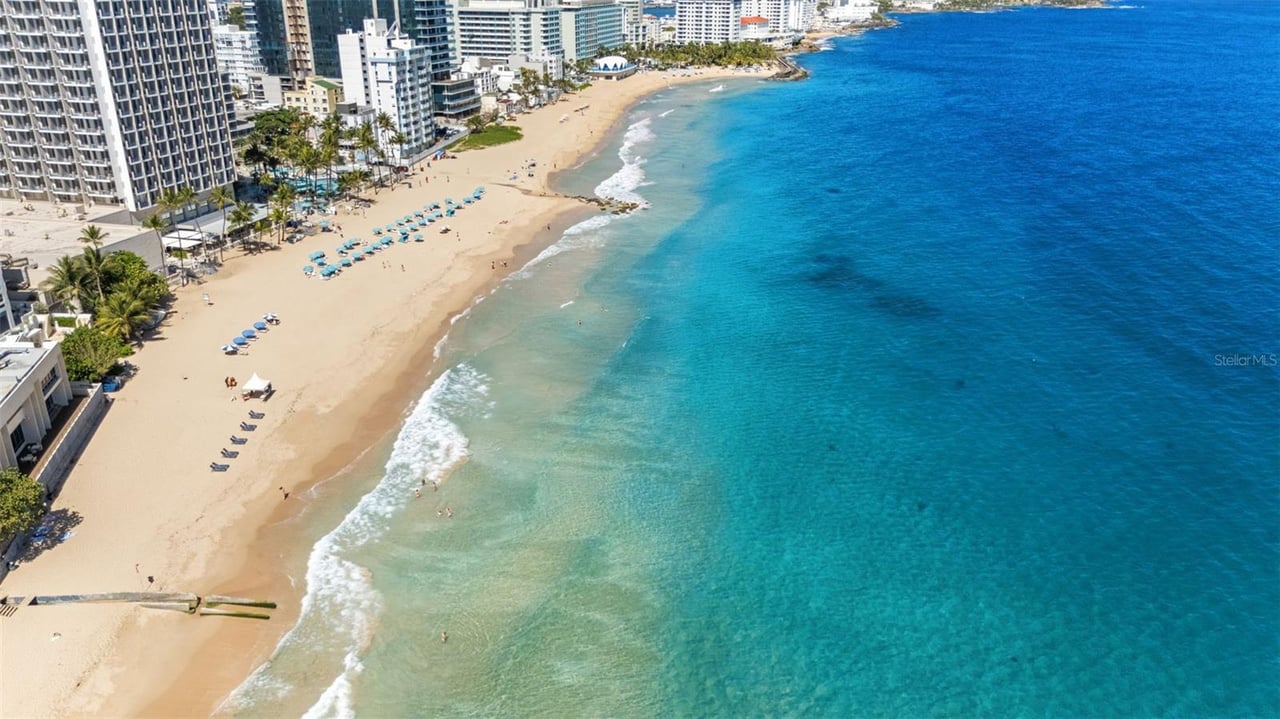
Condado · Relocation · Buyer Guides · Puerto Rico Real Estate
What Buyers Should Know About Walkability, Schools, Healthcare, Condos, Transportation and Choosing the Right Property Before Moving to Condado

Act 13-2026 gives you a deadline to see the building rules. Act 157-2026 moves disputes out of DACO and into the courts.
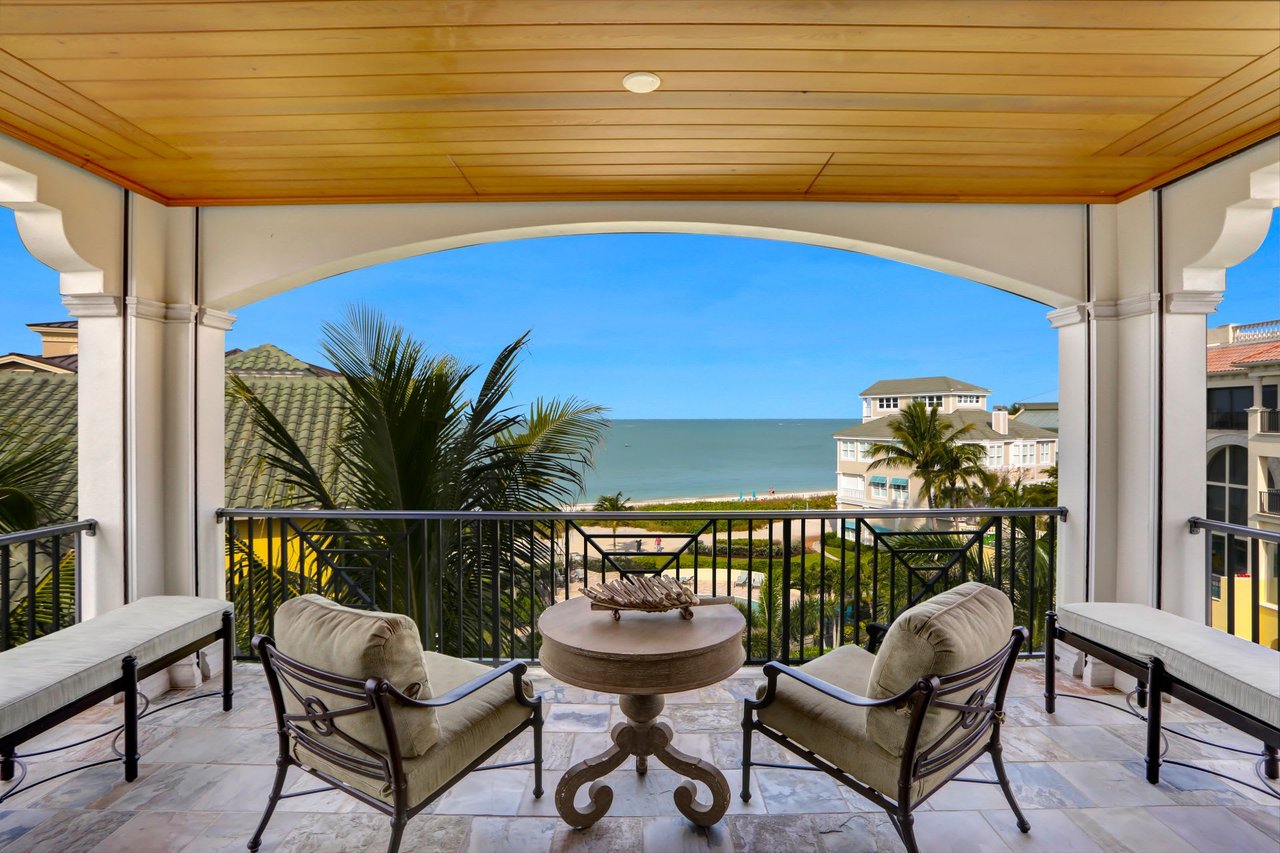
Condado · Buyer Guides · Luxury Real Estate · Puerto Rico Real Estate
How Views, Exposure, Location, Noise, Walkability and Resale Position Differ Across Condado’s Two Waterfronts
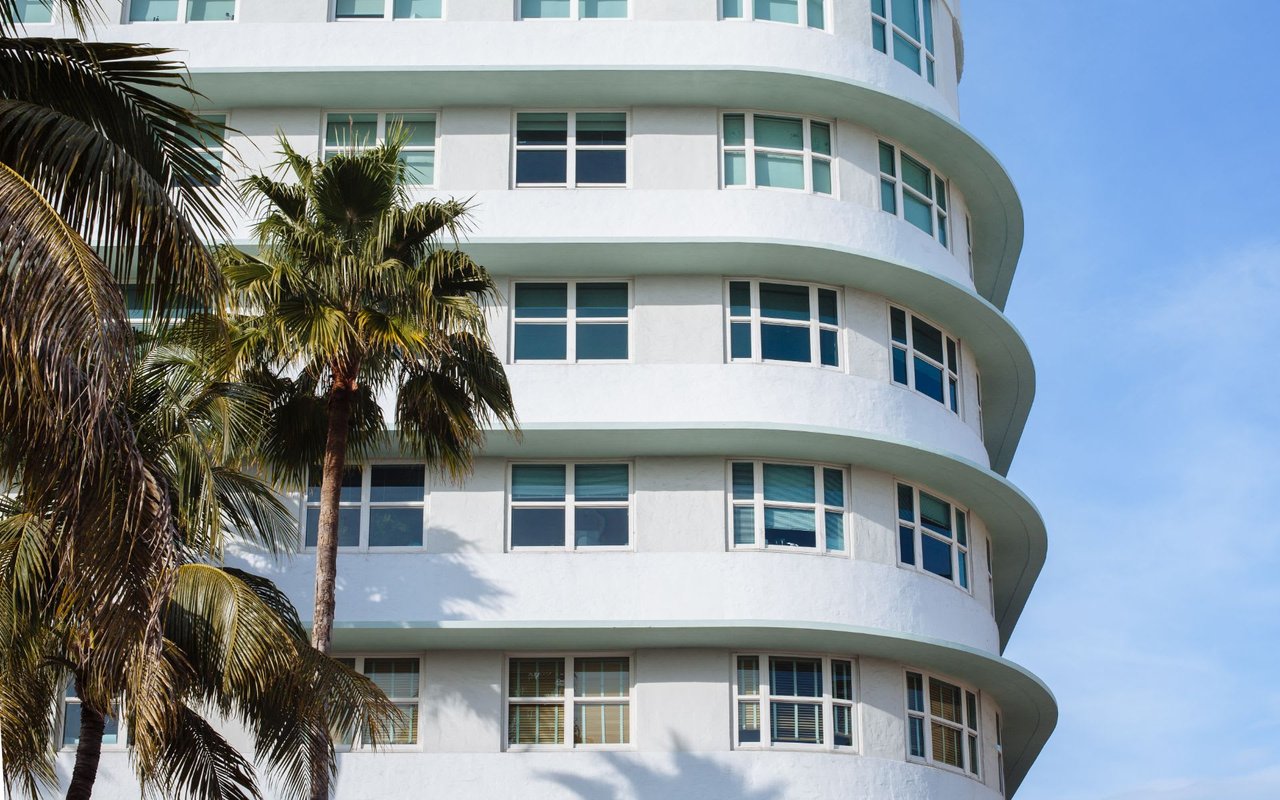
Condado · Buyer Guides · Puerto Rico Real Estate · Luxury Real Estate
HOA Fees, Insurance, Property Taxes, Assessments and the Expenses Buyers Should Understand Before Purchasing in Condado

LUXURY COMMUNITIES
44 residences from $1.2M between Garden Hills and San Patricio. What $818 per square foot means if you are buying, and what it changes if you already own in the area.
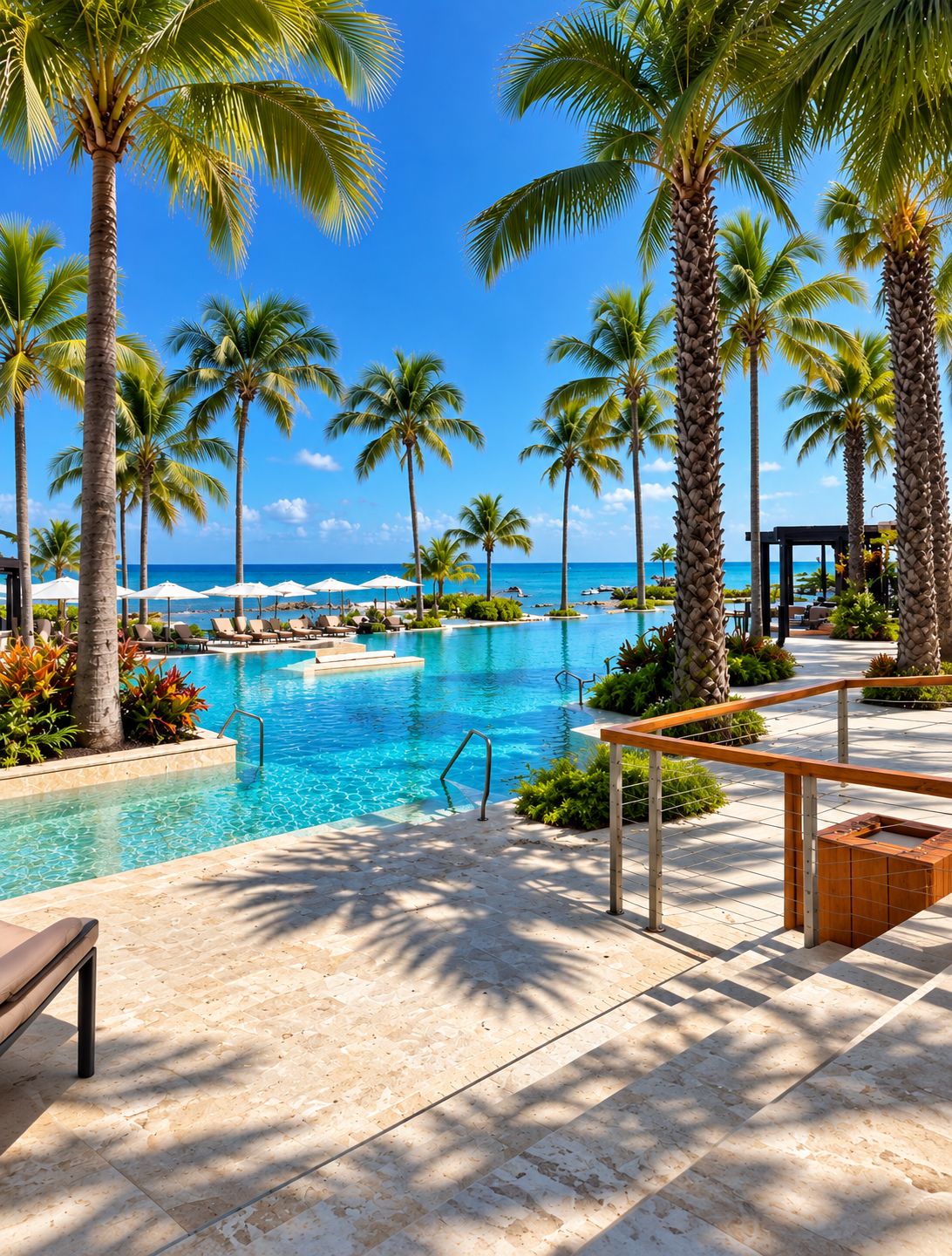
LUXURY COMMUNITIES
Forty Stellar MLS closed sales across eight communities, from $136 to $3,110 per square foot, what sellers actually accept, and what the maintenance fee adds.
LUXURY COMMUNITIES
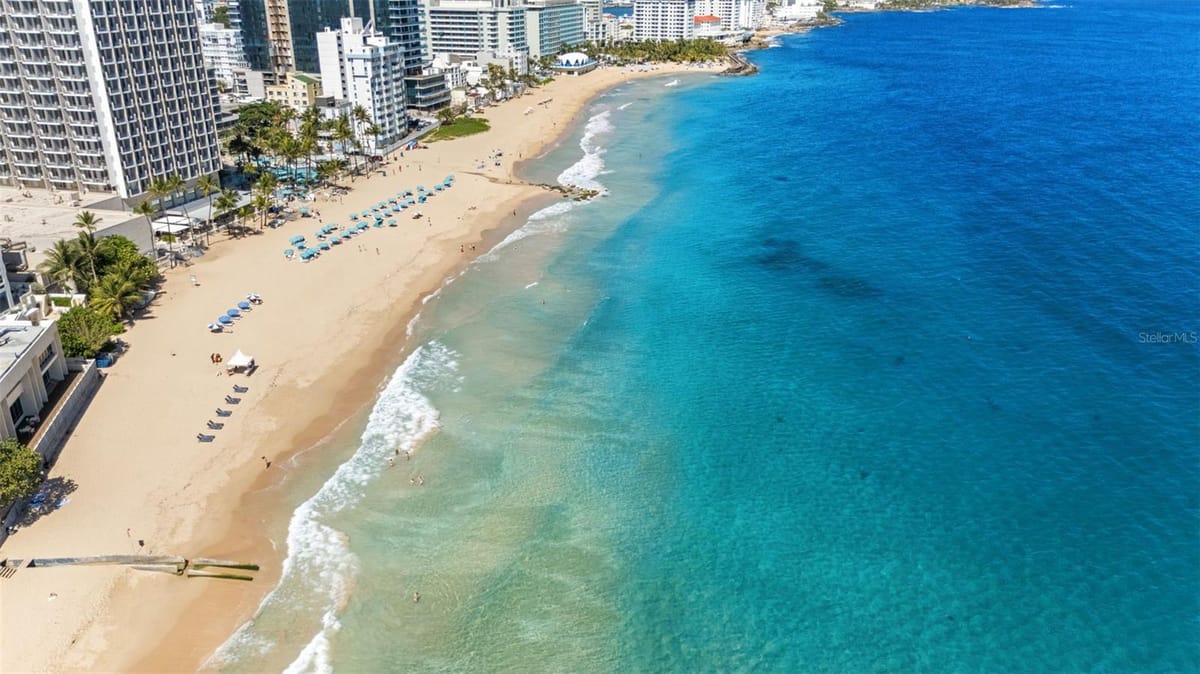
Condado and Isla Verde in San Juan, West Beach and Costa Dorada in Dorado, and Bahía Beach, Rio Mar and Coco Beach in Río Grande: closed-sale prices, buildings, fees a… Read more
Condado · Buyer Guides · New Developments · Luxury Real Estate
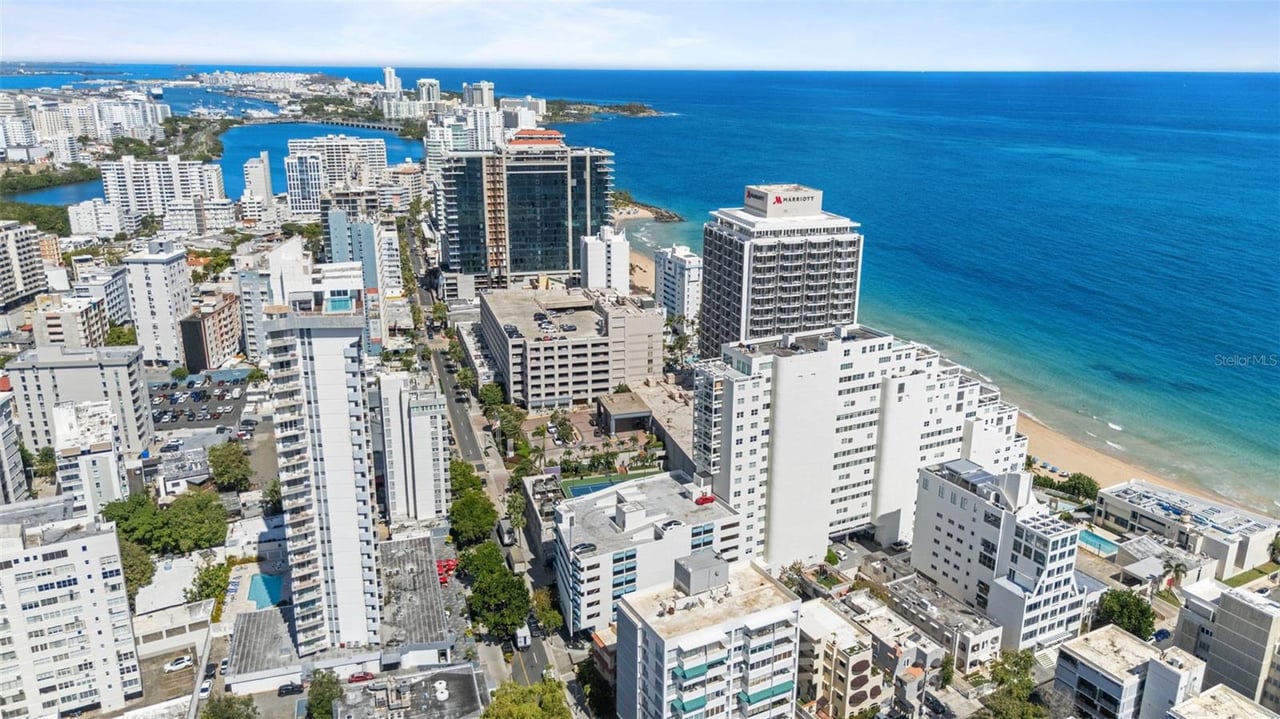
How to Compare Pricing, Amenities, HOA Costs, Market Evidence and Long-Term Value Before Buying a Condo in Condado
Condado · New Developments · Luxury Real Estate · Buyer Guides
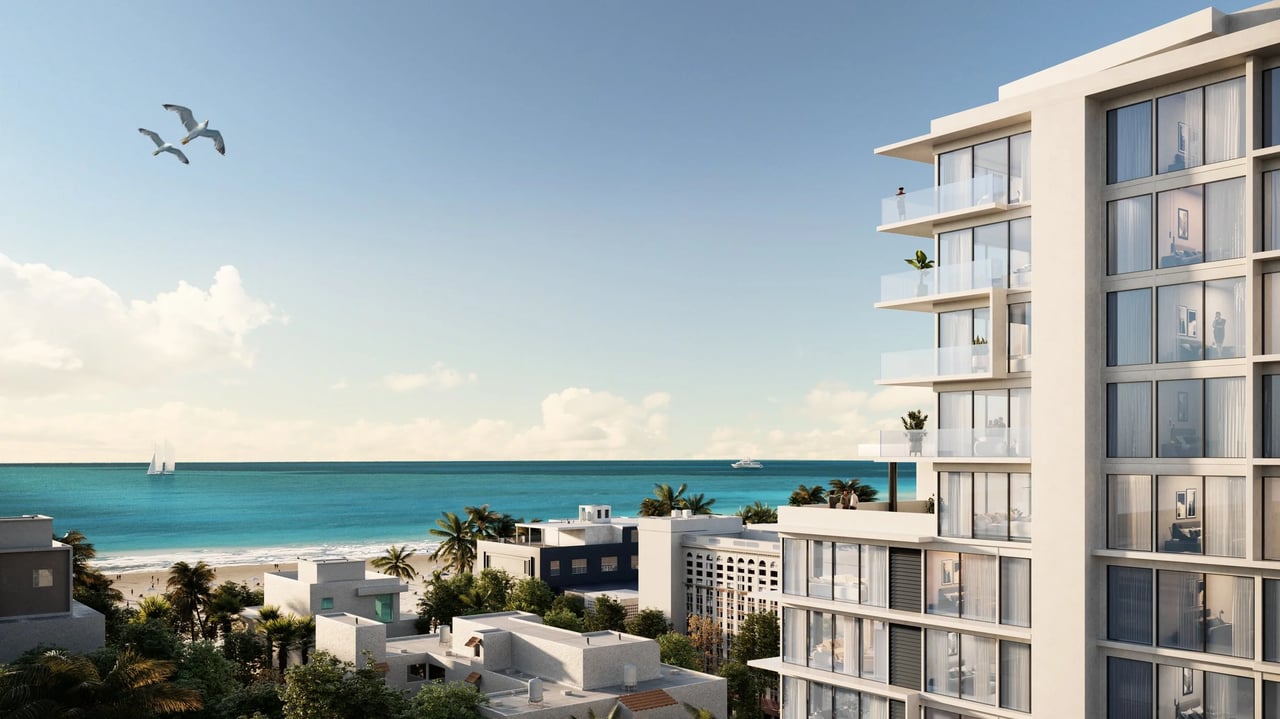
A Buyer’s Guide to 1120 Ashford Avenue, New Construction, Pricing and How The ICON Fits Into Condado’s Changing Luxury Market
We connect discerning buyers and sellers with the island’s most exclusive real estate opportunities. Our expertise and network ensure seamless transactions for both relocation under Act 60 and the sale of distinguished estates. We combine discretion, strategy, and global reach to represent your interests with excellence.