
The Real Cost of Owning in Dorado Beach (2026): What Sophisticated Buyers Actually Underwrite
Dorado Beach Lizvette Robles January 19, 2026
Dorado Beach Lizvette Robles January 19, 2026
In Dorado Beach, buyers don’t evaluate a home the same way they would in a typical suburban market. They underwrite it like a lifestyle asset with recurring obligations, and they do it early. The biggest seller mistake is assuming the purchase price is the headline and everything else is “details.” In Dorado Beach, those “details” are often the difference between: confident offers vs. hesitation, clean negotiations vs. aggressive discounting and a strong launch vs. a slow listing that needs repositioning.
If you want top-tier results in 2026, you need to understand what sophisticated buyers actually calculate before they commit.
Dorado Beach ownership is structured around service levels, standards, and access, meaning the buyer decision is rarely “Do I like the home?” alone. It’s also: “Is the ongoing cost profile aligned with the lifestyle value?”. “Is this predictable or variable?”. “Will this remain competitive against other Dorado inventory and other high-end markets in Puerto Rico?”.
This is why Total Cost of Ownership shapes pricing psychology here more than in most markets.
Below is the exact framework sophisticated buyers use, especially relocation buyers comparing Dorado against other premium markets.
1) Association / HOA or Condominium Fees
Association fees fund common-area care, staffing, security, landscaping, amenities, reserves, and often building-level insurance components, especially in condo structures. In resort communities with extensive amenities and higher staffing standards, fees can be meaningfully higher than non-resort neighborhoods. The underwriting focus is not only the amount, but: what is included, reserve strength, and special assessment history.
2) Club Membership (separate from HOA)
In Dorado Beach, club membership is a separate decision layer. Official resort/TPC pages emphasize membership access and benefits, but typically direct buyers to contact Membership for details rather than publishing pricing publicly. That is exactly why sophisticated buyers treat membership as an underwriting variable that must be verified before committing.
3) Insurance (structure + wind/flood considerations)
Insurance is not a single number buyers “guess.” They look for insurability, carrier constraints, deductibles, and whether the property profile introduces variability (ocean exposure, construction type, roof, elevation, claims history).
4) CRIM Property Taxes (and how they’re actually calculated)
Puerto Rico’s property tax is municipal and tied to assessed value methodology and municipal rates. A practical public explanation used by major brokerages is: assessed value is often derived from market value using a statutory percentage, then multiplied by the municipal millage rate.
For up-to-date municipal property tax rates, reputable tax reporting notes that Puerto Rico’s tax agency posts property tax rates by municipality for the 2025–26 fiscal year.
5) Maintenance & Reserves (the “silent” cost category)
In Dorado, buyers assume a higher bar for landscaping, outdoor areas, salt-air maintenance, pest management, and preventative servicing. Even when a home is turn-key, upkeep expectations are part of the lifestyle.
6) Utilities & Services (and what’s included vs. separate)
Association fees sometimes include certain services in some communities/buildings; sometimes they don’t. Buyers verify line-by-line rather than assume.
7) Usage Model
Primary residence vs. second home changes buyer tolerance for cost variability and affects which line items carry more weight in decision-making.
Often more predictable monthly obligations; more rules and building-level decision-making; and buyers scrutinize financials, reserves, rules, and special assessments intensely.
More owner control, but more variable maintenance/insurance components. Buyers look for clean documentation: improvements, servicing history, and “what’s been deferred”.
The lifestyle premium is real. So is heightened scrutiny on insurance variables, exposure, and long-term maintenance strategy.
The key: sophisticated buyers don’t avoid these homes, they simply price them with stricter logic.
Even high-intent buyers make predictable mistakes in Dorado Beach:
They underestimate insurance variability and only focus on the purchase price
.
They confuse “high cost” with “poor value” instead of comparing total lifestyle replacement cost
.
They compare Dorado like a normal neighborhood rather than a curated resort ecosystem with standards and access layers
.
Here’s the reality sellers need to understand: Sophisticated buyers use ownership costs to justify their offer narrative. If the listing doesn’t provide clarity, they protect themselves by: building in a discount “just in case”, negotiating harder, or waiting for another option that feels simpler and cleaner.
When a seller presents ownership costs clearly and confidently, it changes the psychology: the buyer perceives less risk, negotiations stay anchored on value and the listing holds leverage longer.
This is why “cost clarity” is not administrative, it’s strategic positioning.
Because official membership pages emphasize benefits but typically require contacting Membership for details, sellers should avoid making blanket claims. Instead, the right approach is: Say (credible): “Club membership options are available through Dorado Beach Resort / TPC Dorado Beach; details and eligibility should be verified directly with the membership office.”. “We can help you build a clean ownership-cost summary so buyers can evaluate the home correctly.”.
Avoid (credibility killers): quoting outdated fee numbers as fact, implying membership is automatic or included and overselling “membership value” instead of underwriting reality.
This is exactly how you outperform generic Dorado content, professional accuracy earns trust.
Buyers in this segment care less about the concept of property tax and more about predictability and documentation. Two seller moves that reduce friction: Have the current CRIM documentation ready and organized (buyers expect clean paperwork). Understand the calculation logic and municipal-rate reality, especially since 2025–26 municipal rate tables are published and referenced by tax reporting.
If you want your Dorado Beach listing to feel “easy” to a sophisticated buyer, prepare a simple one-page summary that includes: HOA/association fee amount and what it covers (with official docs). Reserve/budget highlights and any special assessments history. Club membership pathways and the correct “verify with Membership” language. Insurance posture: known variables, current coverage style, and what buyers should confirm. CRIM documentation and clarity on municipal rate dependency. Maintenance posture: what has been updated, what has been serviced, what has been proactively handled.
This is not about “selling harder.” It’s about eliminating uncertainty, so buyers stay anchored on value.
Inside a master-planned community you are not paying one association. You are paying two, and they arrive separately.
The master association funds what the whole development shares: the gate, the roads, the landscaping along them, the security contract. Your neighborhood, regime or condominium building funds its own. Neither replaces the other, and a buyer who underwrites one and forgets the other is short every month for as long as they own the house.
Two more lines sit on top of those. Club membership, which is usually a separate contract with its own initiation and transfer costs. And insurance, which is yours, not the community's. That is how one fee becomes four.
For scale: monthly maintenance at West Beach Residences runs about $7,553, more than $90,000 a year. That is one building, inside one resort, and it is not the master fee.
There is no universal number here, which is why the answer has to come from the association's own documents and not from a listing. Ask for the current approved budget and the fee schedule in writing, for both associations, before you make an offer. If nobody can produce them, that is the answer.
Almost every listing in this market says it has a generator. Almost none of them say what it runs.
Three questions settle it. How many kilowatts. What it actually powers, the whole house or the common areas and the refrigerator. And how many hours of autonomy on a full tank. A unit that carries the lights and the fridge is a different house from one that carries the air conditioning through an August afternoon.
Solar has its own question, and it is the one that costs money later: are the panels paid for, or leased? A lease transfers with the property. The buyer inherits the contract and the monthly payment, and it does not always appear in the listing.
Our own listing at F-23 Topacio, in Paseo Real, is a useful reference for what fully underwritten looks like: a 21 kW generator, 22 solar panels that are paid for rather than leased, two Tesla Powerwalls and a 600-gallon cistern already installed.
The cistern has its own two questions: capacity in gallons, and whether it feeds the whole house or only part of it.
Ask for the maintenance log, not the brochure. A house without any of this gets negotiated down by the cost of installing it, which means the seller pays for it either way: once at the start, or once at the closing table.
The best-performing Dorado Beach listings in 2026 won’t be the ones with the loudest exposure. They’ll be the ones that feel: professionally prepared, financially coherent, low-risk to evaluate, and aligned with what sophisticated buyers actually underwrite.
When ownership costs are framed correctly, pricing becomes more defensible, negotiation becomes more disciplined, and outcomes become smoother.
Why do Dorado Beach homes with similar prices sell at different speeds?
Because sophisticated buyers evaluate total cost of ownership, HOA structure, insurance variables, club membership layers, and CRIM predictability, not just purchase price.
Do HOA fees hurt resale in Dorado Beach?
Not inherently. Buyers judge HOA fees by what they replace (staffing, security, amenities, reserves) and the building/community’s financial health.
Is club membership included when you buy in Dorado Beach?
Membership is typically separate and must be verified directly with Dorado Beach Resort / TPC Dorado Beach membership offices. Official pages emphasize contacting Membership for details.
How are property taxes (CRIM) evaluated by buyers?
Buyers look for documentation and understand that taxes are tied to assessed value methodology and municipal rates, which are published/updated by fiscal year.
(Optional cross-link for buyer psychology contrast) Selling a Condo in Condado: Strategy for a Highly Sophisticated Market
https://investatepr.com/blog/selling-a-condo-in-condado-strategy-for-a-highly-sophisticated-market
Dorado, with the numbers: every Dorado community with 2026 closed-sale prices · what $1M+ buys inside Dorado Beach · Dorado condos: eight markets, 40 closed sales · the 2026 Dorado market report (57 sales).
Stay up to date on the latest real estate trends.
High-End Market Insights
Four homes closed above a million dollars in the twelve months to 7 October 2026. The highest was $1,300,000.
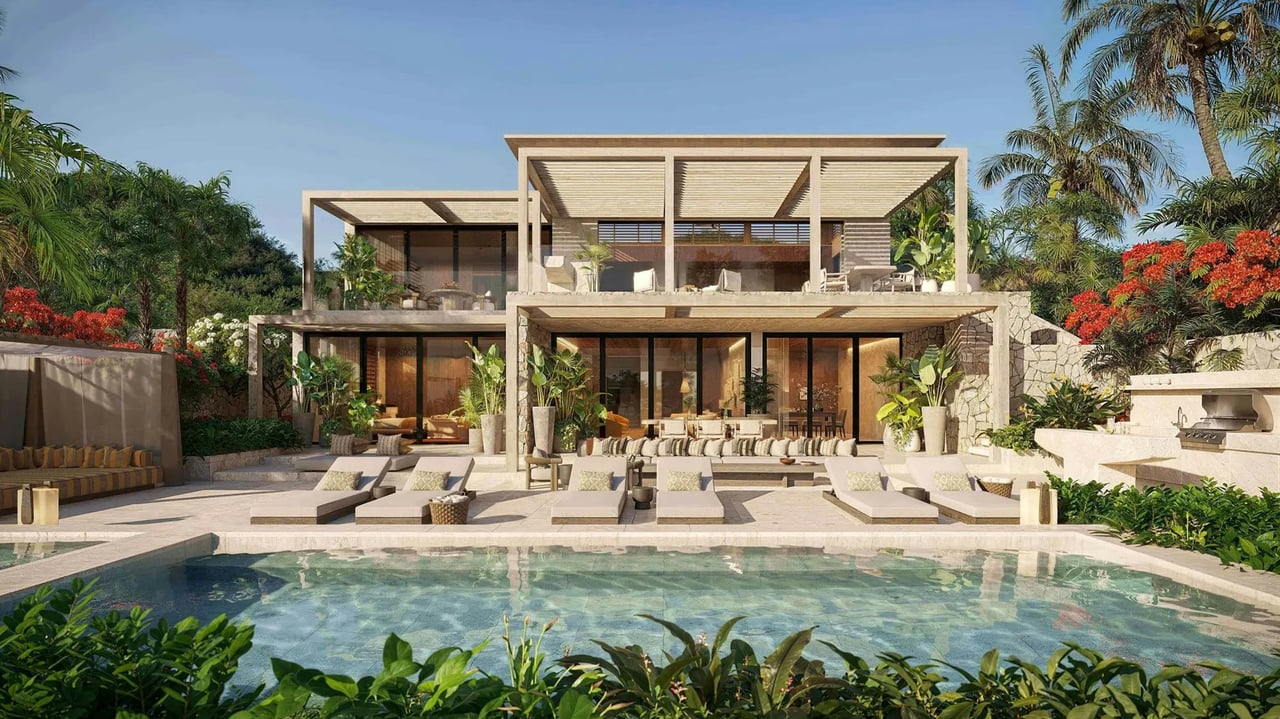
Auberge runs the hotel. Juniper Capital and Capital United own the land. What a buyer should know before the first homes break ground.

Act 60, the 1 January 2027 deadline, and the three IRS tests the decree does not cover.

255 sales closed above $1 million between January and October 2026. $597.7 million, and eight of every ten inside five municipalities.
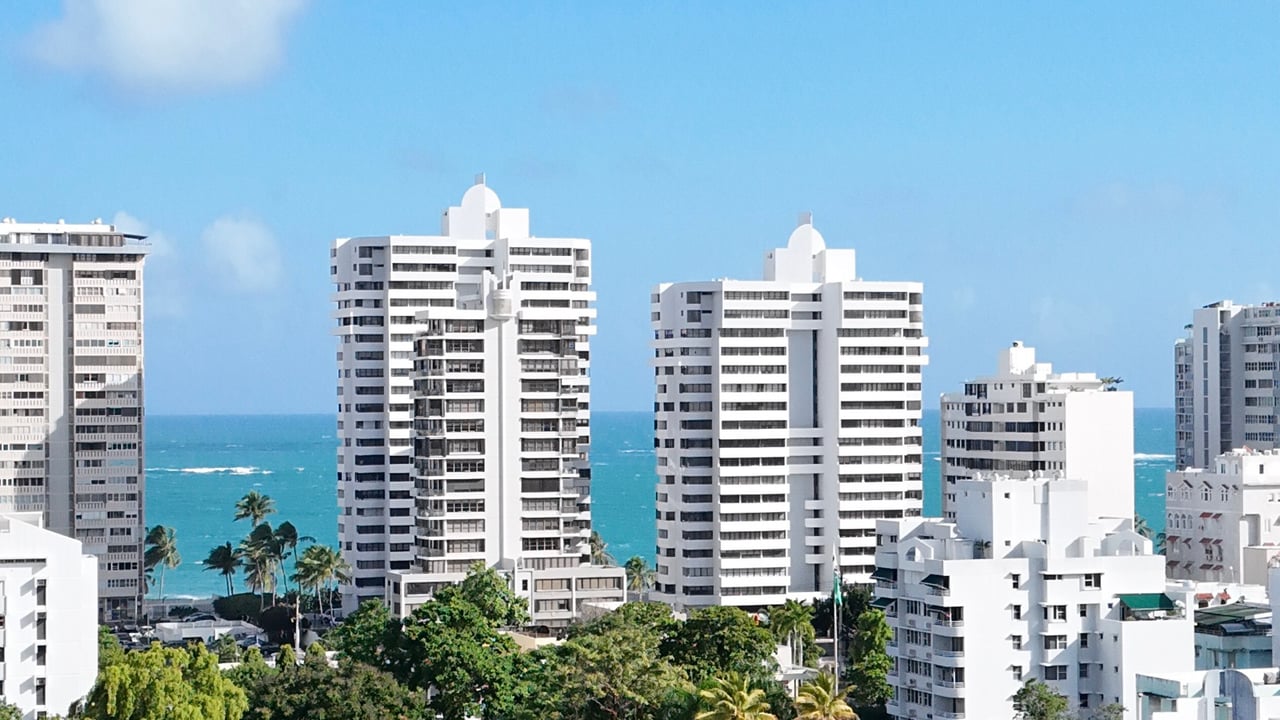
LUXURY CONDO
What 2,524 closed sales show, and the two 2026 rule changes that decide what a bank will finance.
What $1,477,000 buys on Puerto Rico's west coast, how it compares to closed sales above $1 million in Rincon and Boqueron, and what the $142 million Aguadilla airport … Read more
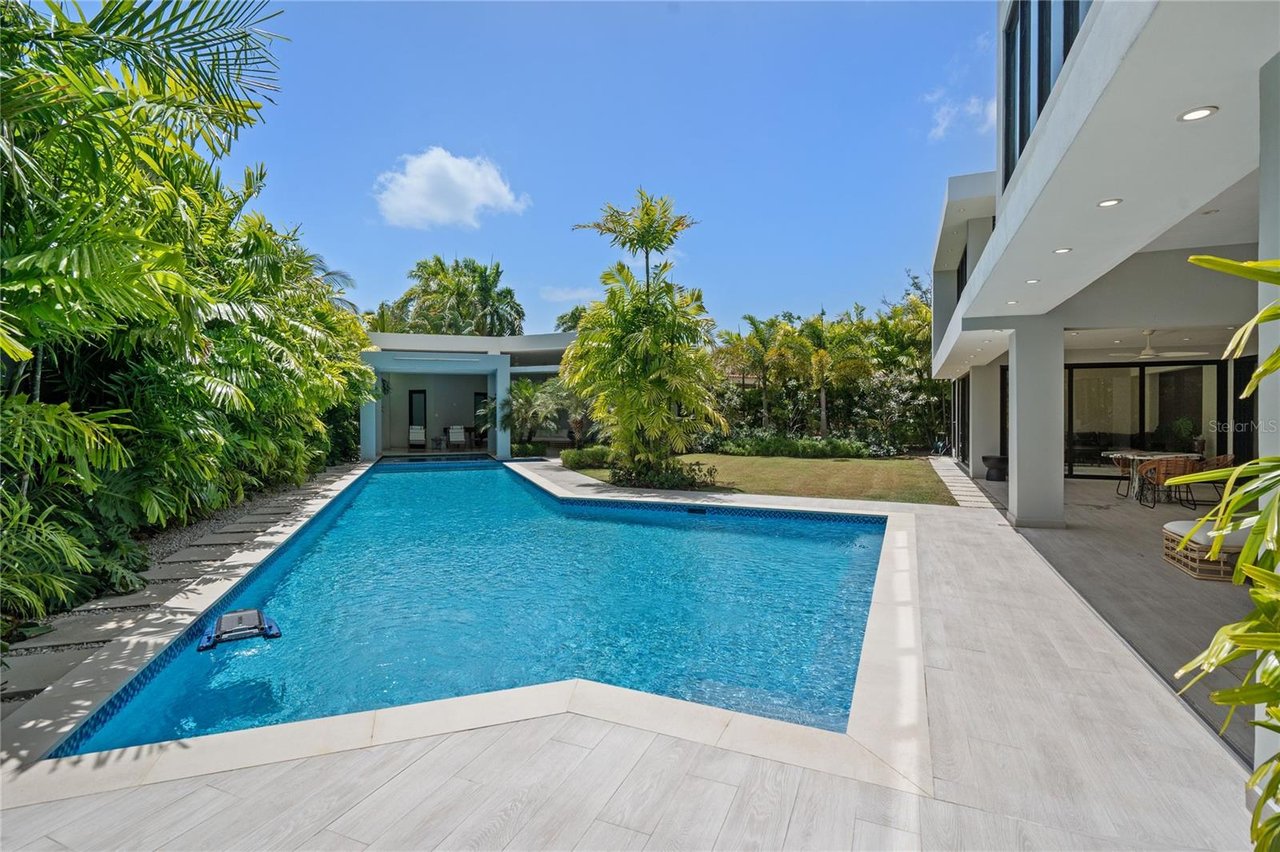
We connect discerning buyers and sellers with the island’s most exclusive real estate opportunities. Our expertise and network ensure seamless transactions for both relocation under Act 60 and the sale of distinguished estates. We combine discretion, strategy, and global reach to represent your interests with excellence.