
Not Every Property Is Meant for the Mass Market — And That’s a Good Thing
Seller Education Lizvette Robles January 13, 2026
Seller Education Lizvette Robles January 13, 2026
Should every property be marketed to the mass market?
No. Properties with unique characteristics such as scale, privacy, views, or long-term value often perform better when positioned strategically to attract the right buyer rather than maximum exposure to the general market. One of the most common misconceptions in real estate is the idea that more exposure always leads to better results.
In reality, the opposite is often true. Certain properties, particularly those defined by space, privacy, views, or long-term ownership potential, are not meant to appeal to everyone. And when they are marketed as if they are, they often struggle.
Exposure is about volume.
Positioning is about alignment. Mass-market strategies focus on reaching as many people as possible. Strategic positioning focuses on reaching the right people, those whose priorities, lifestyle, and purchasing intent align with what the property actually offers.
When a property is positioned incorrectly, it attracts attention without intention.
Not every property benefits from high-traffic platforms, aggressive pricing language, or feature-heavy descriptions. For homes with: larger lots or interior scale, elevated positioning or views, privacy or low-density surroundings and long-term ownership appeal.
Mass-market marketing can: attract unqualified inquiries, create unnecessary price pressure, shorten perceived value lifespan and lead to longer days on market.
These outcomes are rarely caused by the property itself, they are usually the result of misalignment between the home and its audience.
Some buyers are not browsing.
They are evaluating. High-intent buyers approach properties differently. They are not looking for the most visible option, they are looking for the most suitable one.
These buyers value: how a home lives day to day; structural integrity and flexibility; and privacy, space, and long-term usability.
Reaching them requires clarity, discretion, and the right narrative, not noise.
Positioning a property outside the mass market does not mean limiting exposure. It means curating exposure. Strategic marketing often includes: targeted platforms aligned with buyer behavior, narrative-driven descriptions rather than feature lists, private conversations instead of public promotion and patience over pressure.
This approach protects the property’s perceived value while allowing the right buyer to emerge naturally.
For sellers, understanding this distinction is critical. When a property is marketed to everyone, feedback can become misleading. Lack of immediate traction is often interpreted as a pricing issue, when in reality it is a positioning issue.
Sellers who align with a strategic approach tend to experience: more qualified inquiries, better-quality conversations, stronger negotiating positions and smoother transaction processes.
Not every home is meant to compete for attention. Some are meant to be understood. And when a property is positioned with clarity, intention, and the right audience in mind, the outcome is often stronger, even if the path looks quieter.
Because mass exposure often attracts volume without intent. Properties with unique characteristics require targeted positioning to reach buyers who truly value what they offer.
It reduces unqualified interest while increasing alignment with serious buyers, which often leads to better outcomes.
No. It applies to any property where privacy, scale, uniqueness, or long-term ownership are key factors.
Proper positioning supports pricing by protecting perceived value and avoiding unnecessary downward pressure caused by misaligned exposure.
An agent who understands buyer psychology, market behavior, and how to align marketing strategy with the property’s true strengths.
Stay up to date on the latest real estate trends.
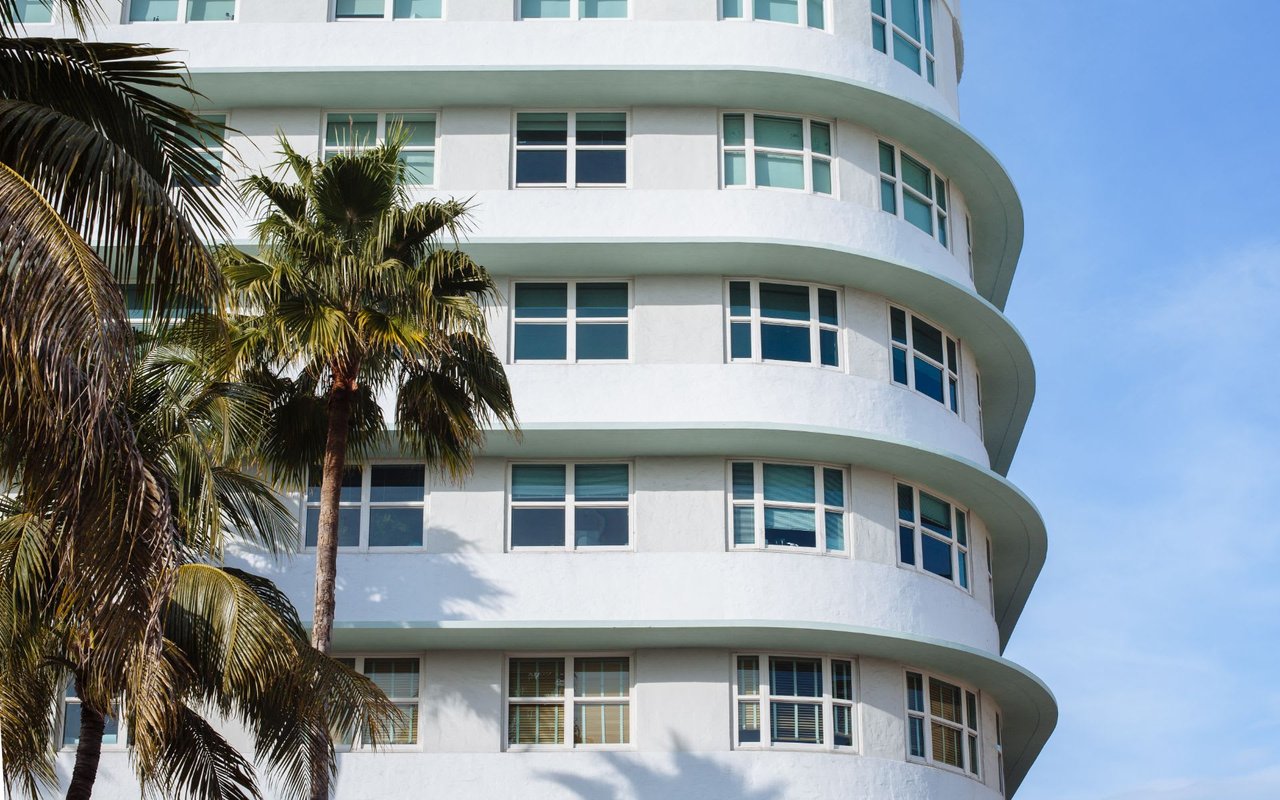
Condado · Buyer Guides · Puerto Rico Real Estate · Luxury Real Estate
HOA Fees, Insurance, Property Taxes, Assessments and the Expenses Buyers Should Understand Before Purchasing in Condado

LUXURY COMMUNITIES
44 residences from $1.2M between Garden Hills and San Patricio. What $818 per square foot means if you are buying, and what it changes if you already own in the area.

LUXURY COMMUNITIES
Forty Stellar MLS closed sales across eight communities, from $136 to $3,110 per square foot, what sellers actually accept, and what the maintenance fee adds.

LUXURY COMMUNITIES
Condado and Isla Verde in San Juan, West Beach and Costa Dorada in Dorado, and Bahía Beach, Rio Mar and Coco Beach in Río Grande: closed-sale prices, buildings, fees a… Read more
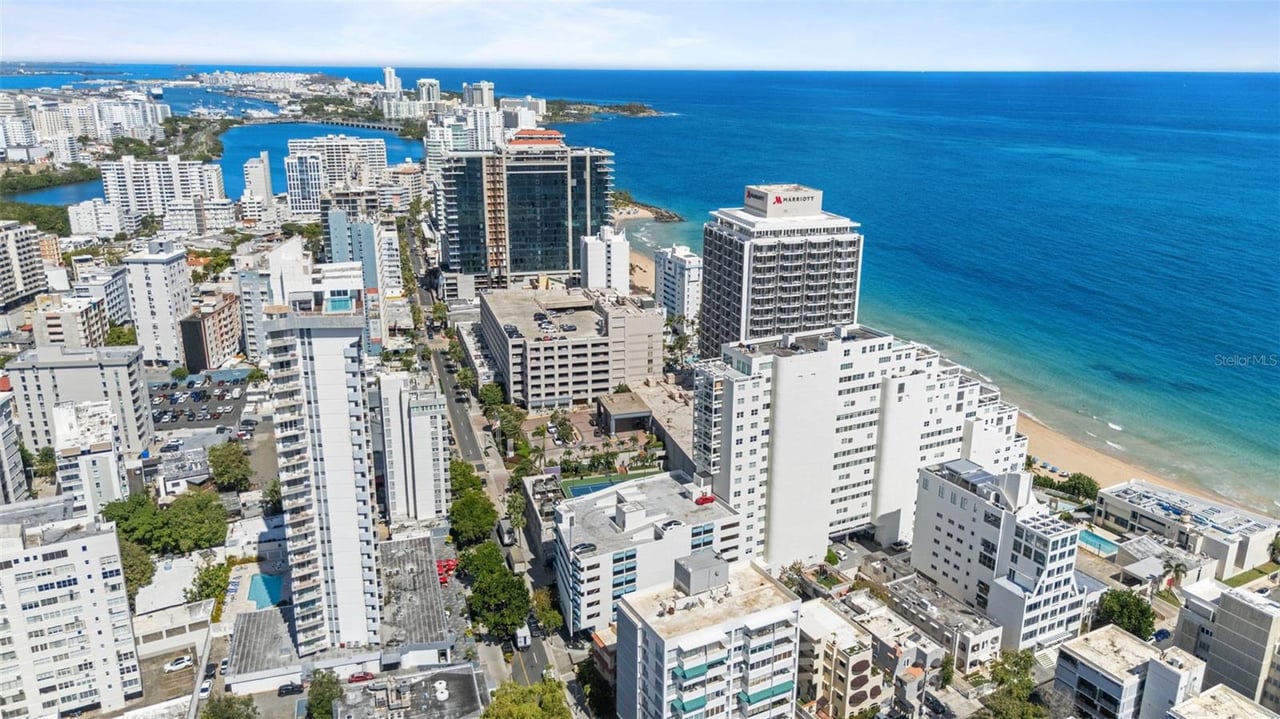
Condado · Buyer Guides · New Developments · Luxury Real Estate
How to Compare Pricing, Amenities, HOA Costs, Market Evidence and Long-Term Value Before Buying a Condo in Condado
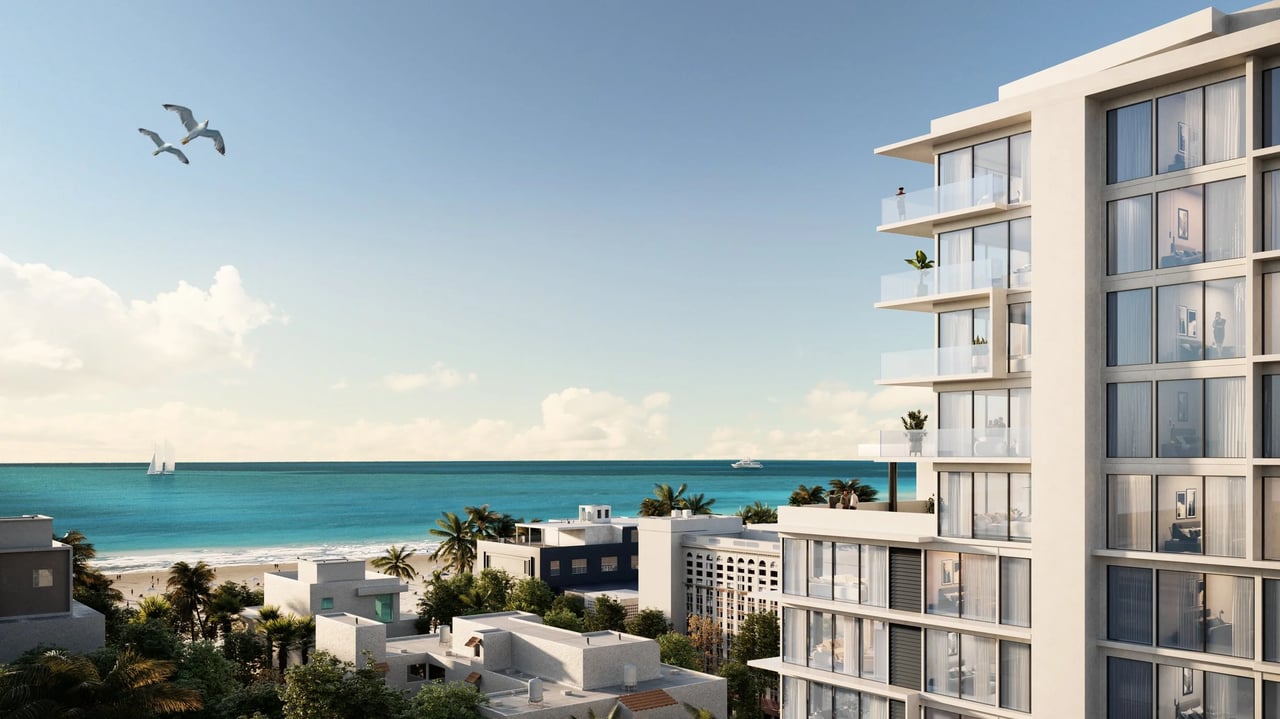
Condado · New Developments · Luxury Real Estate · Buyer Guides
A Buyer’s Guide to 1120 Ashford Avenue, New Construction, Pricing and How The ICON Fits Into Condado’s Changing Luxury Market
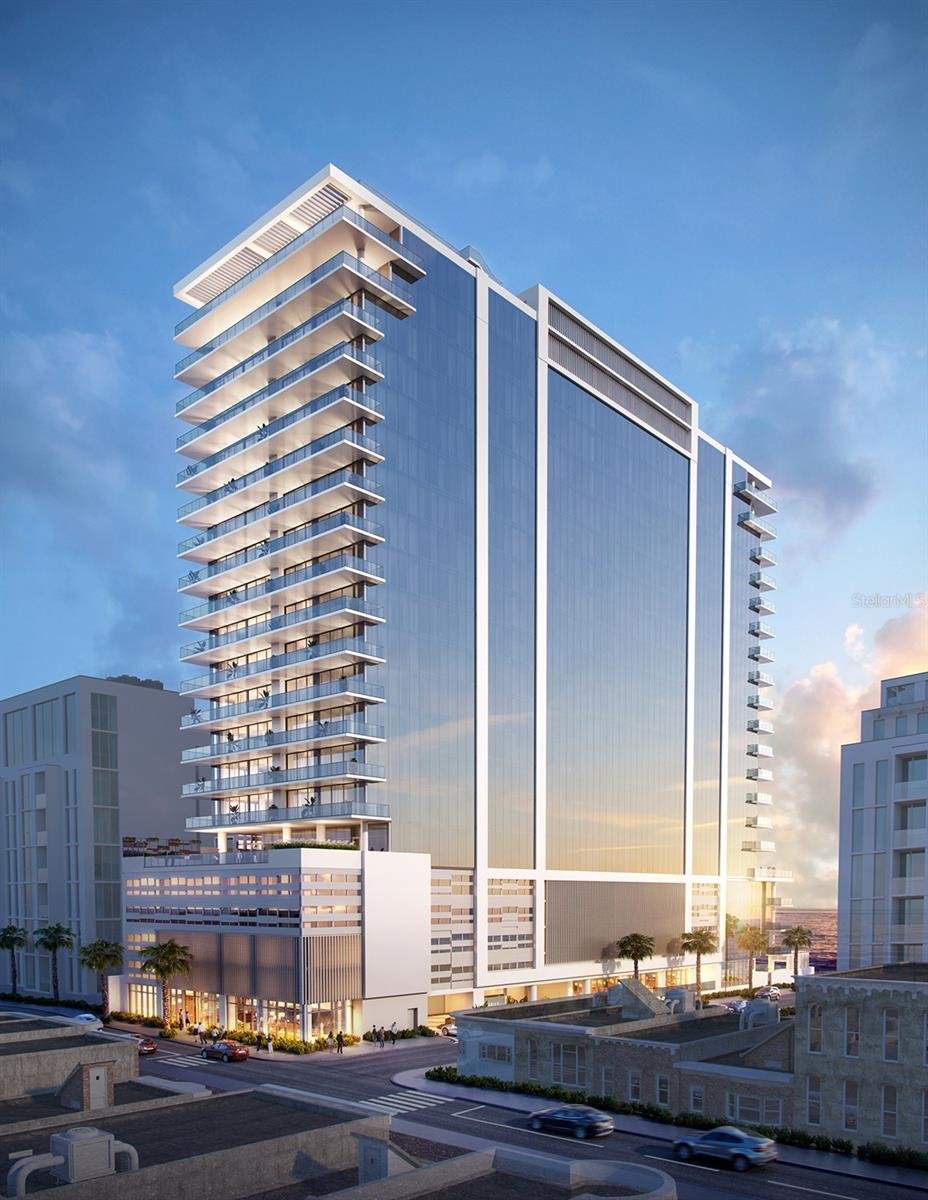
Condado, New Developments, Luxury Real Estate, Buyer Guides
A Buyer’s Guide to Condado’s New Oceanfront Luxury Development, Amenities, Pricing and Market Position
MARKET ANALYSIS
60 Closed Sales, $73.9M in Volume — and a New Generation of Luxury Development Is Reshaping Condado
Puerto Rico Buying Guides
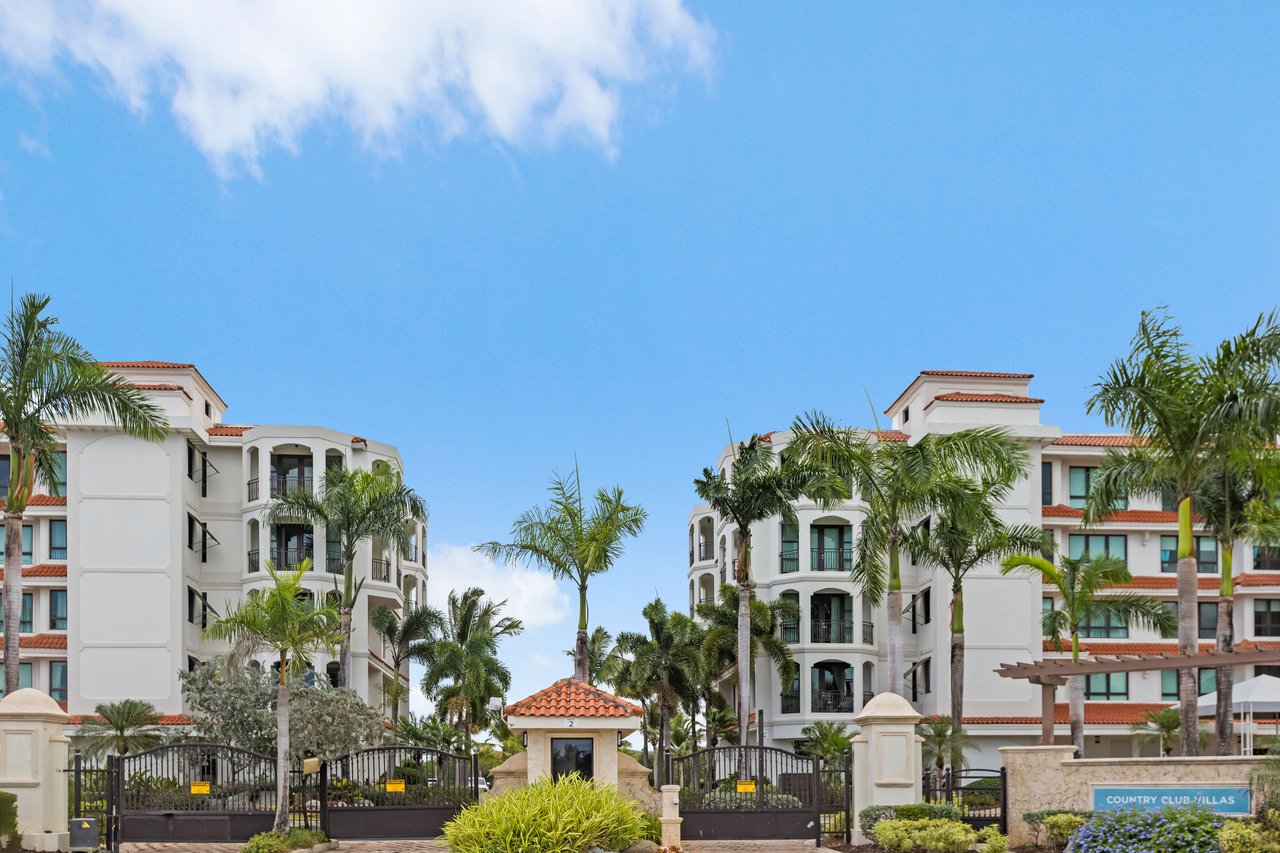
HOA structures, insurance, backup infrastructure, rental restrictions, resort privileges and comparable sales can matter as much as the view. Here’s what buyers should… Read more
We connect discerning buyers and sellers with the island’s most exclusive real estate opportunities. Our expertise and network ensure seamless transactions for both relocation under Act 60 and the sale of distinguished estates. We combine discretion, strategy, and global reach to represent your interests with excellence.