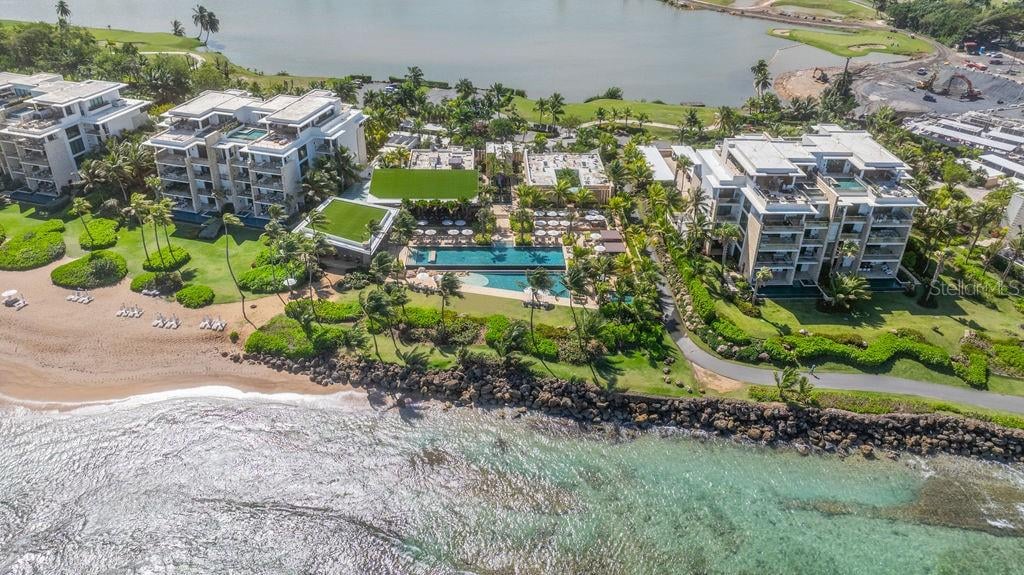
Can U.S. Citizens Buy Property in Puerto Rico? What High-End Buyers Need to Know in 2026
Puerto Rico Real Estate Lizvette Robles April 1, 2026
Puerto Rico Real Estate Lizvette Robles April 1, 2026
Yes, U.S. citizens can buy property in Puerto Rico without restrictions. However, the buying process differs from the mainland due to Puerto Rico’s civil law system, property registry structure, closing procedures, and local tax considerations. Understanding these differences is necessary before purchasing high-value real estate.
Yes. U.S. citizens can legally purchase real estate in Puerto Rico without any additional restrictions. No special visa.
No foreign ownership limitations. But that’s only the surface.
Because what most buyers assume is: “If I’ve bought property in the mainland, this will work the same way.” It doesn’t.
Puerto Rico operates under a civil law system, not the common law system used in most U.S. states. That difference affects: title verification, Property registry timing, documentation requirements and closing structure.
In practical terms: The process is not harder.
But it is different. And buyers who understand this early avoid the most common mistakes.
Strong interest from mainland U.S. buyers. Continued demand in Dorado Beach, Condado, Guaynabo, and Río Grande. High-value transactions driven by lifestyle and tax strategy. Limited inventory in top-tier communities. Increasing buyer sophistication and due diligence.
Puerto Rico is not an emerging market anymore. It is a maturing, selective market.
For a broader understanding of how this market fits within Puerto Rico’s luxury market, including surrounding communities and buyer positioning, explore our full guides to [Dorado Puerto Rico real estate], [Condado Puerto Rico real estate], [Río Grande Puerto Rico real estate], and [Guaynabo Puerto Rico real estate].
While the steps may feel familiar, execution differs.
Offers are submitted similarly to the mainland, but negotiation timelines can vary. 2. Due Diligence. This phase is critical. It includes: title verification, Property registry review and permits and documentation validation.
Closings in Puerto Rico are handled by a notary attorney, not a title company. The notary: prepares and authorizes the deed, ensures legal compliance and coordinates recording.
Recording is not immediate. There can be a delay between closing and final registry confirmation. Accuracy matters more than speed in this process.
Puerto Rico offers a unique tax environment, but it is often misunderstood.
Property taxes are generally lower than many mainland jurisdictions.
Typically include: notary fees, recording costs and stamps and legal documentation.
Incentives (Act 60). Some buyers explore Puerto Rico for tax incentives. However: Real estate decisions should not be based solely on tax benefits. They should align with: lifestyle, long-term plans, and asset strategy.
Both options are available, but: financing may involve local lenders, terms can differ from mainland expectations and cash transactions are common in higher price points.
Understanding financing structure early is important for planning.
Before selecting a property, experienced buyers evaluate: 1. Market Selection. Dorado Beach, Condado, Guaynabo, and Río Grande each attract different buyer profiles.
2. Ownership Costs. Taxes, HOA, insurance, and maintenance vary significantly. 3. Legal Structure.
Ensuring clean title and proper documentation is necessary. 4. Exit Strategy. Understanding resale potential and buyer demand matters at acquisition.
Most mainland buyers underestimate one thing: They assume familiarity equals simplicity. They rely on: mainland expectations, previous buying experience, or incomplete online information.
But in Puerto Rico: The risk is not in buying.
It’s in assuming the process works the same way.
Puerto Rico continues to attract U.S. buyers seeking: lifestyle change, strategic relocation and long-term value.
But the market is evolving. Buyers are: more informed, more selective, and more process-aware.
This is no longer a discovery market. It is a decision-driven market.
Yes, U.S. citizens can buy property in Puerto Rico. But the real question is not can you buy. It’s: Do you understand how the market works before you do? Because in Puerto Rico: process matters, structure matters, and informed decisions define outcomes.
INVESTATE Puerto Rico is a strategic real estate advisory team with over 20 years of experience representing buyers and sellers across Puerto Rico’s high-end residential market. We specialize in guiding mainland and international buyers through Puerto Rico’s unique real estate structure, helping them understand not just the opportunity, but the process behind it.
Yes. Puerto Rico is a U.S. territory, and there are no restrictions on property ownership for U.S. citizens.
No. While similar in structure, Puerto Rico uses a civil law system and a notary-based closing process.
Yes. A notary attorney is required to complete the transaction.
Property taxes are generally lower than many mainland jurisdictions.
Yes, although financing terms and lenders may differ from mainland practices.
For a step-by-step breakdown of how the buying process works in Puerto Rico, including due diligence, taxes, and closing, explore our https://investatepr.com/buyers
Stay up to date on the latest real estate trends.
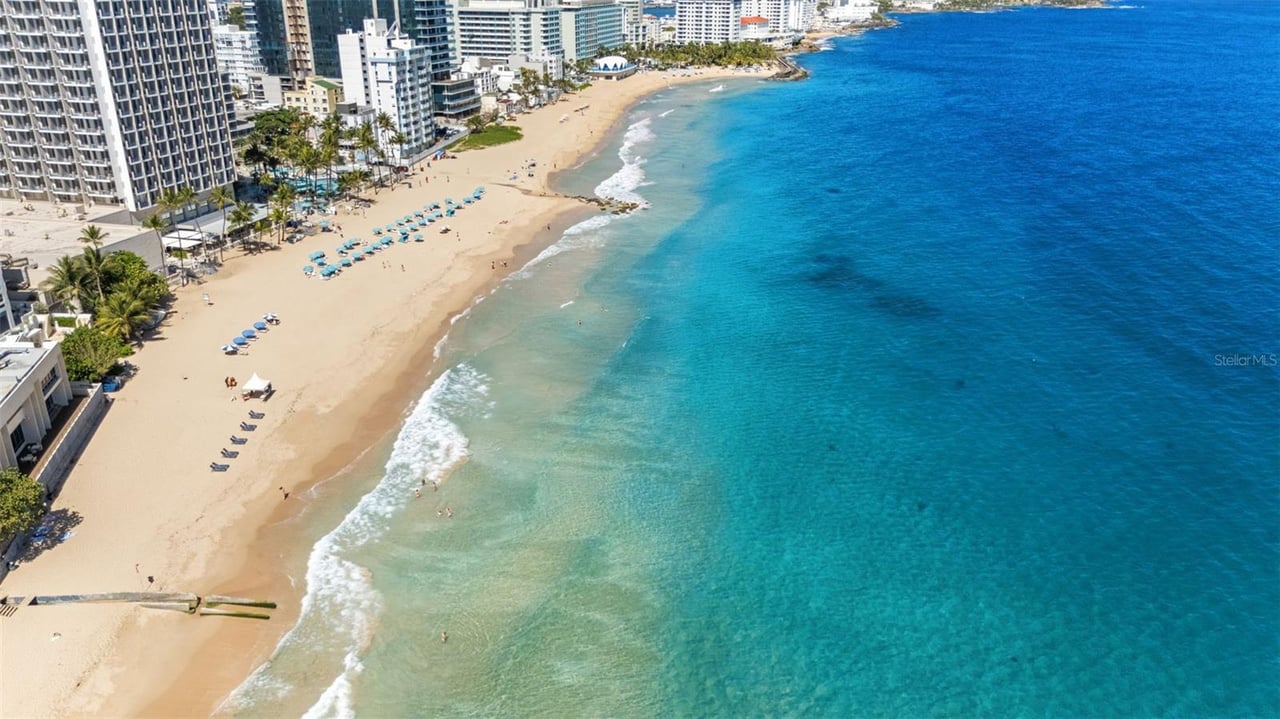
Condado · Relocation · Buyer Guides · Puerto Rico Real Estate
What Buyers Should Know About Walkability, Schools, Healthcare, Condos, Transportation and Choosing the Right Property Before Moving to Condado
Act 13-2026 gives you a deadline to see the building rules. Act 157-2026 moves disputes out of DACO and into the courts.
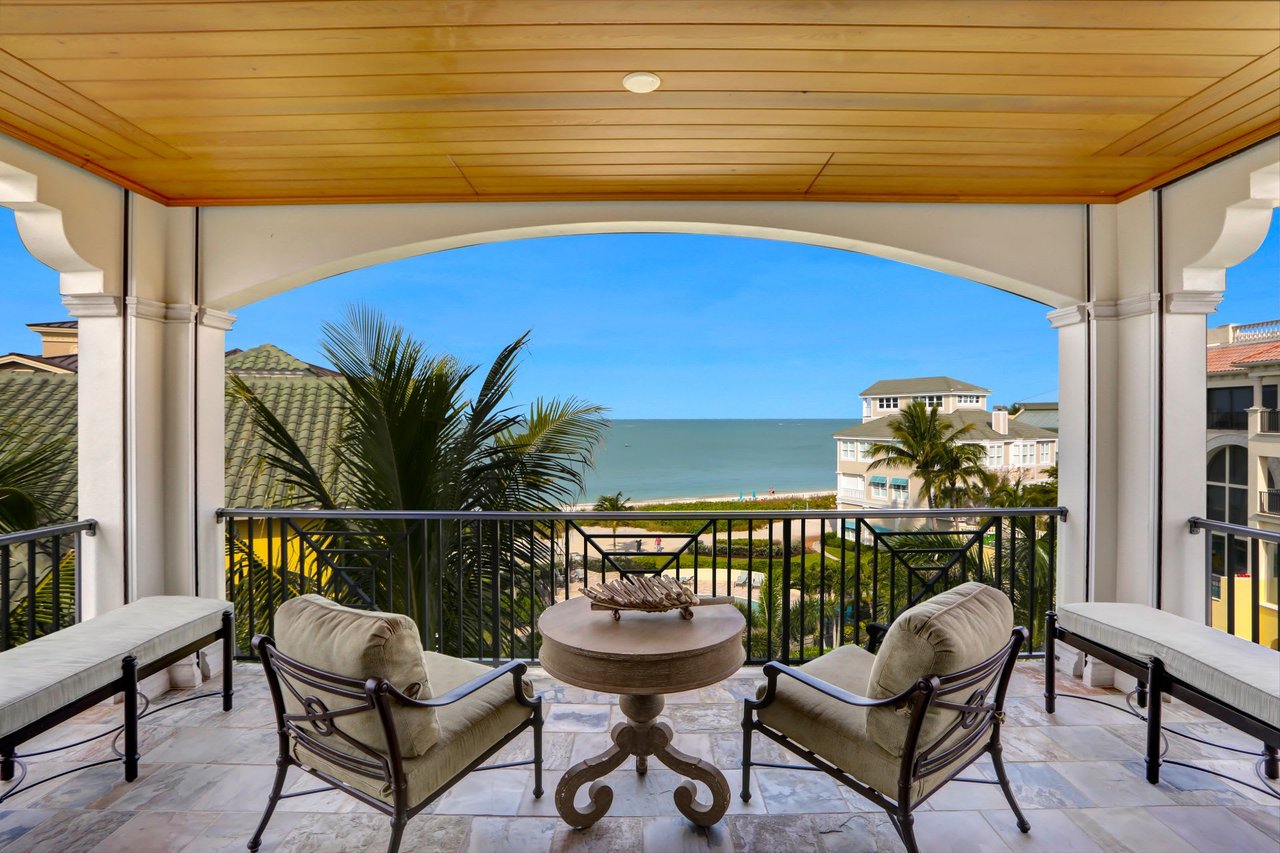
Condado · Buyer Guides · Luxury Real Estate · Puerto Rico Real Estate
How Views, Exposure, Location, Noise, Walkability and Resale Position Differ Across Condado’s Two Waterfronts
Condado · Buyer Guides · Puerto Rico Real Estate · Luxury Real Estate
HOA Fees, Insurance, Property Taxes, Assessments and the Expenses Buyers Should Understand Before Purchasing in Condado

LUXURY COMMUNITIES
44 residences from $1.2M between Garden Hills and San Patricio. What $818 per square foot means if you are buying, and what it changes if you already own in the area.
LUXURY COMMUNITIES
Forty Stellar MLS closed sales across eight communities, from $136 to $3,110 per square foot, what sellers actually accept, and what the maintenance fee adds.
LUXURY COMMUNITIES
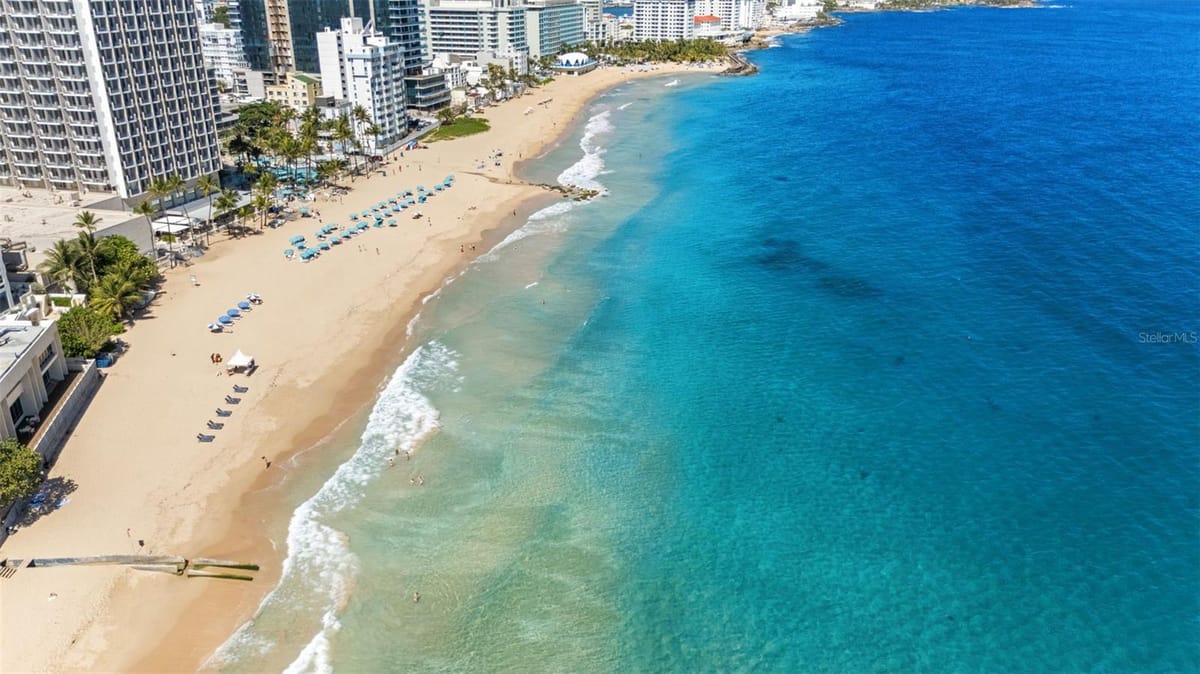
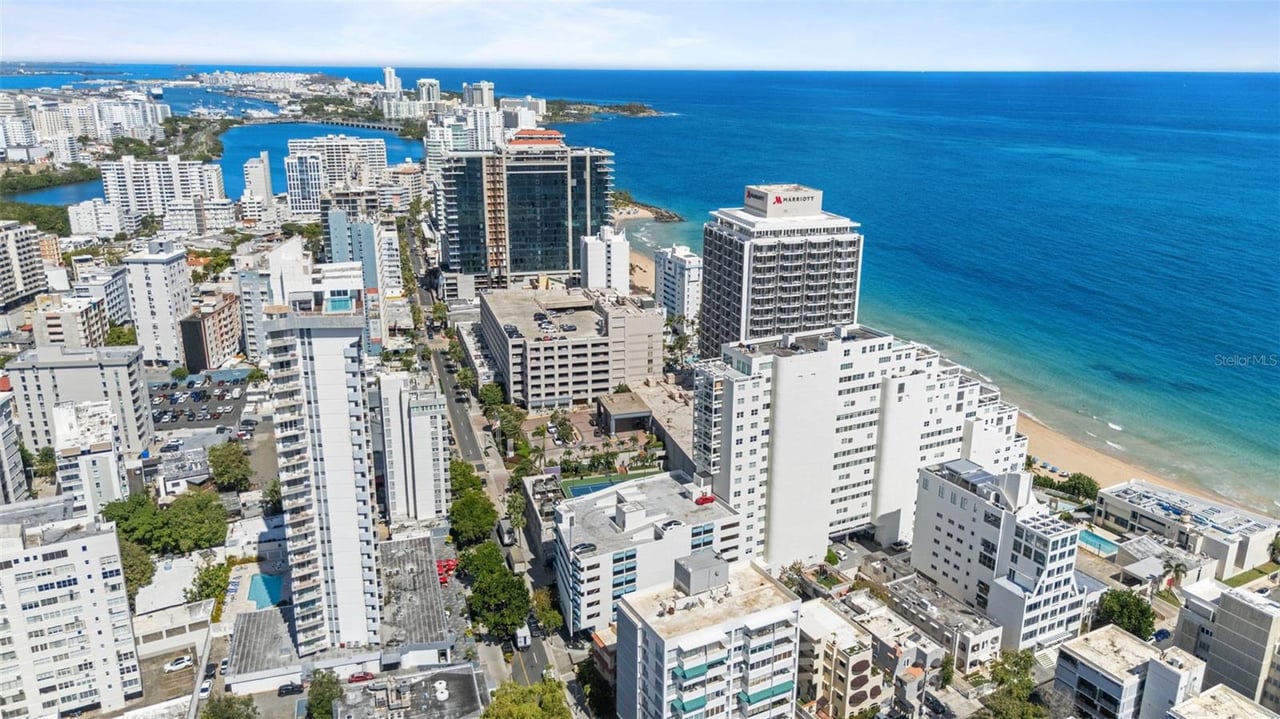
Condado and Isla Verde in San Juan, West Beach and Costa Dorada in Dorado, and Bahía Beach, Rio Mar and Coco Beach in Río Grande: closed-sale prices, buildings, fees a… Read more
Condado · Buyer Guides · New Developments · Luxury Real Estate
How to Compare Pricing, Amenities, HOA Costs, Market Evidence and Long-Term Value Before Buying a Condo in Condado
Condado · New Developments · Luxury Real Estate · Buyer Guides
A Buyer’s Guide to 1120 Ashford Avenue, New Construction, Pricing and How The ICON Fits Into Condado’s Changing Luxury Market
We connect discerning buyers and sellers with the island’s most exclusive real estate opportunities. Our expertise and network ensure seamless transactions for both relocation under Act 60 and the sale of distinguished estates. We combine discretion, strategy, and global reach to represent your interests with excellence.