
How to Sell Your Property in Puerto Rico Quickly Without Leaving Money on the Table
Sellers Guide, Puerto Rico Real Estate, Market Strategy Lizvette Robles June 10, 2026
Sellers Guide, Puerto Rico Real Estate, Market Strategy Lizvette Robles June 10, 2026
Selling quickly and selling well are not competing goals in Puerto Rico's real estate market, but achieving both requires more preparation than most sellers expect. The properties that move fast and close at strong prices in 2026 are not the ones that got lucky. They are the ones that were positioned deliberately, priced accurately, marketed to the right buyer pool, and backed by clean documentation from day one.
This guide is for sellers who want both speed and price, and who understand that the two are connected, not in conflict.
The foundation of a fast sale is a realistic understanding of current conditions. In 2026, buyers in Puerto Rico are not moving blindly. They are analyzing price versus condition carefully, and properties that are correctly priced and professionally marketed are selling, while those that are not are simply sitting.
Puerto Rico does not have one unified market. The island operates as at least six distinct real estate markets, and understanding where your property fits within that structure is critical to positioning it correctly. A luxury property in Dorado Beach operates under entirely different supply and demand dynamics than a mid-market property in Bayamón. A seller who applies a general island-wide strategy to a community-specific asset will price it wrong, target the wrong buyers, and wait.
The single most avoidable cause of delayed closings in Puerto Rico is documentation that was not verified before the listing went live. Title and property registry records should be updated and clear of liens. CRIM municipal tax balances should be current. Construction and use permits for all structures on the property should be verified.
Title issues, CRIM discrepancies, and unresolved permit records are consistently among the top reasons transactions stall or collapse in Puerto Rico. Buyers who discover these problems after making an offer use them as negotiating leverage, or walk away entirely. Sellers who identify and resolve these issues before listing eliminate that leverage and give buyers the confidence to commit quickly.
For luxury properties specifically, a pre-listing title review is not optional. The cost of resolving issues before going to market is consistently recovered in negotiating strength, transaction speed, and final sale price.
Overpricing during the first weeks of market exposure is one of the most expensive mistakes a seller can make, and one of the most common. The first weeks a property is listed generate the most attention from buyers who have been waiting, from agents with active client relationships, and from the market's collective awareness. Wasting that window on an aspirational price means re-entering the market later with a price reduction history that signals weakness to every buyer who sees it.
The right price is not the highest number a seller can justify. It is the number that attracts qualified buyers quickly and creates the conditions for competitive offers. In a market where buyers are selective and well-informed, overpricing does not create leverage, it creates hesitation.
A Comparative Market Analysis built on current Stellar MLS closed transaction data for your specific sub-market is the only reliable basis for a listing price. Not automated valuation tools, not a neighbor's sale from two years ago, not what you paid plus renovation costs.
Speed of sale is directly connected to how precisely your property is marketed to the buyers most likely to purchase it. In Puerto Rico's current market, two buyer profiles dominate the luxury and upper-mid segments, and they require meaningfully different approaches.
Act 60 buyers are among the most motivated profiles in Puerto Rico's current market. Their decision is tied to the island's tax incentive structure, their timeline is often driven by compliance requirements, and many must establish a primary residence within the same tax year as their decree approval. For sellers in Dorado, Condado, and Guaynabo, positioning the property explicitly for Act 60 buyers, with clean documentation, clear community context, and primary-residence qualification, can dramatically accelerate the timeline. The December 31, 2026 deadline for new applications at the current 0% rate is creating elevated urgency among this buyer pool that sellers in Act 60 corridor markets should be actively capturing.
International and mainland U.S. buyers require digital-first marketing that gives them everything they need to evaluate a property before stepping foot on the island. Remote buyers make purchase decisions based on video, photography, and the quality of the information available to them online. Professional video tours, high-quality photography, and a strong digital presence are not optional extras, they are core to the marketing strategy for any property targeting this buyer pool.
Properties listed exclusively off-market or outside the Stellar MLS frequently sell below value and close more slowly. MLS listing dramatically increases exposure to qualified buyers and their agents, and properties that are properly listed within the MLS network consistently achieve faster closings than those that are not.
Social media marketing, Instagram reels, Facebook campaigns, digital advertising, reaches a wide audience and is genuinely effective at generating awareness. But it works best when paired with MLS access that captures the buyer who is actively searching for properties in your specific area. The two channels work together. Relying on one without the other leaves both money and speed on the table.
Demand in Puerto Rico tends to soften during hurricane season, June through November, which sellers should factor into their timing when possible. Outside that window, the early months of the year and the late fall period tend to generate stronger buyer activity.
In 2026, the timing calculus for Act 60-targeted properties includes an additional factor: the December 31 deadline for new decree applications means buyer urgency is elevated through year-end. Sellers of properties positioned as Act 60 primary residences have a window of elevated buyer motivation that will not recur in the same form after the deadline passes. For sellers in Dorado, Condado, and Guaynabo who have been considering listing, the second half of 2026 is not the time to wait.
The easier it is for buyers to visit a property, the faster it will sell. Flexible showing access, and professional video for off-island buyers who cannot visit in person, removes friction that would otherwise slow the process. For occupied properties, coordinating access without excessive restrictions is often the practical difference between a listing that gets shown consistently and one that gets passed over in favor of a more accessible option.
In Puerto Rico's segmented market, the difference between an agent with deep transaction history in your specific sub-market and one who works across the island generically is significant. Local buyer relationships, sub-market knowledge, and an active network of qualified buyers are not interchangeable with general real estate experience. For sellers who want both speed and price, agent selection is one of the highest-leverage decisions in the entire process. The right agent brings a buyer network, not just a marketing plan.
How long does it take to sell a property in Puerto Rico? It depends on the segment, the price, and how well the property is positioned. In the luxury corridor, Dorado Beach, Condado, Guaynabo, correctly priced and professionally marketed properties have been selling within 30 to 60 days in 2026. Properties that are overpriced or lack clean documentation can sit for six months or longer.
What is the most important thing I can do to sell my Puerto Rico property quickly? Price it correctly from day one, based on current Stellar MLS comparable sales data for your specific sub-market. An overpriced listing loses its most valuable window of market exposure and rarely recovers the same momentum after a price reduction.
Do I need to have my documentation ready before listing in Puerto Rico? Yes. Title clarity, current CRIM records, and verified permit status should be confirmed before going to market. Documentation problems discovered after an offer is made give buyers negotiating leverage and frequently cause delays or lost transactions. Resolving these issues before listing eliminates that risk.
Should I list on Stellar MLS or just use social media to sell my Puerto Rico property? Both, but Stellar MLS is necessary, not optional. Properties listed exclusively through social media or off-market channels frequently sell below value and close more slowly. Social media and digital marketing amplify your MLS listing's reach but do not replace it.
When is the best time to list a property in Puerto Rico? Demand tends to be lower during hurricane season, June through November. Outside that window, early in the year and late fall generate stronger buyer activity. In 2026, Act 60 urgency ahead of the December 31 deadline is creating elevated demand through year-end for properties in primary Act 60 relocation markets, Dorado, Condado, and Guaynabo.
How do I attract Act 60 buyers to my property? Position the property explicitly as a primary residence candidate, with clean documentation, clear community context, and proximity to established Act 60 markets. Act 60 buyers are timeline-driven and select properties that meet both lifestyle and compliance requirements. Working with an agent who has active relationships with Act 60 buyers and their advisors is the most direct path to that buyer pool.
What does it cost to sell property in Puerto Rico? Realtor commissions typically run 5 to 6 percent of the sale price, paid at closing. Sellers also bear their own legal fees, any outstanding CRIM balances, and mortgage cancellation costs if applicable. Capital gains tax may apply depending on residency status, holding period, and whether the Law 180 primary residence exemption applies.
Speed and price are not competing outcomes, they are the result of the same discipline: correct preparation, accurate pricing, and targeted marketing executed by advisors who know the market.
At InvEstate Puerto Rico, we work with sellers across the luxury market in Condado, Dorado, Old San Juan, and Guaynabo, with an active buyer network that includes Act 60 relocators, international buyers, and local high-net-worth clients. Contact us to discuss your property and what a well-executed sale would look like in today's market.
Stay up to date on the latest real estate trends.
Condado · Relocation · Buyer Guides · Puerto Rico Real Estate
What Buyers Should Know About Walkability, Schools, Healthcare, Condos, Transportation and Choosing the Right Property Before Moving to Condado

Act 13-2026 gives you a deadline to see the building rules. Act 157-2026 moves disputes out of DACO and into the courts.
Condado · Buyer Guides · Luxury Real Estate · Puerto Rico Real Estate
How Views, Exposure, Location, Noise, Walkability and Resale Position Differ Across Condado’s Two Waterfronts
Condado · Buyer Guides · Puerto Rico Real Estate · Luxury Real Estate
HOA Fees, Insurance, Property Taxes, Assessments and the Expenses Buyers Should Understand Before Purchasing in Condado

LUXURY COMMUNITIES
44 residences from $1.2M between Garden Hills and San Patricio. What $818 per square foot means if you are buying, and what it changes if you already own in the area.
LUXURY COMMUNITIES
Forty Stellar MLS closed sales across eight communities, from $136 to $3,110 per square foot, what sellers actually accept, and what the maintenance fee adds.
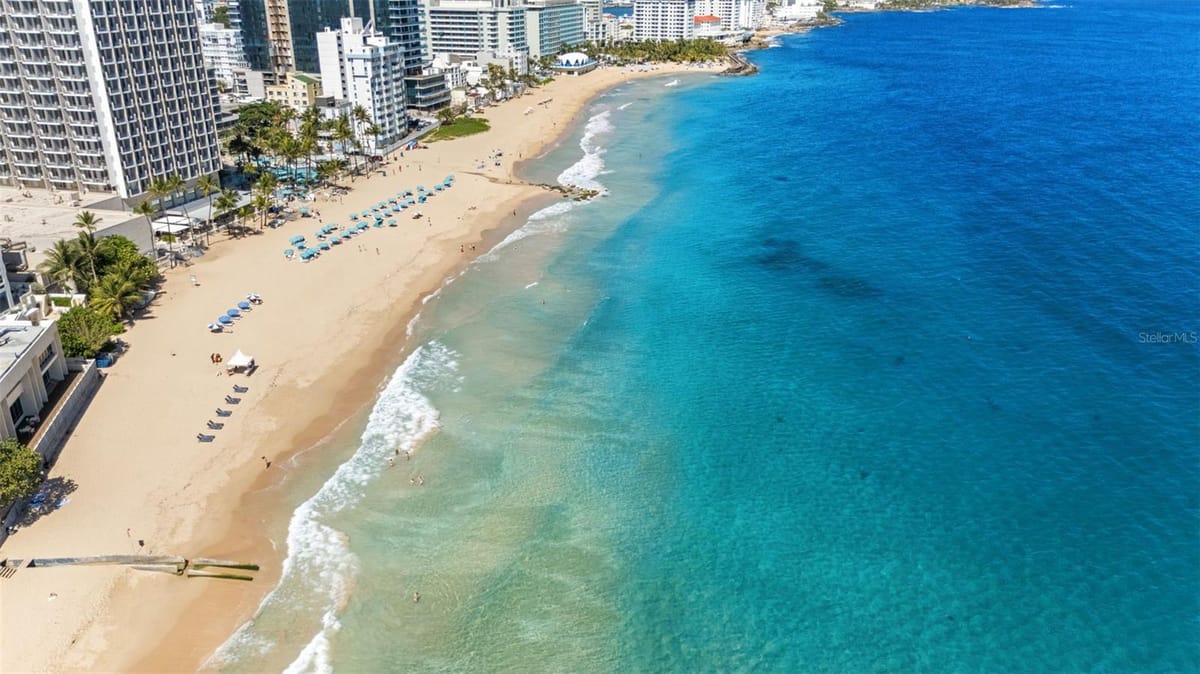
LUXURY COMMUNITIES
Condado and Isla Verde in San Juan, West Beach and Costa Dorada in Dorado, and Bahía Beach, Rio Mar and Coco Beach in Río Grande: closed-sale prices, buildings, fees a… Read more
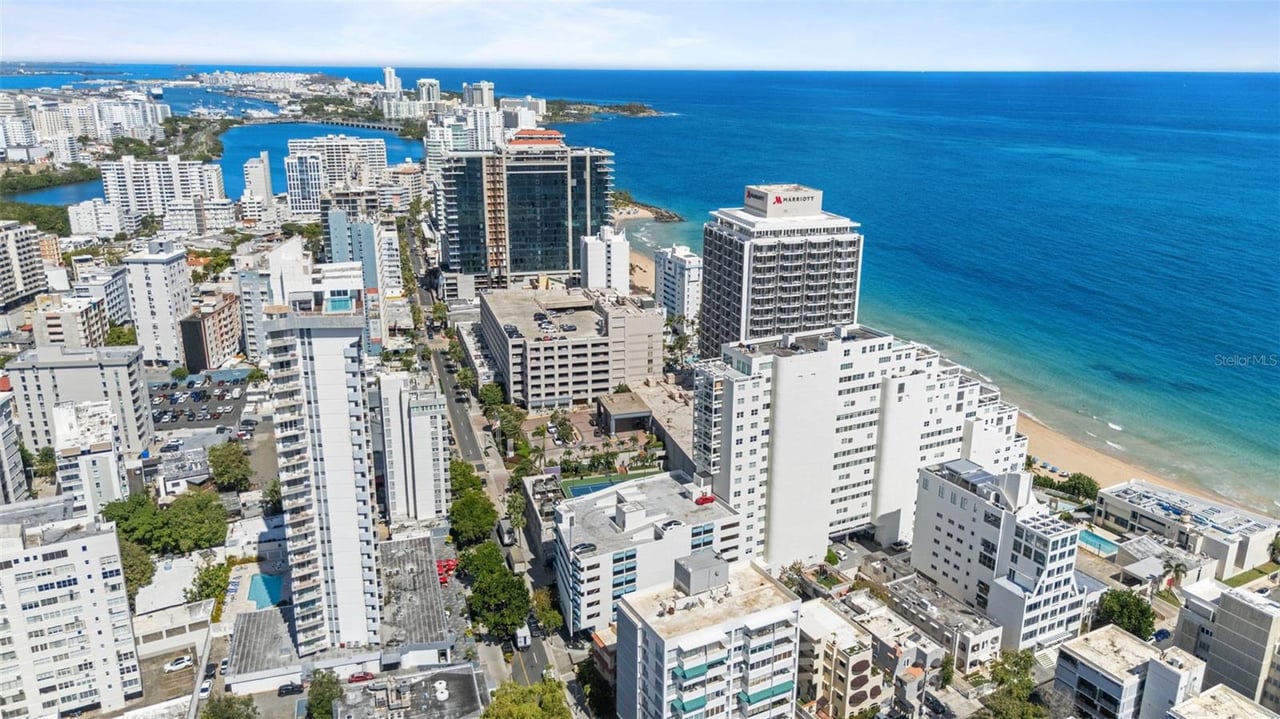
Condado · Buyer Guides · New Developments · Luxury Real Estate
How to Compare Pricing, Amenities, HOA Costs, Market Evidence and Long-Term Value Before Buying a Condo in Condado
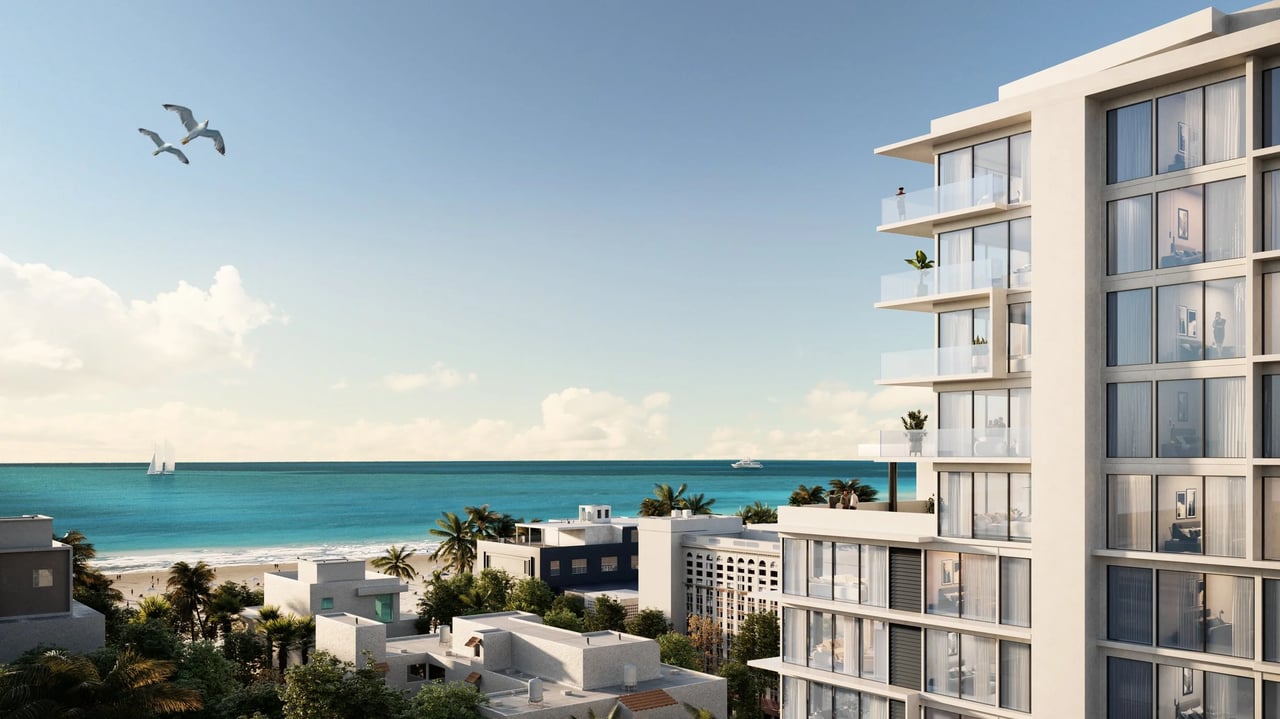
Condado · New Developments · Luxury Real Estate · Buyer Guides
A Buyer’s Guide to 1120 Ashford Avenue, New Construction, Pricing and How The ICON Fits Into Condado’s Changing Luxury Market
We connect discerning buyers and sellers with the island’s most exclusive real estate opportunities. Our expertise and network ensure seamless transactions for both relocation under Act 60 and the sale of distinguished estates. We combine discretion, strategy, and global reach to represent your interests with excellence.