
How to Sell a House Without a Realtor in Puerto Rico (2026 Guide)
Puerto Rico Real Estate Lizvette Robles May 4, 2026
Puerto Rico Real Estate Lizvette Robles May 4, 2026
And on the surface… it makes sense. No commission.
Full control.
Direct negotiation. But in Puerto Rico,
the real risk isn’t the process, it’s misunderstanding how the system actually works.
Because this is not a plug-and-play market.
Puerto Rico operates under a civil law system, not the same structure most U.S. buyers and sellers are used to. That affects: how ownership is verified, how properties are recorded, how transactions are structured and how issues surface during closing.
What you think you’re selling…
may not fully match what is legally registered. And that’s where most independent sellers run into problems.
If you're planning to sell on your own, this is the minimum structure required to protect the transaction: 1. Ownership and title verification.
Registered deed (escritura), Property Registry status and title study (recommended before listing).
2. Property documentation.
CRIM certification (property taxes), catastro number and utility and service records.
3. Permits and compliance.
Construction permits (if applicable), evidence of legal structures and septic or water system documentation (if not public utilities).
4. Purchase agreement.
Clearly defined terms; contingencies (financing, inspections, etc.); and deposit structure.
5. Closing process.
Notary (required in Puerto Rico), buyer financing coordination and final deed execution and recording.
This is what keeps the deal from falling apart late in the process.
This is where the difference between selling… and selling well… becomes clear. Mistake #1: Pricing based on listings (not real sales). Most sellers rely on: Zillow, classified listings and asking prices in the market.
But in Puerto Rico: Active listings are not reliable comparables.
Many properties are overpriced, some never sell and others close below asking.
Without real closed data: pricing becomes guesswork
and guesswork weakens your position from day one Mistake #2: Exposure without positioning. Selling on your own often leads to: inconsistent marketing, different messaging across platforms and lack of clear positioning.
The market reads that as: uncertainty
lack of direction And buyers respond accordingly. Mistake #3: Underestimating today’s buyer. Modern buyers, especially: out-of-state buyers, Act 60 investors and high-net-worth clients.
…are highly analytical. They: verify documents early, analyze risk and compare multiple options.
If your property is not clearly structured: they either walk away
or negotiate from a position of strength Mistake #4: Negotiating without leverage. Many sellers believe negotiation is about price. In reality, it’s about: timing, structure, buyer motivation and deal terms.
Without a clear strategy: sellers often concede more than they realize
Even when they consider selling independently, experienced sellers prioritize: positioning before exposure; pricing based on actual market liquidity; controlled entry into the market; and clear, consistent messaging.
Because in this market: visibility without strategy creates noise, not leverage
Yes. But the more important question is: Can you control the outcome of the sale? Because there’s a difference between: getting interestand and closing on the right terms.
They assume: “If the property is good, it will sell.” But in Puerto Rico: the market does not reward quality alone
it rewards positioning, structure, and timing And once a property loses positioning: it becomes significantly harder to recover momentum
Selling without a realtor is not about avoiding commission. It’s about taking full responsibility for: pricing strategy, legal structure, buyer qualification, negotiation and transaction timing.
And in a market where: inventory is selective, buyers are informed, and systems operate differently.
that responsibility is larger than most expect.
You don’t have to decide everything today. But understanding how the process actually works
before going to market
can directly impact your outcome. INVESTATE PUERTO RICO
Yes, homeowners can sell independently, but they must handle pricing, legal documentation, negotiations, and closing coordination.
Yes. A licensed notary is required to execute and record the deed of sale.
The most accurate pricing comes from recent closed sales, not active listings.
It can be, especially if title, permits, or documentation are not verified before entering the market.
If the paperwork turns out to be more than you want to carry alone, what a Puerto Rico realtor actually does is set out here.
¿Prefiere leerlo en español? Nuestra guía para vendedores está en Vender su propiedad de lujo en Puerto Rico.
Stay up to date on the latest real estate trends.
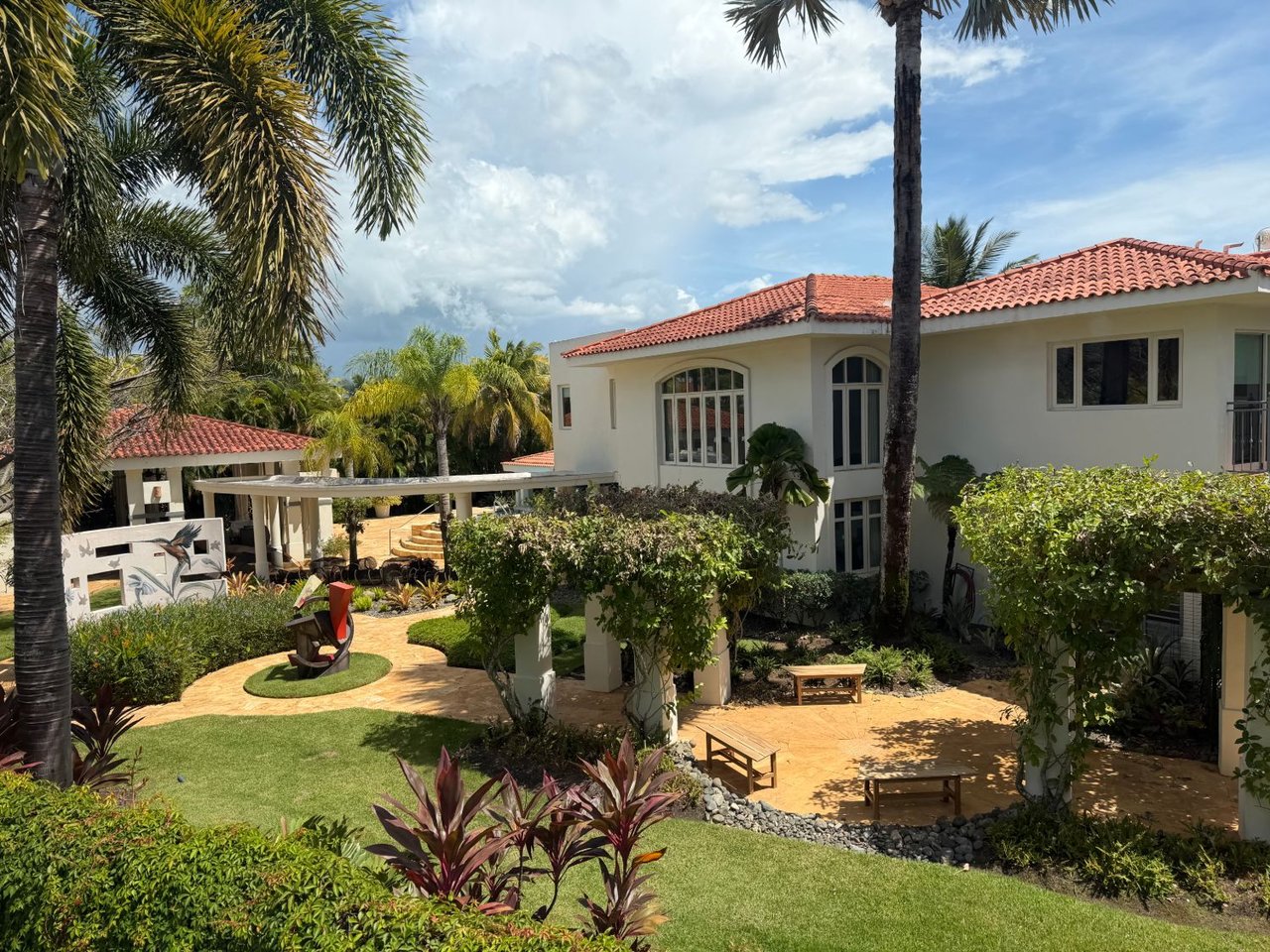

Act 60, the 1 January 2027 deadline, and the three IRS tests the decree does not cover.

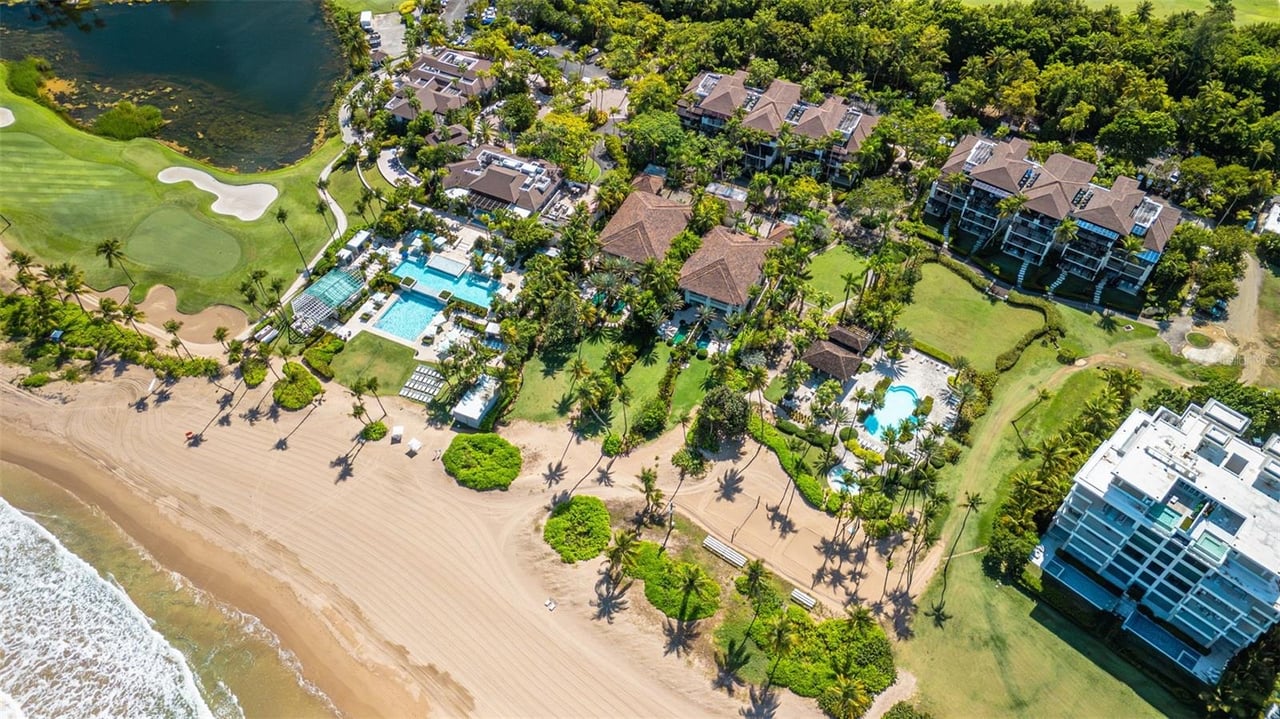
255 sales closed above $1 million between January and October 2026. $597.7 million, and eight of every ten inside five municipalities.
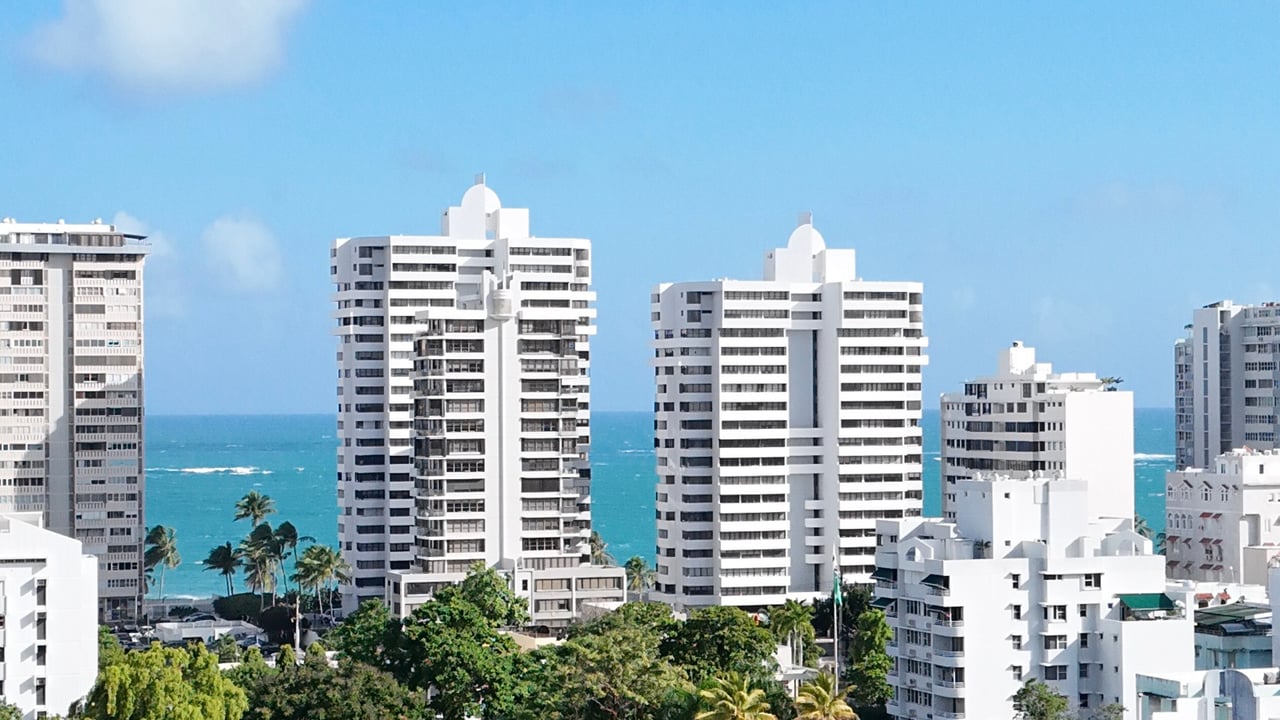
LUXURY CONDO
What 2,524 closed sales show, and the two 2026 rule changes that decide what a bank will finance.
What $1,477,000 buys on Puerto Rico's west coast, how it compares to closed sales above $1 million in Rincon and Boqueron, and what the $142 million Aguadilla airport … Read more

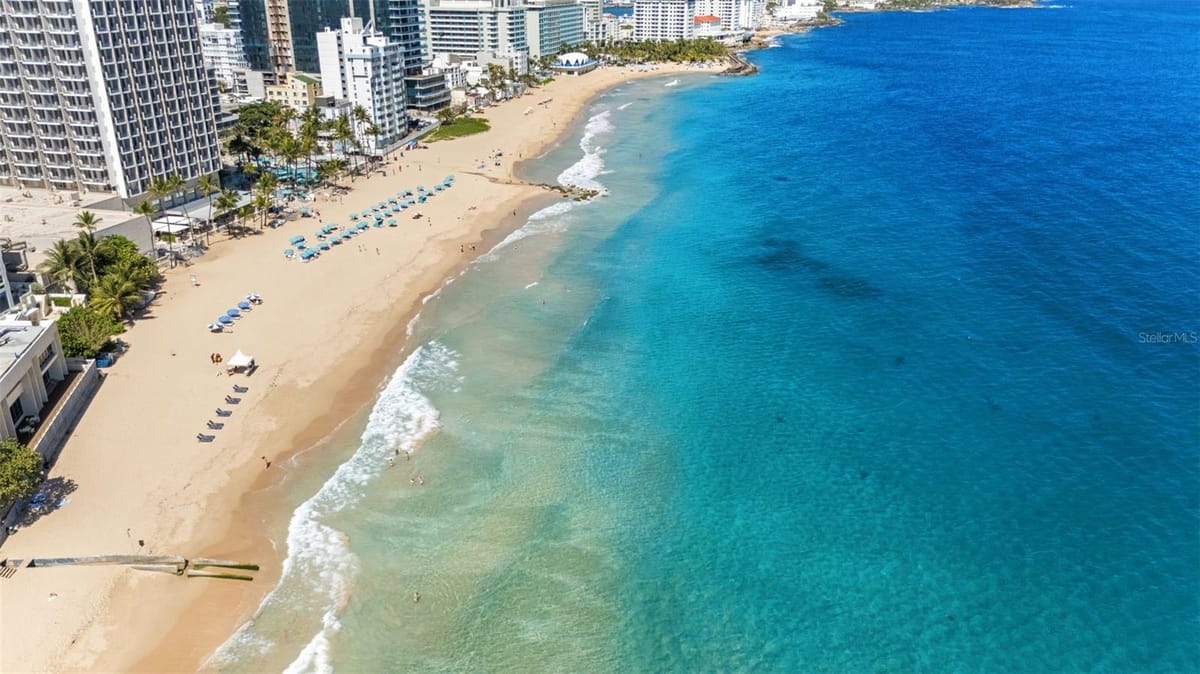
Condado · Buyer Guides · New Developments · Luxury Real Estate
What is still available, how to read the square footage, and what the project does not publish.
LUXURY CONDO
Fannie Mae and Freddie Mac raise the minimum condo reserve requirement to 15%. Puerto Rico law requires 5% - and lets buildings stop contributing altogether.
We connect discerning buyers and sellers with the island’s most exclusive real estate opportunities. Our expertise and network ensure seamless transactions for both relocation under Act 60 and the sale of distinguished estates. We combine discretion, strategy, and global reach to represent your interests with excellence.