Cabo Rojo and Joyuda: Puerto Rico's Quiet Luxury Coast
Neighborhoods, Buyers Guide, Luxury Market, Puerto Rico Real Estate Lizvette Robles June 26, 2026
Neighborhoods, Buyers Guide, Luxury Market, Puerto Rico Real Estate Lizvette Robles June 26, 2026
For most mainland buyers researching Puerto Rico, the search begins and ends in the same three places: Dorado, Condado, and Guaynabo. Those markets earn their reputation, but they are no longer where the most interesting value on the island lives. Increasingly, buyers who have done their homework are looking at the southwest coast, where Cabo Rojo and the Joyuda corridor offer something the metro luxury corridor cannot: true waterfront living, genuine privacy, and a price per square foot that still rewards early movers.
This guide is for buyers who want to understand what living and investing in Cabo Rojo actually looks like, and why Puerto Rico's west coast is quietly becoming the island's most compelling alternative luxury market. Where Cabo Rojo Sits, and Why Geography Is the Whole Story
Cabo Rojo occupies the southwestern corner of Puerto Rico, roughly two and a half hours from San Juan and thirty minutes from Mayagüez. That distance from the capital is precisely the point. The west coast operates at a different rhythm, slower, quieter, and oriented entirely around the water. The municipality holds some of the most photographed coastline in the Caribbean: the limestone cliffs and lighthouse at Los Morrillos, the pink salt flats of the Cabo Rojo National Wildlife Refuge, the calm crescent of Boquerón, and the white sand of Playa Sucia, regularly ranked among the best beaches in Puerto Rico.
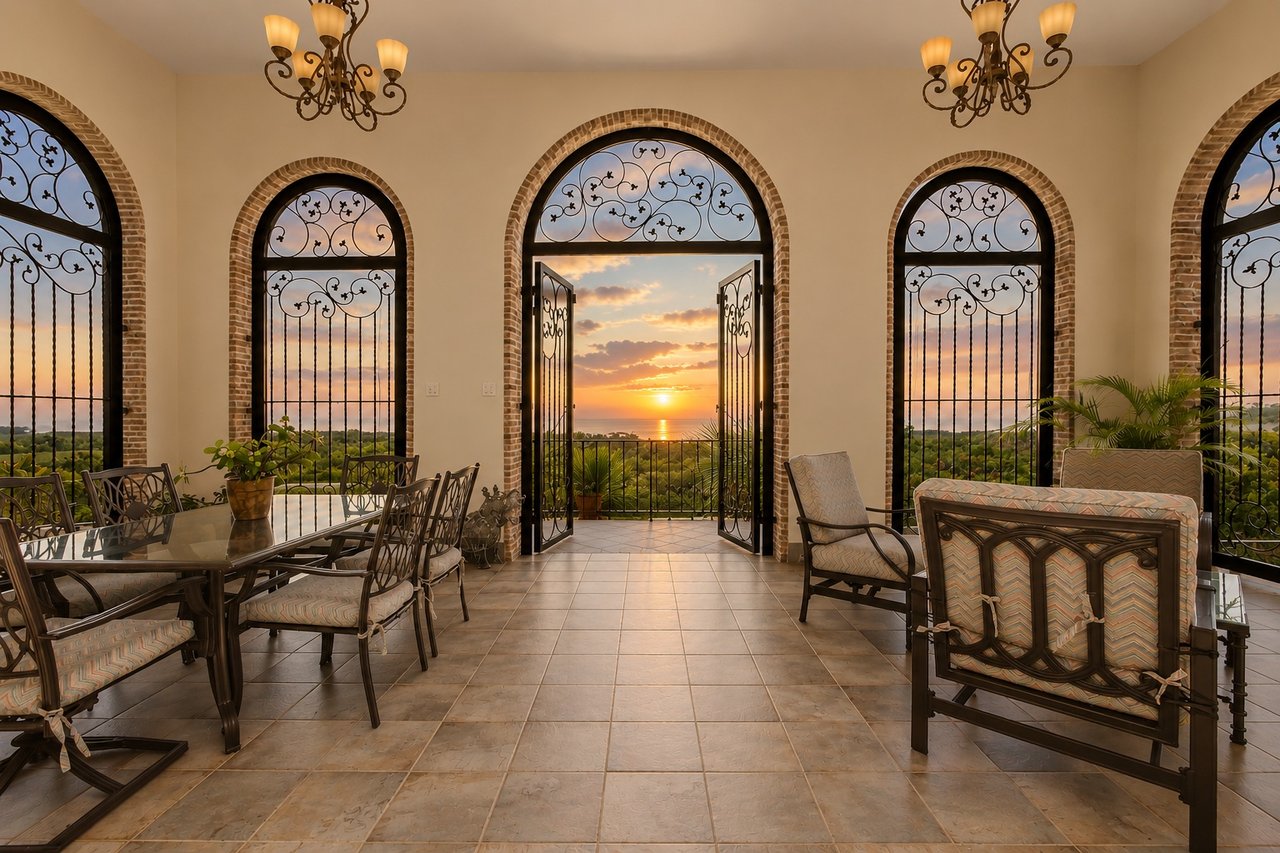
Then there is Joyuda. Stretched along the coast just north of the town center, Joyuda is best known for its seafood corridor, a line of waterfront restaurants that locals have called the island's gastronomic gold mile for decades, and for Laguna Joyuda, a bioluminescent lagoon that sits between the hills and the Caribbean. Properties positioned above this stretch of coast capture something rare even by Puerto Rico standards: simultaneous views of the lagoon, the coastline, and the open sea, with sunsets over the water every single evening. On an island where most luxury inventory faces the Atlantic, west-facing Caribbean sunset views are a structural scarcity, and scarcity is what drives long-term value.
The Real Estate Case: What Your Money Buys on the West Coast The honest comparison matters. In Dorado Beach, eight figures is the entry point for estate-level property, and even outside the resort gates, premium single-family homes in the metro corridor routinely trade well above $3 million. In Cabo Rojo, the luxury segment operates on a different scale entirely. Architecturally significant estates with panoramic water views, properties that would command double or triple in the metro market, trade in the $1 million to $3 million range.
That gap is not a discount for inferior product. It reflects a market that institutional attention has not yet reached. Construction quality at the top of the west coast market matches anything on the island: concrete construction, hurricane-rated glazing, solar infrastructure, cisterns, and custom architecture on elevated lots with privacy that gated metro communities simulate but cannot truly deliver. What the west coast lacks, for now, is the brand recognition of a Ritz-Carlton Reserve flag. Buyers who need that signal should stay in Dorado. Buyers who want the underlying asset, land, views, water, privacy, are increasingly finding it in Cabo Rojo at a fraction of the cost basis.
Who Is Buying Here
The west coast buyer profile has shifted meaningfully in the past three years. The first group is Act 60 decree holders who established residency in the metro area, satisfied their compliance footing, and then went looking for either a primary residence with more land and water, or a second property that diversifies their island holdings. The second group is mainland and international buyers who were never anchored to San Juan to begin with, remote entrepreneurs, retirees, and buyers from the U.S. West Coast for whom a sunset over the Caribbean matters more than proximity to a banking district. The third group is local and diaspora wealth, often with family roots in the west, returning to the region with mainland purchasing power.
What unites them is a preference for substance over signaling. The west coast does not have a social scene built around club memberships. It has boating out of Puerto Real and Boquerón, world-class diving and sport fishing, golf at nearby courses in the Mayagüez region, and a food culture in Joyuda that predates every luxury development on the island.
Practical Realities: Airports, Healthcare, and Infrastructure
A clear-eyed assessment includes the tradeoffs. Aguadilla's Rafael Hernández Airport (BQN), roughly an hour north, carries direct flights to several U.S. mainland cities and has been expanding service steadily. Mayagüez offers regional hospital infrastructure, with the island's full tertiary care concentrated in the San Juan metro. Power and water infrastructure in rural sectors requires the same diligence as anywhere on the island, which is why the strongest west coast properties are self-sufficient by design, with solar arrays, battery storage, generators, and cisterns treated as standard equipment rather than upgrades. Buyers should also verify maritime zone boundaries and land-use classifications on coastal lots, an area where experienced local representation earns its fee many times over.
Timing: Why the Window Matters Markets like this do not stay quiet indefinitely. The pattern is familiar to anyone who watched Rincón over the past decade: lifestyle migration arrives first, prices follow, and the early inventory, the elevated lots, the lagoon views, the architectural one-offs, gets absorbed and does not come back. Cabo Rojo's luxury inventory is thin, measured in individual properties rather than communities. When a singular estate trades, there is rarely a comparable one behind it.
At InvEstate Puerto Rico, we work the west coast market directly, with active luxury listings in Cabo Rojo and Mayagüez and current transaction knowledge across the region. If you are weighing the metro corridor against the west, or simply want to understand what your budget commands on each coast, contact us. The comparison is worth an honest conversation.
Frequently Asked Questions Is Cabo Rojo a good place to buy luxury real estate in Puerto Rico? Yes, for the right buyer. Cabo Rojo offers waterfront and view properties at a significantly lower cost basis than Dorado or Condado, with privacy and natural assets the metro market cannot match. The tradeoff is distance from San Juan's airports, hospitals, and private schools, which makes it strongest as a primary residence for location-independent buyers, a second home, or a long-term value position.
How far is Cabo Rojo from San Juan? Roughly two and a half hours by car. Most west coast residents fly through Aguadilla's Rafael Hernández Airport (BQN), about an hour away, which offers direct mainland service, rather than driving to San Juan for every trip.
What is Joyuda known for? Joyuda is Cabo Rojo's coastal restaurant corridor, famous across Puerto Rico for fresh seafood, and home to Laguna Joyuda, a bioluminescent lagoon. Hillside properties above Joyuda capture combined lagoon, coastline, and Caribbean sunset views, among the most distinctive view profiles on the island.
Do Act 60 buyers purchase in Cabo Rojo? Increasingly, yes. Act 60 residency requirements concern where you live, not which municipality you choose. Some decree holders establish their primary residence on the west coast directly; others buy in Cabo Rojo as a second island property after settling in the metro area.
What should buyers verify before purchasing coastal property in Cabo Rojo? Title and registry status, CRIM records, permitted status of all structures, maritime-terrestrial zone boundaries on oceanfront lots, and the property's infrastructure independence, solar, water storage, and backup power. These are standard diligence items across Puerto Rico, but they carry extra weight on rural coastal land.
Is the west coast of Puerto Rico a better investment than Dorado? They are different positions. Dorado is the island's established blue-chip market, maximum liquidity, maximum entry price. The west coast is an appreciation play: lower basis, thinner inventory, and a lifestyle migration trend that is still early. Sophisticated buyers increasingly hold both.
The West Coast, Properly Represented InvEstate Puerto Rico advises buyers and sellers across the island's luxury markets, from Dorado and Condado to Cabo Rojo and the west. If the quiet coast is calling, contact us. We will show you what the market actually offers, starting with the data.
See Listing Details: https://investatepr.com/properties/carr-100-km-27-bo-guanajibo-cabo-rojo-pr-us-00623-mfrpr9121540
Stay up to date on the latest real estate trends.
LUXURY COMMUNITIES
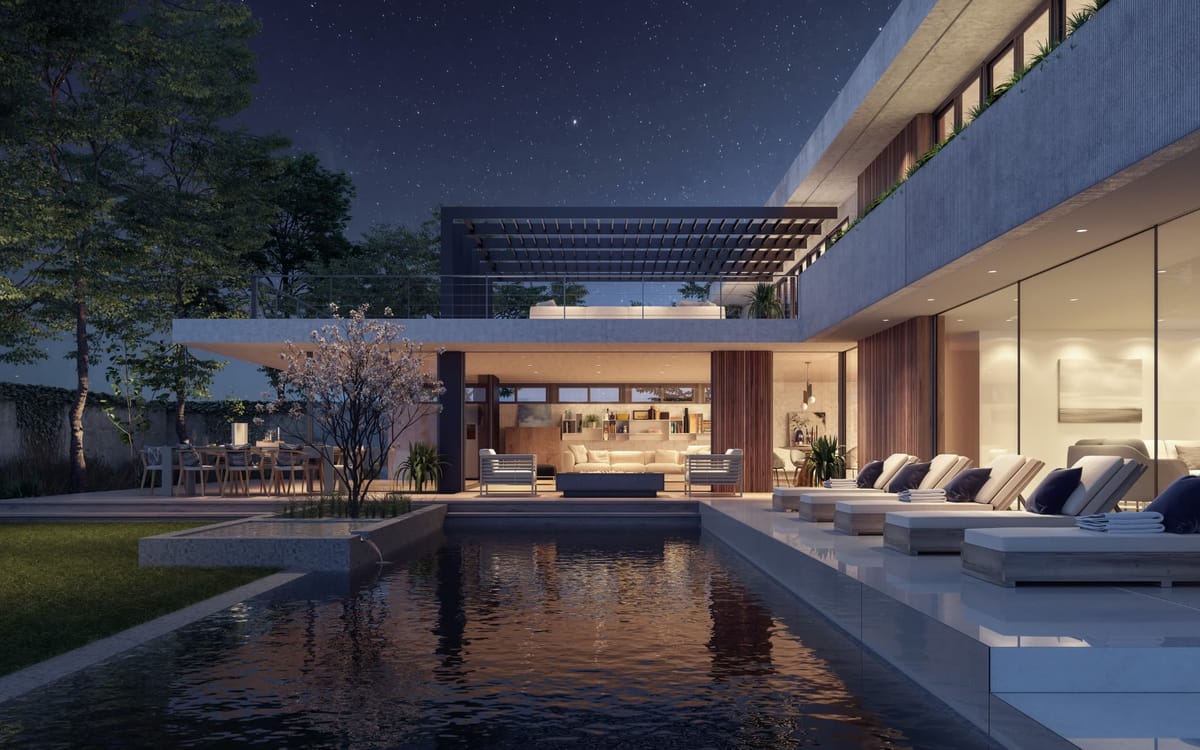
44 residences from $1.2M between Garden Hills and San Patricio. What $818 per square foot means if you are buying, and what it changes if you already own in the area.
LUXURY COMMUNITIES
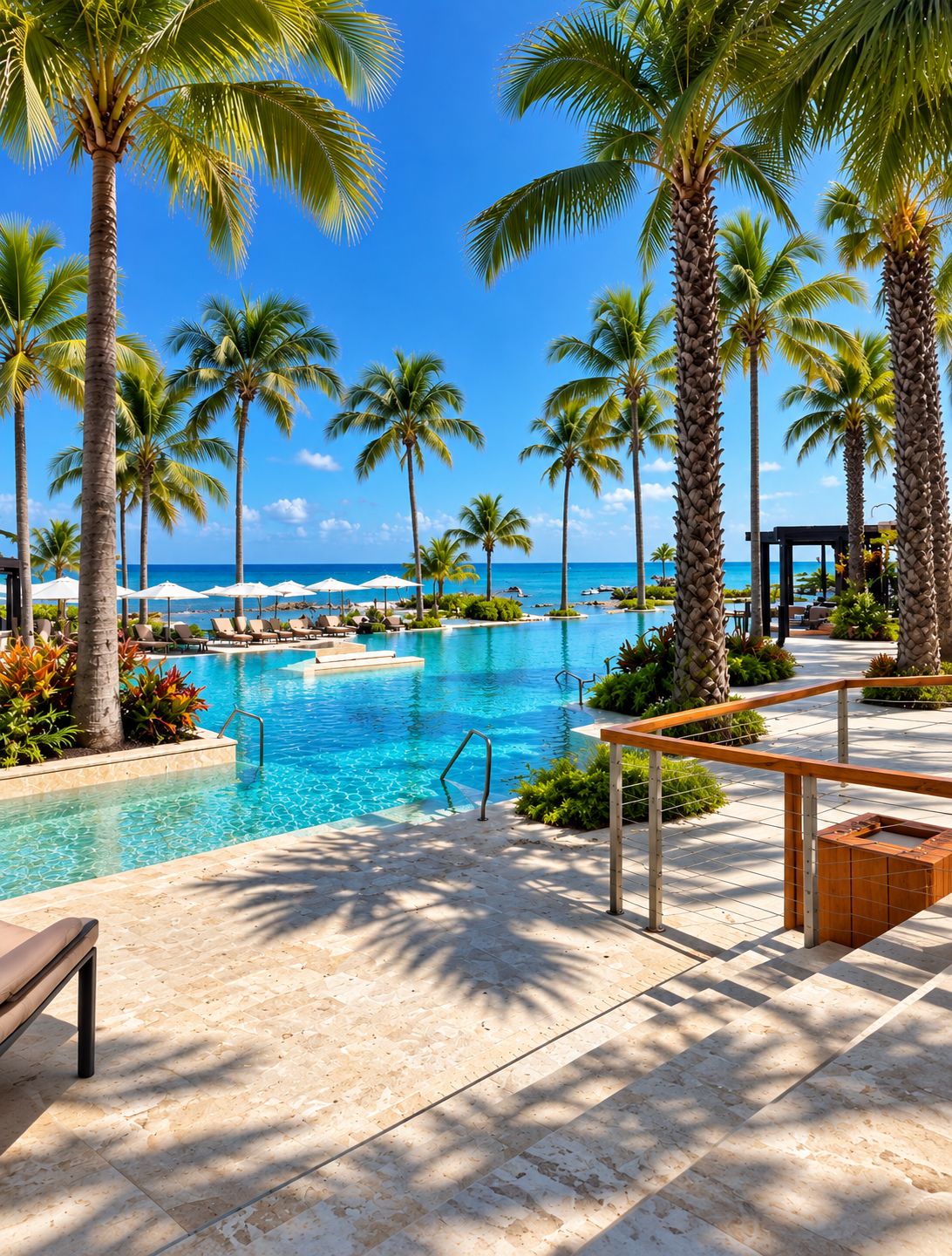
Forty Stellar MLS closed sales across eight communities, from $136 to $3,110 per square foot, what sellers actually accept, and what the maintenance fee adds.
LUXURY COMMUNITIES
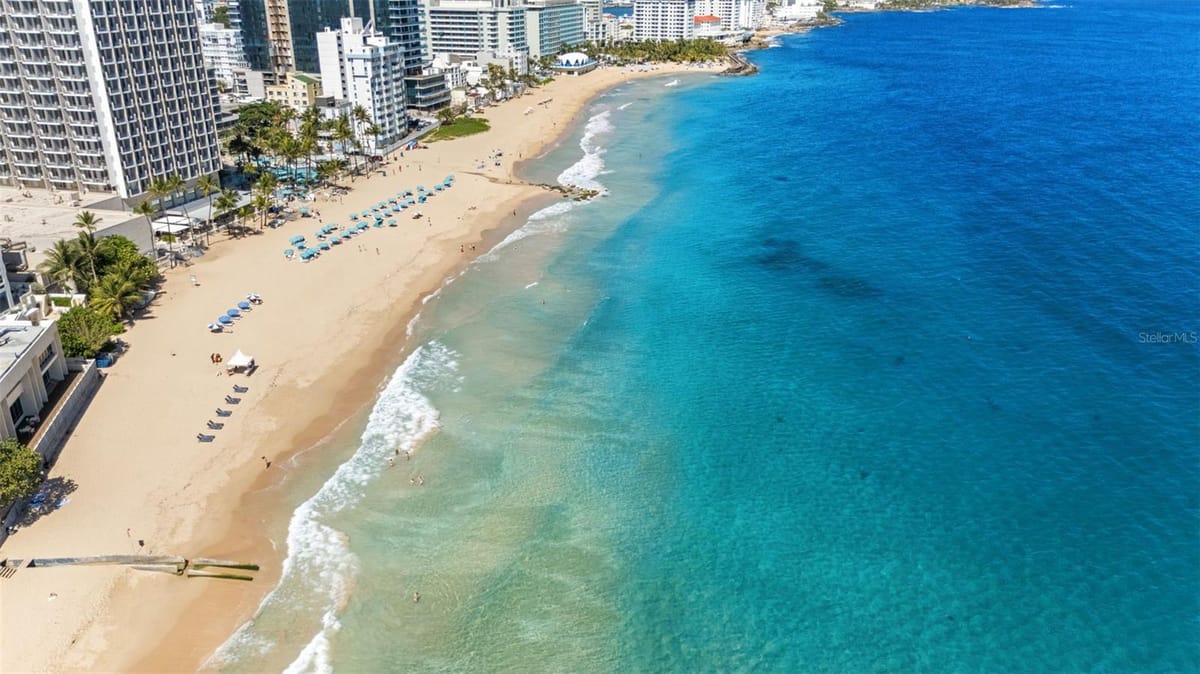
Condado and Isla Verde in San Juan, West Beach and Costa Dorada in Dorado, and Bahía Beach, Rio Mar and Coco Beach in Río Grande: closed-sale prices, buildings, fees a… Read more
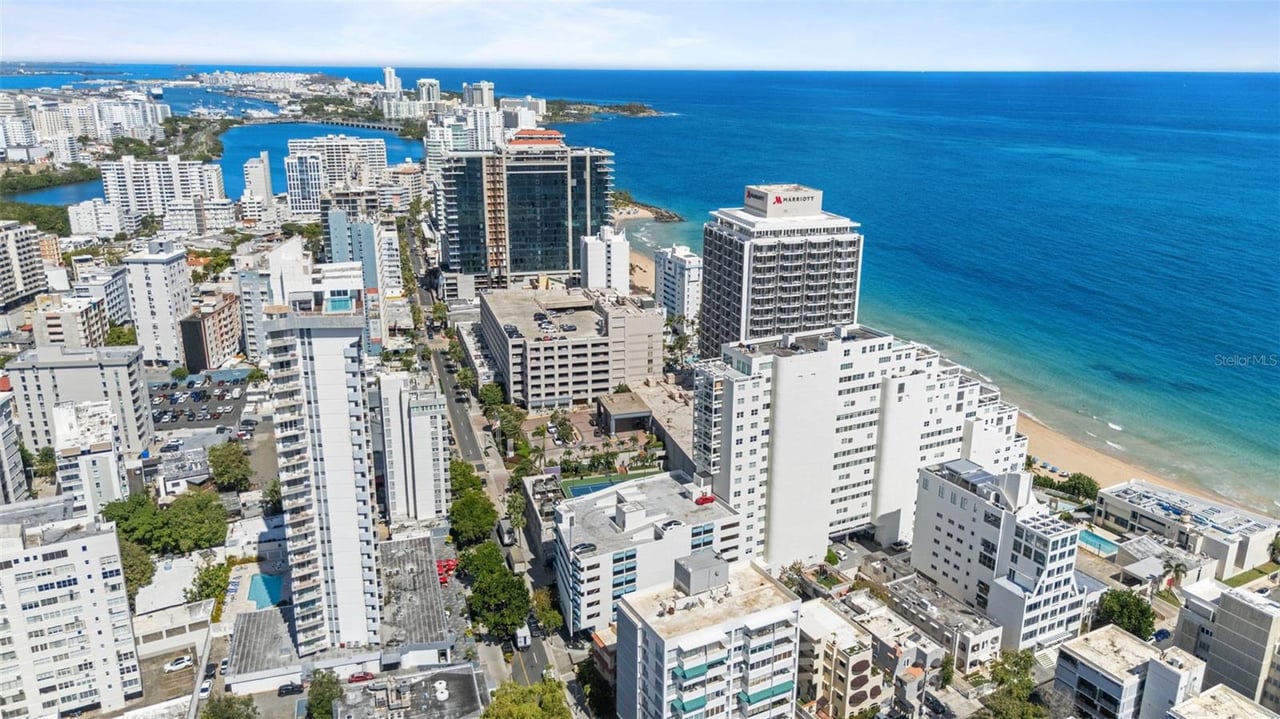
Condado · Buyer Guides · New Developments · Luxury Real Estate
How to Compare Pricing, Amenities, HOA Costs, Market Evidence and Long-Term Value Before Buying a Condo in Condado
Condado · New Developments · Luxury Real Estate · Buyer Guides
A Buyer’s Guide to 1120 Ashford Avenue, New Construction, Pricing and How The ICON Fits Into Condado’s Changing Luxury Market
Condado, New Developments, Luxury Real Estate, Buyer Guides
A Buyer’s Guide to Condado’s New Oceanfront Luxury Development, Amenities, Pricing and Market Position
MARKET ANALYSIS
60 Closed Sales, $73.9M in Volume — and a New Generation of Luxury Development Is Reshaping Condado
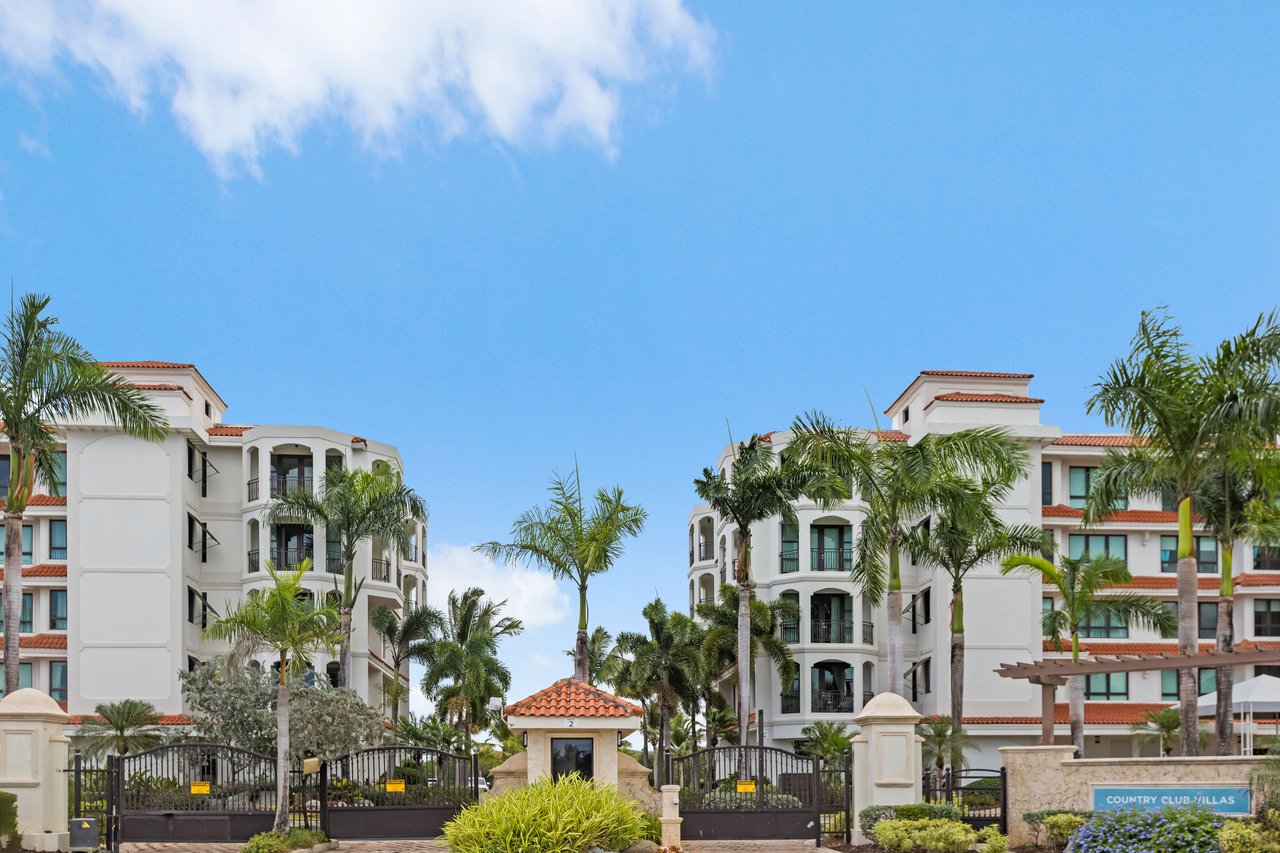
Puerto Rico Buying Guides
HOA structures, insurance, backup infrastructure, rental restrictions, resort privileges and comparable sales can matter as much as the view. Here’s what buyers should… Read more
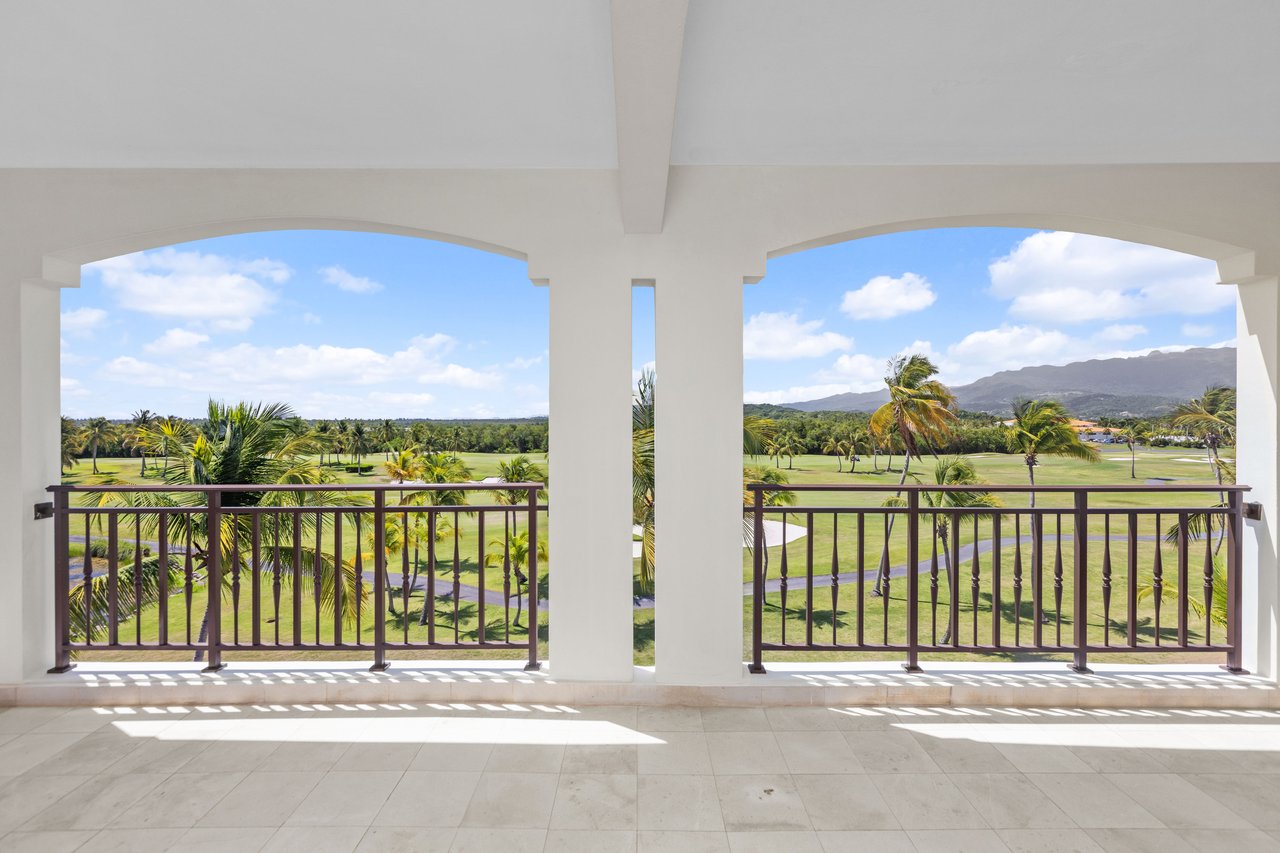
Puerto Rico Buying Guides
Ocean views may command attention, but golf-front properties can offer space, privacy and a different ownership experience. Here’s how buyers should compare beachfront… Read more
We connect discerning buyers and sellers with the island’s most exclusive real estate opportunities. Our expertise and network ensure seamless transactions for both relocation under Act 60 and the sale of distinguished estates. We combine discretion, strategy, and global reach to represent your interests with excellence.