
Best Realtor in Puerto Rico for Investors (2026): Tax Strategy, Act 60, and What Most Get Wrong
Puerto Rico Real Estate Lizvette Robles May 5, 2026
Puerto Rico Real Estate Lizvette Robles May 5, 2026
The best realtor for an investor relocating under Act 60 is a licensed corredor (broker) who treats the real estate purchase as the last step of the plan, not the first: decree strategy with your CPA and attorney, the two-year residence requirement, and then a property chosen on closed comparables and exit liquidity. At InvEstate Puerto Rico, Antonio Cartagena has held broker license C-13471 since 2005 and Lizvette Robles (license 23765) leads pricing analysis and marketing. If you want a direct conversation, call Antonio at (787) 717-6443 or Lizvette at (787) 638-0661.
Most investors searching this aren’t really looking for an agent. They’re trying to answer something bigger: “How do I move capital to Puerto Rico… without getting it wrong?”
Because this isn’t just about buying property. It’s about: tax positioning, residency structure and long-term execution.
And that’s where most mistakes happen.
Let’s ground this in reality: If an investor realizes a $3,000,000 capital gain:
Federal: ~20%; NIIT: 3.8%; and state: up to ~13%.
Total: ~30%, 37%
Taxes: $700,000, $1,000,000+ Puerto Rico (Act 60, properly structured).
Capital gains: 0% (legacy structure); and New applicants (2026+): ~4%.
Taxes: $0 or; and ~$120,000.
That’s a six- to seven-figure difference on a single event. That’s why Puerto Rico is on the radar.
Because they focus on the tax benefit… without structuring the move correctly. Puerto Rico is a U.S. jurisdiction, but: different legal system, different property registry and different infrastructure realities.
And when investors apply a California / Texas / Florida mindset here, the strategy breaks.
They don’t start with: “What should I buy?” They start with: “How will I live and operate here, every day?” Because in Puerto Rico: location defines lifestyle, lifestyle defines consistency and consistency defines execution.
And execution is what protects capital.
They assume: “If the numbers work, the move will work.” That’s not how Puerto Rico behaves. We’ve seen it repeatedly: the asset performs on paper, the lifestyle doesn’t align and the move becomes unsustainable.
And the tax strategy collapses.
Phase 1: Exploration.
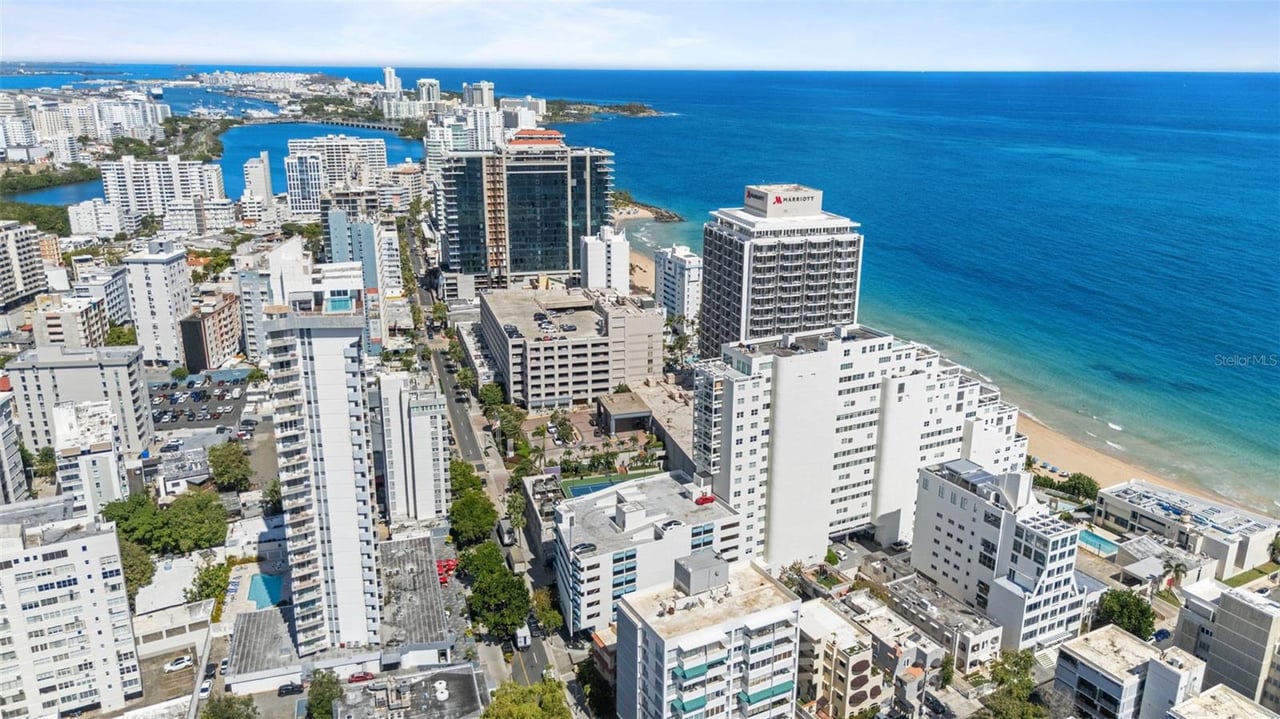
Understand Dorado vs Condado vs Guaynabo vs Río Grande. Evaluate infrastructure, access, and daily logistics.
Phase 2: Alignment.
Match lifestyle with business and family needs; and validate schools, community, and environment.
Phase 3: Acquisition.
Deploy capital with clarity and structure ownership aligned with tax strategy.
Not speed, precision
This is one of the biggest signals of sophistication. They don’t delay the purchase. They remove uncertainty. Because buying too early can lock you into: the wrong micro-location, the wrong environment and the wrong long-term positioning.
And repositioning in Puerto Rico is not frictionless.
Puerto Rico is not a like-for-like move. It’s a structural shift. Yes, it’s part of the United States.
But: tax rules differ, residency requirements are strict and income sourcing matters.
And everything must align.
Most agents focus on: listings, showings and closing.
That’s not where the real risk is. For investors, the real value is: understanding how real estate fits into the strategy That includes: location selection based on lifestyle + operations, timing the acquisition correctly and coordinating with tax and legal advisors.
We don’t approach this as a transaction. We approach it as: a capital positioning decision We work alongside: CPAs specialized in Act 60 and attorneys focused on residency and compliance.
So clients can understand: the structure before they deploy capital Because once you move incorrectly, fixing it is not always simple.
Puerto Rico is not just a tax opportunity. It’s a long-term strategic repositioning of capital and lifestyle. And the investors who get it right: don’t start with the property and don’t rush into the market.
They start with: clarity on how they will live, operate, and execute
Puerto Rico licenses two different roles, and most mainland buyers never ask which one they are talking to.
Corredor de bienes raíces (broker). Holds an independent license from Puerto Rico's real estate board, can operate a brokerage, and is personally responsible for the transaction. Vendedor (salesperson). Works under a broker's license and cannot represent you independently.
Neither is "bad," but when a deal gets complicated, a title discrepancy in the Registro de la Propiedad, a permit that was never filed, a decree deadline, you want the person who signs the contract to be the person accountable for it. Ask for the license number. A serious professional will give it to you before you ask.
What is your license number, and is it a broker or salesperson license? How many transactions have you closed in this municipality in the last 24 months? Can you show me the closed comparable sales you would use to price this property, not the active listings? Who reviews the title study and the Registro de la Propiedad entry before I commit? Which notary attorneys do you work with, and how long do their closings take? If I am relocating under Act 60, how do you coordinate with my CPA on the two-year residence requirement? What is the real average days-on-market for homes like this one in this community? What does your marketing plan include, photography, video, international portals, targeted advertising, and who produces it? If I call you on a Saturday, who answers? Who will actually be at the showings?
If the answers are vague, keep looking. The right advisor answers all ten without hesitation.
The question changes. You are not looking for the realtor who promises the highest price; you are looking for the one who can prove what the market will actually pay, and then reach that buyer.
Yes. The 0% version of the Individual Resident Investor incentive ends for new applicants on December 31, 2026; those who apply afterward pay 4% on interest, dividends and qualifying capital gains, still far below top mainland rates. Existing decrees hold their terms. Confirm your own case with your Act 60 attorney or CPA.
Yes. Act 60 requires bona fide Puerto Rico residency, and the Individual Resident Investor decree includes a requirement to purchase a residence within a defined window. Residency must be properly structured and maintained, which is why the CPA and attorney conversation comes before the property search.
Most high-level investors evaluate first, often renting for a period to confirm the community, the commute and the lifestyle before committing capital. The residence purchase requirement has its own timeline; we plan the purchase inside that window rather than rushing it in the first month.
No. Treatment depends on the type of income, its sourcing, how the business or investments are structured and ongoing compliance. Real estate is one piece of that structure; your CPA and attorney define the rest.
Ask for the license number and check it with Puerto Rico's real estate board. Antonio Cartagena's broker license is C-13471 and Lizvette Robles's license is 23765.
If you’re searching for the “best realtor in Puerto Rico” as an investor
what you’re really looking for is clarity before commitment
Because here, the difference is not just what you buy.
It’s whether the entire strategy actually works.
If Puerto Rico is on your radar and you want to understand how this applies to your situation:
Start with the structure, not the property
Then bring in the right professionals
Learn More:
//investatepr.com/blog/puerto-rico-act-60-changes-in-2026-new-4-investor-tax-explained
Talk to us before you decide: Antonio (787) 717-6443 · Lizvette (787) 638-0661 · investatepr.com
If you are working through the property side of a decree, start with our Act 60 real estate guide.
Stay up to date on the latest real estate trends.
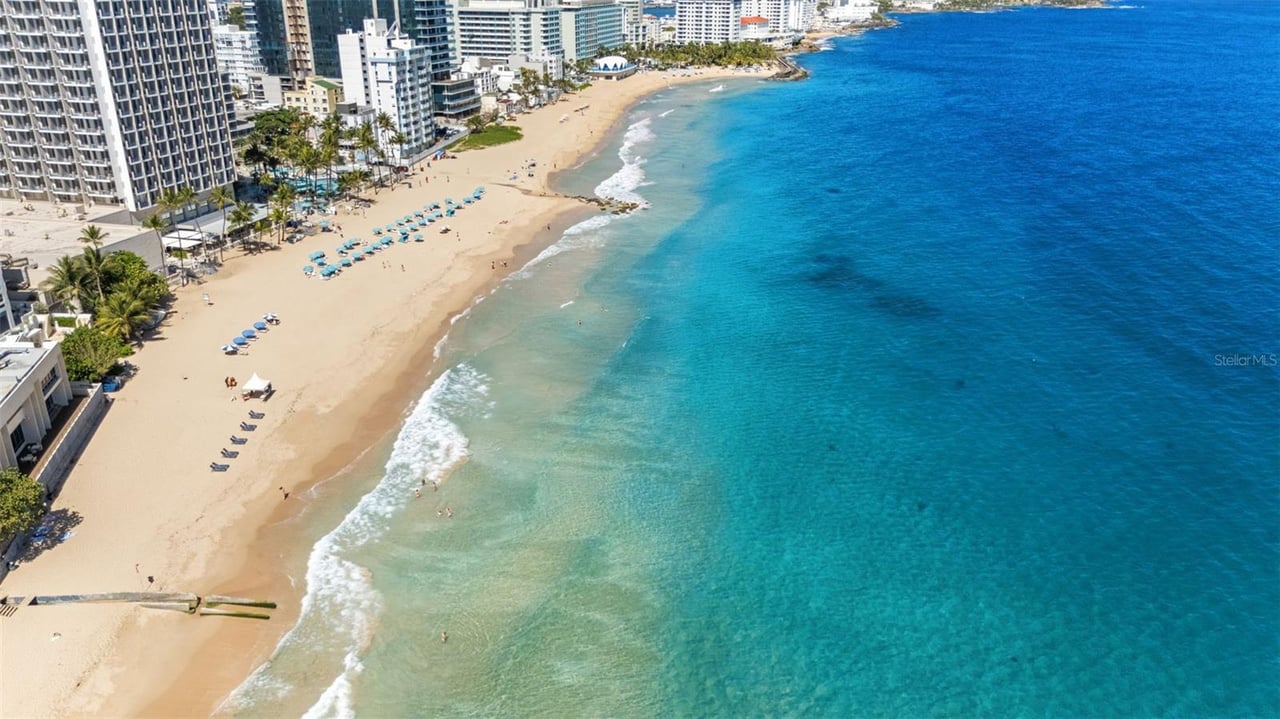
Condado · Relocation · Buyer Guides · Puerto Rico Real Estate
What Buyers Should Know About Walkability, Schools, Healthcare, Condos, Transportation and Choosing the Right Property Before Moving to Condado

Act 13-2026 gives you a deadline to see the building rules. Act 157-2026 moves disputes out of DACO and into the courts.
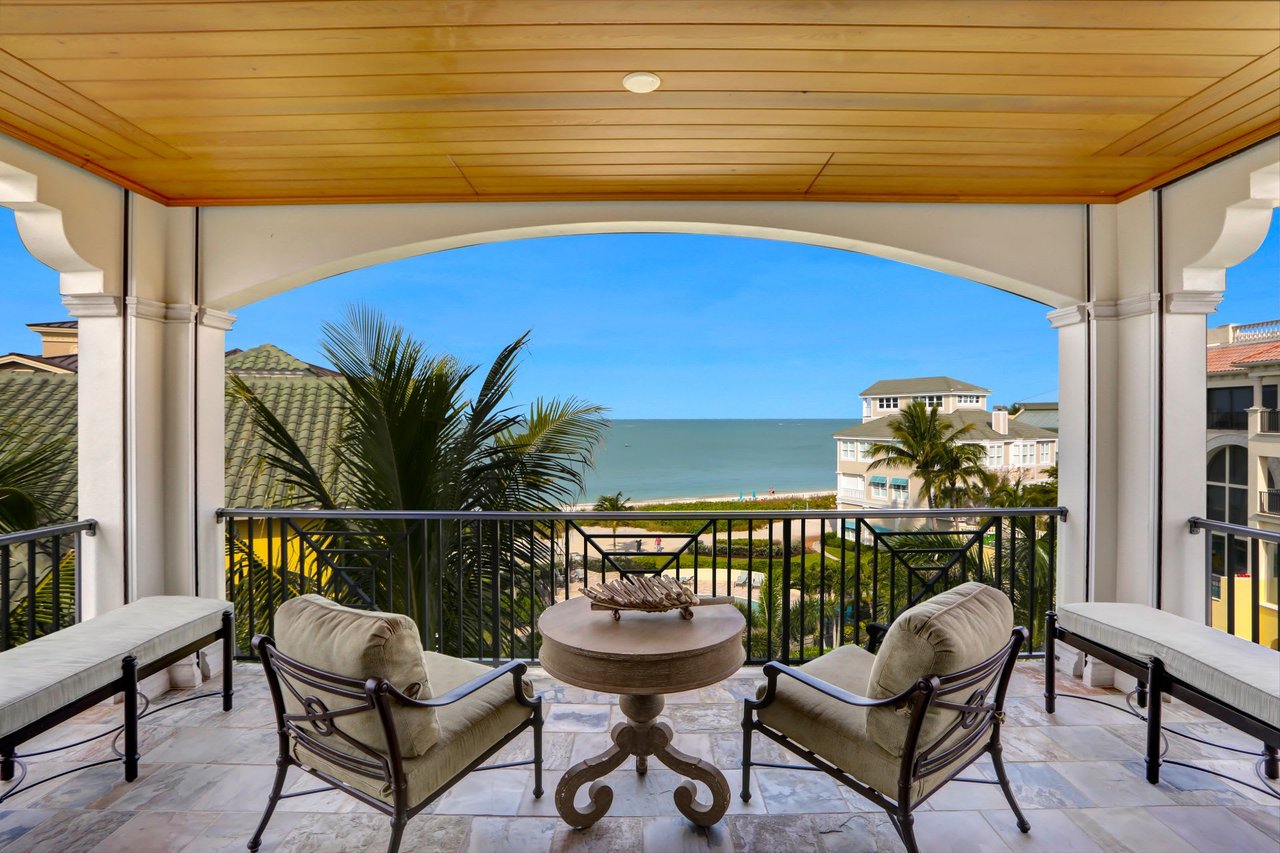
Condado · Buyer Guides · Luxury Real Estate · Puerto Rico Real Estate
How Views, Exposure, Location, Noise, Walkability and Resale Position Differ Across Condado’s Two Waterfronts
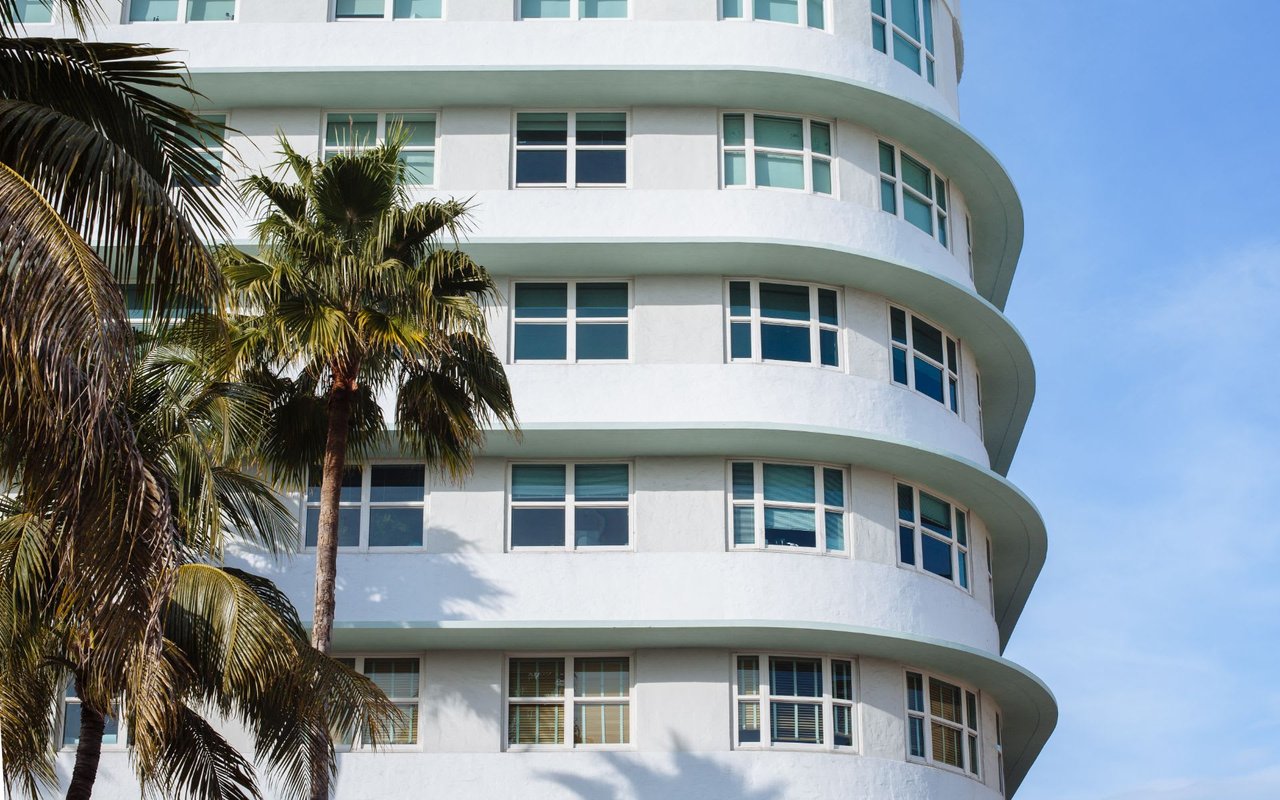
Condado · Buyer Guides · Puerto Rico Real Estate · Luxury Real Estate
HOA Fees, Insurance, Property Taxes, Assessments and the Expenses Buyers Should Understand Before Purchasing in Condado

LUXURY COMMUNITIES
44 residences from $1.2M between Garden Hills and San Patricio. What $818 per square foot means if you are buying, and what it changes if you already own in the area.

LUXURY COMMUNITIES
Forty Stellar MLS closed sales across eight communities, from $136 to $3,110 per square foot, what sellers actually accept, and what the maintenance fee adds.
LUXURY COMMUNITIES
Condado and Isla Verde in San Juan, West Beach and Costa Dorada in Dorado, and Bahía Beach, Rio Mar and Coco Beach in Río Grande: closed-sale prices, buildings, fees a… Read more
Condado · Buyer Guides · New Developments · Luxury Real Estate
How to Compare Pricing, Amenities, HOA Costs, Market Evidence and Long-Term Value Before Buying a Condo in Condado

Condado · New Developments · Luxury Real Estate · Buyer Guides
A Buyer’s Guide to 1120 Ashford Avenue, New Construction, Pricing and How The ICON Fits Into Condado’s Changing Luxury Market
We connect discerning buyers and sellers with the island’s most exclusive real estate opportunities. Our expertise and network ensure seamless transactions for both relocation under Act 60 and the sale of distinguished estates. We combine discretion, strategy, and global reach to represent your interests with excellence.