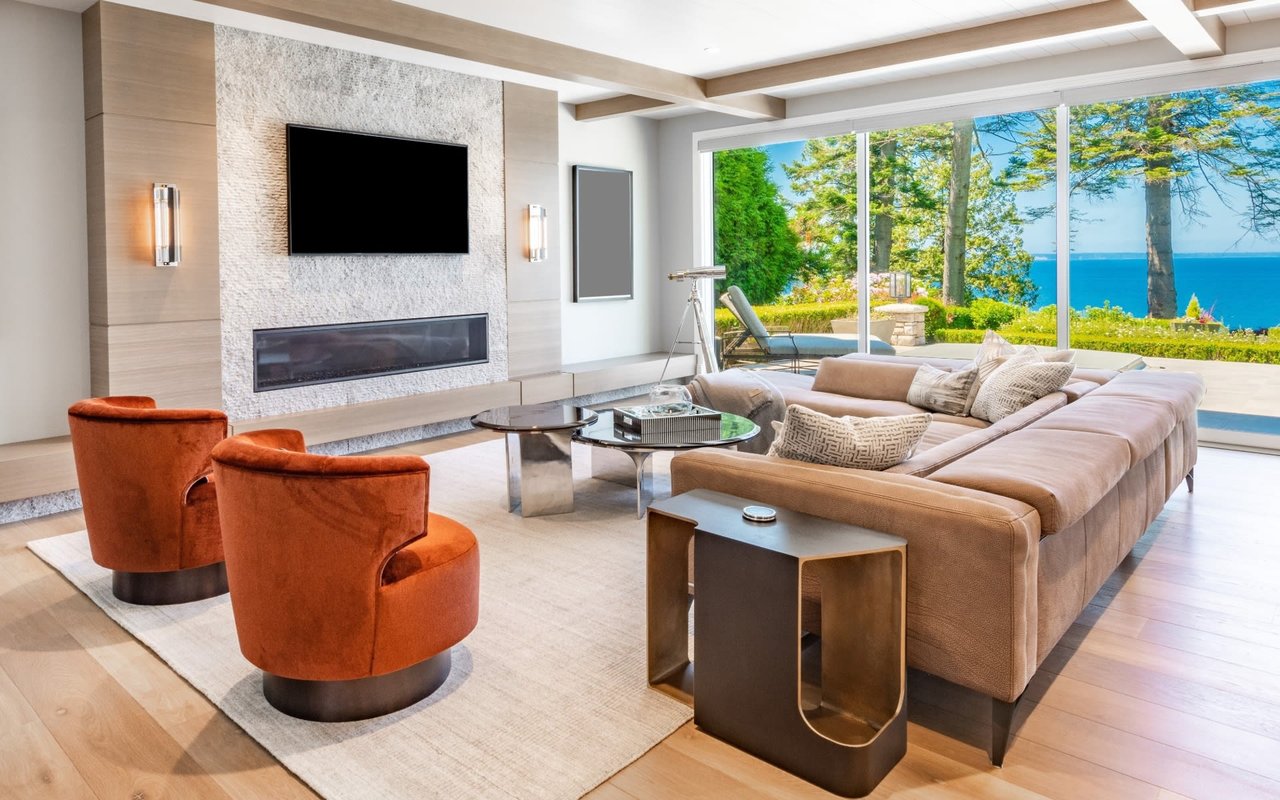
Why Your Luxury Home Isn’t Selling in Puerto Rico (Even If the Market Is Active)
Puerto Rico Real Estate Lizvette Robles April 21, 2026
Puerto Rico Real Estate Lizvette Robles April 21, 2026
The market is active. Properties are selling. So why isn’t yours? When a home doesn’t sell, most owners assume one thing: “It must be the market.” In reality, it’s usually something else.
The market isn’t rejecting your property.
It’s not recognizing it.
In Puerto Rico’s current real estate environment, especially in high-end areas like Dorado, Condado, San Juan, and Río Grande: buyers are still active, demand still exists and transactions are still happening.
But not evenly. This is no longer a market where everything sells. It’s a market where only well-positioned properties do.
When a luxury home sits on the market, it’s almost always tied to one (or more) of these: 1. PRICING MISALIGNMENT. Not necessarily overpriced. Misaligned. There’s a difference.
Buyers today are comparing: active listings, perceived value and alternatives in the same price tier.
If your property doesn’t clearly win in its category, it becomes invisible.
Many properties are “on the market.” Few are positioned in the market. There’s a difference between: being listed, being seen and being understood.
Exposure without strategy doesn’t create demand. 3. BUYER MISIDENTIFICATION. Not every buyer in Puerto Rico is looking for the same thing. Some are: Act 60 relocators, lifestyle buyers and investment-driven.
If your property is presented incorrectly, you attract the wrong audience
or no audience at all
Experienced sellers don’t ask: “Why isn’t it selling?” They ask: “What is the market telling me?” They understand: lack of activity is data, not bad luck; time on market changes perception; and adjustments made too late cost leverage.
They don’t defend the property. They reposition it.
What most sellers don’t realize: the moment your property hits the market, it enters a competition. And that competition is not: past sales and your expectations.
It’s: current inventory
current alternatives
current buyer behavior If your property isn’t clearly competitive, it doesn’t get rejected. It gets ignored.
Most listings don’t fail because of the property. They fail because: they entered the market without a strategy, they stayed too long without adjustment and they relied on visibility instead of positioning.
And by the time changes are made, the market has already moved on.
Sophisticated buyers don’t evaluate price in isolation. They evaluate total cost of ownership. When listings fail to clearly frame the HOA or association structure, insurance variables, property taxes (CRIM) and maintenance expectations, buyers protect themselves with discounts or delay decisions entirely.
What fixes it: ownership clarity presented early, not discovered late.
Luxury buyers are risk-aware. When HOA documents, reserve information, insurance structure, or governance details are incomplete, or delivered late, buyers assume unknown exposure. Unknowns weaken offers.
What fixes it:
Clean, prepared documentation that removes friction before negotiations begin.
Extended time on market signals: seller rigidity, hidden issues and negotiation leverage.
Even strong properties lose appeal once this signal sets in.
They launch with clarity. They create confidence. They protect leverage early. That changes everything.
When a luxury listing expires, it is not always failure. It is data. The right advisor knows how to read it, and how to relaunch from strength.
After 9–12 months: seller energy drops, marketing becomes repetitive, price reductions feel defensive and narrative becomes “Why hasn’t it sold?”.
It can be, depending on micro-market depth and positioning.
Not every $4M property has 10 potential buyers. In some micro-markets, there may be 3 serious buyers in a quarter, 6 in a year, and zero at certain times.
Yes. Buyers begin questioning the asset instead of competing for it.
Absolutely, if pricing, narrative, and launch strategy are rebuilt correctly.
Only if it resets perception and restores alignment.
If a property loses the comparison silently, buyers disengage without feedback. Silence is not neutrality, it’s rejection.
Contrary to popular belief, buyers don’t “lowball” randomly. They anchor offers to perceived positioning errors. When pricing or narrative feels optimistic, offers reflect correction, not opportunity.
The first exposure window is the most powerful. If the launch lacks urgency, momentum disappears.
Luxury buyers do not buy specifications. They buy certainty. If the story is unclear, the property becomes forgettable.
High-end buyers are not afraid of price. They are afraid of uncertainty. Those are not the same thing.
When a luxury listing sits, the question is: is this a liquidity issue, a positioning issue, or a differentiation issue? Each requires a different response, and each requires strategic clarity, not reaction.
In Puerto Rico’s luxury market, the risk isn’t that your home won’t sell. It’s that it sells after losing the leverage it once had.
When a property sits, the cost isn’t just time. It’s: reduced negotiation power, buyer perception shifting and missed opportunities in earlier stages.
We help clients identify: where the disconnect is happening; how the market is interpreting their property; and what strategic adjustments need to be made, early.
Because waiting rarely solves the problem.
Clarity does.
INVESTATE Puerto Rico is a strategic real estate advisory team specializing in high-end residential properties across Dorado, Condado, San Juan, Guaynabo, and Río Grande. With over 20 years of combined experience, we advise high-net-worth buyers, sellers, and relocation clients navigating Puerto Rico’s evolving real estate market. Our focus is not just on selling property, but on helping clients make the right decisions at the right time.
Why is my house not selling in Puerto Rico?
In most cases, it’s due to pricing misalignment, lack of strategic exposure, or targeting the wrong buyer profile, not necessarily market conditions. Is the Puerto Rico real estate market slowing down?
The market is becoming more selective. Well-positioned properties continue to sell, while others experience longer time on market.
How long should a house stay on the market in Puerto Rico?
The first 30–45 days are critical. Properties that don’t gain traction early often require strategic adjustments to regain visibility. What should I do if my home isn’t selling?
Re-evaluate pricing, positioning, and buyer targeting. Understanding how your property compares to current inventory is key.
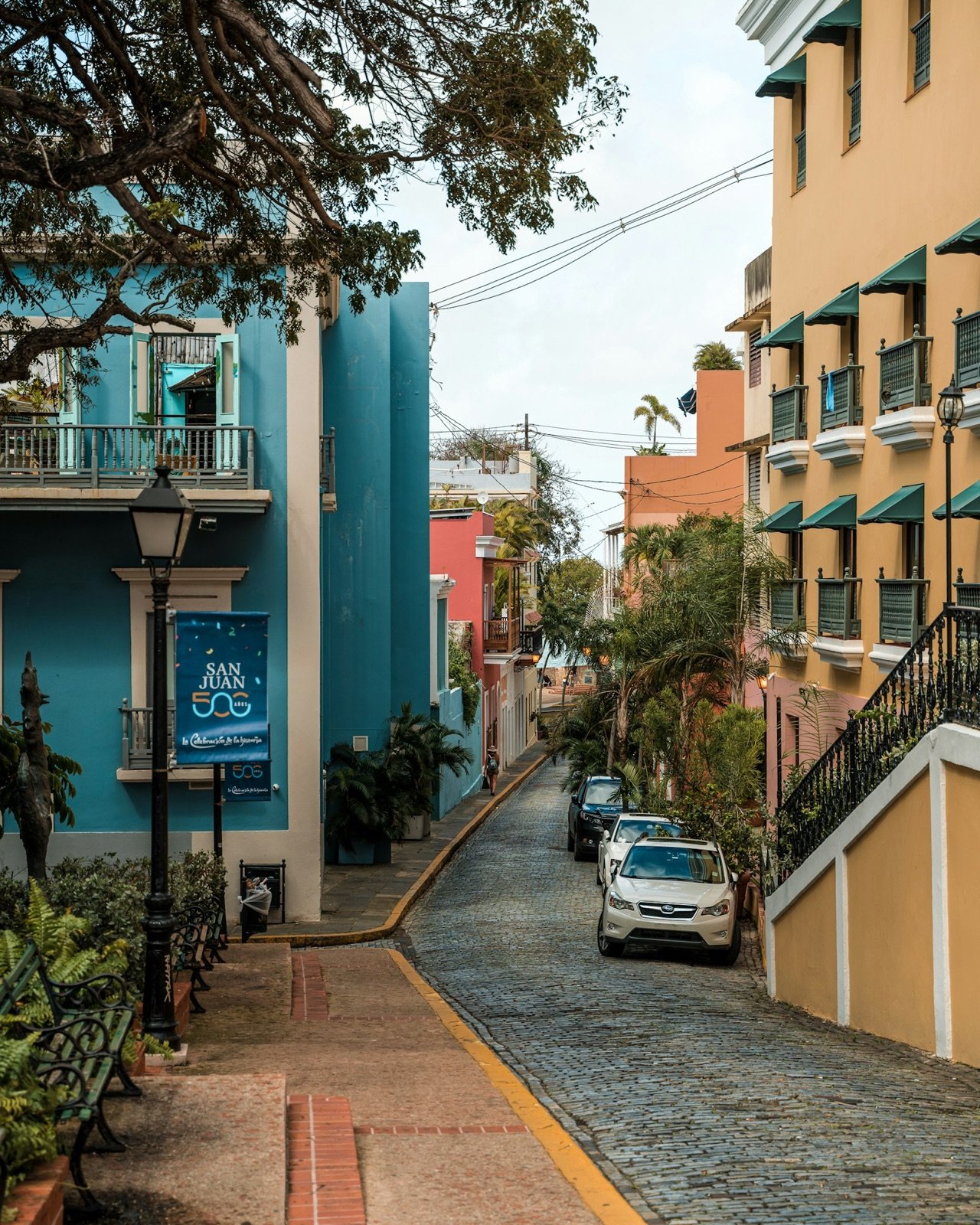
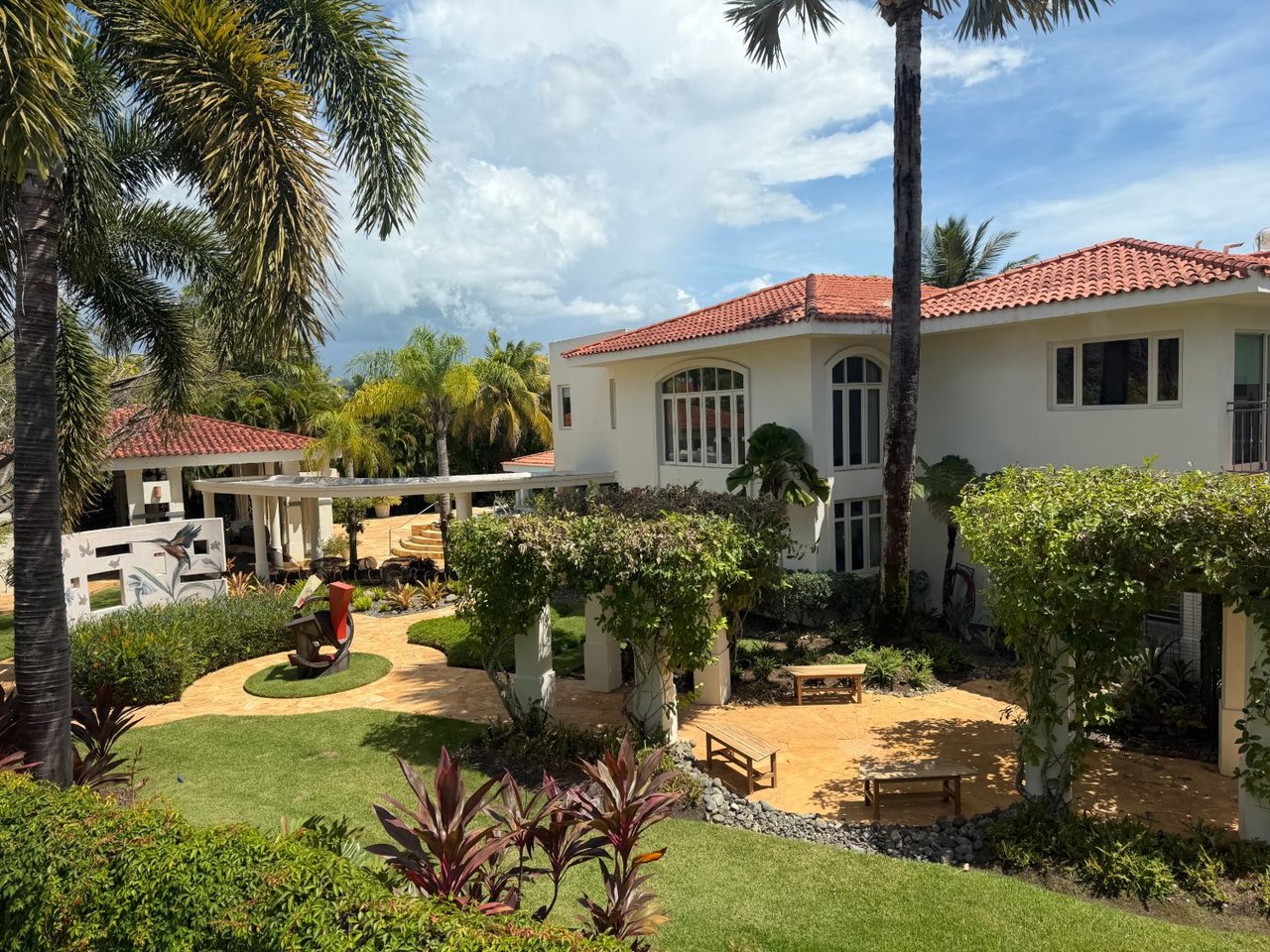
Luxury home in Dorado Puerto Rico with pool and modern design https://investatepr.com/neighborhoods/dorado-puerto-rico-real-estate
.
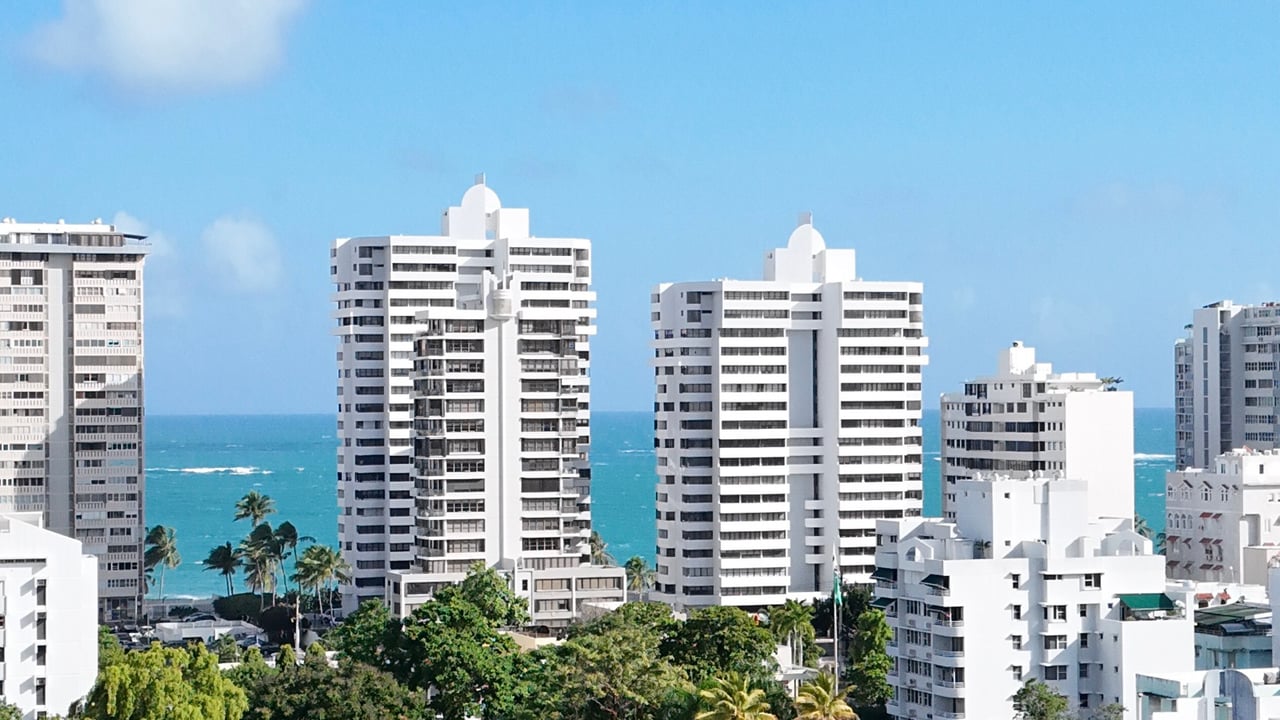
High-end condo in Condado Puerto Rico with oceanfront views https://investatepr.com/neighborhoods/condado-puerto-rico-real-estate
.
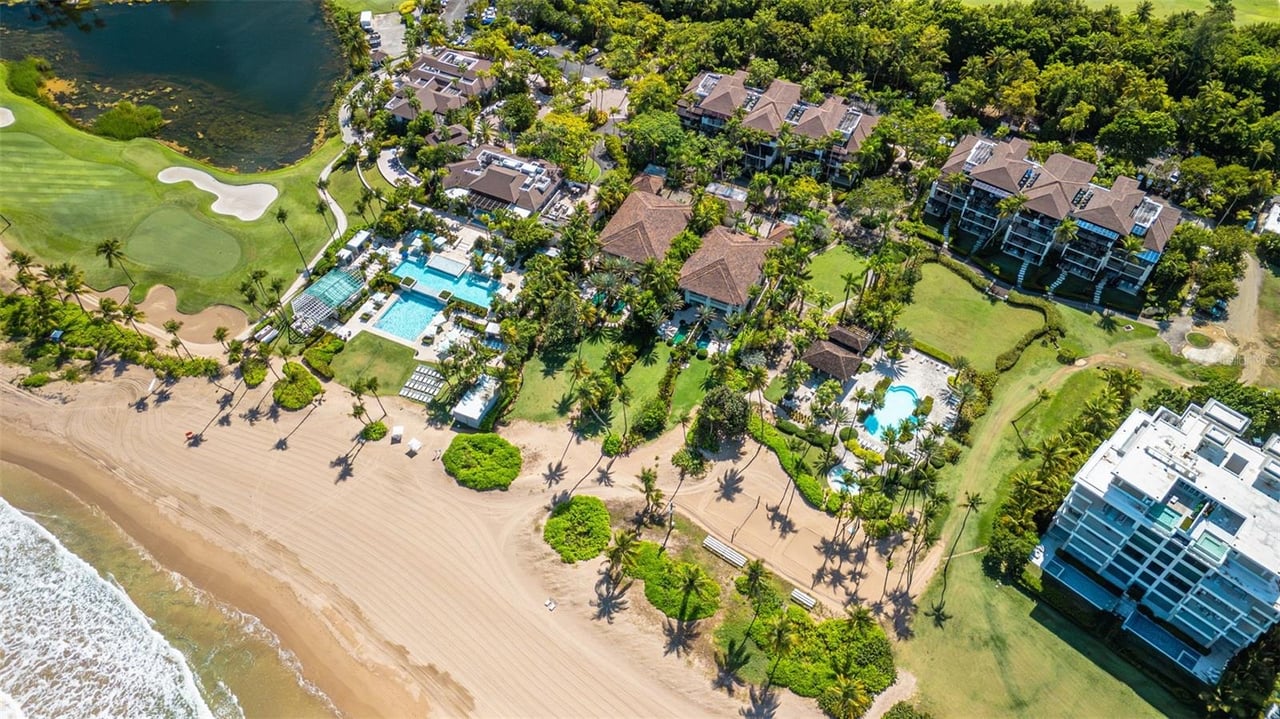
Exclusive residence in Río Grande Puerto Rico near Bahia Beach https://investatepr.com/neighborhoods/rio-grande-puerto-rico-real-estate
.
Stay up to date on the latest real estate trends.
High-End Market Insights
Four homes closed above a million dollars in the twelve months to 7 October 2026. The highest was $1,300,000.
Auberge runs the hotel. Juniper Capital and Capital United own the land. What a buyer should know before the first homes break ground.

Act 60, the 1 January 2027 deadline, and the three IRS tests the decree does not cover.

255 sales closed above $1 million between January and October 2026. $597.7 million, and eight of every ten inside five municipalities.
LUXURY CONDO
What 2,524 closed sales show, and the two 2026 rule changes that decide what a bank will finance.
What $1,477,000 buys on Puerto Rico's west coast, how it compares to closed sales above $1 million in Rincon and Boqueron, and what the $142 million Aguadilla airport … Read more
We connect discerning buyers and sellers with the island’s most exclusive real estate opportunities. Our expertise and network ensure seamless transactions for both relocation under Act 60 and the sale of distinguished estates. We combine discretion, strategy, and global reach to represent your interests with excellence.