
Why Are Americans Investing in Puerto Rico in 2025–2026?
Act 60 Relocation, Crypto & Blockchain, Investment Strategy Lizvette Robles December 29, 2025
Act 60 Relocation, Crypto & Blockchain, Investment Strategy Lizvette Robles December 29, 2025
The question appears in investor forums, relocation consultations, and private conversations with increasing regularity: why are Americans moving capital to Puerto Rico right now? The answer is more nuanced, and more durable, than most coverage suggests.
Puerto Rico is not a tax loophole destination. It is not a speculative market. And it is not a trend driven by a single legislative incentive. What is drawing sophisticated American buyers to markets like Condado, Dorado, and Old San Juan in 2025 and 2026 is a convergence of factors that rarely align in a single jurisdiction, and almost never within the United States.
For most international real estate markets, moving capital offshore means accepting currency risk, foreign ownership restrictions, unfamiliar legal systems, and limited recourse when things go wrong. Puerto Rico eliminates every one of those barriers.
As a U.S. territory, Puerto Rico operates under U.S. federal law, uses U.S. dollars, and is served by U.S. banking institutions. American buyers purchase property here with the same legal protections they would expect in Florida or California, but within a market that has not yet priced in those protections the way the mainland has.
That asymmetry is the core thesis. Investors are not leaving the United States. They are repositioning within it.
Across the mainland, a growing segment of high-net-worth individuals is reassessing where they allocate real estate capital. Rising tax burdens in states like California, New York, and Illinois, combined with elevated cost of living in major metros, have prompted a structural revaluation of what real estate value actually means over a 10 to 20 year horizon.
Puerto Rico benefits from this shift not because it is cheap, but because its prime residential markets offer something the mainland cannot: limited supply with genuine lifestyle appeal, inside a U.S. legal framework, at a price point that still reflects fundamental value rather than speculative froth.
This is not a post-pandemic phenomenon that will normalize. Capital inflows continued steadily through 2025 and into 2026, supported by infrastructure improvements on the island, expansion of high-quality residential inventory, and a growing professional ecosystem that makes relocation operationally feasible for sophisticated buyers.
The properties attracting serious American capital in Puerto Rico are not distressed assets or speculative land plays. They are primary residences, second homes, and long-term income-producing assets in established, supply-constrained markets.
Gated communities in Dorado. Oceanfront residences in Condado. Historic colonial properties in Old San Juan. Each of these sub-markets has natural constraints, island geography, zoning limitations, finite beachfront and resort-adjacent land, that have consistently supported long-term value appreciation in select corridors even as broader market conditions fluctuated.
Buyers who understand Puerto Rico's real estate market know that this is not a single homogeneous market. Performance varies dramatically by location, product type, and timing. A luxury condominium in Condado occupies a fundamentally different investment thesis than a multi-family property in a secondary municipality. Working with advisors who have ground-level knowledge of each sub-market is not optional, it is the difference between a sound long-term position and a costly misreading of local dynamics.
A decade ago, lifestyle and investment return were treated as separate calculations. That framework has shifted considerably among the buyers who are most active in Puerto Rico's prime residential market today.
Tropical climate, year-round livability, cultural familiarity, bilingual access, proximity to the U.S. mainland, these are not soft amenities. For a buyer who intends to spend four to six months per year in a residence, or who is considering a full relocation, the quality of daily life is a direct input into the return calculation. A property that appreciates modestly but provides a fundamentally better quality of life for its owner is generating returns that a spreadsheet does not fully capture.
Puerto Rico's luxury market has matured enough to support that calculus. The island now has the residential inventory, the professional infrastructure, and the hospitality ecosystem to serve buyers for whom lifestyle is not a compromise, it is the point.
No honest analysis of American investment in Puerto Rico can ignore Act 60. But the most sophisticated buyers in this market have a nuanced relationship with the incentive structure that popular coverage often misses.
Act 60's individual investor decree offers a 0% rate on qualifying capital gains and dividends for bona fide residents, a meaningful efficiency layer for buyers with significant investment income. The export services decree offers similar benefits for qualifying business income. Both require genuine substance: actual residency, real business activity, compliance documentation, and annual reporting obligations.
What distinguishes informed buyers from uninformed ones is the understanding that these incentives work best as an efficiency layer on top of a sound underlying investment, not as the primary reason to purchase real estate in Puerto Rico. A property that pencils out on its fundamentals, in a market with genuine demand and limited supply, becomes more attractive when held by a qualifying Act 60 resident. A property that only makes sense because of tax treatment is an exposure, not an investment.
Puerto Rico's real estate market operates under a registry-based civil law system, which differs meaningfully from common law title systems on the mainland. Proper title verification is not a formality, it is a prerequisite. Buyers should also factor in the island's hurricane and flood exposure, which affects both insurance costs and long-term property management considerations.
Beyond the legal and physical due diligence, market selection matters enormously. Puerto Rico rewards buyers who take the time to understand where real demand is concentrated, where inventory constraints support long-term value, and where the professional infrastructure exists to support sustained ownership. That knowledge is local, it is specific, and it is not available in a Google search.
Americans who perform best in Puerto Rico's prime residential market share several characteristics. They are oriented toward long-term capital preservation rather than short-term appreciation. They plan to be present, either as full or part-time residents, and they understand that the island rewards engaged owners more than absentee investors. They work with qualified local professionals across legal, tax, and real estate disciplines. And they approach the market with realistic expectations about what it is: a durable, lifestyle-integrated investment destination within the U.S. system, not a speculative shortcut.
Is Puerto Rico a good investment for Americans in 2025 and 2026? Puerto Rico is a strong long-term investment destination for Americans who prioritize capital preservation, lifestyle integration, and jurisdictional familiarity. Success depends on selecting the right market, conducting proper legal due diligence, and approaching the investment with a realistic multi-year horizon. It is not suited for short-term speculation.
Are Americans buying property in Puerto Rico right now? Yes. American buyers continue to acquire property in Puerto Rico for primary residences, second homes, and income-producing assets. Demand is concentrated in established markets including Condado, Dorado, and Old San Juan, where supply constraints and lifestyle appeal support sustained interest.
Is investing in Puerto Rico considered a foreign investment? No. Puerto Rico is a U.S. territory governed by U.S. federal law. American buyers face no foreign ownership restrictions, currency risk, or international legal exposure. It functions as a domestic investment from a legal and banking standpoint.
Do I need special permission to buy property in Puerto Rico as a U.S. citizen? No. There are no ownership restrictions for U.S. citizens purchasing property in Puerto Rico. The process is comparable to purchasing in any U.S. state, though the civil law title system requires proper local legal guidance.
What is driving American investment in Puerto Rico beyond Act 60? The primary drivers are jurisdictional certainty within the U.S. system, supply-constrained prime residential markets, lifestyle quality, and geographic diversification from high-cost mainland metros. Act 60 incentives are relevant for qualifying buyers but are most effective as an efficiency layer on top of a fundamentally sound real estate position.
Is Puerto Rico real estate still appreciating? In select markets, particularly Condado, Dorado, and gated communities with limited inventory, values have held and appreciated. Puerto Rico is not a uniform market, and performance varies significantly by location and product type.
What are the risks of buying property in Puerto Rico? Key considerations include hurricane and flood exposure, which affects insurance costs; a civil law title system that requires local legal expertise; and significant variation in market performance by location. Working with experienced local advisors across legal, tax, and real estate disciplines is necessary.
At InvEstate Puerto Rico, we work exclusively in the island's luxury residential and investment market, from Condado and Dorado to Old San Juan and Guaynabo. Whether you are evaluating a relocation, a second home acquisition, or a long-term investment position, our team provides the market knowledge and advisory support that this market demands.
Contact us directly to discuss your situation and how we can help you move forward strategically.
Stay up to date on the latest real estate trends.

LUXURY COMMUNITIES
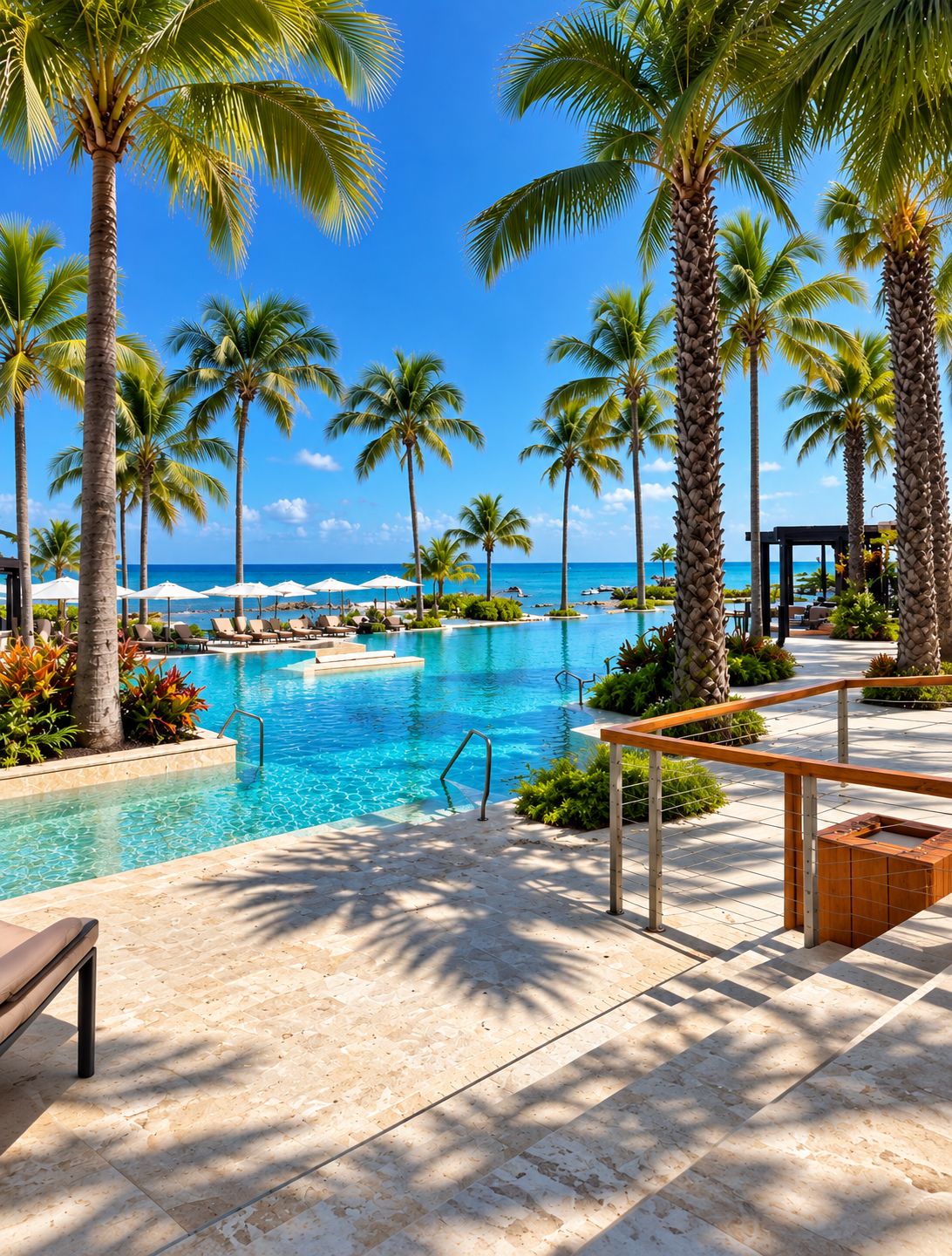
44 residences from $1.2M between Garden Hills and San Patricio. What $818 per square foot means if you are buying, and what it changes if you already own in the area.
LUXURY COMMUNITIES
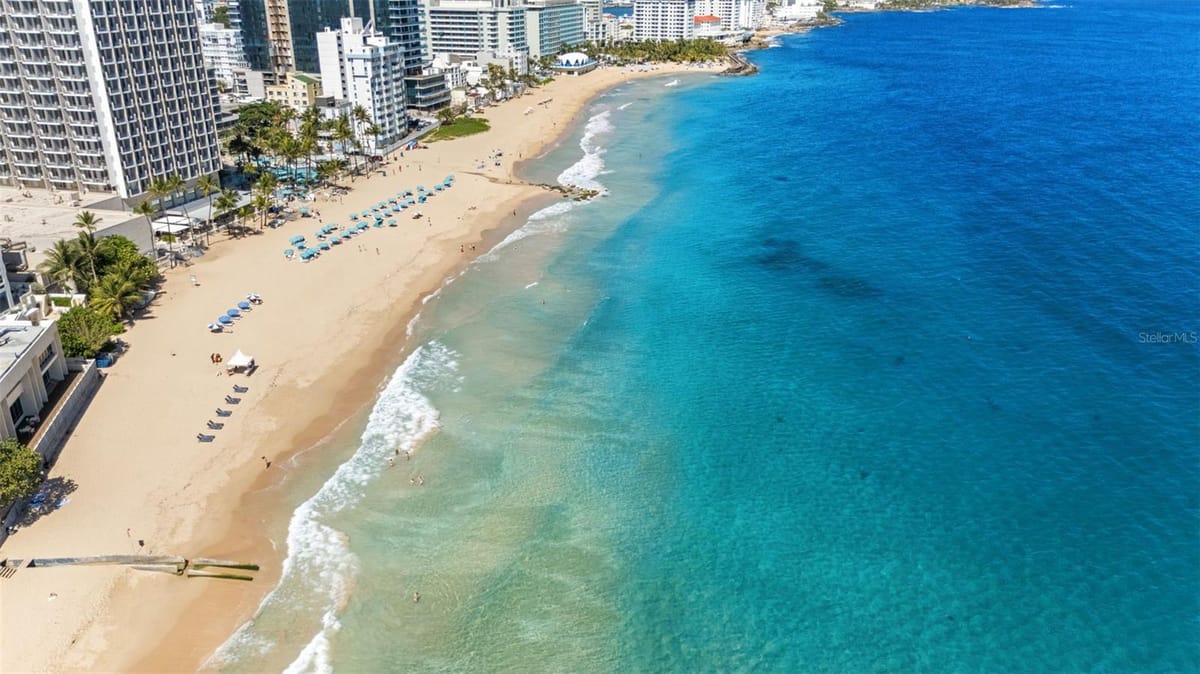
Forty Stellar MLS closed sales across eight communities, from $136 to $3,110 per square foot, what sellers actually accept, and what the maintenance fee adds.
LUXURY COMMUNITIES
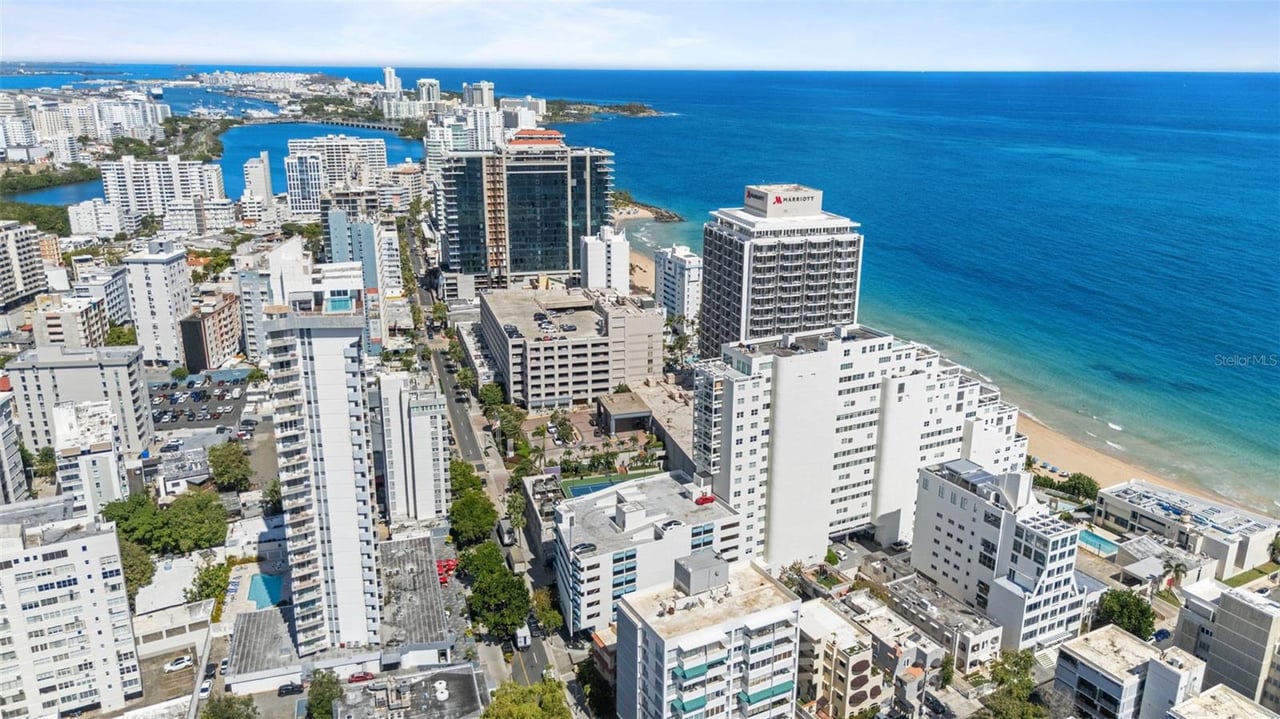
Condado and Isla Verde in San Juan, West Beach and Costa Dorada in Dorado, and Bahía Beach, Rio Mar and Coco Beach in Río Grande: closed-sale prices, buildings, fees a… Read more
Condado · Buyer Guides · New Developments · Luxury Real Estate
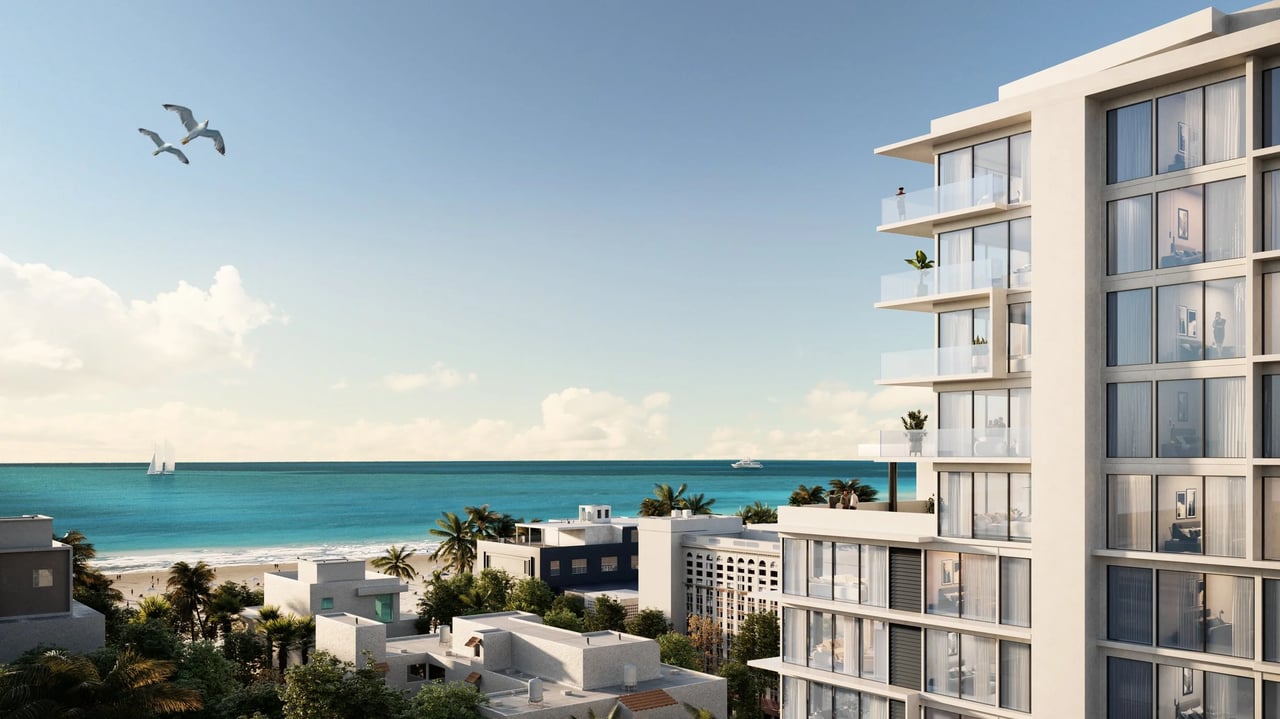
How to Compare Pricing, Amenities, HOA Costs, Market Evidence and Long-Term Value Before Buying a Condo in Condado
Condado · New Developments · Luxury Real Estate · Buyer Guides
A Buyer’s Guide to 1120 Ashford Avenue, New Construction, Pricing and How The ICON Fits Into Condado’s Changing Luxury Market
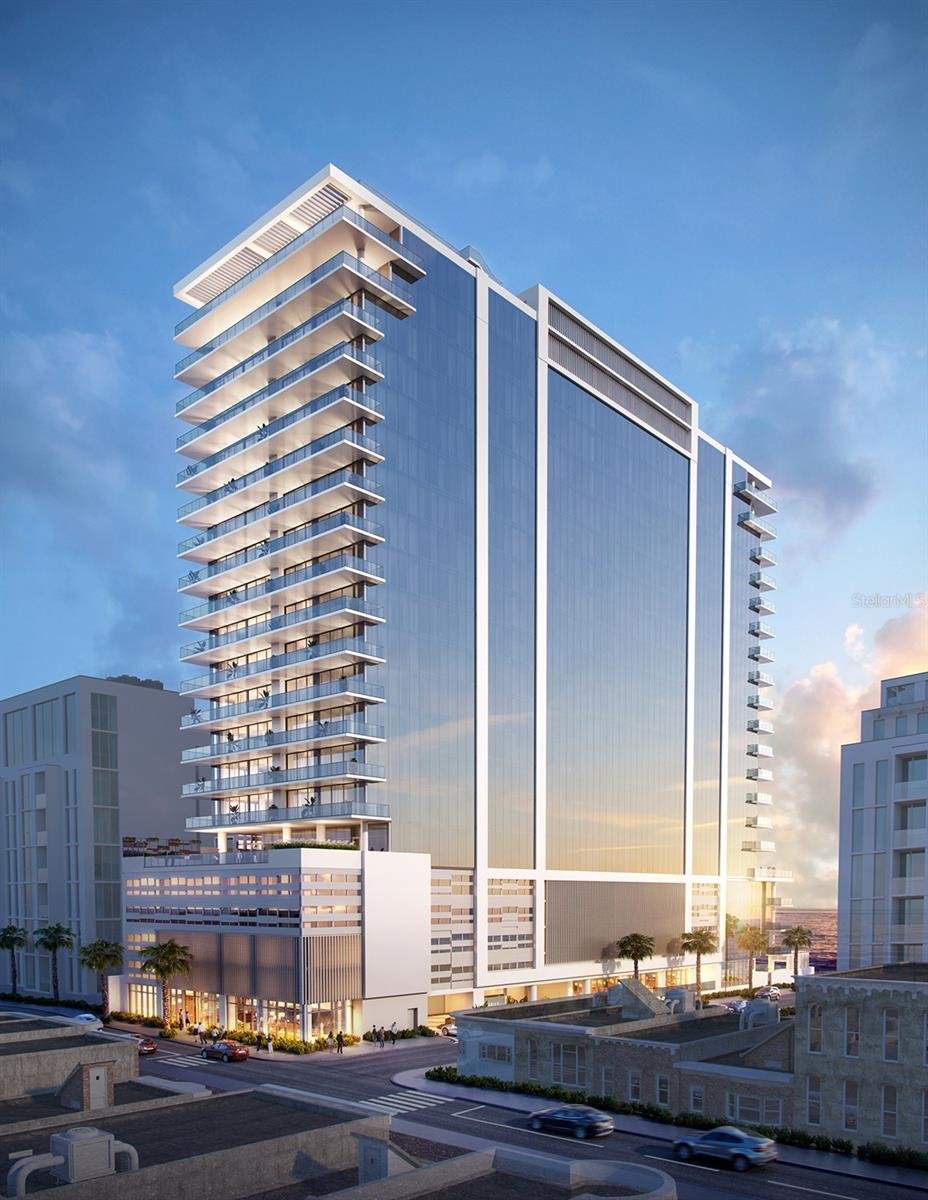
Condado, New Developments, Luxury Real Estate, Buyer Guides
A Buyer’s Guide to Condado’s New Oceanfront Luxury Development, Amenities, Pricing and Market Position

MARKET ANALYSIS
60 Closed Sales, $73.9M in Volume — and a New Generation of Luxury Development Is Reshaping Condado
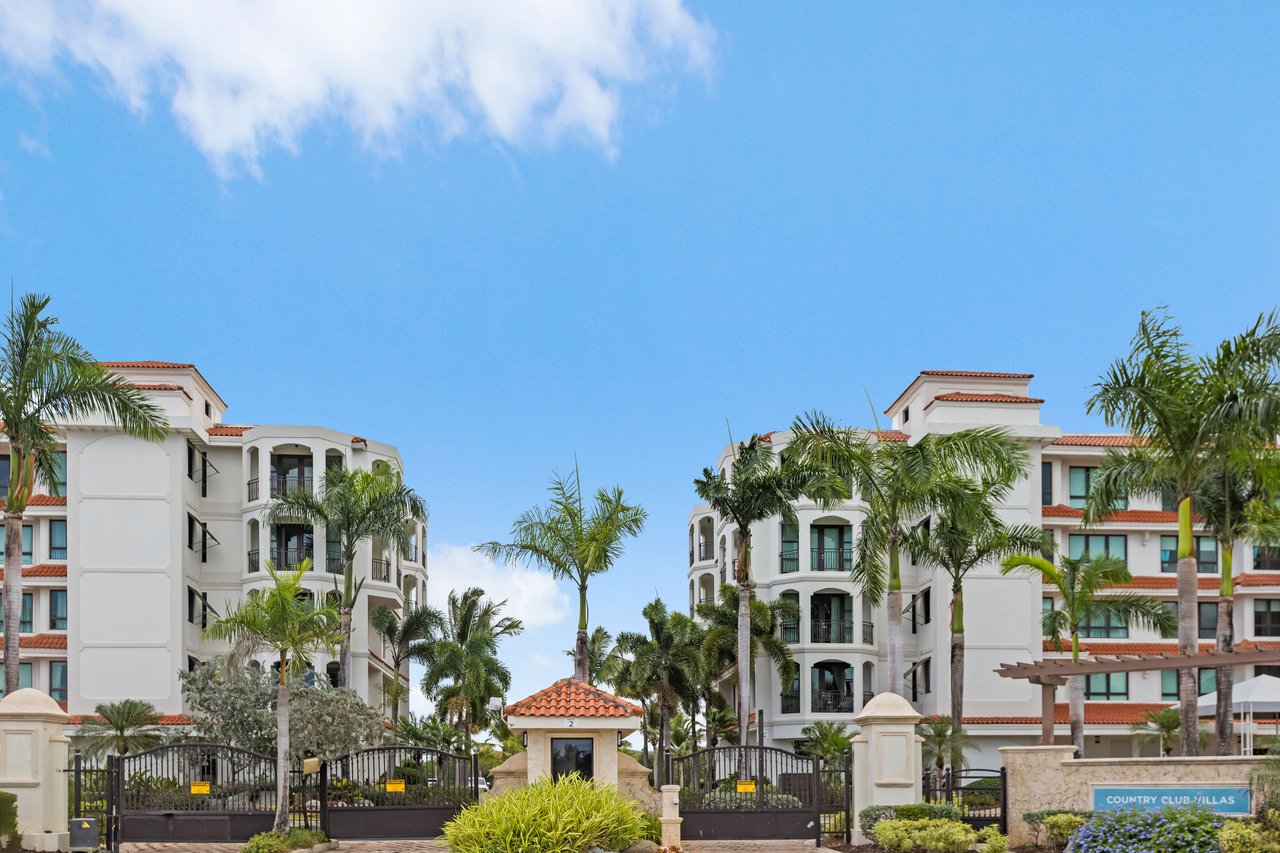
Puerto Rico Buying Guides
HOA structures, insurance, backup infrastructure, rental restrictions, resort privileges and comparable sales can matter as much as the view. Here’s what buyers should… Read more
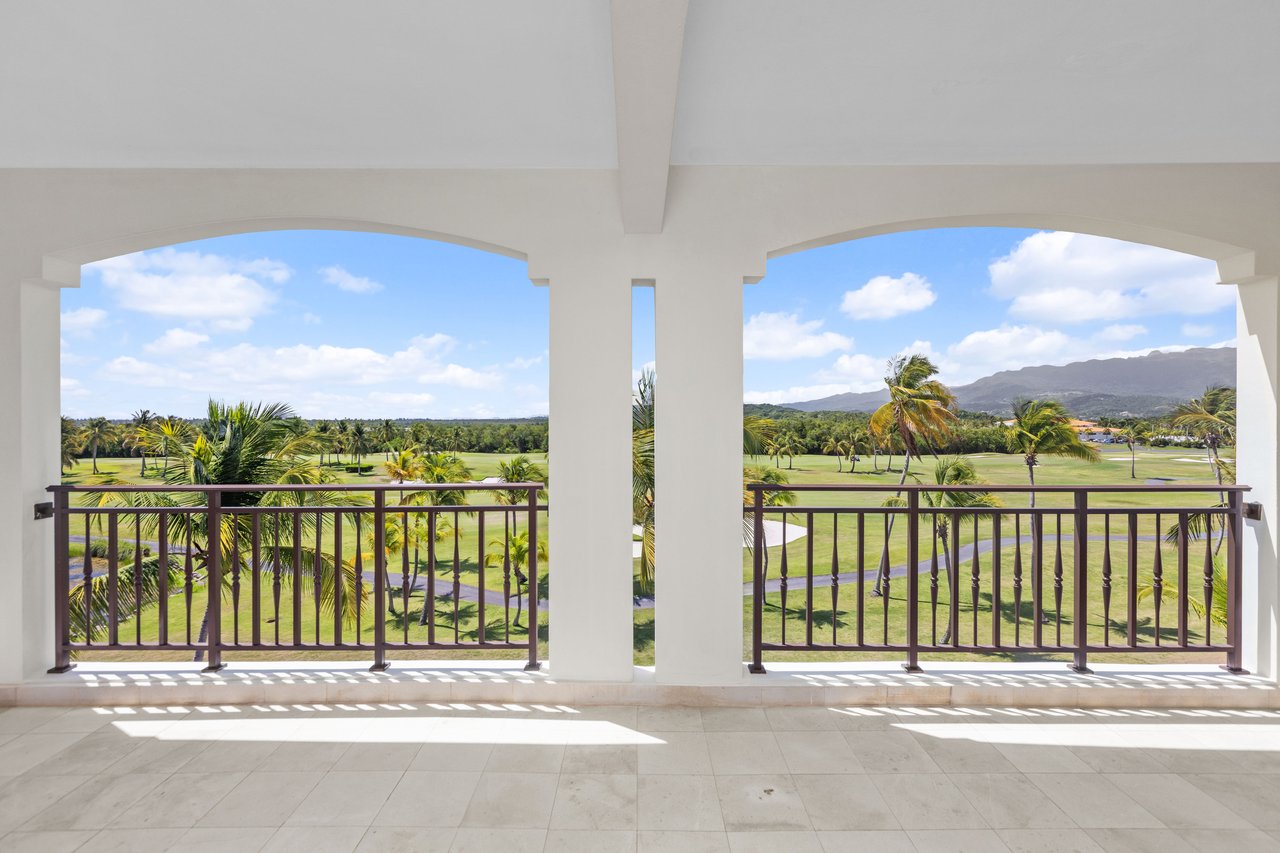
Puerto Rico Buying Guides
Ocean views may command attention, but golf-front properties can offer space, privacy and a different ownership experience. Here’s how buyers should compare beachfront… Read more
We connect discerning buyers and sellers with the island’s most exclusive real estate opportunities. Our expertise and network ensure seamless transactions for both relocation under Act 60 and the sale of distinguished estates. We combine discretion, strategy, and global reach to represent your interests with excellence.