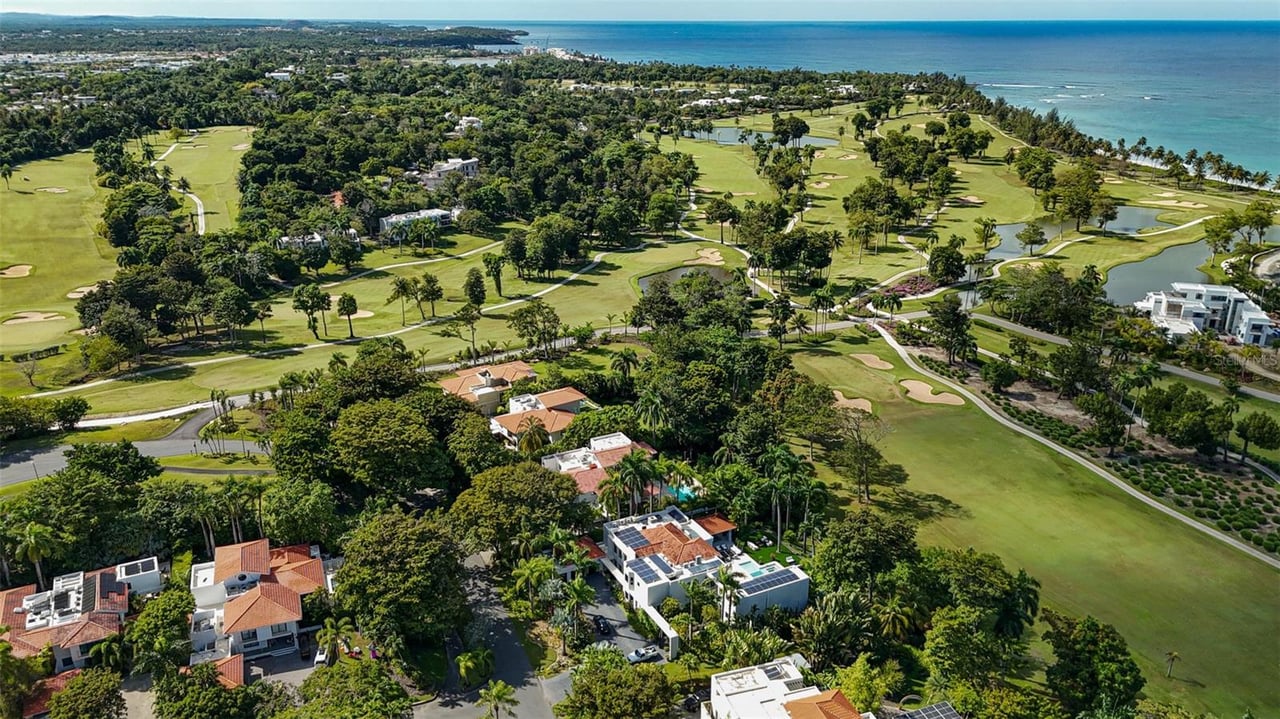
Buying Property in Puerto Rico 2026: Act 60, CRIM, and Strategic Realities for U.S. Buyers
Act 60 Relocation, Crypto & Blockchain, Investment Strategy Lizvette Robles February 16, 2026
Act 60 Relocation, Crypto & Blockchain, Investment Strategy Lizvette Robles February 16, 2026
Relocating to Puerto Rico is not simply a lifestyle decision. For sophisticated U.S.-based buyers, it’s a tax strategy, a capital preservation move, and a structural lifestyle shift. However, the mistake most relocating buyers make is assuming the purchase process mirrors the mainland. It doesn’t. Before you purchase property in Puerto Rico in 2026, there are structural realities, rooted in Civil Law rather than Common Law, that directly affect your outcome, leverage, and long-term asset value.
Act 60 is a tax incentive program, not a real estate program. Many buyers mistakenly assume that purchasing a high-value property automatically strengthens their eligibility or substitutes for residency requirements. The Reality for 2026:
Bona Fide Residency: To maintain Act 60 benefits, you must establish bona fide residency. Your property choice should be your primary residence, not just an investment vehicle.
Ownership Structure: Whether you hold the deed in your personal name, an LLC, or a trust affects your tax positioning.
Timing: The sequence of your relocation relative to the closing date (Escritura) is critical for tax compliance.
Key Takeaway: Structure precedes emotion. Your property should align with your residency strategy, not the other way around.
Puerto Rico property taxes (managed by CRIM) are historically based on 1957 assessed values. However, the market in 2026 is shifting.
Reassessments: Significant improvements or structural changes can trigger a revaluation. Municipal Nuances: Tax rates vary by municipality (e.g., Dorado vs. San Juan). Holding Costs: Sophisticated buyers must evaluate the current CRIM valuation versus future exposure to avoid distorted ROI projections.
In luxury resort markets like Dorado Beach, Bahía Beach, or high-end Condado buildings, HOA governance is a stronger indicator of exit strength than interior finishes. Before buying, evaluate: Capital Improvement Assessments: Are there pending upgrades to infrastructure? Rental Restrictions: Does the governance allow for short-term liquidity if your strategy changes? Reserve Funds: Is the building or community financially healthy enough to withstand economic shifts?
In 2026, coastal ownership requires a shift from "passive" to "operational" management. Luxury ownership costs are not just HOA fees + insurance; they include: Windstorm & Hazard Insurance: Necessary for hurricane protection. Redundancy Systems: Evaluating backup power (Generators) and Solar Integration. Infrastructure: Flood exposure and cistern capacity.
U.S. buyers often misjudge the "Puerto Rico speed." Because the island operates under a Civil Law structure, the process involves: Notarial Law: The closing attorney (Notary) has a neutral, high-responsibility role that differs from a mainland closing agent. Title Sequencing: The Property Registry (Registro de la Propiedad) can have backlogs that affect how quickly a title is officially recorded. Appraisal Behavior: Appraisal timelines and bank coordination often take longer than in the 50 states.
Ideal For | Not Ideal For |
Long-term capital strategists | Those needing immediate liquidity |
Buyers valuing Act 60 compliance | Buyers expecting a 30-day "mainland" closing |
Those who plan their exit before entry | Impulsive "lifestyle-only" buyers |
Yes. Puerto Rico is a U.S. territory. U.S. citizens can purchase property with the same rights as on the mainland. However, the legal paperwork (Deeds/Escrituras) follows local Civil Law.
Not directly. Act 60 requires you to be a bona fide resident. While owning a home supports your claim of residency, the decree is based on tax law compliance, not real estate ownership.
While based on historical values, taxes can be low, but you must account for CRIM reassessments on new constructions or major renovations.
A typical cash transaction can take 30-45 days, but financed deals or complex titles can take 60-90+ days due to registry and bank coordination.
If you are evaluating a relocation or Act 60 positioning and want a data-driven conversation about micro-market behavior and ownership models:
We keep the whole picture in one place: Act 60 real estate in Puerto Rico, from timeline to closing.
Stay up to date on the latest real estate trends.
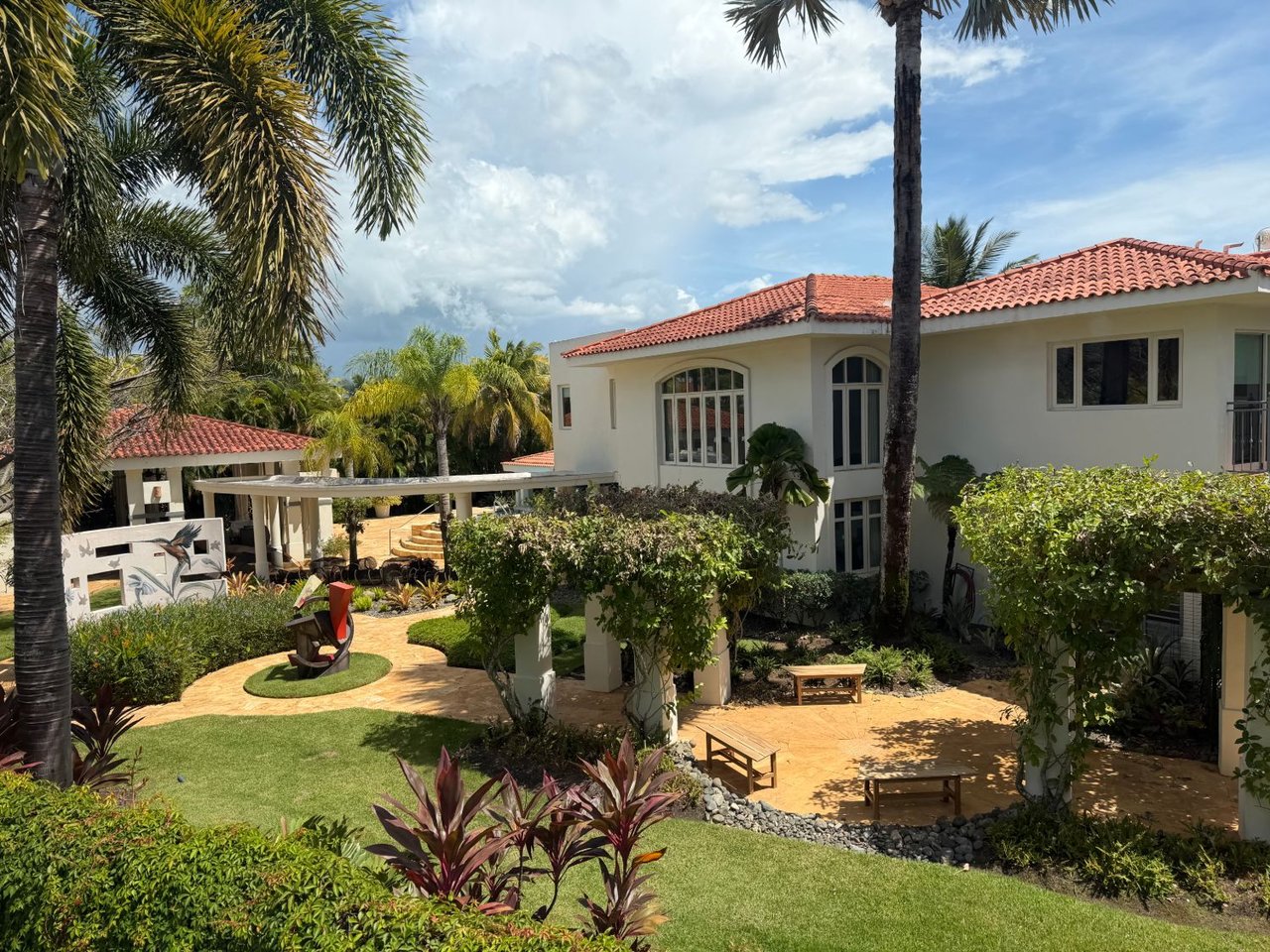

Act 60, the 1 January 2027 deadline, and the three IRS tests the decree does not cover.

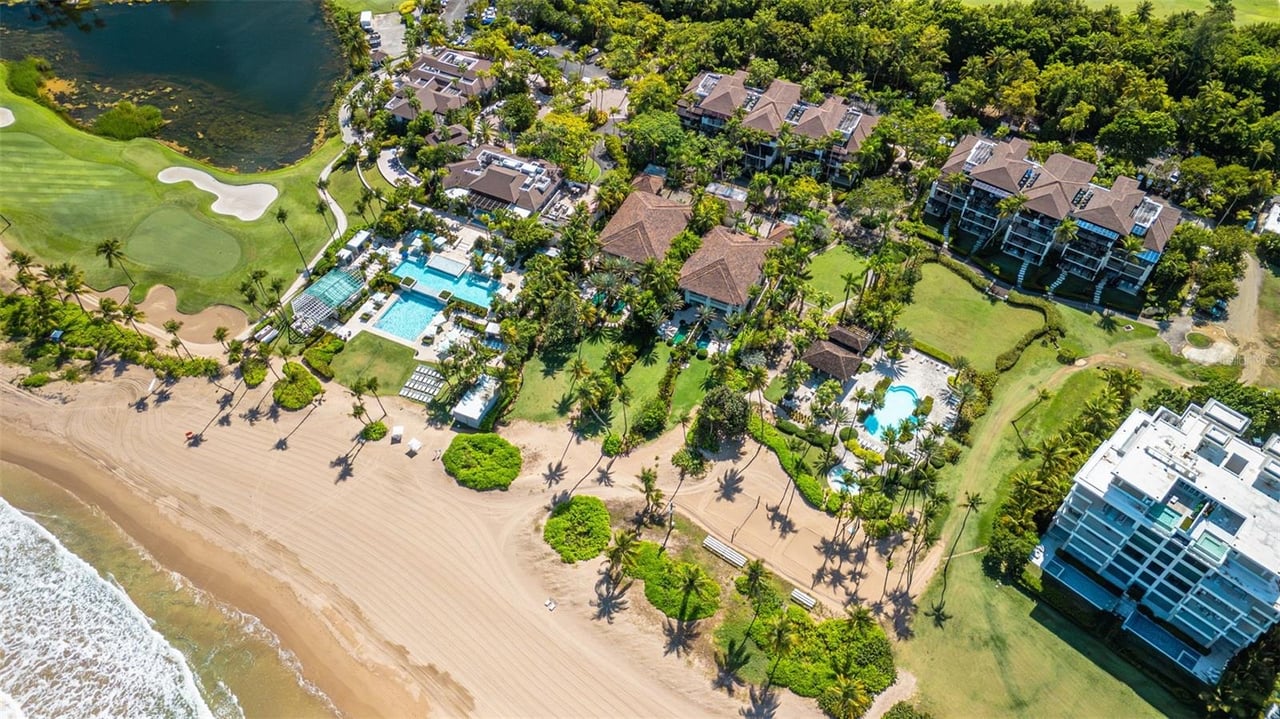
255 sales closed above $1 million between January and October 2026. $597.7 million, and eight of every ten inside five municipalities.
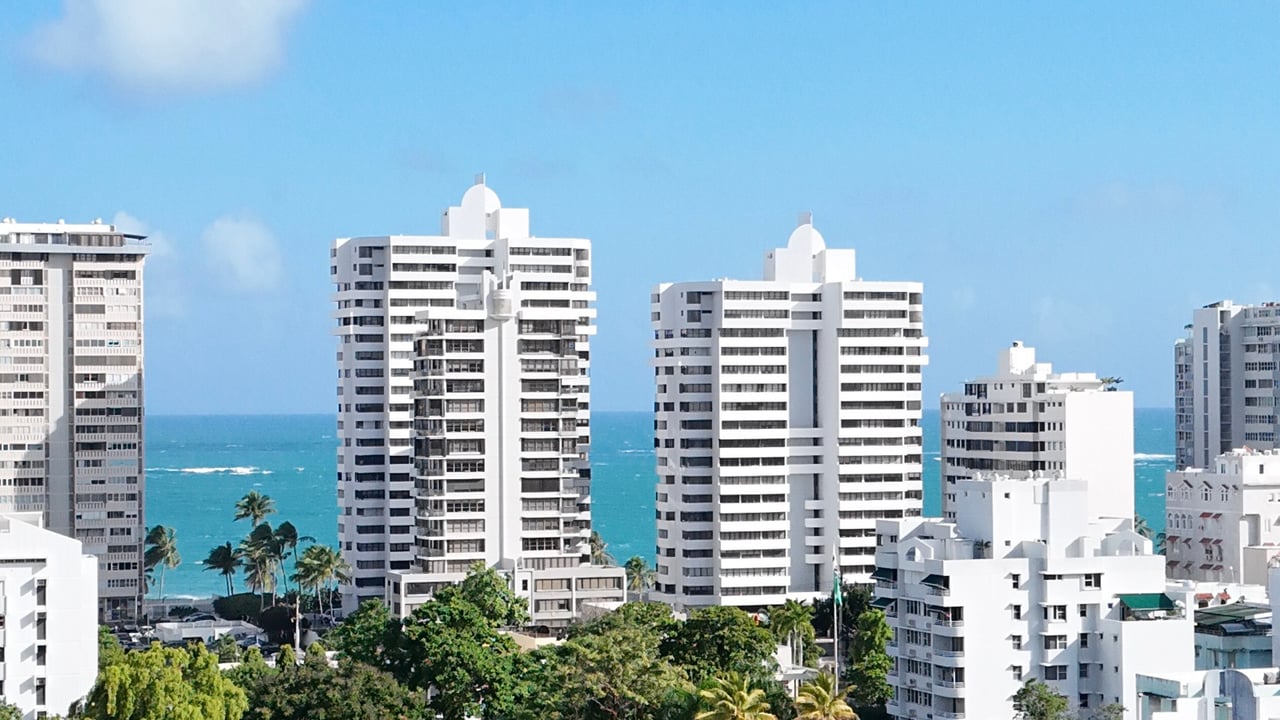
LUXURY CONDO
What 2,524 closed sales show, and the two 2026 rule changes that decide what a bank will finance.
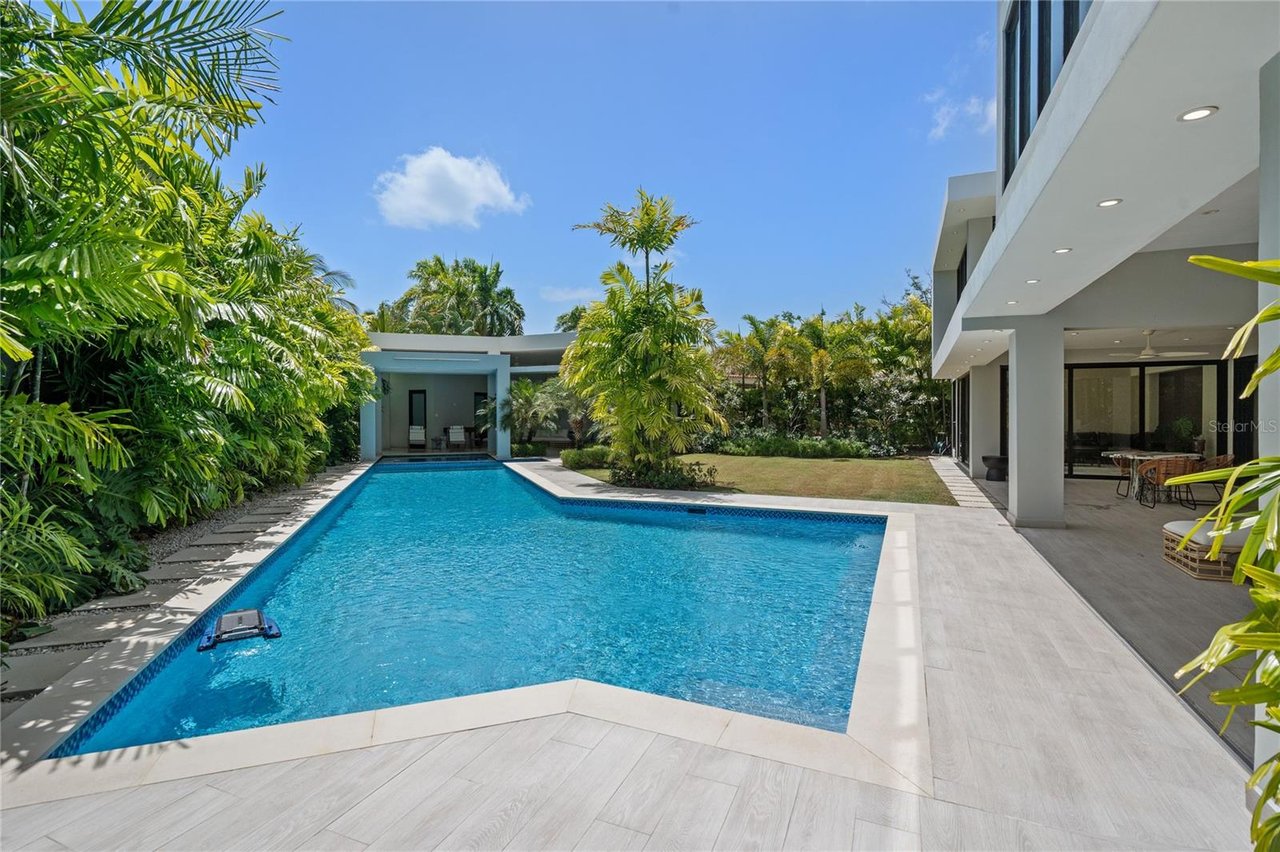
What $1,477,000 buys on Puerto Rico's west coast, how it compares to closed sales above $1 million in Rincon and Boqueron, and what the $142 million Aguadilla airport … Read more

Condado · Buyer Guides · New Developments · Luxury Real Estate
What is still available, how to read the square footage, and what the project does not publish.
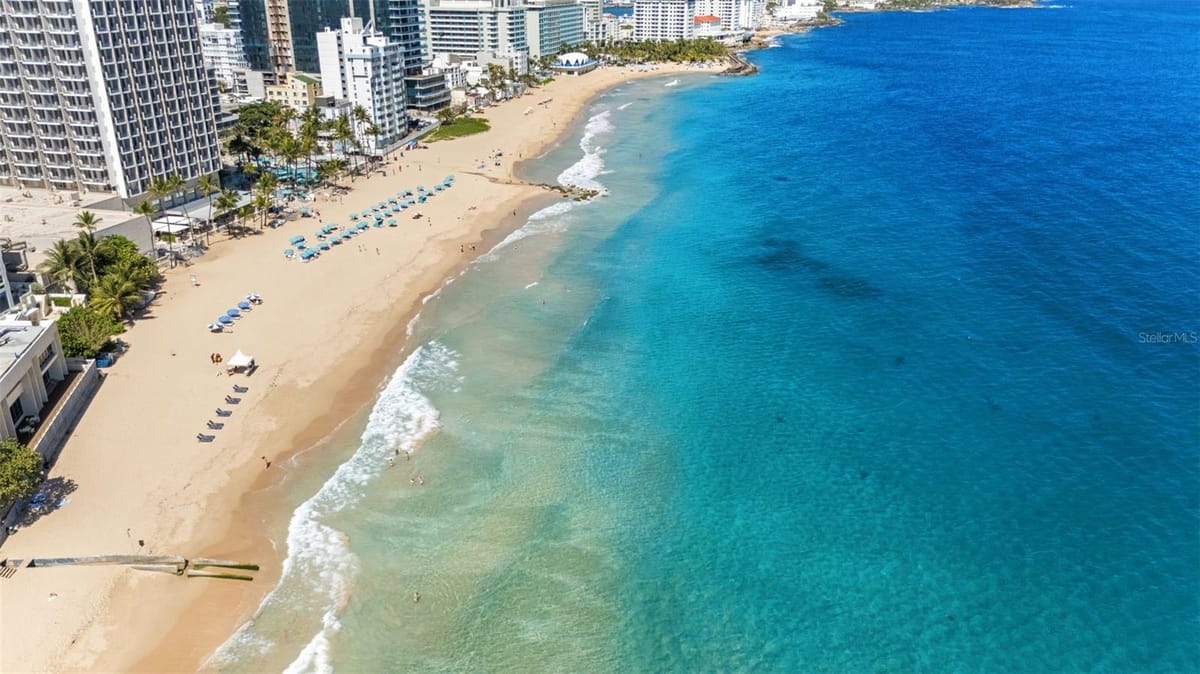
LUXURY CONDO
Fannie Mae and Freddie Mac raise the minimum condo reserve requirement to 15%. Puerto Rico law requires 5% - and lets buildings stop contributing altogether.
We connect discerning buyers and sellers with the island’s most exclusive real estate opportunities. Our expertise and network ensure seamless transactions for both relocation under Act 60 and the sale of distinguished estates. We combine discretion, strategy, and global reach to represent your interests with excellence.