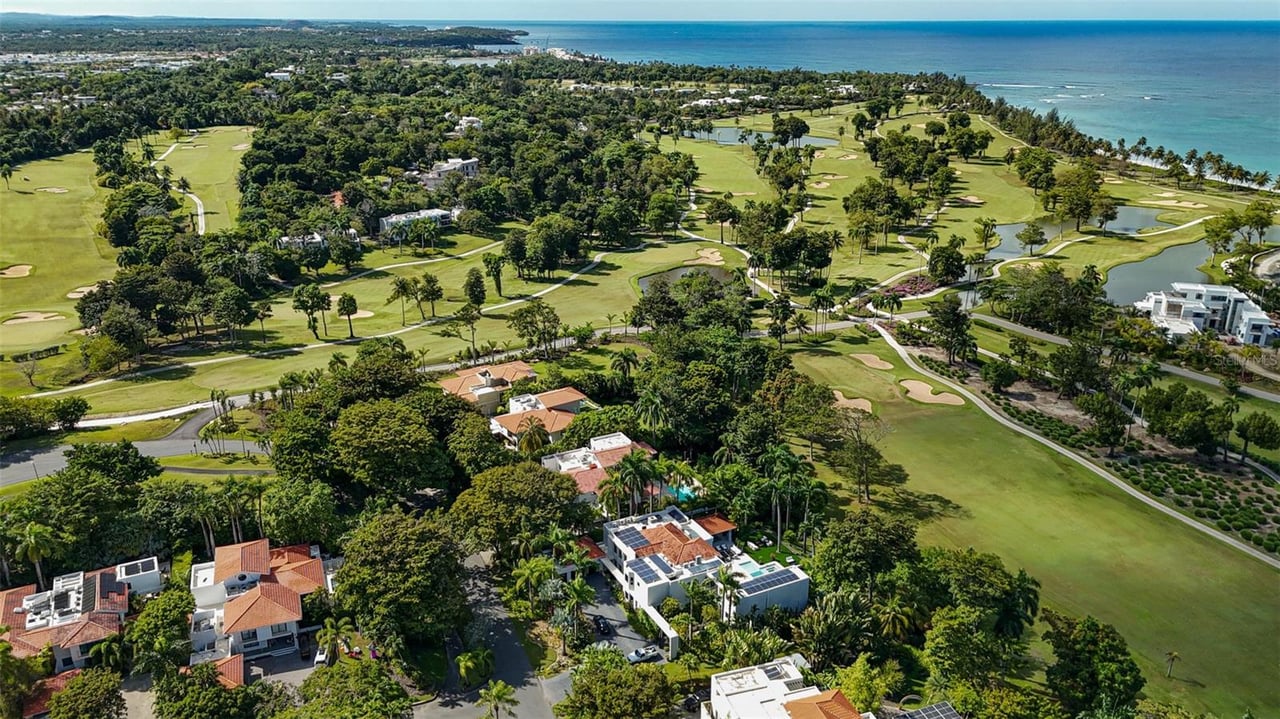
Is It Smart to Invest in Puerto Rico in 2025–2026?
Puerto Rico Luxury Market Lizvette Robles December 29, 2025
Puerto Rico Luxury Market Lizvette Robles December 29, 2025
A data-driven real estate and investment analysis Yes, investing in Puerto Rico can be smart in 2025–2026, but only for buyers and investors who understand the market’s structure, legal framework, and long-term fundamentals.
Puerto Rico offers a unique combination of U.S. jurisdiction, tax incentives under Act 60, lifestyle appeal, and limited supply in prime markets. However, success depends on proper due diligence, realistic expectations, and professional guidance.
Puerto Rico is no longer an emerging market, it is a maturing, highly selective investment environment. What continues to drive interest: U.S. territory with U.S. banking and legal systems. Act 60 tax incentives for qualifying residents. Strong demand for lifestyle and relocation properties. Limited developable land in prime coastal and gated markets. Increased institutional and private capital presence.
Unlike speculative markets, Puerto Rico’s demand is increasingly quality-driven, not hype-driven.
Price trends: Stabilized growth in prime areas, normalization elsewhere. Inventory: Still constrained in luxury, beachfront, and resort-adjacent markets. Buyer profile: Long-term residents, relocating professionals, family offices.
The market has shifted from rapid appreciation to selective value appreciation, favoring well-located, legally clean properties.
Compared to Florida, Texas, or Caribbean alternatives, Puerto Rico offers: lower long-term ownership friction for U.S. buyers, higher legal complexity (registry-driven system) and stronger lifestyle-driven demand versus pure yield plays.
Act 60 provides tax incentives to qualifying residents, including: Preferential treatment on certain capital gains and dividends. Incentives tied to bona fide residency and compliance. Long-term commitments, not short-term tax avoidance.
Important: Act 60 does not guarantee profitability. It enhances efficiency only when paired with sound investments.
Yes, Puerto Rico can be a good place to invest in real estate when the property is legally sound, well-located, and aligned with long-term demand. Prime residential markets continue to show resilience due to limited supply and lifestyle-driven buyers.
For qualified individuals who establish bona fide residency and maintain compliance, Puerto Rico remains attractive. However, moving solely to “avoid taxes” without substance carries significant legal and financial risk.
Puerto Rico is not inherently risky, but it is procedural and documentation-driven. Title verification, registry alignment, zoning, and insurance considerations are critical.
Puerto Rico operates under a civil law system where ownership is perfected through registration. Errors or inconsistencies can delay or complicate transactions.
Flood zones, hurricane coverage, and rising premiums must be modeled into returns. 3. Market Fragmentation. Puerto Rico is not one market, performance varies dramatically by municipality and micro-location.
Puerto Rico is best suited for: buyers seeking a primary residence or relocation; long-term investors focused on capital preservation; income property owners in regulated, high-demand zones; and Act 60 participants building economic substance.
It is not ideal for: short-term speculative flippers, passive investors without local representation and buyers relying solely on tax incentives for returns.
Before investing, confirm: clean title and registry alignment, zoning and use compliance, insurance availability and cost, realistic rental or resale assumptions and professional tax and legal review.
This market rewards precision, not shortcuts.
Investing in Puerto Rico in 2025–2026 can be highly strategic, but only when approached as a structured, long-term decision.
Those who understand the legal framework, market segmentation, and compliance requirements tend to outperform those chasing trends. Puerto Rico today favors informed buyers, not speculative tourists.
No. Tax benefits depend on qualification, residency, compliance, and income type.
Yes. Puerto Rico allows foreign ownership without restriction.
Yes, though lending terms may differ from mainland U.S. markets.
Property taxes are generally lower than many U.S. states but vary by municipality and exemption status.
https://investatepr.com/about
Stay up to date on the latest real estate trends.

LUXURY COMMUNITIES
44 residences from $1.2M between Garden Hills and San Patricio. What $818 per square foot means if you are buying, and what it changes if you already own in the area.

LUXURY COMMUNITIES
Forty Stellar MLS closed sales across eight communities, from $136 to $3,110 per square foot, what sellers actually accept, and what the maintenance fee adds.

LUXURY COMMUNITIES
Condado and Isla Verde in San Juan, West Beach and Costa Dorada in Dorado, and Bahía Beach, Rio Mar and Coco Beach in Río Grande: closed-sale prices, buildings, fees a… Read more
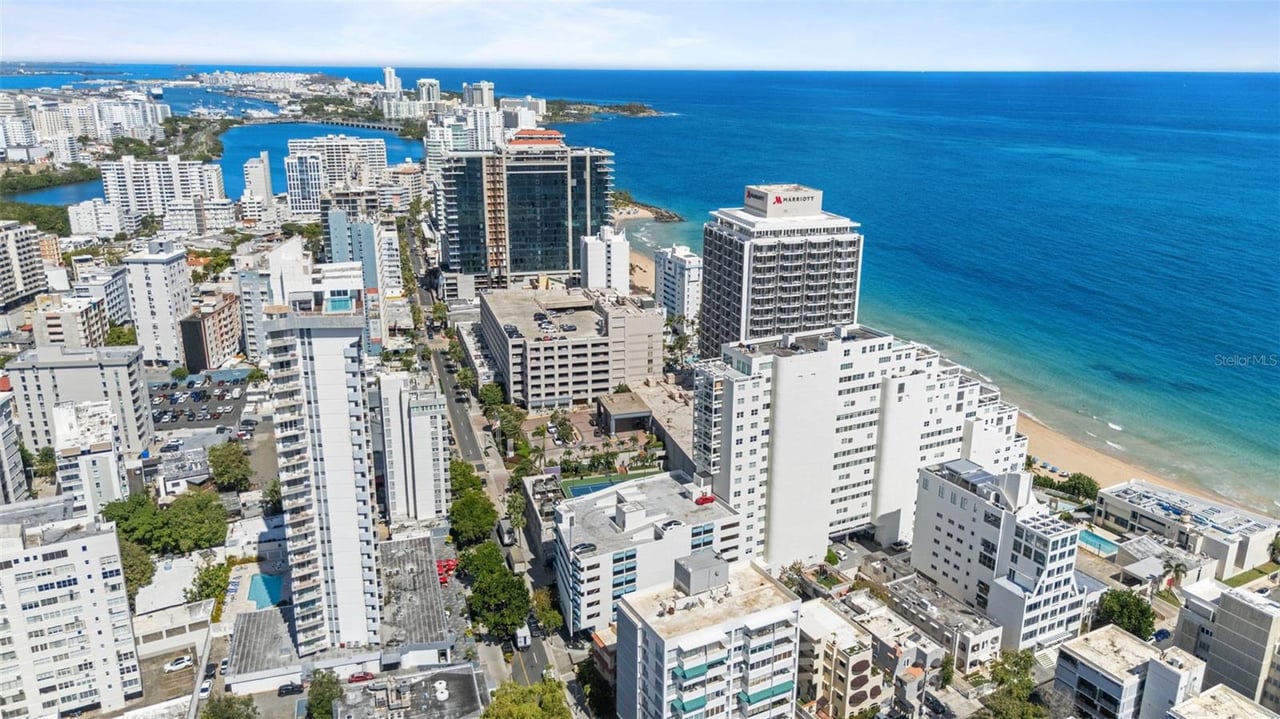
Condado · Buyer Guides · New Developments · Luxury Real Estate
How to Compare Pricing, Amenities, HOA Costs, Market Evidence and Long-Term Value Before Buying a Condo in Condado

Condado · New Developments · Luxury Real Estate · Buyer Guides
A Buyer’s Guide to 1120 Ashford Avenue, New Construction, Pricing and How The ICON Fits Into Condado’s Changing Luxury Market

Condado, New Developments, Luxury Real Estate, Buyer Guides
A Buyer’s Guide to Condado’s New Oceanfront Luxury Development, Amenities, Pricing and Market Position

MARKET ANALYSIS
60 Closed Sales, $73.9M in Volume — and a New Generation of Luxury Development Is Reshaping Condado
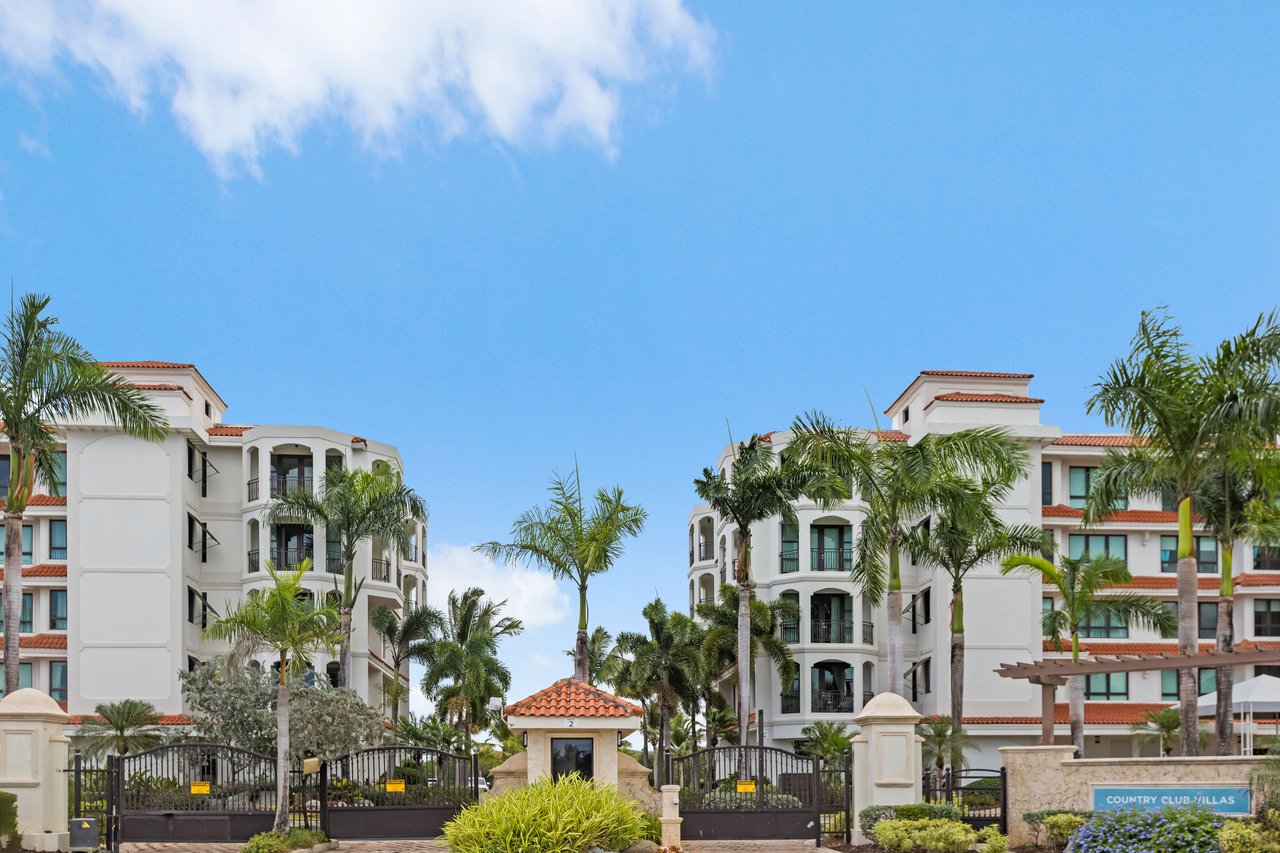
Puerto Rico Buying Guides
HOA structures, insurance, backup infrastructure, rental restrictions, resort privileges and comparable sales can matter as much as the view. Here’s what buyers should… Read more
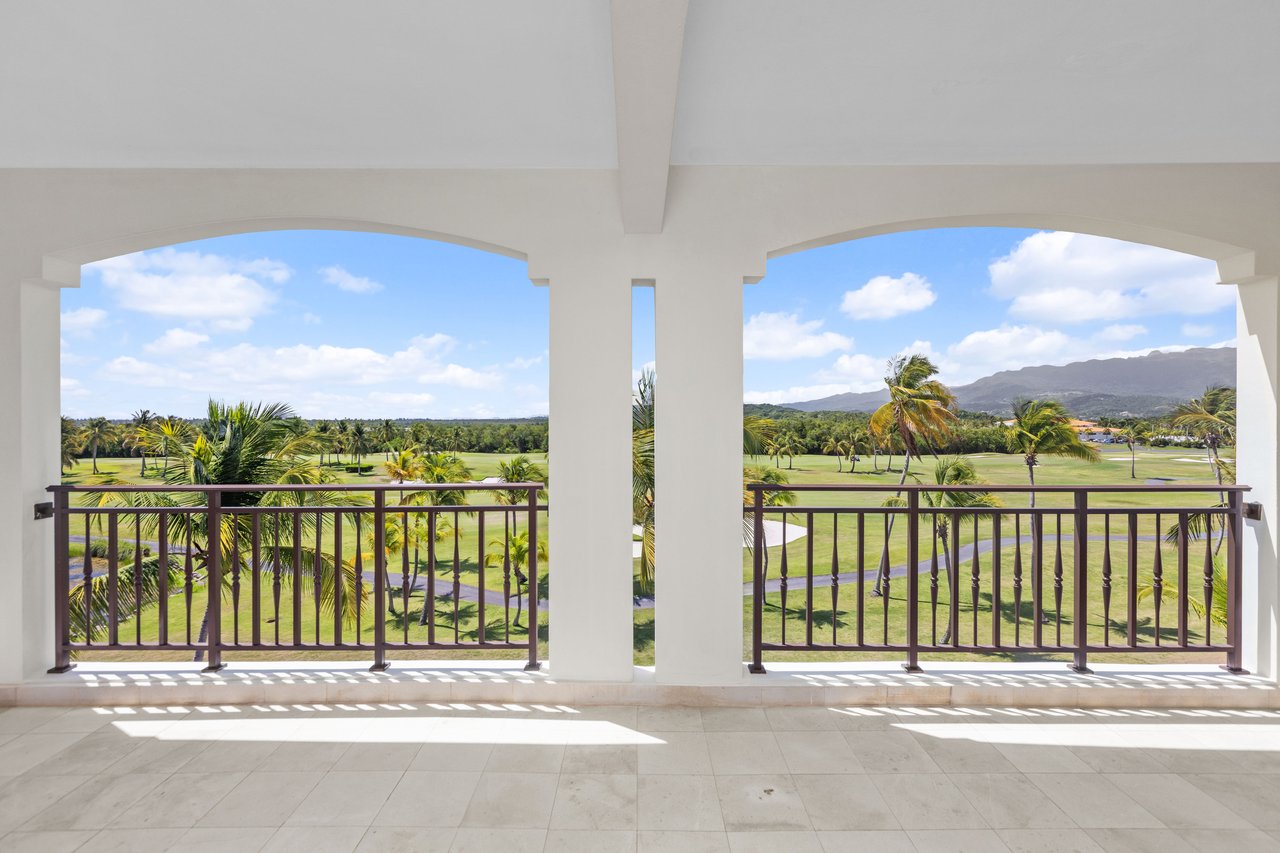
Puerto Rico Buying Guides
Ocean views may command attention, but golf-front properties can offer space, privacy and a different ownership experience. Here’s how buyers should compare beachfront… Read more
We connect discerning buyers and sellers with the island’s most exclusive real estate opportunities. Our expertise and network ensure seamless transactions for both relocation under Act 60 and the sale of distinguished estates. We combine discretion, strategy, and global reach to represent your interests with excellence.