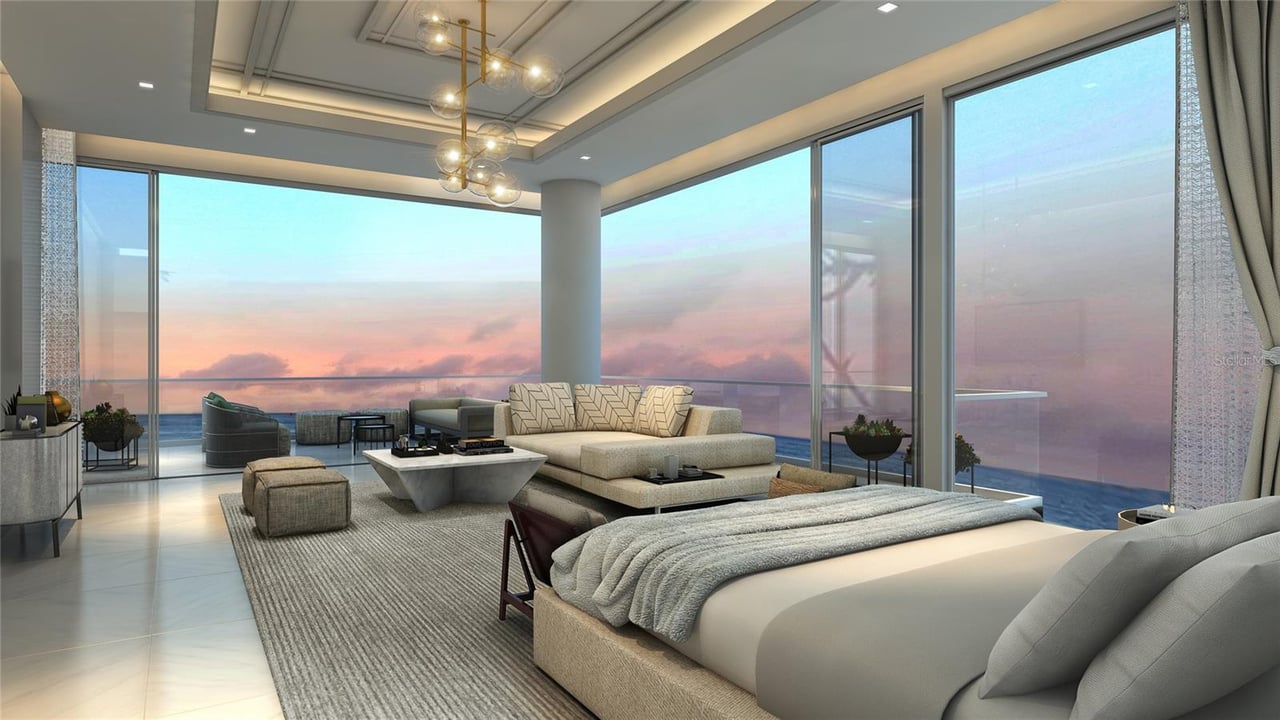
How Branded Residences Are Priced: What Really Drives Value
Branded Residences Lizvette Robles January 14, 2026
Branded Residences Lizvette Robles January 14, 2026
One of the most common questions buyers ask when exploring branded residences is also the most misunderstood: Why do they command a premium compared to traditional luxury condominiums? The answer is rarely found in price-per-square-foot comparisons alone. Branded residences operate under a different value framework, where lifestyle, service, and brand stewardship play a central role. This guide explains how pricing is structured in branded residences and what experienced global buyers actually evaluate before committing.
Branded residences are priced based on a combination of brand equity, service integration, amenity depth, location scarcity, and limited inventory, not just square footage. Buyers pay for a curated ownership experience, long-term brand stewardship, and lifestyle consistency that traditional luxury condos typically do not offer.
In traditional real estate, price per square foot is often used as a primary benchmark. In branded residences, this metric can be misleading. Why?
Services are embedded into ownership, amenities function as extensions of the private residence, brand value influences long-term desirability and inventory is intentionally limited.
As a result, two residences with similar square footage can have very different value propositions.
1. Brand Equity. The strength and global recognition of the brand influence: buyer confidence, international demand and long-term reputational value.
Strong brands reduce perceived risk and increase cross-border appeal. 2. Service Integration. Pricing reflects the inclusion of: concierge and lifestyle management; valet, security, and owner services; and wellness and hospitality-level support.
These services replace costs that owners would otherwise manage independently.
Branded residences prioritize: high-quality, fully programmed amenities; higher amenity-to-residence ratios; and daily-use spaces over marketing-driven features.
This depth directly impacts operating costs and pricing. 4. Location Scarcity. Most branded residences are developed in: irreplaceable urban or resort locations, sites with long-term desirability and markets with barriers to future competition.
Scarcity supports both pricing and value retention.
Unlike high-density towers, branded residences often feature: fewer units, larger layouts and more privacy per owner.
This scarcity model supports premium positioning.
Pricing Factor | Branded Residences | Traditional Luxury Condos |
|---|---|---|
Primary driver | Lifestyle & service | Location & size |
Price flexibility | Brand & scarcity-based | Market comparables |
Operating model | Service-inclusive | HOA-basic |
Buyer mindset | Long-term lifestyle | Asset ownership |
Inventory strategy | Limited collection | Higher density |
Understanding this distinction prevents misaligned expectations.
Many branded residences are delivered as new developments, which introduces additional pricing dynamics: staged deposit schedules, construction milestones and value appreciation tied to delivery phases.
For experienced buyers, this structure is familiar and often preferred due to transparency and planning predictability.
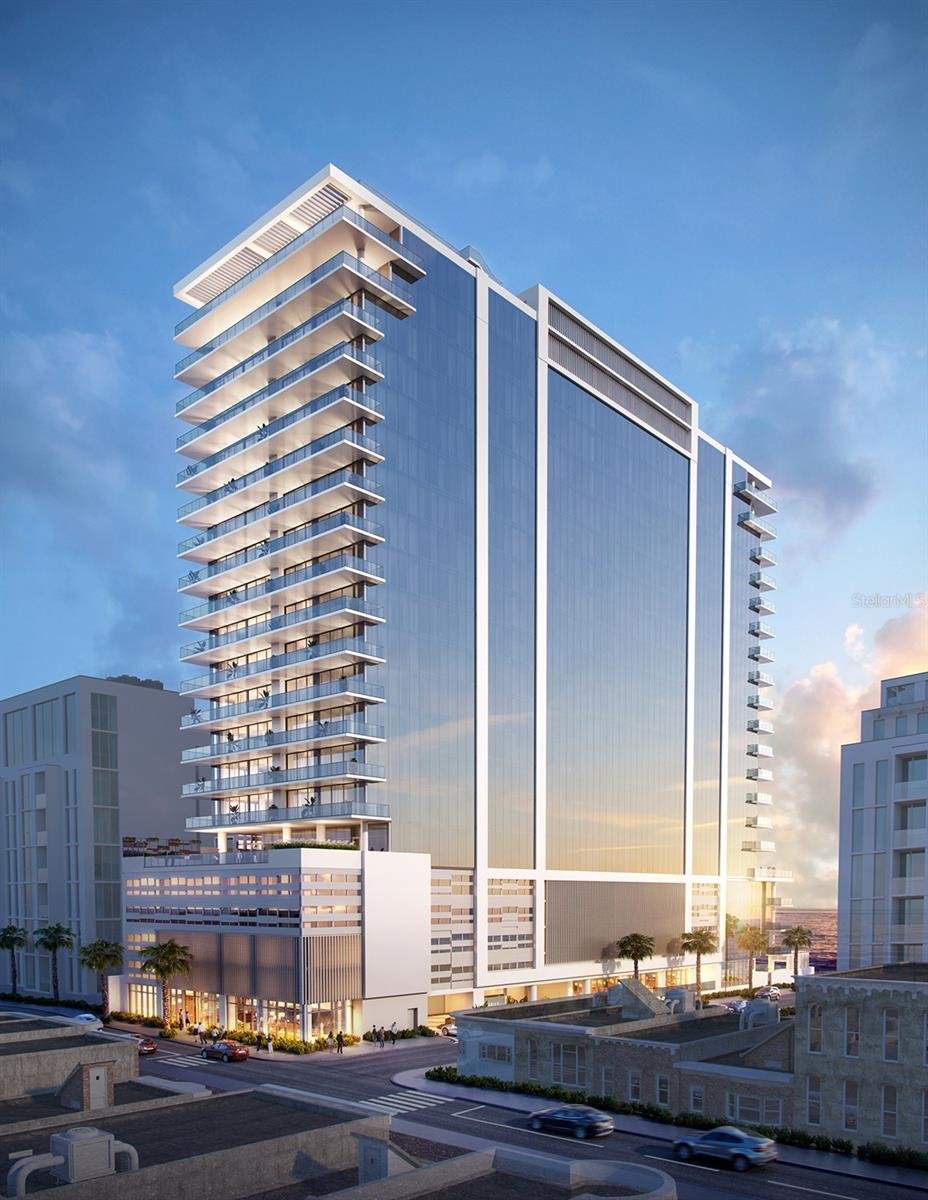
Projects like Vanderbilt Residences illustrate how branded residential pricing operates in practice. Rather than anchoring value solely on square footage, pricing reflects: large-format layouts with privacy, extensive wellness and lifestyle amenities, hospitality-level service integration and oceanfront urban scarcity.
This makes Vanderbilt Residences a useful reference point when evaluating how branded residences are priced globally. https://investatepr.com/blog/vanderbilt-residences-a-global-guide-to-branded-luxury-living-featuring-condado-puerto-rico-2026
Experienced buyers rarely ask:
“What’s the cheapest price per square foot?”
Instead, they ask: How will this residence fit into my lifestyle long-term? What friction does it remove from ownership? How does the brand protect experience and reputation over time? Will this still feel relevant in 10–15 years?
Pricing decisions follow these answers, not the other way around.
Because pricing includes brand equity, service integration, amenity depth, and long-term lifestyle value, not just physical space.
It’s a reference point, but not the primary valuation tool.
They often maintain desirability due to brand recognition and service consistency, though market conditions still apply.
No. Pricing reflects local market conditions, brand strength, and location scarcity.
Yes. It offers a real-world example of how branded residential pricing is structured in an oceanfront, urban-resort context.
Understanding how branded residences are priced allows buyers to make informed decisions and avoid misleading comparisons. Additional articles in this series explore lifestyle drivers, global trends, and how branded residences are positioned across different markets.
Stay up to date on the latest real estate trends.
Condado · Buyer Guides · Luxury Real Estate · Puerto Rico Real Estate
How Views, Exposure, Location, Noise, Walkability and Resale Position Differ Across Condado’s Two Waterfronts
Condado · Buyer Guides · Puerto Rico Real Estate · Luxury Real Estate
HOA Fees, Insurance, Property Taxes, Assessments and the Expenses Buyers Should Understand Before Purchasing in Condado
LUXURY COMMUNITIES
44 residences from $1.2M between Garden Hills and San Patricio. What $818 per square foot means if you are buying, and what it changes if you already own in the area.
LUXURY COMMUNITIES
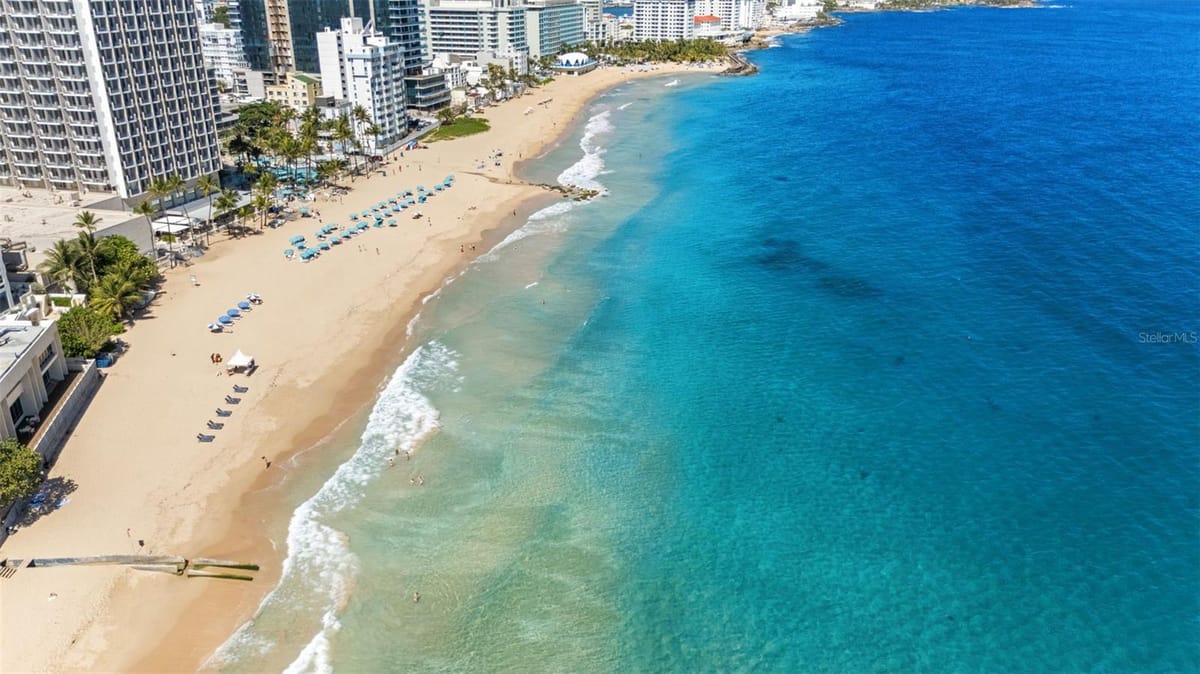
Forty Stellar MLS closed sales across eight communities, from $136 to $3,110 per square foot, what sellers actually accept, and what the maintenance fee adds.
LUXURY COMMUNITIES
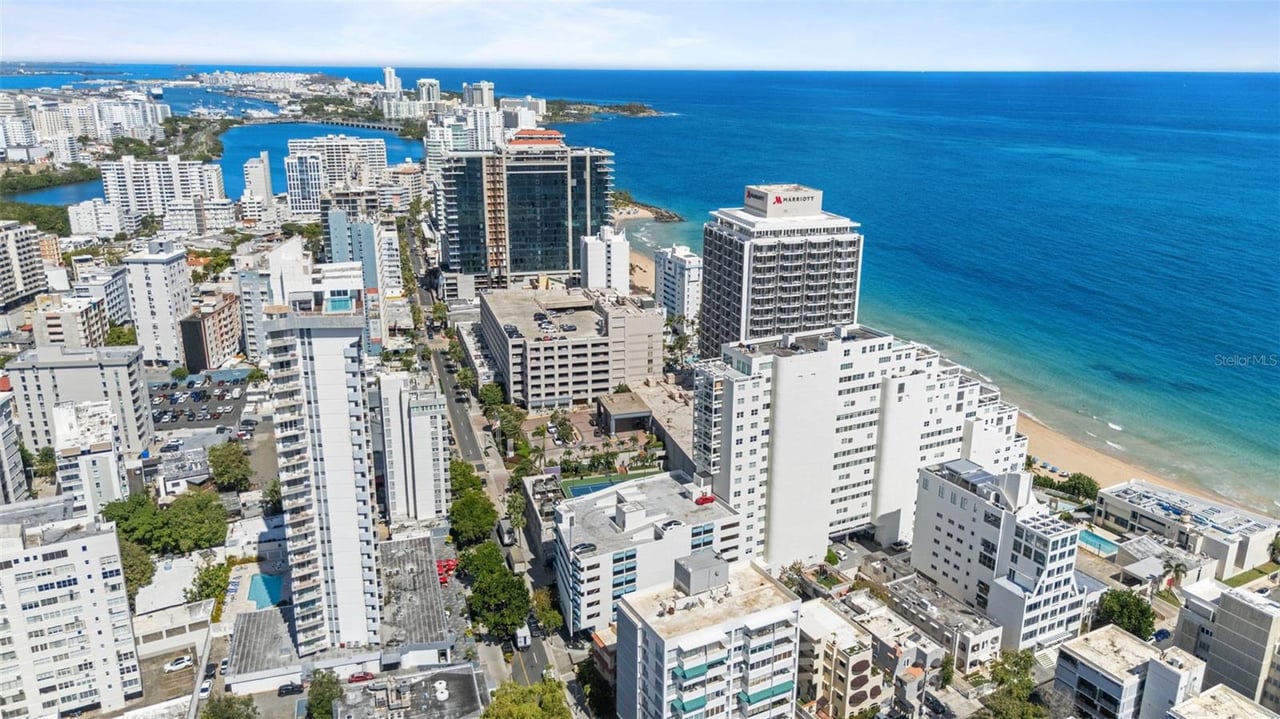
Condado and Isla Verde in San Juan, West Beach and Costa Dorada in Dorado, and Bahía Beach, Rio Mar and Coco Beach in Río Grande: closed-sale prices, buildings, fees a… Read more
Condado · Buyer Guides · New Developments · Luxury Real Estate
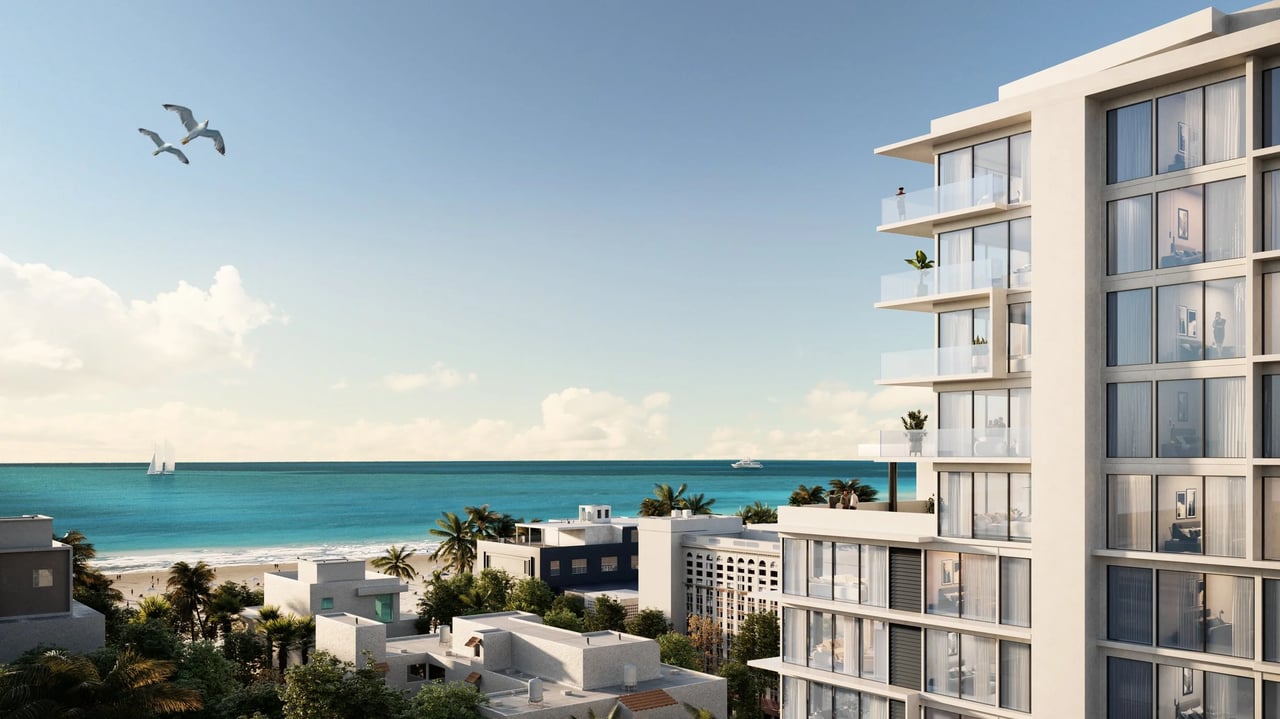
How to Compare Pricing, Amenities, HOA Costs, Market Evidence and Long-Term Value Before Buying a Condo in Condado
Condado · New Developments · Luxury Real Estate · Buyer Guides
A Buyer’s Guide to 1120 Ashford Avenue, New Construction, Pricing and How The ICON Fits Into Condado’s Changing Luxury Market
Condado, New Developments, Luxury Real Estate, Buyer Guides
A Buyer’s Guide to Condado’s New Oceanfront Luxury Development, Amenities, Pricing and Market Position
MARKET ANALYSIS
60 Closed Sales, $73.9M in Volume — and a New Generation of Luxury Development Is Reshaping Condado
We connect discerning buyers and sellers with the island’s most exclusive real estate opportunities. Our expertise and network ensure seamless transactions for both relocation under Act 60 and the sale of distinguished estates. We combine discretion, strategy, and global reach to represent your interests with excellence.