
Buying Property in Puerto Rico as a Second-Home Buyer
Buyer Insights Lizvette Robles February 5, 2026
Buyer Insights Lizvette Robles February 5, 2026
Second-home buyers often believe their purchase will be simpler. After all, there’s no relocation pressure, no immediate move, and often no financing urgency. In Puerto Rico, that assumption can quietly work against them.
Second-home purchases introduce different risks, priorities, and blind spots, and buyers who don’t adjust their strategy often lose leverage without realizing it. This article explains what truly changes when the property is not your primary residence, and how experienced buyers adapt.
Second-home buyers typically feel less pressure to “get it done.” That slower emotional pace can be helpful, but it can also: delay verification, reduce attention to sequencing and create false confidence.
Less urgency does not reduce legal, registry, or timing exposure.
Second-home buyers evaluate properties differently: seasonal usage, maintenance planning, vacancy periods and long-term flexibility.
What looks perfect for short stays may introduce friction for: insurance, Property management, HOA compliance and utility continuity.
Sophisticated buyers test the property against real usage scenarios, not vacation assumptions.
Even when financing is not required, second-home buyers face: different insurance underwriting, vacancy-based policy considerations and lender classification differences if financing later.
Buyers who ignore this early often face surprises post-closing.
When buyers are not on-island full time: verification is often delegated, issues surface later and physical and legal discrepancies take longer to resolve.
Distance doesn’t create risk, but it amplifies its impact.
Second-home buyers frequently postpone thinking about resale. That’s a mistake. Factors such as: Registry clarity, legal configuration, Property type desirability and HOA rules.
directly affect future liquidity, even if resale feels far away.
Sophisticated second-home buyers often assume flexibility equals simplicity. In reality: fewer deadlines mean weaker leverage, less urgency can mean less discipline and oversight gaps grow quietly.
The process still requires structure, especially when emotions are relaxed.
Buyers who protect outcomes tend to: apply the same verification rigor as primary buyers, plan management and insurance early, align usage with legal reality and define exit criteria before buying.
They don’t let “secondary” mean “casual.”
Buying a second home in Puerto Rico can be deeply rewarding. But the absence of urgency doesn’t eliminate complexity, it masks it. Second-home buyers who treat the process with the same seriousness as a primary purchase preserve flexibility, value, and peace of mind.
https://investatepr.com/blog/how-to-buy-property-in-puerto-rico-if-youre-based-in-the-us
Stay up to date on the latest real estate trends.
High-End Market Insights
Four homes closed above a million dollars in the twelve months to 7 October 2026. The highest was $1,300,000.
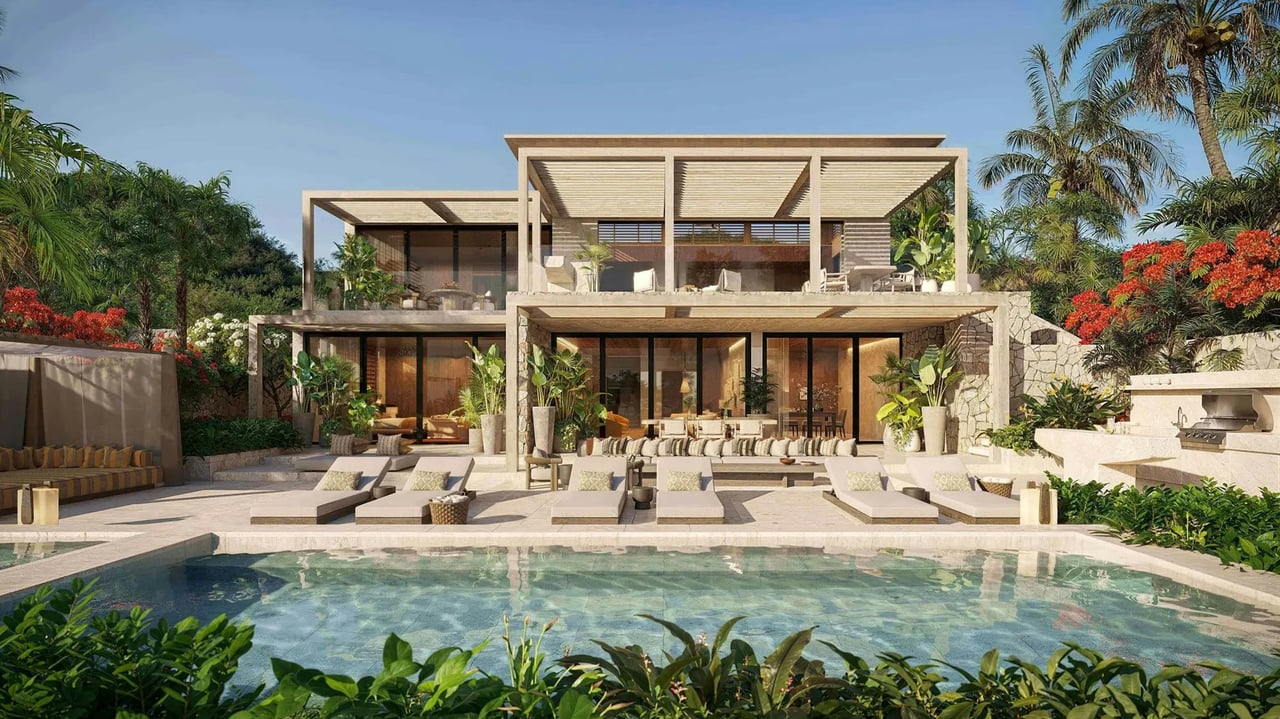
Auberge runs the hotel. Juniper Capital and Capital United own the land. What a buyer should know before the first homes break ground.

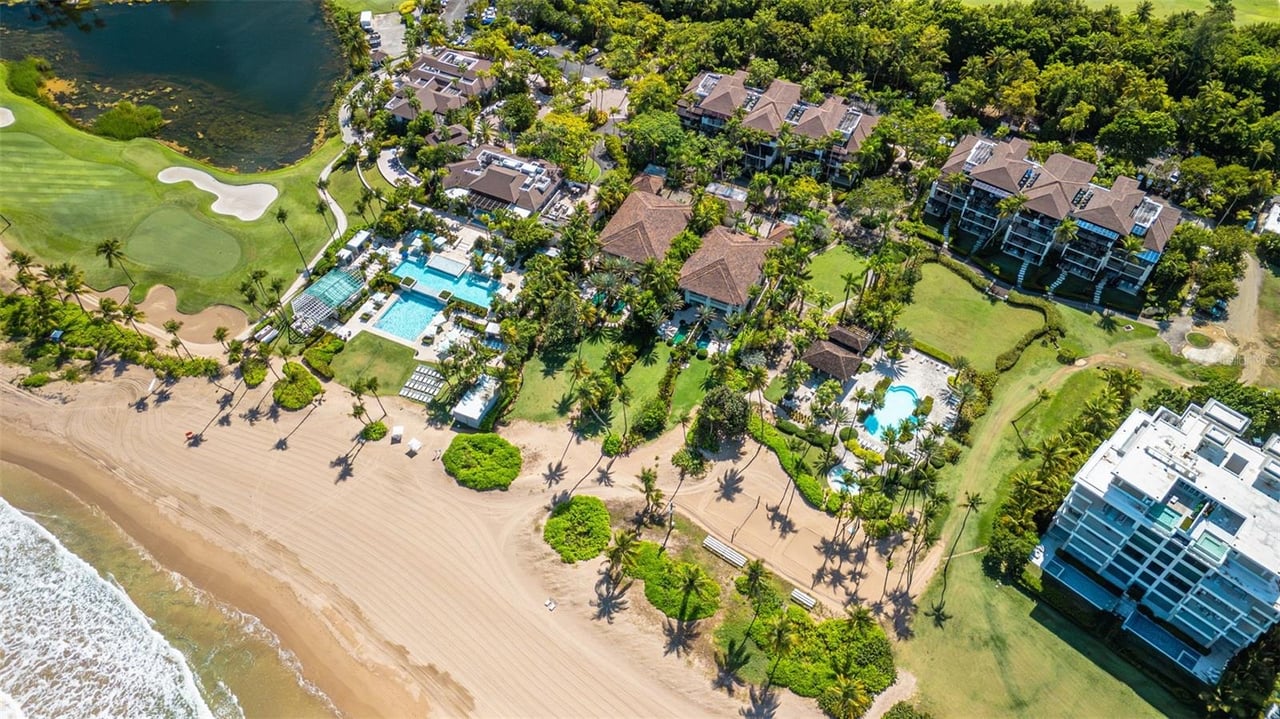
Act 60, the 1 January 2027 deadline, and the three IRS tests the decree does not cover.

255 sales closed above $1 million between January and October 2026. $597.7 million, and eight of every ten inside five municipalities.
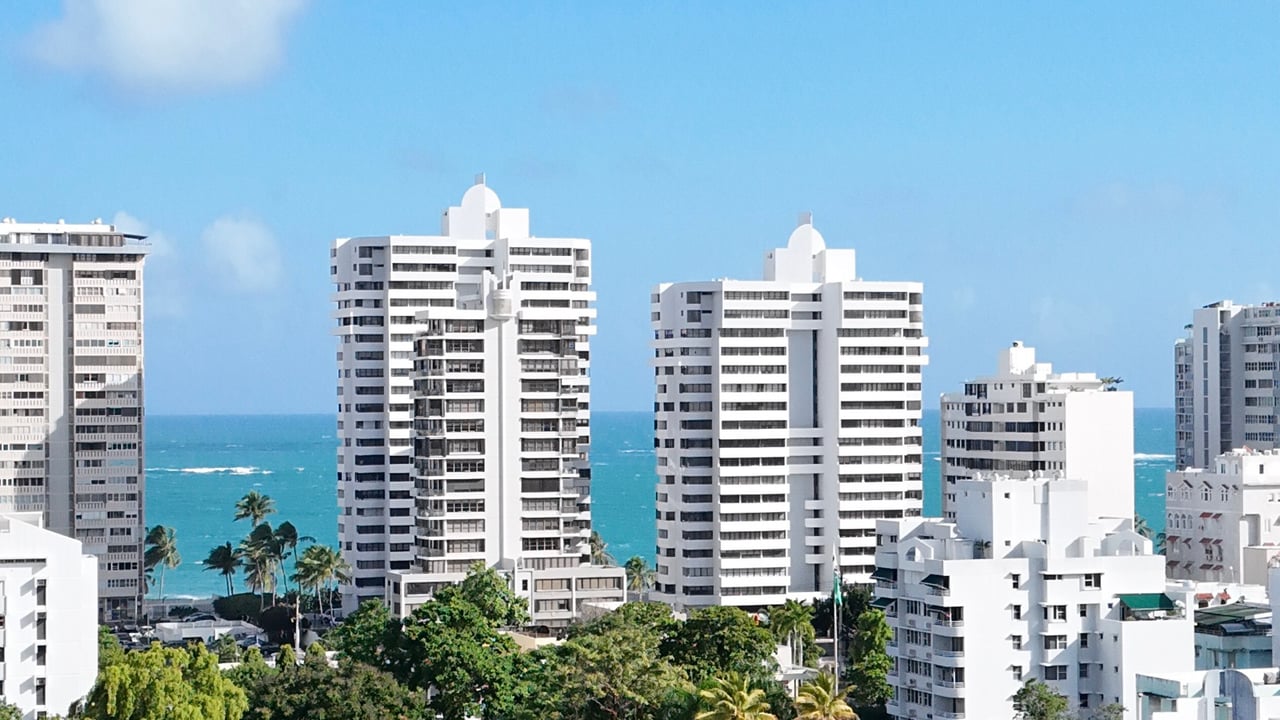
LUXURY CONDO
What 2,524 closed sales show, and the two 2026 rule changes that decide what a bank will finance.
What $1,477,000 buys on Puerto Rico's west coast, how it compares to closed sales above $1 million in Rincon and Boqueron, and what the $142 million Aguadilla airport … Read more
We connect discerning buyers and sellers with the island’s most exclusive real estate opportunities. Our expertise and network ensure seamless transactions for both relocation under Act 60 and the sale of distinguished estates. We combine discretion, strategy, and global reach to represent your interests with excellence.