Branded Residences in Puerto Rico: What They Cost and What the Premium Buys
Luxury Real Estate Lizvette Robles January 14, 2026
Luxury Real Estate Lizvette Robles January 14, 2026
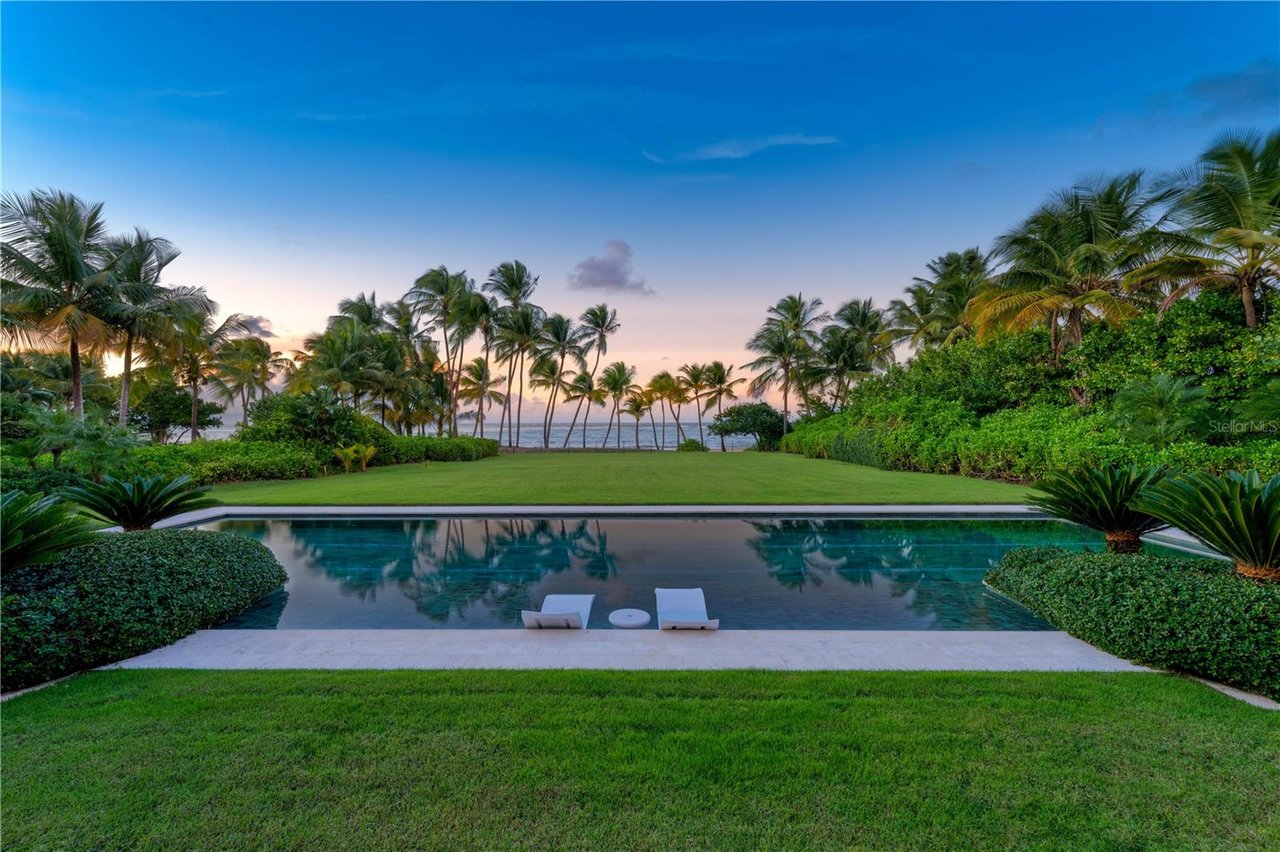
Puerto Rico now has a branded tier, and it sits at the top of the island. Inside Dorado Beach Resort, home of the Ritz-Carlton Reserve, residences ask $2,158 to $3,957 per square foot. The Four Seasons Private Residences at Bahía Beach ask $2,293 to $2,996. And in Condado, Vanderbilt Residences is asking $1,750 to $2,750 — the first time that avenue has been priced at Dorado’s level.
That is not a market getting ahead of itself. It is what happens when global operators choose an island: the brands arrive, the service tier arrives with them, and a price band appears that did not exist before. Below is what every one of them asks today, what the premium actually buys, and how to judge it for the way you intend to live.
Where | For sale | Asking $/sq ft |
Dorado Beach Resort — West Beach and Plantation | 8 | $2,158 – $3,957 |
5 | $2,293 – $2,996 | |
8 | $1,750 – $2,750 | |
— | see the building page | |
Hard Rock Residences, San Juan — 186 residences announced | — | pre-construction |
A branded residence is not a condominium with a logo. You are buying an operator: staffing levels written into the management agreement, a reserve funded to a standard, housekeeping and concierge that run whether you are on the island or not, and amenity space built to the brand’s specification rather than to the minimum. At Vanderbilt that is about 25,000 square feet of amenity space and a 75-foot infinity pool for 66 residences.
For an owner who is not here full time, that is the whole product. The building takes care of itself, the home is ready when you land, and there is a front desk that knows you. That is what the per-foot difference pays for, and for a lot of buyers it is worth every dollar of it.
These are excellent buildings and they are priced for a different owner — someone here more often, managing their own home, putting the money into floor, view and square footage rather than into service.
Building | For sale | Asking $/sq ft |
4 | $1,218 – $2,258 | |
2 | $910 and $1,960 | |
5 | $1,257 – $1,826 | |
5 planned | pre-sale | |
3 | $1,032 – $1,347 |
At Vanderbilt, residence 904 launched at $3,995,000 and asks $5,645,000 today — 41 percent higher. Residence 1204 launched at $4,420,000 and asks $6,075,000, 37 percent higher. That is the building’s own price list, not an estimate and not a forecast.
Developers price that way while a building is selling through. And the schedule is finite: once a tower completes and closes out, you no longer choose your line, your floor or your view — you buy whatever the first owners decide to resell, at whatever they decide to ask. If one of these buildings is on your list, the moment to choose from the full floor plate is while it is still completing.
Know which tier you are shopping in. Condado has three price bands on one avenue, and they are all defensible: $910 to $1,960 at The Bristol, $1,218 to $2,258 at The Icon, $1,750 to $2,750 at Vanderbilt. The right one depends on how often you will be here and how much you want to manage.
Read the HOA as the real cost of the service. One Vanderbilt residence lists about $2,217 a month; Residence 1 at the unbranded Ocean Five lists $3,000. A brand on the door does not automatically mean a higher fee — what drives it is how many amenities are staffed. Ask for the current amount, what it includes, the insurance structure, how the reserve is funded, and whether an assessment is anticipated. Confirm it from the condominium documents, not from a listing sheet.
Know that the public record lags this tier. In the last twelve months thirty residences closed in Condado through the MLS and the classifieds, most between $500 and $870 a square foot. But at the new branded buildings a large share of the activity is developer-direct and never posts to the MLS, so what you can look up online is not the whole picture. If you want to know what is actually trading at Vanderbilt, at Dorado Beach or at Bahía Beach, that is a conversation, not a search.
Branded, if you will not be here full time, want the building run for you, and value a serviced, managed home over price per foot. Unbranded, if you are here often, are comfortable managing your own property, and want the money in the home itself. Both are good buys at the right price for the right owner. The mistake is paying for a service tier you will never use, or buying an unserviced home and expecting it to look after itself while you are away.
What do branded residences cost in Puerto Rico? From $1,750 to $3,957 per square foot on what is for sale today: Vanderbilt in Condado $1,750 to $2,750, the Four Seasons Private Residences at Bahía Beach $2,293 to $2,996, and Dorado Beach Resort $2,158 to $3,957.
Where is the most expensive address in Puerto Rico? Dorado Beach Resort, where asking prices reach $3,957 a square foot and $36,000,000 for a single residence.
Why do branded residences cost more? You are buying an operator and a staffing standard, not just the home: concierge, housekeeping, a funded reserve and amenity space built to the brand’s specification. For an owner who is away for part of the year, that is the product.
Do branded residences have higher HOA fees? Not automatically. Vanderbilt lists about $2,217 a month, below the $3,000 listed at unbranded Ocean Five. The fee tracks how many amenities are staffed.
Is a branded residence a good investment in Puerto Rico? It is a long-hold asset in a tier that is still young here, and most of the activity is developer-direct, so the public resale record is thin — which is not the same thing as a quiet market. Buy it for how you intend to live in it, hold it, and ask us what is actually trading before you price anything.
InvEstate publishes the live numbers for each one, whether or not we represent it — what is for sale, what it asks per square foot, and what has closed nearby. Developers and colleagues: if you have a building we have not covered, send it to us and we will publish it with the same standard. Buyers and sellers: we will walk you through the availability, the floor plans and how the numbers actually compare.
Antonio Cartagena, broker, license C-13471, and Lizvette Robles, broker, license C-23765. InvEstate Puerto Rico. Asking prices read from live listings; closed sales from the Stellar MLS and the classifieds for the twelve months to October 2026. These are list prices and closed sales, not a valuation. Which of them count as comparables for a specific residence is decided in a CMA. Some active listings carry no recorded area and so carry no price per square foot. Figures as of October 8, 2026.
Stay up to date on the latest real estate trends.
What $1,477,000 buys on Puerto Rico's west coast, how it compares to closed sales above $1 million in Rincon and Boqueron, and what the $142 million Aguadilla airport … Read more
Condado · Buyer Guides · New Developments · Luxury Real Estate
What is still available, how to read the square footage, and what the project does not publish.
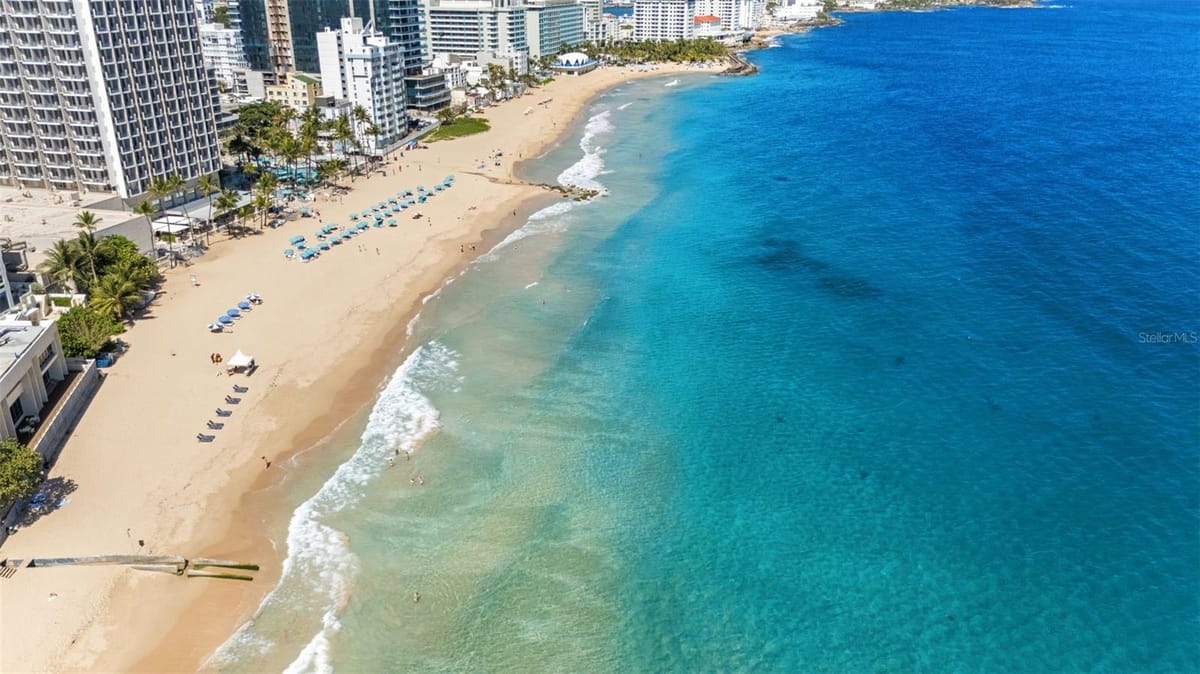
LUXURY CONDO
Fannie Mae and Freddie Mac raise the minimum condo reserve requirement to 15%. Puerto Rico law requires 5% - and lets buildings stop contributing altogether.

Buyers Guide, Construction, Investment, Puerto Rico Real Estate
Every branded residence and new community we track, where it is, and which units are actually in the MLS right now.

GUAYNABO REAL ESTATE
What is for sale, what is already under contract, and the one number that should start the conversation.
GUAYNABO REAL ESTATE
What is for sale right now, what the project launched at, and what to verify before signing.
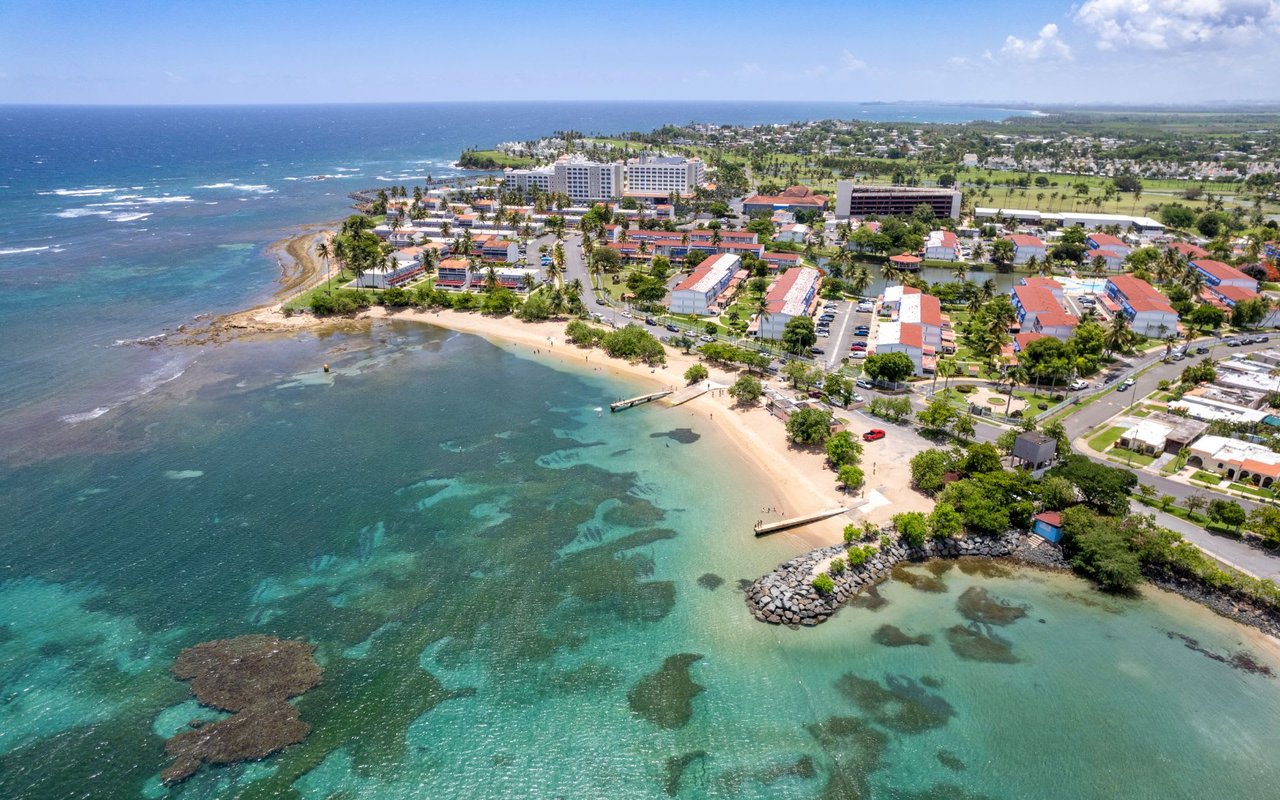
Both of the island's 2026 Key hotels are residential. 27 closings this year, $748 to $3,110 per square foot.
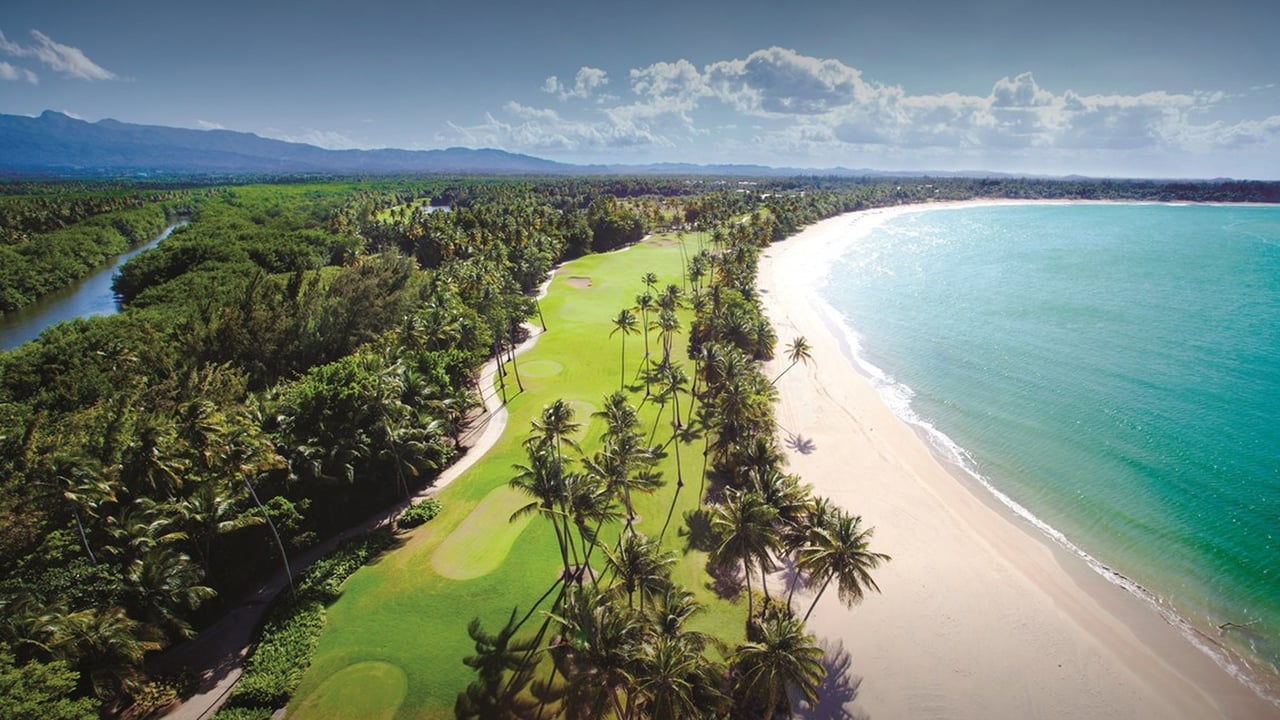
The purchase price is the number everyone quotes. Above a million dollars it is the smaller half of the decision.
We connect discerning buyers and sellers with the island’s most exclusive real estate opportunities. Our expertise and network ensure seamless transactions for both relocation under Act 60 and the sale of distinguished estates. We combine discretion, strategy, and global reach to represent your interests with excellence.