What Are Branded Residences? A Global Buyer’s Guide to Luxury Living
Luxury Real Estate Lizvette Robles January 14, 2026
Luxury Real Estate Lizvette Robles January 14, 2026
Branded residences are privately owned homes developed in association with a recognized luxury brand, most commonly a hospitality, lifestyle or design brand. Owners hold full title to the residence; the brand shapes the design standards, the amenity programming, the service offerings and the overall resident experience. Buyers pay a premium for them because they are buying service integration, prime locations and long-term brand equity, not only square footage, which is why branded residences have become one of the most sought-after segments in global luxury real estate.
They are no longer a niche concept reserved for ultra-luxury destinations. Today many high-net-worth buyers begin their search not with a city but with a brand, looking for residences with hospitality-grade services, refined design standards and locations that hold enduring appeal. This guide explains how branded residences work, how they differ from a conventional luxury condominium, how their pricing is structured, and why a development such as Vanderbilt Residences in Condado has become a reference point for the model in the Caribbean.
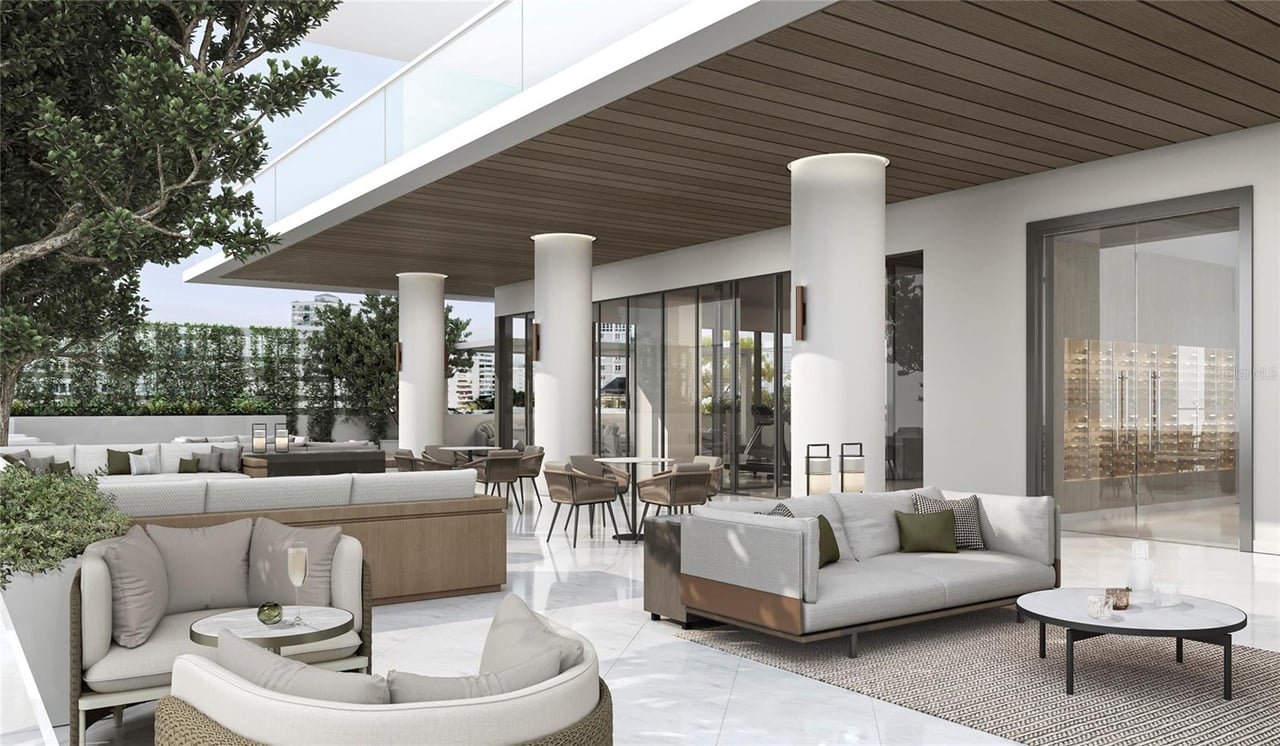
The defining feature is the relationship between the private owner and the brand. You own the home outright, as you would any condominium. What the brand controls is everything that surrounds that ownership: the design language, the amenity program, the service model and the day-to-day experience of living there. Unlike a traditional condominium, a branded residence is designed around the experience rather than the floor plan, and that difference shows up in how the building is staffed, how it is managed and how it holds value.
Experienced buyers cite the same motivations again and again: lifestyle continuity across global locations, hotel-inspired services integrated into daily living, higher amenity-to-residence ratios, prime and irreplaceable locations, and long-term brand equity and recognition. Together those explain why branded residences tend to outperform conventional luxury condos in both desirability and retention value.
A branded residence runs on a brand-driven service model where a traditional luxury condo runs on HOA-driven management. Its amenities are curated around lifestyle rather than the standard shared package. Finishes and design are hospitality-grade rather than dependent on what the local market expects. Collections are deliberately limited for privacy where conventional developments favor higher density. And the recognition travels: a branded address is known globally, a conventional one locally. For buyers comparing two similarly priced properties, that distinction is the whole decision. We break the comparison down in detail in Branded residences vs. traditional luxury condos.
Pricing in branded residences is rarely based on square footage alone. Value is set by the brand's reputation and global reach, the depth and quality of the amenities, the degree of service integration (concierge, valet, wellness and the like), the scarcity of the location and the limited inventory in each project. That structure is why buyers accept a premium: they are purchasing a lifestyle ecosystem, and the building's long-term desirability with it.
Branded residences exist worldwide, but certain projects become case studies for how the concept is executed at a high level. Vanderbilt Residences, oceanfront in Condado, San Juan, is one of them: a limited collection of large-format residences, extensive wellness and lifestyle amenities, hotel-level services integrated into residential ownership, and architecture designed around views, privacy and experience. It matters here less as a listing than as a benchmark for how branded luxury living is being implemented in emerging global markets such as the Caribbean. Our Vanderbilt Residences guide covers the project in depth.
The typical buyer profiles are global entrepreneurs and executives, family offices and long-term investors, buyers building a multi-residence lifestyle across several cities, and individuals who prioritize privacy, service and ease of ownership. What they share is a preference for clarity, structure and experience over speculation.
Before purchasing any branded residence, experienced buyers review five things: the scope of the amenities against the number of residences, the HOA structure and which services it actually includes, the use and rental policies, the deposit and construction timelines if the development is new, and the long-term management arrangement and the brand's ongoing involvement. Understanding those elements early prevents misaligned expectations later, and it is the part of the process where a broker who has closed inside these buildings earns the fee.
Branded residences are privately owned homes affiliated with a luxury brand, offering residents elevated services, curated amenities and consistent lifestyle standards.
For many buyers, yes, because the premium reflects service integration, brand equity and long-term desirability rather than physical features alone.
Typically yes. Branded residences prioritize amenity depth and experience over volume, often with higher amenity-to-residence ratios.
Branded residences focus on experience, service and global consistency, while traditional luxury condos emphasize ownership without integrated services.
They are most common in global cities, resort destinations and emerging luxury markets such as the Caribbean.
Yes. Vanderbilt Residences in Condado, Puerto Rico is a contemporary example of how branded luxury living is being implemented in an oceanfront, urban-resort setting.
If you are comparing branded residences globally and want to understand how a project like Vanderbilt compares on lifestyle, value and ownership structure, tell us the cities on your list and we will show you where Condado fits, with the numbers that never appear in a brochure.
Antonio Cartagena, Broker Lic. C-13471 · Lizvette Robles, Lic. 23765 · (787) 717-6443
Stay up to date on the latest real estate trends.
LUXURY COMMUNITIES
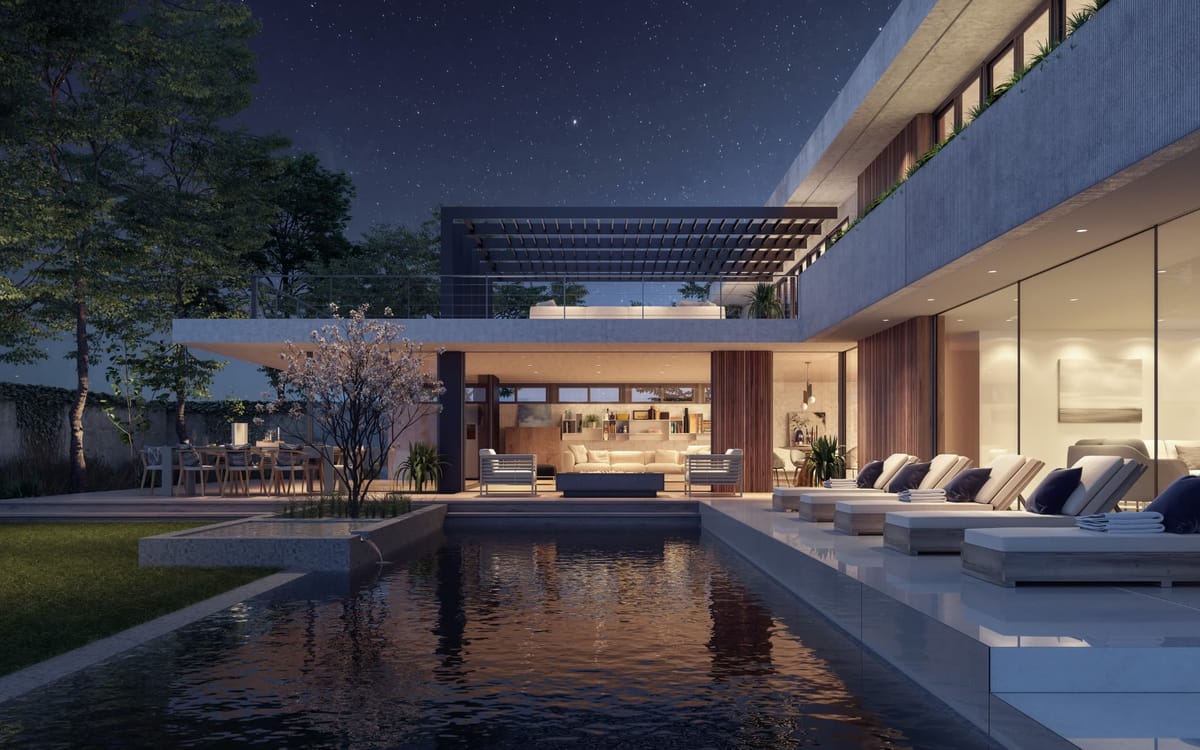
44 residences from $1.2M between Garden Hills and San Patricio. What $818 per square foot means if you are buying, and what it changes if you already own in the area.
LUXURY COMMUNITIES
Forty Stellar MLS closed sales across eight communities, from $136 to $3,110 per square foot, what sellers actually accept, and what the maintenance fee adds.
LUXURY COMMUNITIES
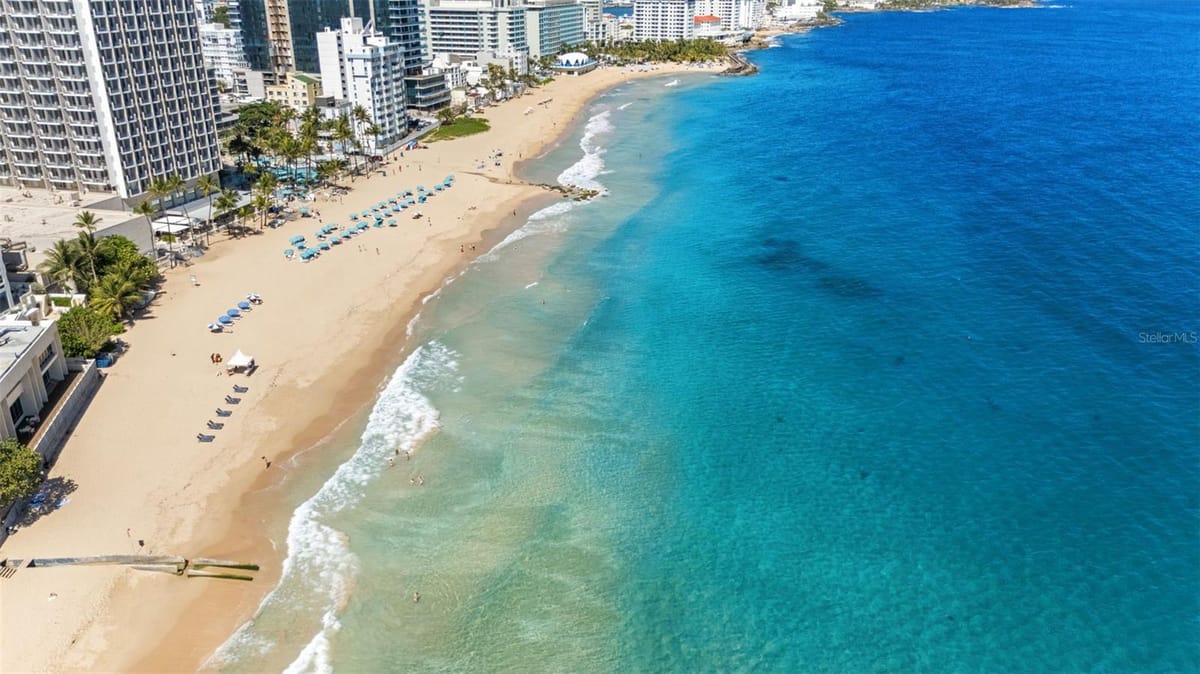
Condado and Isla Verde in San Juan, West Beach and Costa Dorada in Dorado, and Bahía Beach, Rio Mar and Coco Beach in Río Grande: closed-sale prices, buildings, fees a… Read more
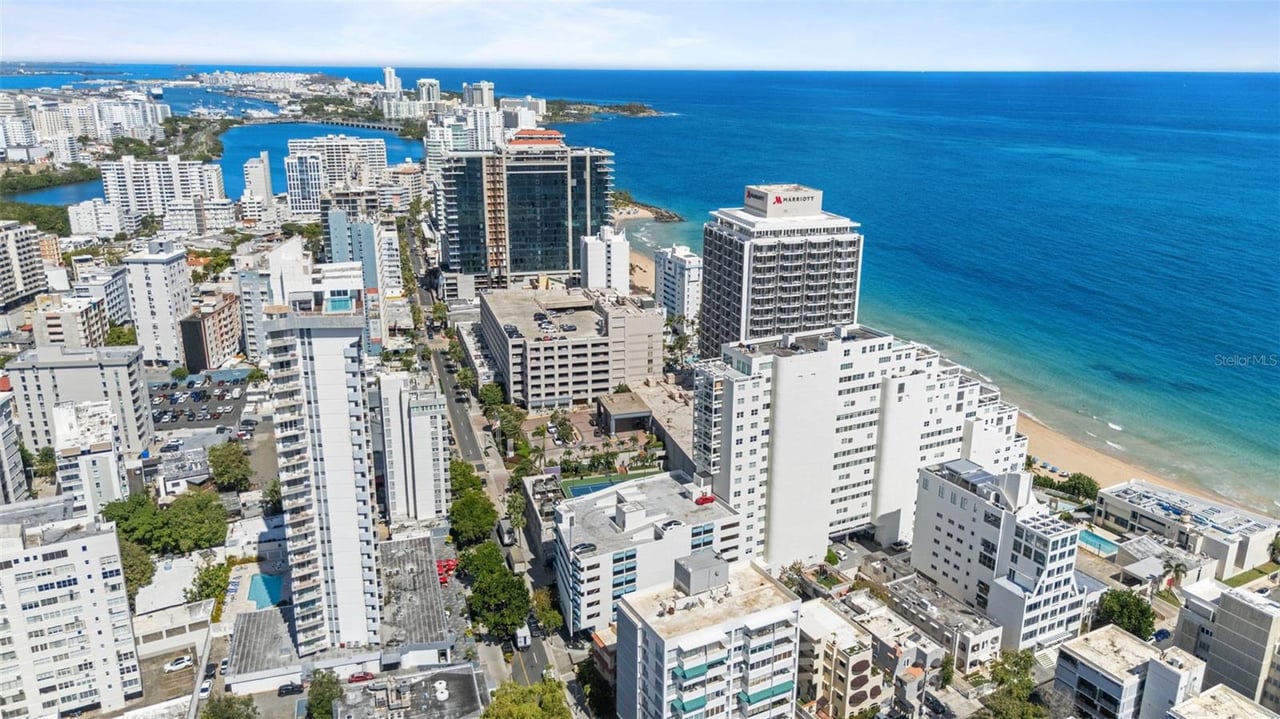
Condado · Buyer Guides · New Developments · Luxury Real Estate
How to Compare Pricing, Amenities, HOA Costs, Market Evidence and Long-Term Value Before Buying a Condo in Condado
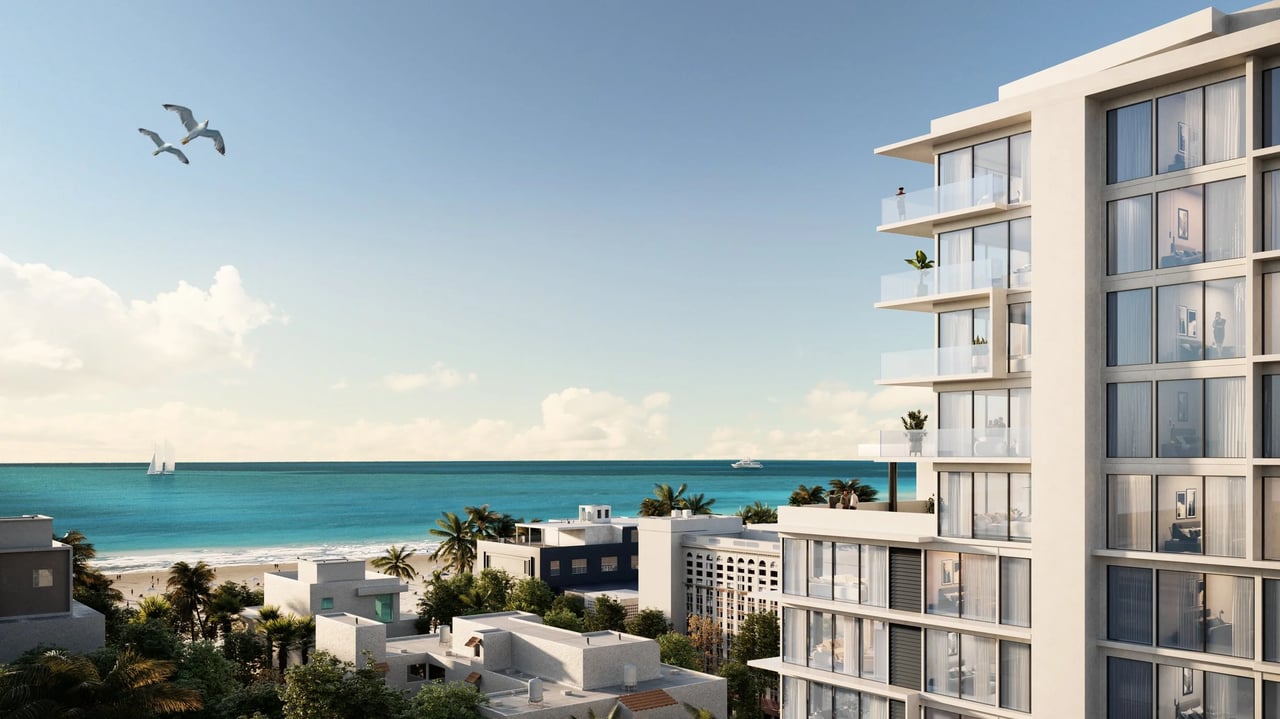
Condado · New Developments · Luxury Real Estate · Buyer Guides
A Buyer’s Guide to 1120 Ashford Avenue, New Construction, Pricing and How The ICON Fits Into Condado’s Changing Luxury Market
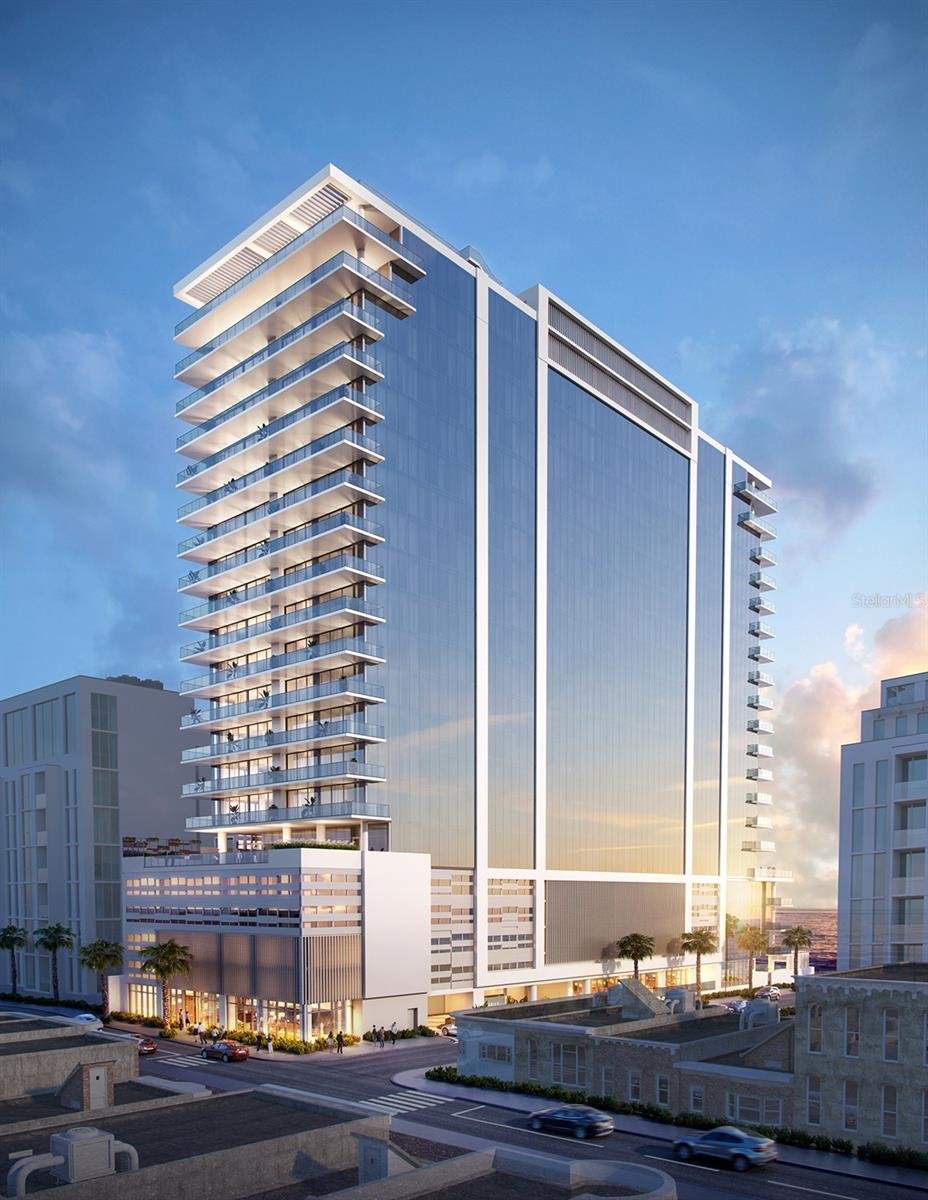
Condado, New Developments, Luxury Real Estate, Buyer Guides
A Buyer’s Guide to Condado’s New Oceanfront Luxury Development, Amenities, Pricing and Market Position
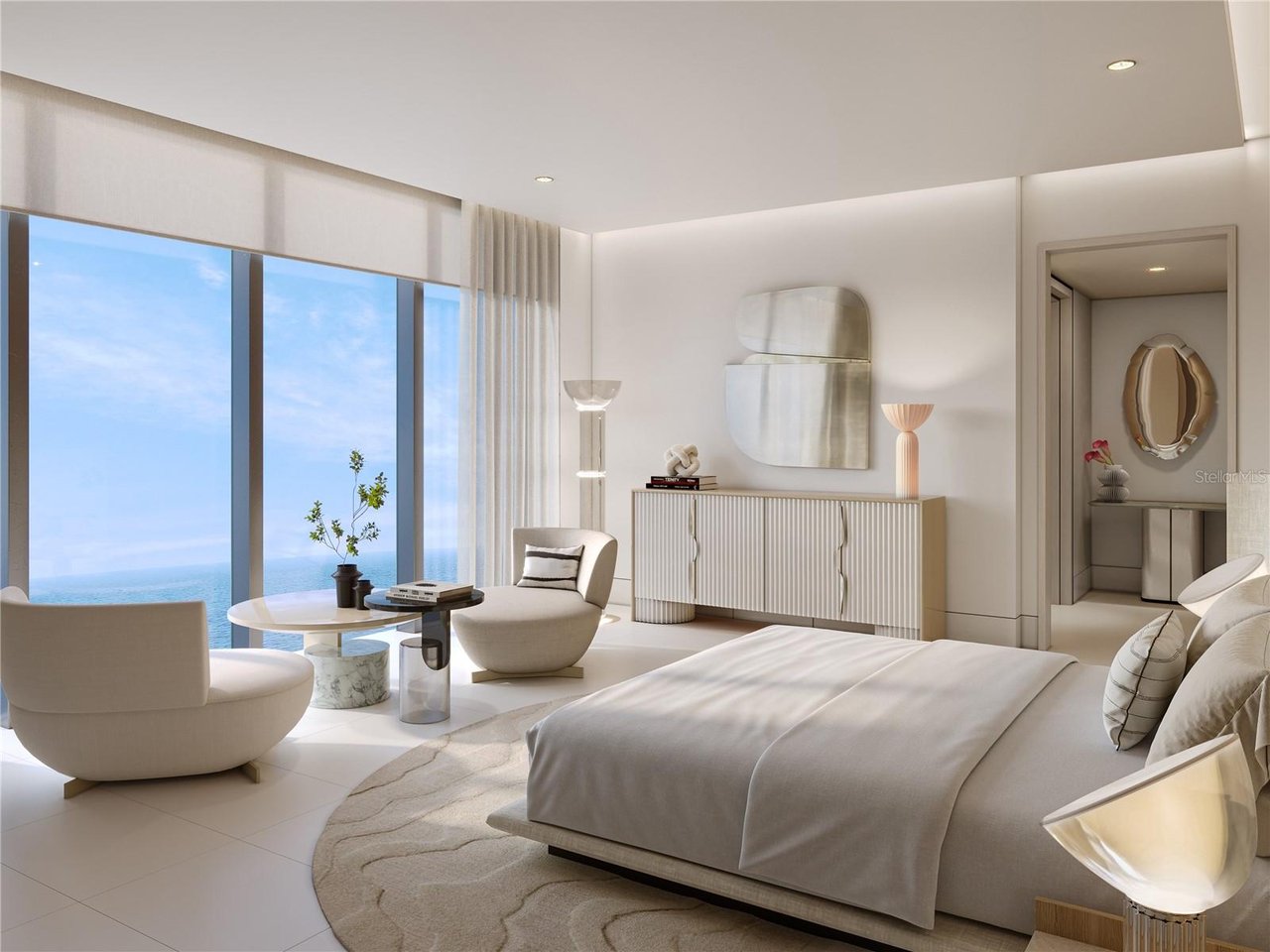
MARKET ANALYSIS
60 Closed Sales, $73.9M in Volume — and a New Generation of Luxury Development Is Reshaping Condado
Puerto Rico Buying Guides
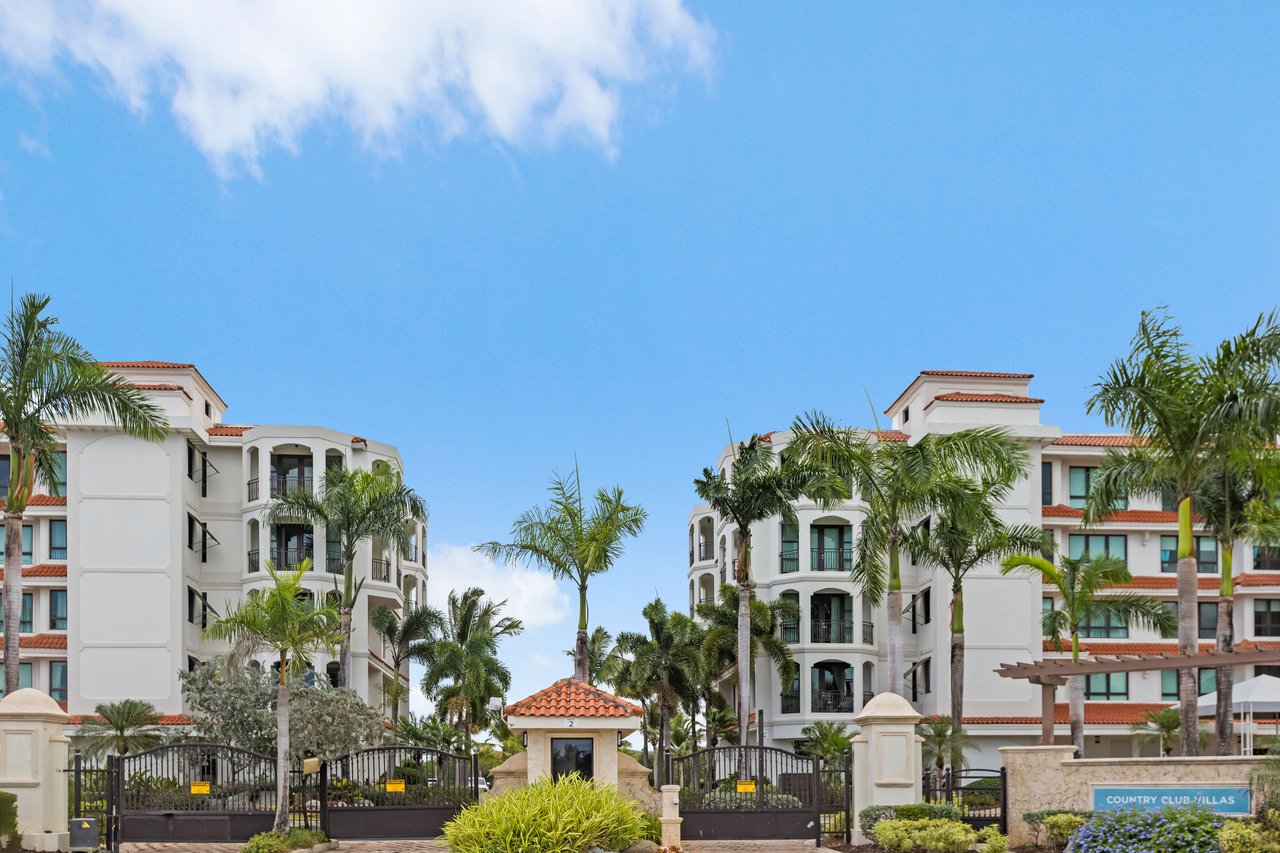
HOA structures, insurance, backup infrastructure, rental restrictions, resort privileges and comparable sales can matter as much as the view. Here’s what buyers should… Read more
Puerto Rico Buying Guides
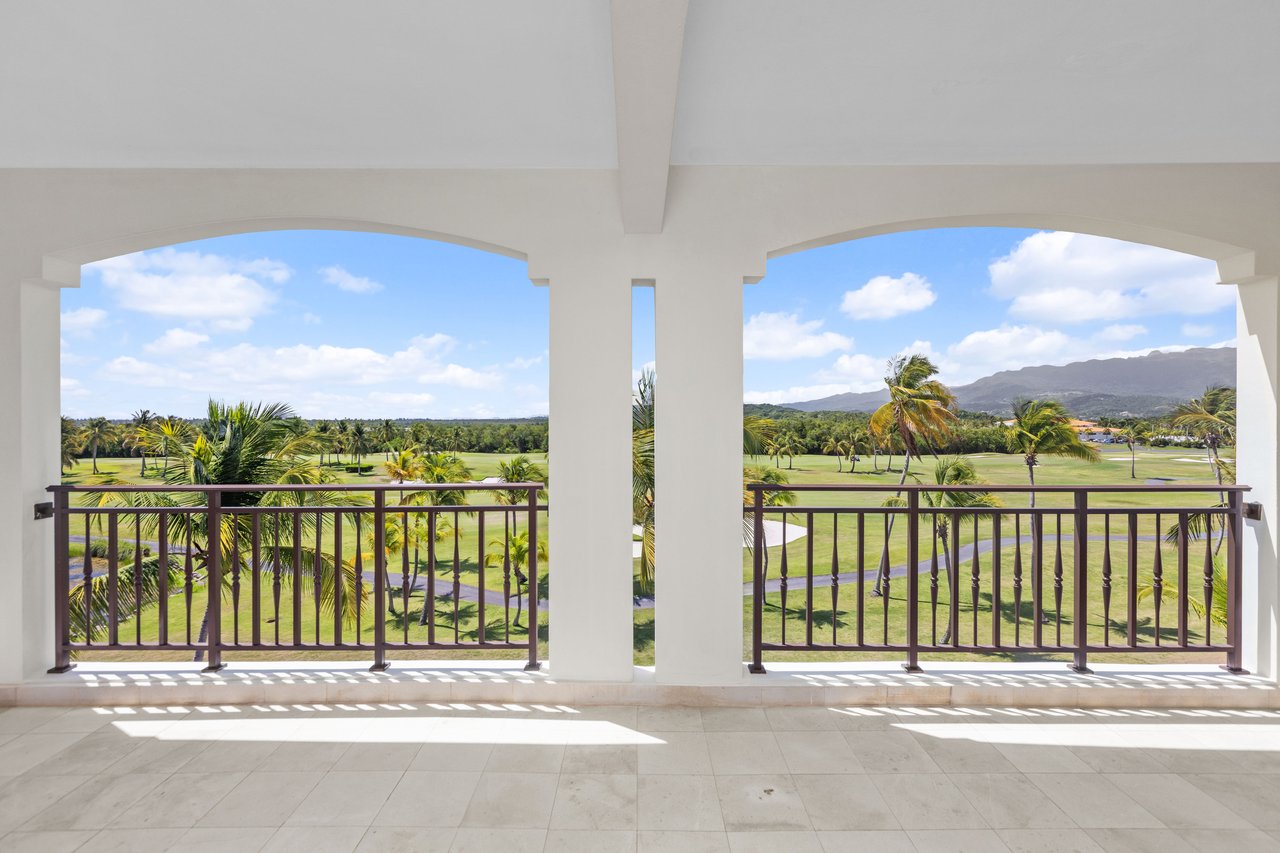
Ocean views may command attention, but golf-front properties can offer space, privacy and a different ownership experience. Here’s how buyers should compare beachfront… Read more
We connect discerning buyers and sellers with the island’s most exclusive real estate opportunities. Our expertise and network ensure seamless transactions for both relocation under Act 60 and the sale of distinguished estates. We combine discretion, strategy, and global reach to represent your interests with excellence.